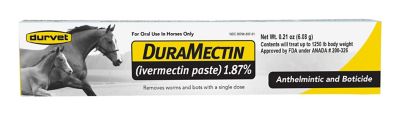
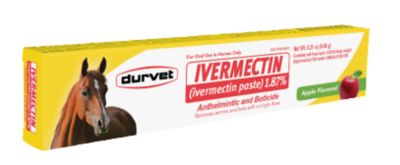
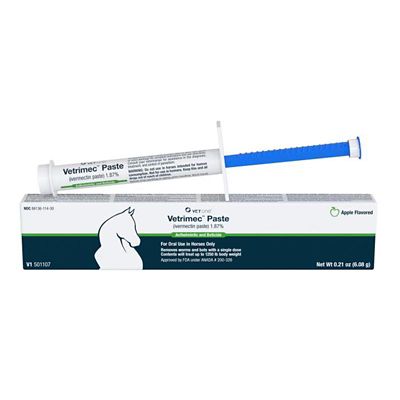
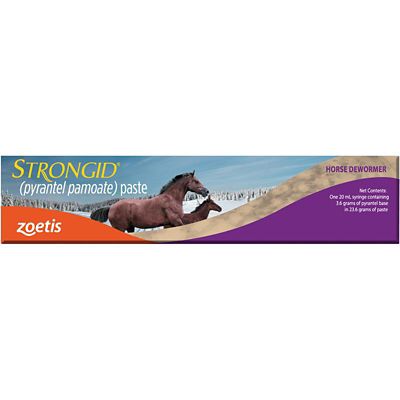
Ivermectin paste for horses is an oral equine dewormer that controls certain internal parasites and bots when given according to its label. FDA-approved equine formulations commonly contain 1.87% ivermectin, an antiparasitic ingredient that acts on susceptible parasites’ nerve and muscle function. The paste comes in a dosing syringe intended to deliver medication by mouth, making it a familiar part of horse-care supplies on boarding farms, working ranches and small acreage properties. Depending on the formulation’s approved labeling, parasites listed may include large and small strongyles, pinworms, ascarids, hairworms, stomach worms, lungworms and bots. Those names describe different parasites and life stages, not a promise that one medication handles every worm problem. Ivermectin alone does not treat tapeworms or encysted small strongyle larvae, and resistance can limit its effectiveness against certain parasites, particularly ascarids in young horses. That distinction matters whether the horse spends its days checking cattle, carrying a trail rider or standing in a lesson barn. A shiny coat and a good appetite do not tell the whole story about parasite burden, and a thin horse does not automatically need this particular dewormer. Veterinary guidance and fecal testing help put treatment choices in context rather than relying on appearance or a calendar alone. Fecal egg counts can help assess shedding of certain parasites, while follow-up testing may help a veterinarian evaluate how well a treatment worked; neither test identifies every parasite problem. For breeding farms, the label’s provisions for pregnant mares, breeding stallions and foals deserve attention, along with any age restrictions or precautions. Many approved equine ivermectin pastes include these groups in their labeled use, but the directions for the formulation in hand still govern. Ivermectin horse paste is animal medication, not a human treatment. It should never be swallowed by people or substituted for prescription medication intended for human patients.
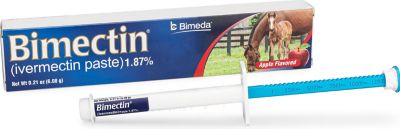
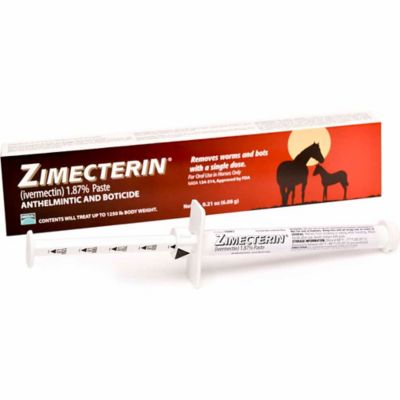
The practical differences among equine ivermectin pastes often come down to the labeled concentration, total paste weight, syringe capacity and dosing marks. A common equine label dose is 200 micrograms of ivermectin per kilogram of body weight, approximately 91 micrograms per pound, with the selected formulation’s directions determining its proper administration. At that rate, a 6.08-gram syringe containing 1.87% ivermectin generally provides enough medication for a horse weighing up to 1,250 pounds. That capacity is not the dose for every horse: a smaller animal requires the amount specified for its weight, and a larger horse may exceed a single syringe’s labeled coverage. Syringe markings also vary, so the printed scale deserves a close look rather than an assumption based on a familiar-looking barrel. Some equine syringes have markings in 250-pound increments and a locking ring that sets the plunger position. Those features help measure the paste, but they cannot compensate for an incorrect weight estimate. A livestock scale provides a measured weight; a horse weight tape provides an estimate that may be less suitable for animals with unusual builds or body condition. A stocky pony, a lean Thoroughbred and a broad-bodied draft horse can look quite different even before weight enters the picture. Veterinary help is especially worthwhile when weight, age or health status makes the label difficult to apply. The total grams of paste in the package should not be confused with the amount of active ingredient it contains. Concentration, body weight and syringe markings work together, so package size alone is not enough to judge suitability. Plastic syringe barrels, fitted caps and adjustable plungers are practical packaging features, but intact seals and readable labels matter more than appearance. Clear expiration dates and complete package directions also belong on the comparison list. On a farm where several people share chores, keeping the medication with its original packaging helps the next caretaker identify exactly what it is, which horse it is intended for and which directions apply.
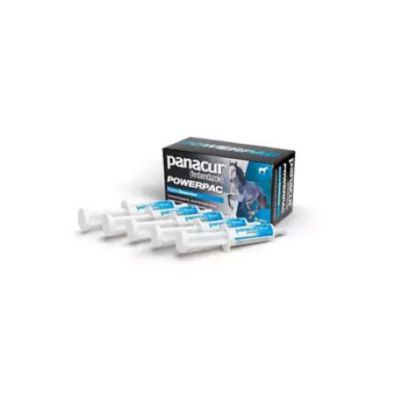
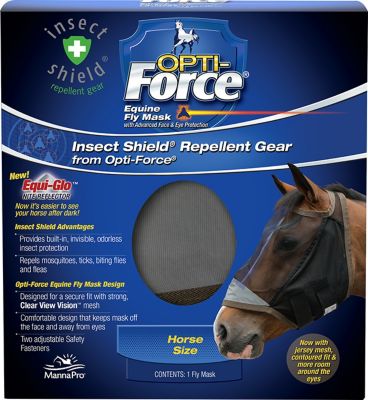
A sensible parasite-control program treats ivermectin paste as one tool in horse care, not a substitute for manure management, veterinary assessment or a plan tailored to the herd. Horses sharing a pasture do not necessarily shed the same number of parasite eggs, and treating every animal on the same fixed schedule can expose parasites to medication more often than necessary. Simply rotating dewormers without checking their effectiveness does not solve resistance. A veterinarian can help match treatment decisions to the horses, the property and the parasites of concern, including whether another active ingredient is needed. For owners of a single trail horse, that may mean keeping clear treatment records alongside vaccination and dental records. For a boarding barn or breeding operation, it may mean identifying each horse, recording its weight estimate and noting the medication and treatment date so the next caretaker is not left guessing. Horses that fight oral dosing, spit out paste or have trouble swallowing warrant a conversation with the veterinarian rather than an improvised repeat dose. Day-to-day care of the medication matters, too. Follow the storage conditions printed on the package, keep the cap and syringe intact, and store equine dewormers where children and other animals cannot reach them. Keep them separate from food, feed scoops and treats, and follow label directions and local requirements for disposal. Horse formulations should not be given to dogs, cats or other species without veterinary direction; some animals are particularly sensitive to ivermectin. Other everyday horse-care supplies, including
Fly Masks for Horses, serve a different purpose by helping shield the face and eyes from nuisance flies; they do not replace internal parasite treatment. Keeping those roles straight makes it easier to build a practical care setup without expecting one supply to do another’s job. When comparing ivermectin paste for horses, the strongest starting points are its approved equine use, parasite claims, weight-based dosing information and fit within the veterinarian’s plan. Those details matter far more than a familiar package or a habit carried over from the last horse in the barn.