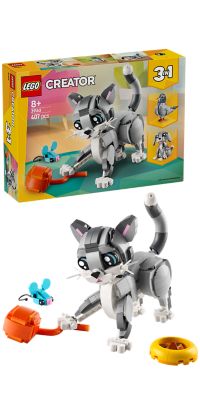
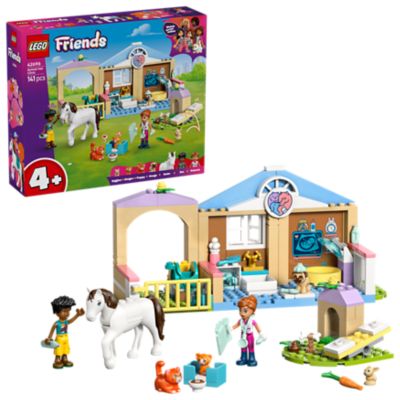
Flower and woodland building sets bring the shapes and small details of the garden and woods to the table, one piece at a time. A finished build might draw its character from layered petals, branching stems, leafy canopies, or little scenes that look like they belong along a walking trail. Part of the appeal is getting a closer look at familiar things: the way a bloom opens around its center, how a branch changes direction, or how several shades of green give a tree more depth. These sets offer a hands-on project without needing a whole workshop, and the finished result can earn a spot on a bookshelf, desk, or entry table. For someone who enjoys tending flower beds, watching wildlife, or spending time out on the land, the subject matter feels familiar even when the building process is brand-new. Different designs offer different kinds of satisfaction. Repeated petal shapes can give a floral build a steady rhythm, while a woodland scene may involve moving among trees, ground details, and small figures as the setting takes shape. Some builders enjoy following every step from the first piece to the last; others like adjusting an arrangement afterward, when the design allows it. Think about whether the fun lies mostly in putting the set together, playing with the finished scene, or finding just the right place to display it. That distinction matters more than choosing by appearance alone. A compact arrangement can suit a quiet evening at the kitchen table, while a larger scene may become a project to return to over several sittings. For families, there is also something enjoyable about passing the instructions back and forth and watching a recognizable shape emerge from a tray of loose parts. The pace does not have to be a race, and a small build can be just as rewarding as an elaborate one.
When comparing flower and woodland building sets, start with the recommended age range, assembly method, and finished dimensions. Piece count gives a rough sense of the work involved, but it does not tell the whole story. Lots of small, similar parts may take more patience than a larger build with easy-to-tell-apart sections. Narrow stems, tiny connectors, and closely spaced details can also call for a steadier hand, so consider the builder’s comfort with fine assembly rather than relying on age alone. Materials make a difference in both feel and care. Interlocking plastic pieces generally depend on matching connection points, while sets with wooden or other components may fit together in a different way. Check the material description and assembly directions instead of assuming every building system works alike. Pieces from separate systems are not necessarily compatible, even if they look similar in a photo. The footprint matters, too: a spreading tree canopy or wide flower arrangement may need more room than its base suggests. Measure the intended shelf or tabletop, including the space above it, before settling on a size. For a project that will stay out between building sessions, a shallow tray or cleared section of table helps keep loose parts together. Sorting similar pieces into small containers can save a fair amount of hunting, especially when several shades or connector shapes look nearly alike. Follow all age labels and safety warnings, and keep small parts away from young children and pets. Once the build is finished, support it underneath when moving it rather than lifting by a flower head or branch. Dust gently with a soft brush or cloth, and follow the maker’s cleaning directions before applying water or cleaners. A level surface and a spot away from busy elbows help protect delicate details. If the set will be taken apart later, keeping the instructions and storing pieces in a closed container makes the next building session easier.
The best match often comes down to the person who will spend time with the set and the space where it will land. A child who enjoys making up stories may appreciate a woodland setting with room for imaginative play, provided the design and age rating support that use. A teen or adult who likes puzzles, plants, or model building may be more interested in a detailed arrangement meant mainly for display. For a birthday, housewarming, or thank-you gift, consider both the building experience and what happens afterward. Someone with a crowded desk may welcome a smaller footprint, while a person who likes changing shelf arrangements may enjoy a design with sections that can be repositioned. Adjustable stems and movable elements, when included, can make it easier to find a pleasing balance without rebuilding the whole set. A gift does not need to be the largest option to feel thoughtful; matching the subject and level of detail to the recipient goes a long way. Shared builds work best when the instructions allow clear stopping points or separate sections, so one person is not left watching while another does all the assembly. Younger builders may appreciate help finding pieces, while an experienced builder may prefer an uninterrupted stretch to work through the finer details. Afterward, keep the display simple enough that the finished shapes can stand out. A plain shelf, a small side table, or a spot near books about plants and wildlife can give the scene a natural home. For a separate miniature setting beside a planter, explore
Fairy Garden Supplies and check each piece’s intended placement and scale. Building sets should remain indoors unless their instructions specifically allow another setting. Whether the finished project stays assembled or eventually goes back into its container, choosing around the builder’s interests, available space, and preferred pace makes the whole experience more satisfying.