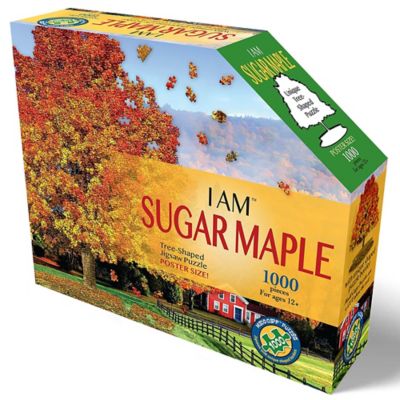
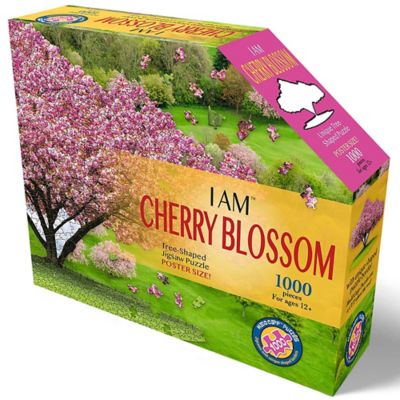
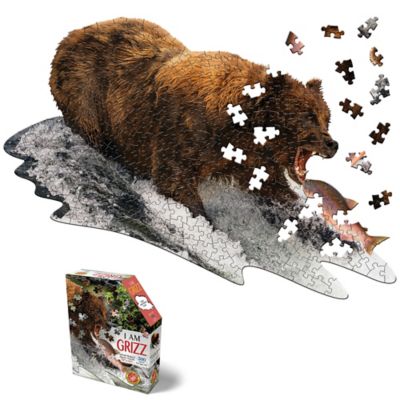
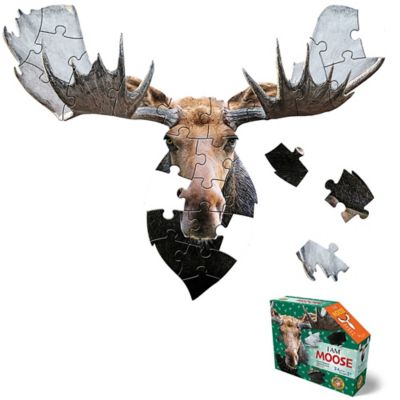
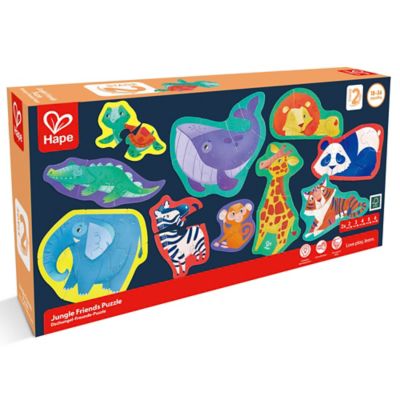
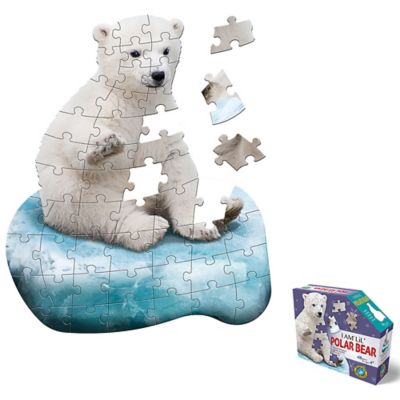
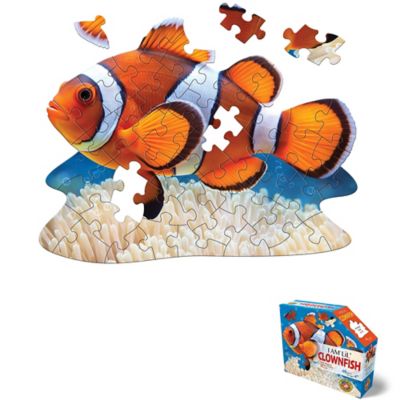
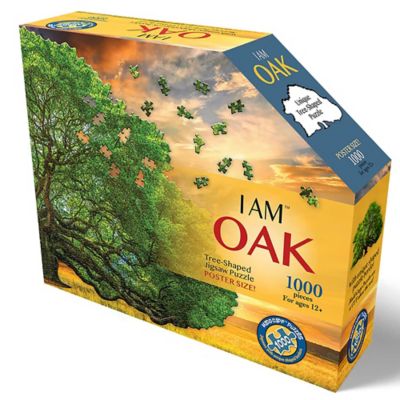
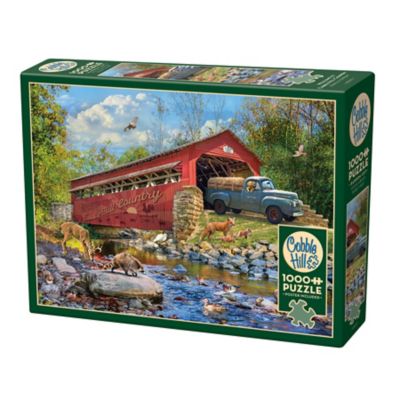
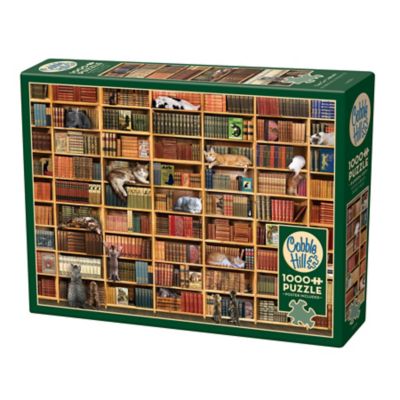
Tree and wildlife-shaped jigsaw puzzles bring nature to the puzzle table through animal outlines, branching tree silhouettes, and little shaped pieces tucked into a larger picture. A shaped puzzle has an outer edge that follows its subject rather than a standard rectangle, while a nature-themed rectangular puzzle may include animal-shaped pieces called whimsies. Some designs combine both features. That distinction matters when choosing between a puzzle that finishes in the outline of a deer or tree and one that reveals woodland creatures within a more traditional scene. Both approaches offer plenty to look at, from sweeping antlers and spreading branches to feather patterns, fur markings, and leafy canopies. The appeal goes beyond the picture on the box: an unexpected outline changes the way the puzzle comes together, making familiar subjects feel fresh without requiring an enormous piece count. For someone who enjoys watching birds along a fence line or spotting wildlife near the woods, the subject can be just as satisfying as the challenge. Tree and wildlife-shaped puzzles fit solo downtime, evenings around the kitchen table, and family activities where several people can work on different sections. They also make thoughtful gifts for nature lovers, bird-watchers, and puzzle fans who enjoy something beyond straight edges and four corners. A favorite animal is a good starting point, but the recipient’s patience, eyesight, hand comfort, and puzzle experience matter, too. Larger pieces may be easier to handle and inspect, while smaller pieces and closely related colors can call for more concentration. Age recommendations and small-parts warnings help distinguish children’s puzzles from adult puzzles, even when both feature friendly-looking critters. For shared puzzling, a scene with several recognizable areas gives each person a place to settle in, whether that means finding a bird’s wing, matching the bark along a trunk, or building out the curve of an animal’s back.
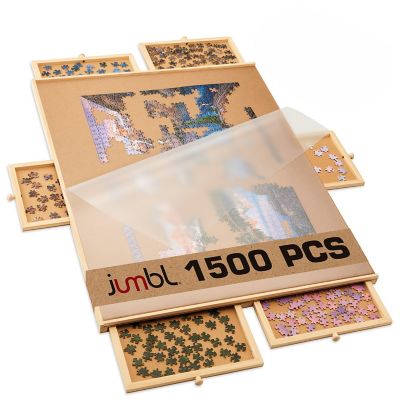
Materials and cutting style shape much of the hands-on experience. Cardboard jigsaw puzzles generally pair a printed image with a layered board backing, while wooden puzzles have a firmer feel and may feature intricate cuts, narrow connections, or shaped whimsies. Laser-cut wooden pieces can include detailed outlines that turn a tiny fox, leaf, or bird into a small discovery within the larger design. Neither material alone tells the whole story, though. Board thickness, the image surface, the cut pattern, and the shape of each connection all affect how a puzzle handles. A finish with less glare can make subtle color differences easier to see under a table lamp, while a smooth printed surface helps fine details stand out. Cardboard edges can bend or separate if pieces are forced together, and slender wooden sections can break under pressure, so a comfortable fit matters more than getting a piece into place quickly. Some connections fit snugly; others rest together more loosely and are best left flat rather than lifted as a joined section. Difficulty also depends on more than the number printed on the box. A tree canopy full of similar greens may take longer than a larger image with clearly separated colors. An animal silhouette can remove the familiar straight-edge starting point, and false edges or deeply curved cuts may send a puzzler back to the picture for another look. On the other hand, a distinct muzzle, tail, or branch tip can provide a helpful landmark. Finished dimensions deserve attention because a tall tree outline or wide set of antlers may need more table space than expected. The working area also needs room for sorting pieces outside the finished shape. For a household that shares one table for meals, homework, and hobbies, a puzzle board or suitably sized mat can make the space easier to manage between sessions.
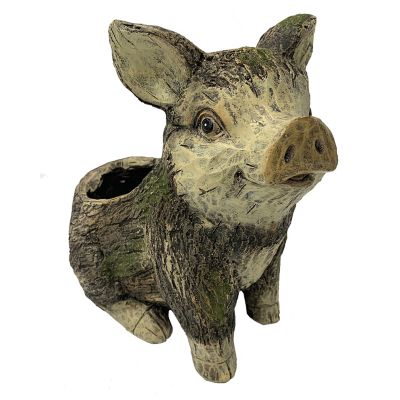
Care and storage help keep tree and wildlife-shaped jigsaw puzzles ready for another round. A clean, dry, level surface gives the pieces a steady place to rest and keeps crumbs or grit away from printed faces and exposed edges. Drinks belong beyond easy spilling distance, especially with cardboard pieces or wood that does not have a water-resistant finish. Cleaning needs are usually modest: a soft, dry cloth is a sensible starting point for loose dust, with the maker’s directions taking priority for any further care. Soaking, scrubbing, and household cleaners can harm artwork or change the fit of the pieces. Bright, even lighting makes bark textures, feather lines, and small differences in color easier to follow without leaning close to the table. In a busy home, keeping loose pieces away from pets and young children protects both the puzzle and the household; small pieces can be a swallowing hazard, and an interesting wooden shape may tempt a curious pet to chew. Between sessions, a cover or enclosed puzzle tray can help keep a half-finished scene together. After completion, taking the puzzle apart gently puts less strain on narrow tips and connections than pulling up whole sections at once. A closed box or resealable inner bag helps keep tiny whimsies from slipping away, and storing the picture with the pieces preserves a useful reference for the next person. Anyone planning to frame a finished puzzle should consider its irregular outline, the support behind it, and whether the material and finish are suitable for the chosen adhesive. Leaving the pieces unglued keeps the challenge ready to enjoy again or pass along as a gift. For a nature lover whose interests reach beyond the puzzle table,
Animal Shaped Planters carry that fondness for critters into a plant-filled corner. Whether the finished puzzle stays together for a while or goes back into its box, the draw is the same: familiar woodland shapes, a hands-on challenge, and the pleasure of seeing the whole scene come together one piece at a time.