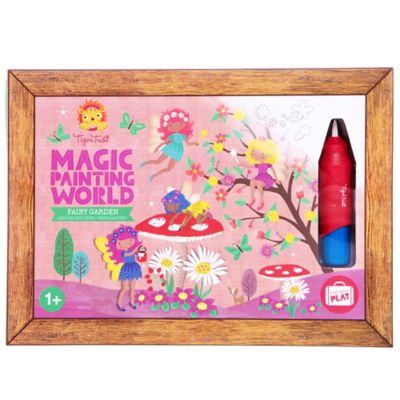
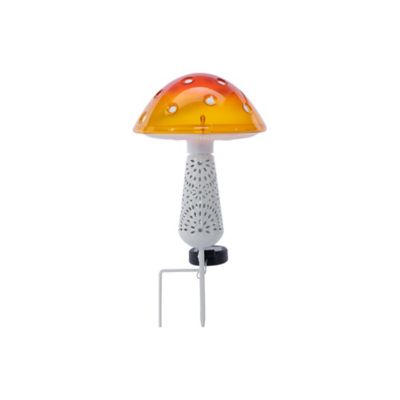
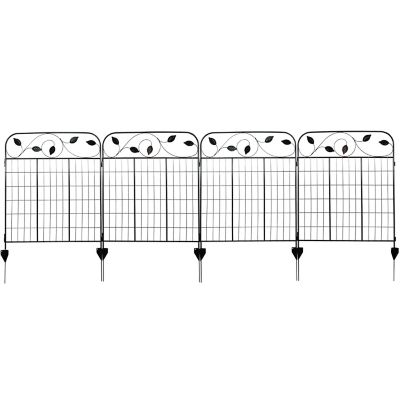
Fairy garden supplies turn a little patch of green into a place with a story, whether that means a tiny homestead tucked into a planter or a winding path beneath a leafy plant. The appeal is in the small details: a doorway that seems just big enough for an imaginary visitor, a fence that follows the edge of a planting, or a gathering spot nestled between stones. Miniature buildings, figures, landscape accents, and ground coverings help give these scenes shape without calling for a large garden or a complicated setup. A shallow container can hold a simple arrangement, while a roomy planter or dedicated garden bed leaves space for paths, planted areas, and little surprises. The setting can lean toward a woodland hideaway, a country cottage, or a make-believe farmstead, depending on the shapes and colors that catch your eye. Keeping a few details in the same style helps the whole scene feel connected, even when pieces come from different groups. Size matters more than having every feature match perfectly. A doorway, figure, and bench that look reasonably proportioned together will usually make a more convincing scene than a crowded collection with competing scales. Leaving some open ground gives those details room to stand out and makes tending nearby plants easier. Fairy garden supplies suit indoor plant displays, porch planters, and outdoor garden spaces when their intended placement matches the setting. They also offer a way to bring a bit of storytelling to a small patio or a quiet corner near the house. For a display viewed from a chair or walkway, larger shapes and a clear focal point are easier to notice. For a tabletop arrangement, the tiniest textures can be part of the fun. Thinking about where the scene will sit, how closely people will view it, and how much room plants need helps narrow the choices before the arrangement starts feeling crowded.
Materials make a difference in how fairy garden supplies look, feel, and hold up to everyday handling. Resin can capture fine surface details, ceramic brings a pottery-like finish, and stone adds weight and texture. Metal and wood offer their own character, though their care needs depend on the finish and construction. No single material tells the whole story, so check the stated indoor or outdoor use and any care directions rather than judging by appearance alone. A painted finish may need gentler cleaning than an unpainted stone surface, and thin projections or tiny attached parts deserve careful handling regardless of the main material. For displays with living plants, drainage is just as important as appearance. Containers need a suitable way to manage excess water, and miniature accents should not block drainage openings or make it difficult to reach the soil. Setting a small structure on a firm, level spot helps keep it from leaning as loose soil settles. A piece with a broad base may sit comfortably on a flat surface, while a stake-mounted accent needs enough soil depth to stay upright without interfering with roots. Check overall height, width, and base measurements, especially when fitting supplies beneath a plant canopy or inside a container with a narrow opening. Photographs alone can make miniature proportions hard to judge. Leaving room for fingers, a watering spout, and routine plant care saves a good deal of fuss later. Loose ground coverings need similar thought: choose a size that suits the scene, keep them clear of drainage openings, and avoid piling them against plant stems. For cleaning, follow the material’s care directions, brush away loose soil gently, and skip hard scrubbing on delicate finishes. Let cleaned pieces dry before putting them away. A little attention to placement and handling helps preserve the small details that make a fairy garden worth a closer look.
Living plants bring movement and texture to a miniature setting, but fairy garden supplies can also shape a plant-free display where watering and pruning are not part of the plan. For planted arrangements, choose greenery according to its light, water, and space needs first, then build the scene around it. Small leaves and a compact growth habit can help maintain the sense of scale, though even a little plant may eventually need trimming or more room. Grouping plants with similar care needs keeps one part of the container from receiving water that another part does not need. A clear watering spot also helps keep soil from splashing onto miniature details. Beside a kitchen plot,
Vegetable Garden Supplies can support the practical planting side while fairy garden supplies add a small storybook corner nearby. Keep nonfood accents separate from harvested crops, and follow any placement restrictions on their labels. These miniature settings can be a satisfying project for gardeners who enjoy close-up details, collectors who like arranging small scenes, or families spending time together around a planter. When children take part, adults can handle placement and check age guidance; small parts are not suitable for little ones who may put objects in their mouths. Keep loose pieces and pointed stakes out of reach of pets, too. As a gift, fairy garden supplies are a thoughtful fit for someone who enjoys plants, miniature landscapes, or country-inspired scenes. Consider the recipient’s available space and preferred level of upkeep: a compact indoor arrangement calls for different choices than a larger planted area. Matching the scale of an existing display is especially helpful when adding to someone’s collection. The best fit leaves room for the gardener’s own touch, whether that is a simple path through greenery or a tiny homestead with plenty of breathing room around it.