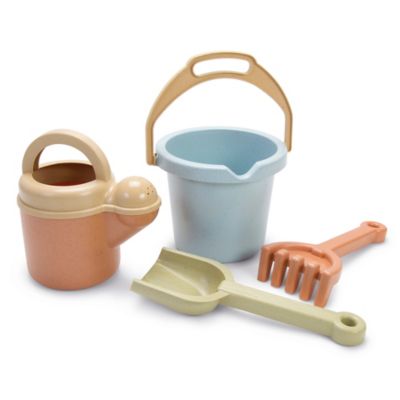
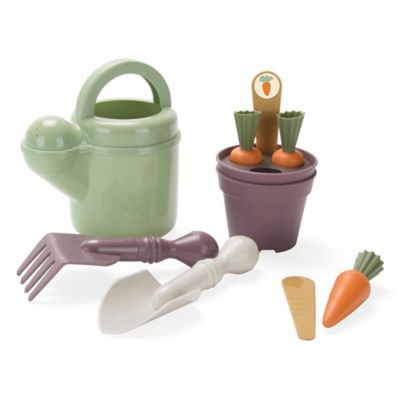
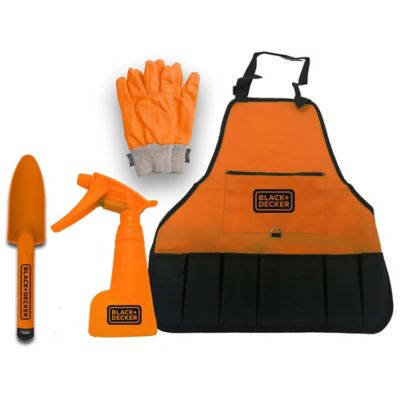
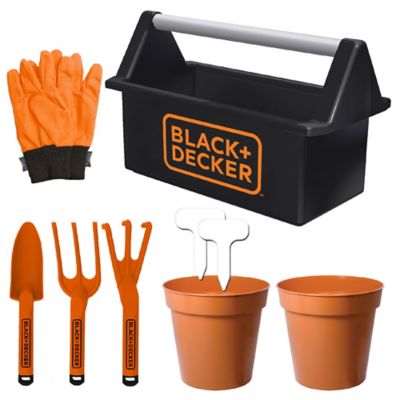
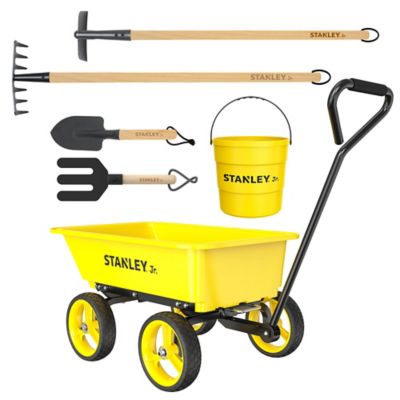
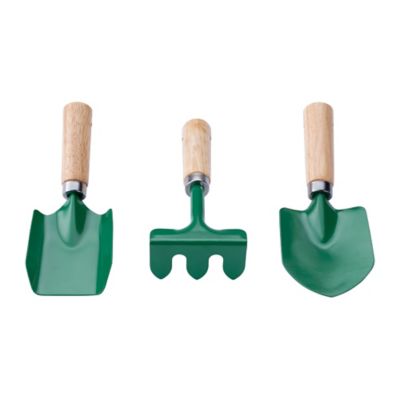
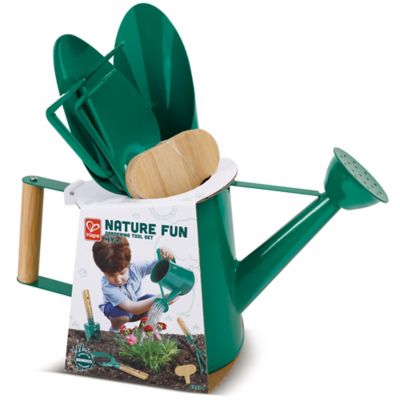
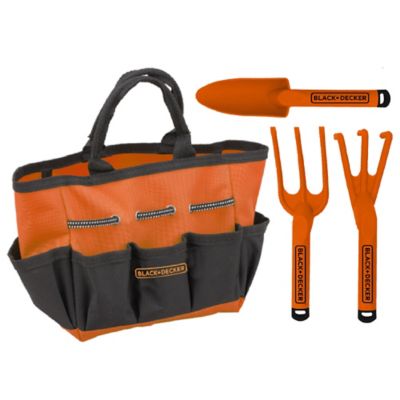
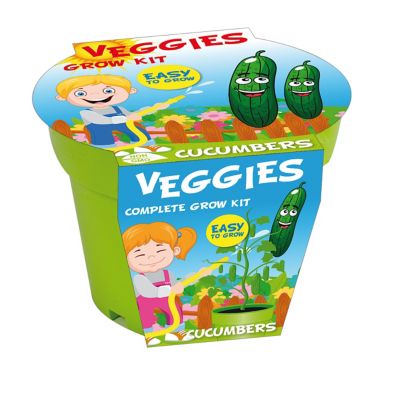
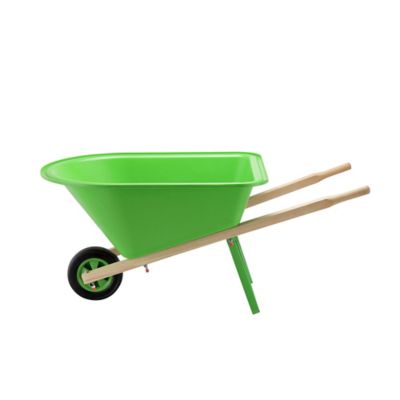
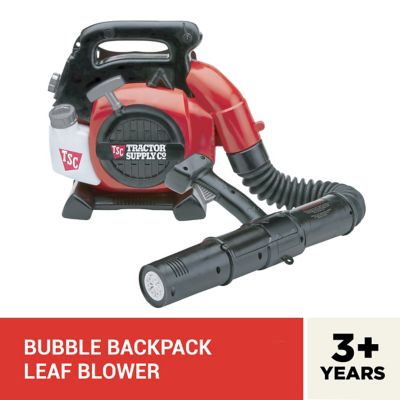
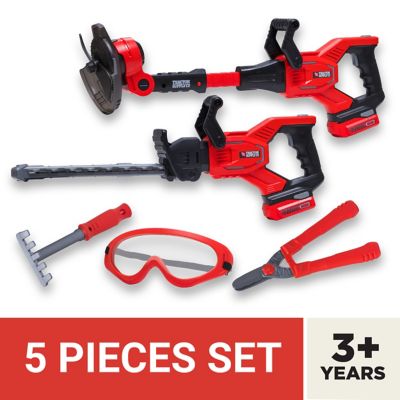
Children’s gardening sets make it easy for young helpers to get their hands in the soil and take part in everyday outdoor chores. A child-sized set may include a small shovel, hand trowel, cultivator, leaf rake, watering can, gloves, garden markers, planting cups, or a tote for carrying everything from the shed to the garden bed. These tools are sized for smaller hands, making it easier for children to scoop potting mix, loosen the surface of a planting bed, gather leaves, or water a row of seedlings without wrestling with full-size equipment. For families with a backyard garden, raised beds, porch planters, or a few containers near the kitchen door, a gardening set can turn ordinary tasks into hands-on time outside. Children can help fill pots, tuck seeds into the soil, label what was planted, and watch tiny green shoots appear as the seasons change. During the cooler months, these sets can still be useful for indoor planting projects, greenhouse chores, starting herbs in a sunny window, or tidying up containers before the weather warms. They also make thoughtful gifts for birthdays, holidays, young gardeners, and children who enjoy helping a parent, grandparent, neighbor, or teacher with outdoor projects. A simple set can offer plenty of room for discovery, whether a child is learning the difference between a seed and a bulb, practicing how much water a plant needs, or proudly carrying a handful of pulled weeds to the compost pile.
When choosing among children’s gardening sets, start with the child’s age, size, interests, and the kind of work they are most likely to do. Look for handles that are comfortable to grip and short enough for good control, along with tool heads made from sturdy metal, wood, or durable plastic. Rounded or blunt edges are a sensible choice for young gardeners, while strong connections between the handle and tool head can help a set hold up through repeated use. Protective work gloves sized for children can help keep hands cleaner and provide a little extra protection from rough soil, splinters, and prickly stems, though children should still be supervised around thorny plants, insects, garden chemicals, and any sharp equipment. A lightweight watering can is helpful for small plants, but it should be easy to lift when full; a smaller container may be more practical than a large one that becomes heavy and awkward. An organizer tote or garden caddy keeps the tools together and gives children a place to put them away after the work is done. Sets with planting cups, seed tubes, garden markers, or other simple accessories can add an educational side to the experience, helping children connect names, colors, textures, and growing habits with the plants in front of them. For families focused on lower-waste outdoor projects, look for durable pieces that can be used from one growing season to the next, and explore
Green Gardening Tools for more ways to make gardening a practical part of daily life.
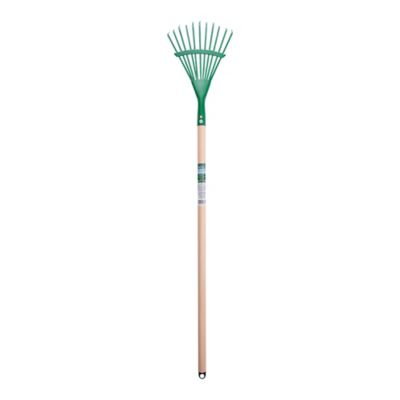
Children’s gardening sets can be used for much more than planting vegetables. Young helpers may use a hand rake to clear leaves from a container garden, a trowel to refresh soil around flowers, or a garden marker to identify herbs and seedlings. They can gather fallen leaves for mulch, help spread soil in a raised bed, or water plants under an adult’s direction. In a family garden, giving a child one small job—such as checking whether the soil feels dry or counting how many seedlings have emerged—can build confidence and encourage steady care. Gardening is also a useful way to slow down and notice the small details of the outdoors: the smell of damp earth, the rough skin of a sunflower stem, the first curl of a bean sprout, or the way earthworms move through rich soil. During early fall and the cooler months that follow, children can help collect seeds, clear spent plants, plant hardy flowers or bulbs where appropriate, and bring containers inside when needed. When the weather keeps everyone indoors, a tray, a little potting mix, and a sunny windowsill can create a small garden project without much space. Keep tools clean and dry after use, check them for loose parts or damage, and store them where children can reach their own equipment but not hazardous garden supplies. With the right fit and a little guidance, a children’s gardening set becomes a useful collection of tools for backyard chores, school projects, family time, and memorable gifts that encourage curiosity long after the first planting.