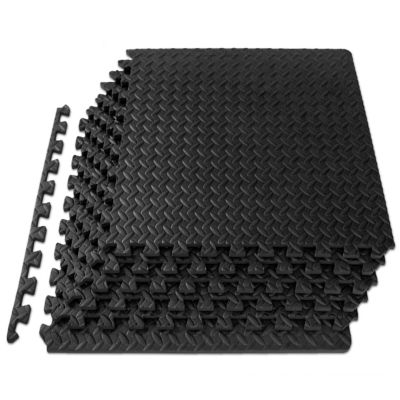
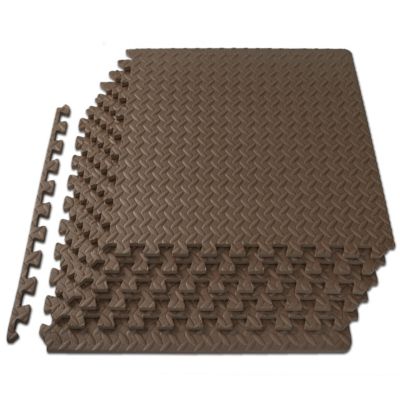
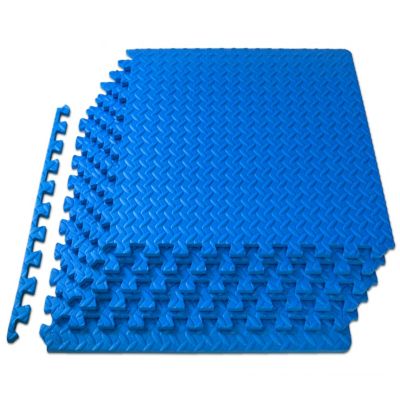
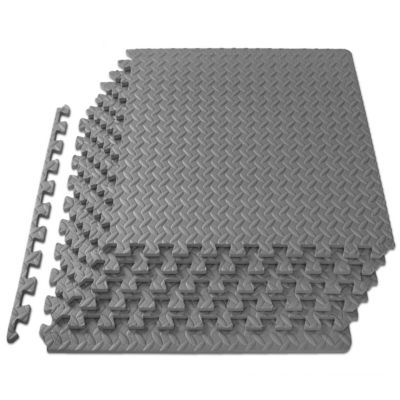
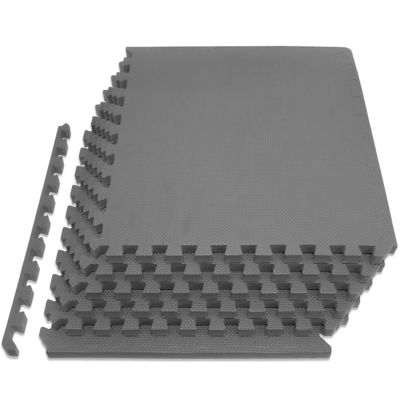
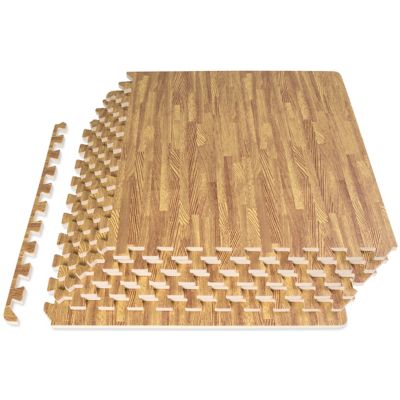
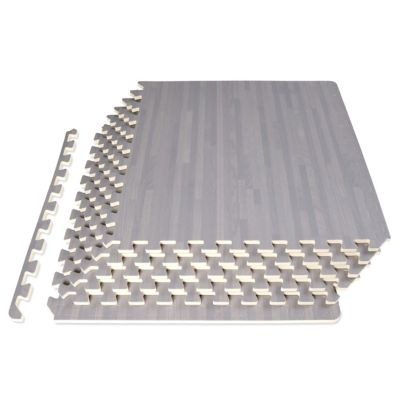
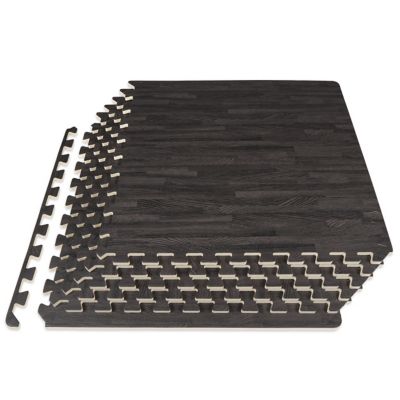
Home gym flooring puts a practical layer between a workout and the floor underneath, whether the space is a garage bay, a basement corner or a spare room with a weight bench. Rubber is a strong all-around choice for many home gyms because it provides a firm surface, absorbs some impact and helps protect the underlying floor from everyday exercise equipment and foot traffic. It can also soften equipment noise, though no mat can completely stop vibration from traveling through a building. Different materials suit different routines. Dense rubber generally works well around free weights and strength equipment, while lightweight EVA foam provides a softer surface for stretching, floor exercises and play spaces that share room with a workout area. That extra softness comes with trade-offs: foam can compress beneath machine feet, separate during sideways movements or develop dents under concentrated loads. For lifting, a firm, stable surface matters more than a plush feel. Options within
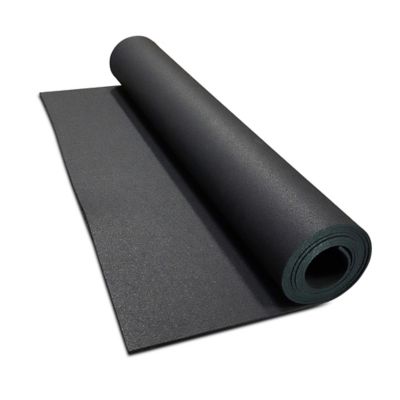
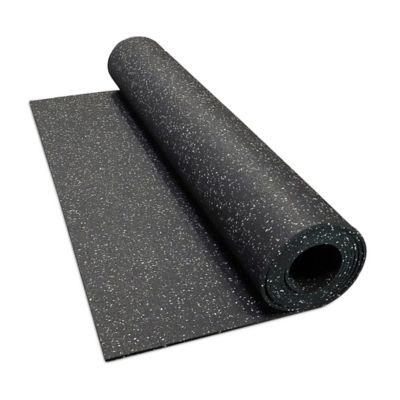
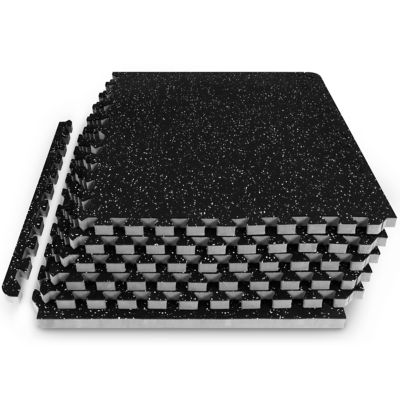
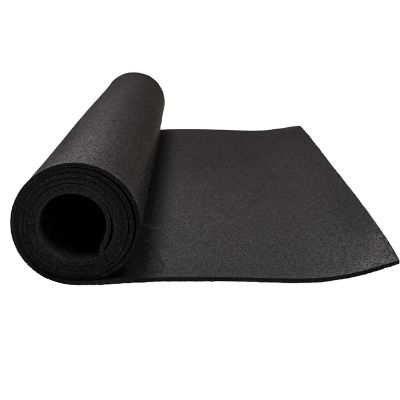
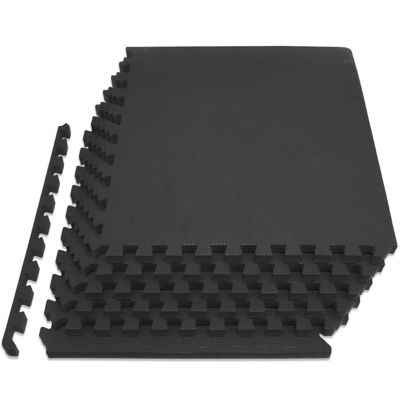
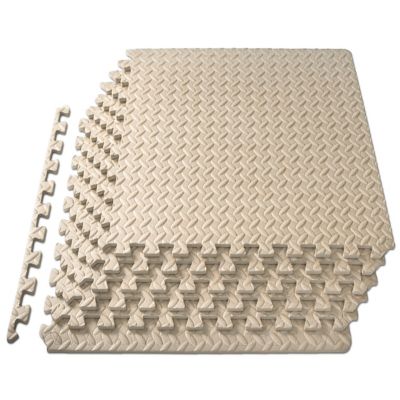
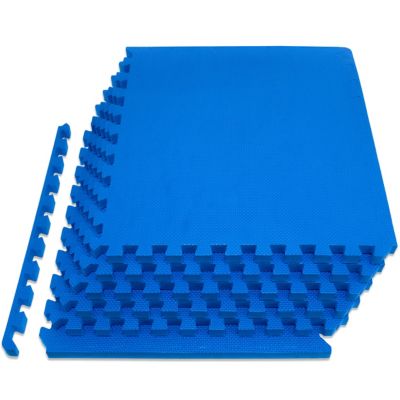
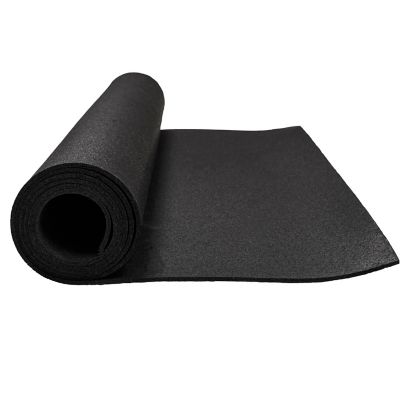
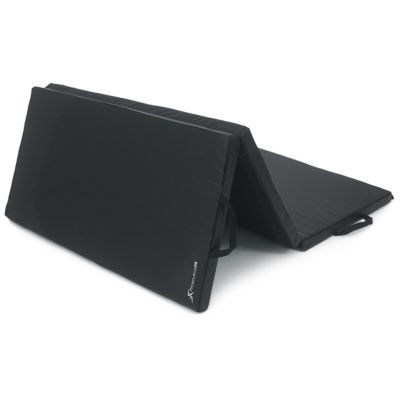
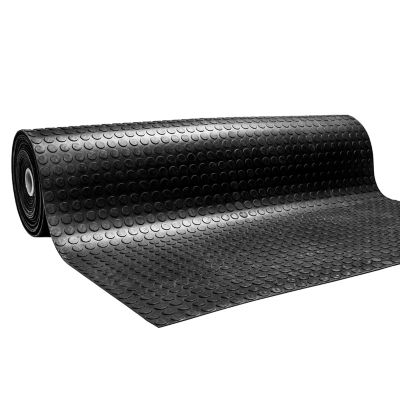
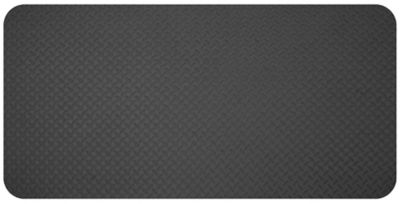
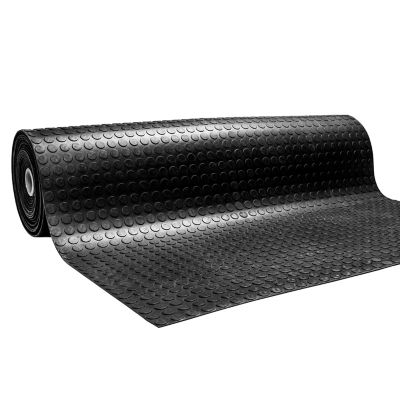
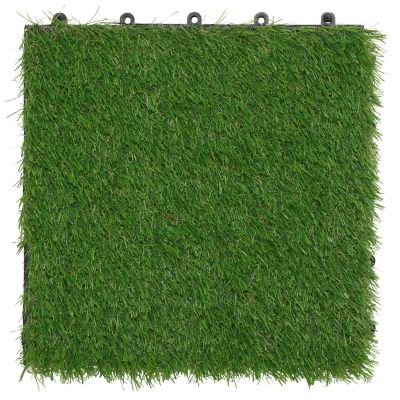
rubber flooring include mats, interlocking tiles and rolls, each with a different fit for the room. Mats create a defined workout spot without covering every square foot. Tiles make it easier to work around corners and expand an exercise area, while rolls cover larger stretches with fewer seams. Surface texture matters, too. A lightly textured finish can help with traction, but deep grooves may feel distracting during push-ups or make small equipment harder to roll. Rubber made for fitness spaces may contain recycled material, and its composition can affect scent, density and surface feel. Thick rubber stall mats also draw interest for garage gyms, but an agricultural mat is not automatically suitable for every indoor setting. Manufacturer guidance on intended use, ventilation and contact with the underlying floor matters, especially in a room connected to living spaces. The right material fits the workout rather than simply looking substantial.
Thickness is part of that fit, but it is not the whole story. Rubber around 8 millimeters to 3/8 inch thick is a common consideration for general exercise, light dumbbell work and areas beneath cardio equipment, provided the flooring manufacturer supports those uses. Thicker rubber, including 1/2- to 3/4-inch material, may offer more cushioning and floor protection in heavier lifting areas. Density, construction, the weight involved and how that weight reaches the floor all affect performance. A barbell set down under control places a different demand on flooring than one released from overhead. No thickness alone makes repeated weight drops safe for a concrete slab, wood floor or upstairs room; heavy lifting may call for a purpose-built platform and an assessment of the building’s load capacity. Beneath a rack or bench, flooring needs to stay firm enough that equipment does not rock or sink unevenly. Beneath a treadmill, the equipment maker’s requirements for clearance, leveling and mat placement still apply. Room fit deserves the same attention as exercise fit. A full-size garage gym has different needs than a narrow strip beside a workbench, and the usable area includes room to step off a machine, carry dumbbells and move around a bench. Door swings, thresholds and transitions to bare flooring can determine whether a thicker mat works in a particular spot. Interlocking edges need room to lie flat, and exposed edges should not create a catch point where someone enters the space. A smooth, stable base helps keep seams aligned and equipment level. Soft carpet can allow flooring and machines to shift, while uneven concrete can leave unsupported spots beneath a mat. Existing vinyl, finished wood and other surfaces may also need a manufacturer-approved barrier because some rubber materials can leave marks or discoloration. In a basement, moisture conditions beneath the flooring deserve attention before a large area gets covered.
Everyday care is another part of choosing flooring for a home gym, especially when the workout area shares space with tools, storage shelves or a busy household. Fine grit tracked in from a driveway can collect in textured surfaces and work into seams, so flooring that sweeps or vacuums easily is handy in a garage. Most rubber surfaces benefit from regular removal of loose dirt and occasional cleaning with a compatible, mild cleaner and a well-wrung mop. Cleaning directions vary by material; harsh solvents, oily treatments and products that leave a slick film can damage some surfaces or reduce traction. Sweat and drink spills need attention before they sit beneath equipment or seep between tiles. Water-resistant flooring does not necessarily create a waterproof floor, particularly where seams, wall edges and doorways remain open. Allowing the surface and the area beneath removable mats to dry helps keep the space easier to maintain. Wear often shows up where a bench gets dragged, a machine foot presses into one spot or weights repeatedly land along the same edge. Lifting equipment rather than pulling it across the floor, keeping sharp metal edges away from the surface and checking for curling corners can help the flooring hold up through regular workouts. Modular tiles offer the practical benefit of replacing a damaged section without taking up the entire floor, while larger mats have fewer joints to monitor within a small lifting area. Households with several people sharing the gym may value a layout that leaves clear walking paths and separates floor exercises from moving equipment. Someone stretching beside a stationary bike needs a different amount of open space than someone carrying a loaded bar toward a rack. Flooring that stays flat, provides suitable footing and matches the equipment helps the room feel settled and ready for regular use. From a simple exercise corner to a dedicated lifting room, the most useful home gym flooring balances support, surface protection, manageable upkeep and enough room to move comfortably.