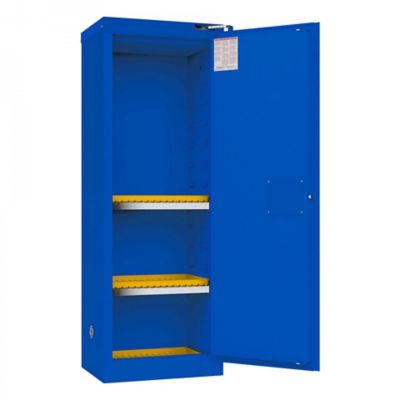
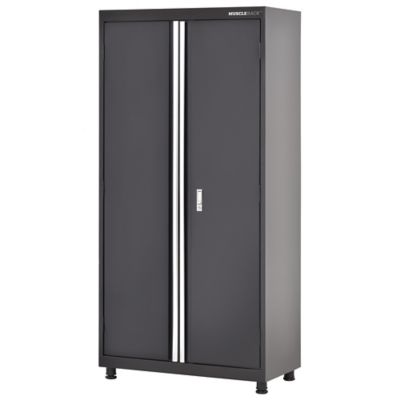
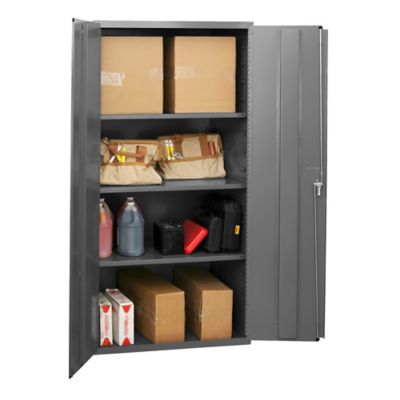
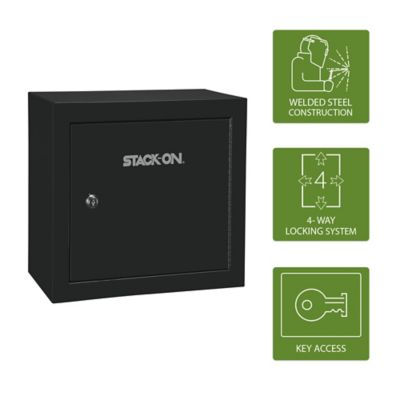
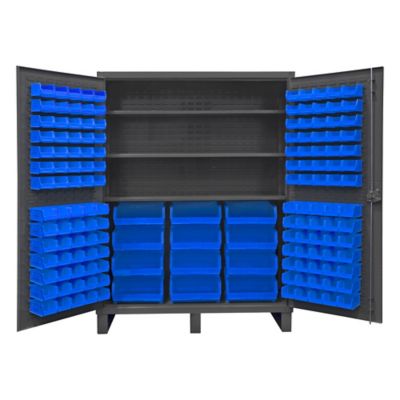
Flammable Liquid Storage Cabinets
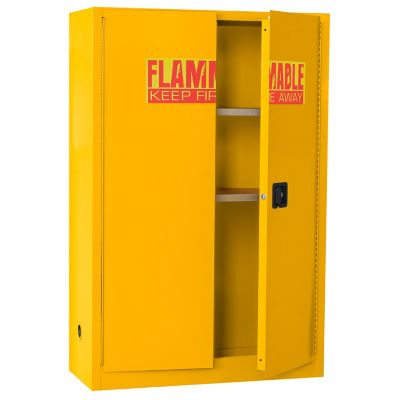
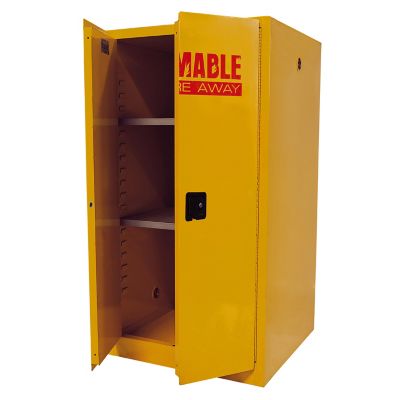
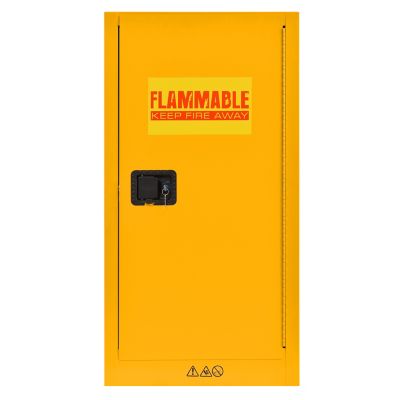
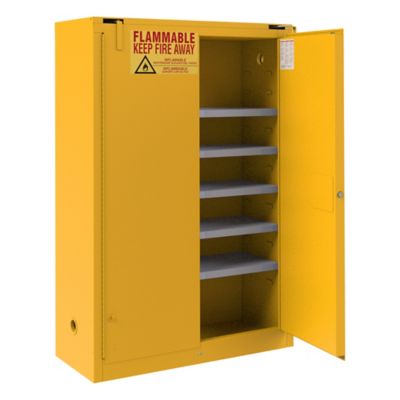
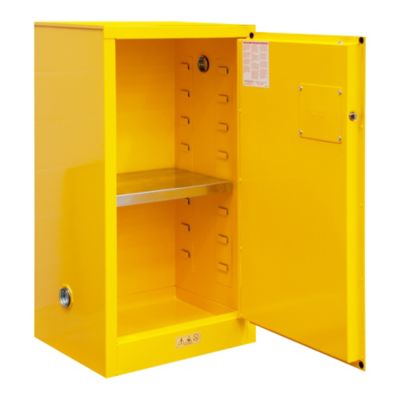
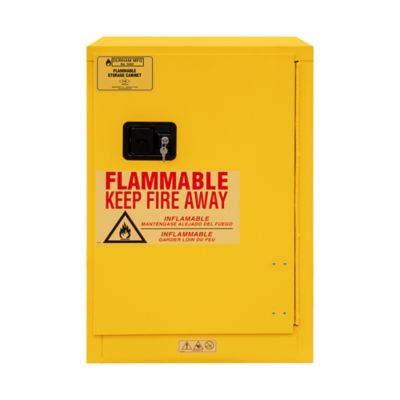
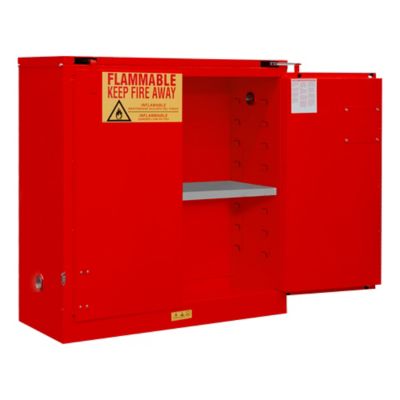
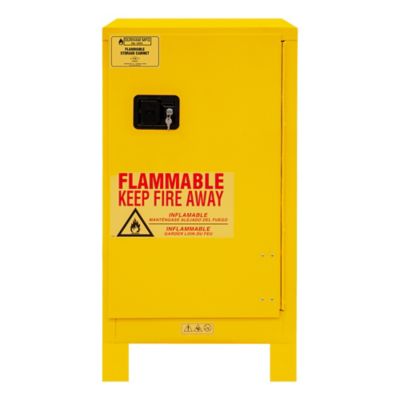
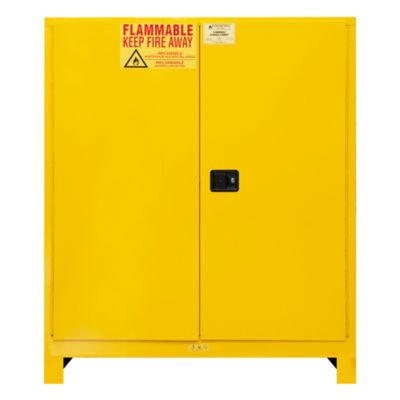
Flammable Liquid Storage Cabinets are a must-have for keeping your workspaces safer and more organized when dealing with fuels, solvents, or other flammable materials. Whether you’re running a busy farm, managing a workshop, or just tackling projects out in the barn, these cabinets help keep things tidy and give you peace of mind. With sturdy construction and practical designs made for rural life, Flammable Liquid Storage Cabinets make it easier to store hazardous liquids securely and meet safety needs around the homestead.
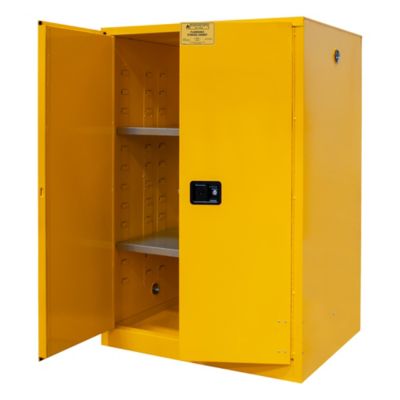
$1,799
.99
Sale Was $2,099.99 Save $300.00 (14%)
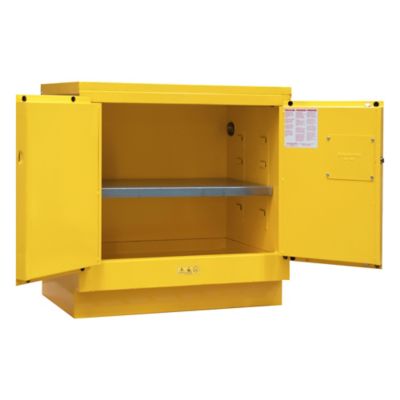
$854
.99
Sale Was $999.99 Save $145.00 (15%)
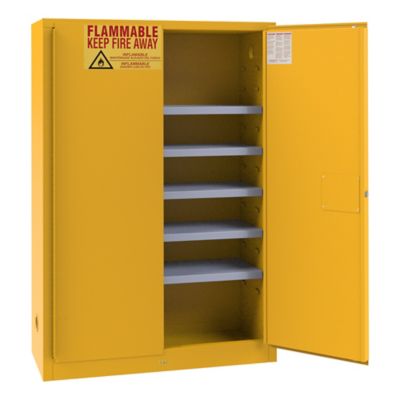
$1,439
.99
Sale Was $1,699.99 Save $260.00 (15%)
$1,169
.99
Sale Was $1,299.99 Save $130.00 (10%)
$539
.99
Sale Was $599.99 Save $60.00 (10%)
$1,619
.99
Sale Was $1,899.99 Save $280.00 (15%)
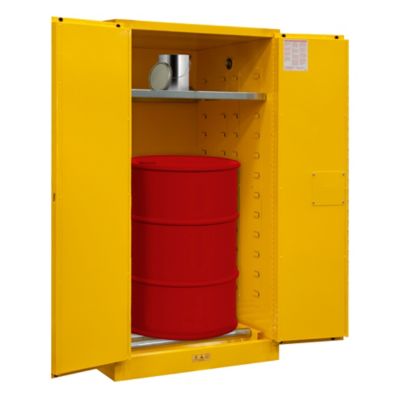
$1,799
.99
Sale Was $2,099.99 Save $300.00 (14%)
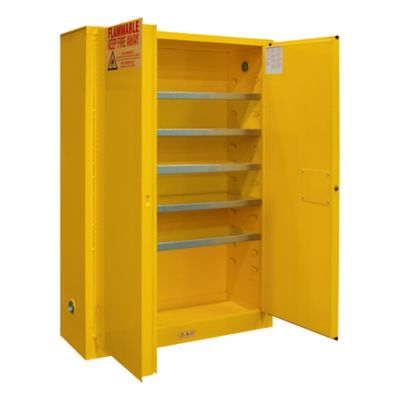
$1,259
.99
Sale Was $1,499.99 Save $240.00 (16%)
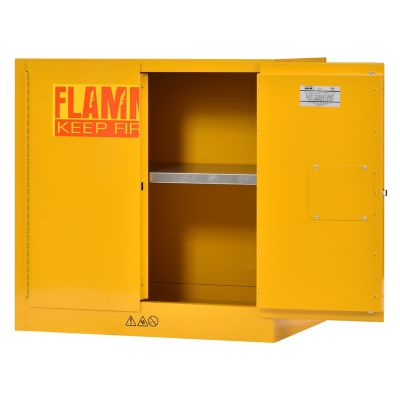
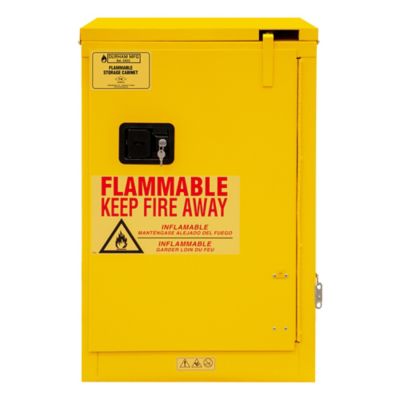
$584
.99
Sale Was $699.99 Save $115.00 (16%)
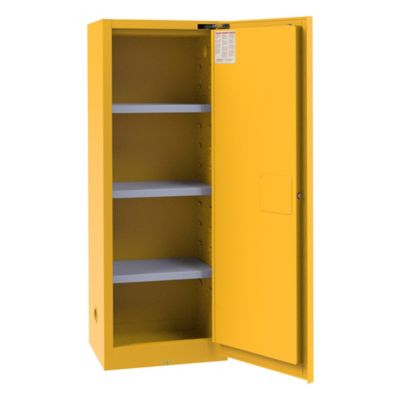
$989
.99
Sale Was $1,199.99 Save $210.00 (18%)
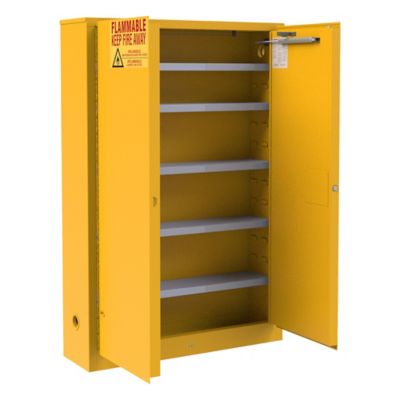
$1,349
.99
Sale Was $1,599.99 Save $250.00 (16%)
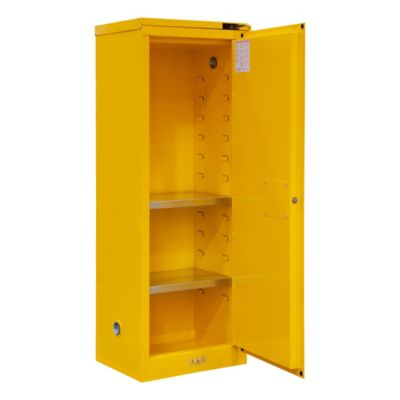
$1,079
.99
Sale Was $1,299.99 Save $220.00 (17%)
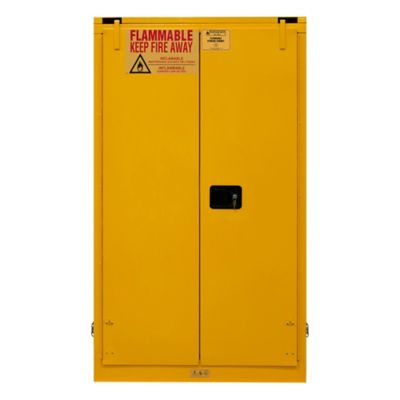
$1,619
.99
Sale Was $1,899.99 Save $280.00 (15%)
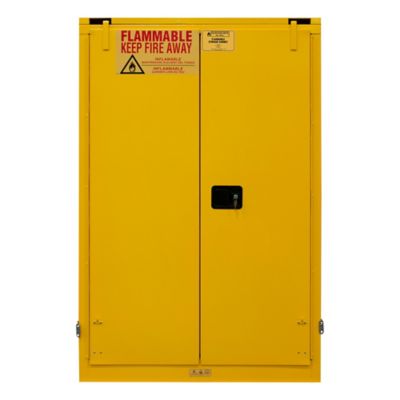
$1,439
.99
Sale Was $1,699.99 Save $260.00 (15%)
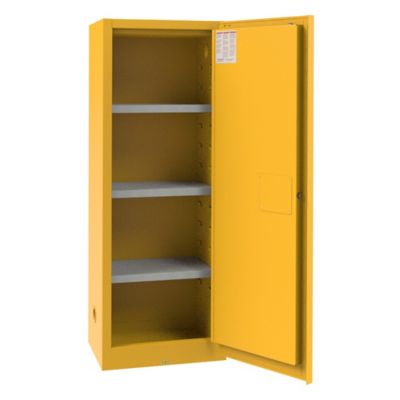
$899
.99
Sale Was $1,099.99 Save $200.00 (18%)
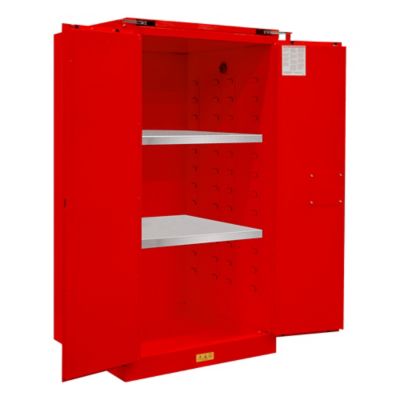
$1,619
.99
Sale Was $1,899.99 Save $280.00 (15%)
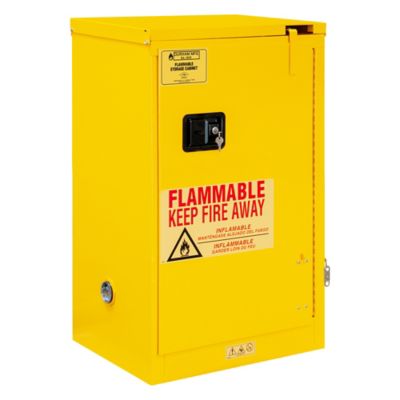
$719
.99
Sale Was $849.99 Save $130.00 (15%)
$674
.99
Sale Was $799.99 Save $125.00 (16%)
$539
.99
Sale Was $649.99 Save $110.00 (17%)
$1,079
.99
Sale Was $1,299.99 Save $220.00 (17%)
$719
.99
Sale Was $849.99 Save $130.00 (15%)
$2,339
.99
Sale Was $2,799.99 Save $460.00 (16%)
Flammable Liquid Storage Cabinets
Best Sellers
-
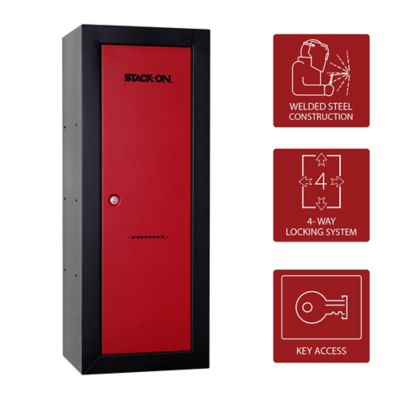
"Great value, after comparing with others in this price range, the features of this safe were clearly"
-
"OUTSTANDING UNIT fit and finish is outstanding very heavy duty and looks great and the push button to"
-
"pretty good bit inside of it as well, it just helps to keep things in my home nice and tidy which I love"
-
"love this cabinet, I would say the best you will get for the price"
-
"OUTSTANDING UNIT fit and finish is outstanding very heavy duty and looks great and the push button to"