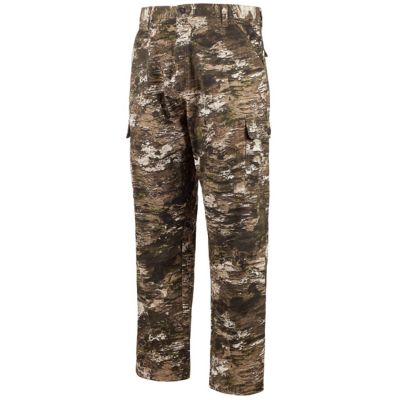
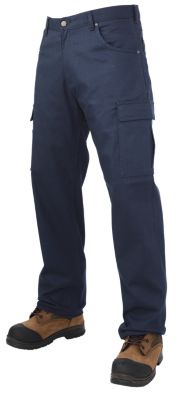
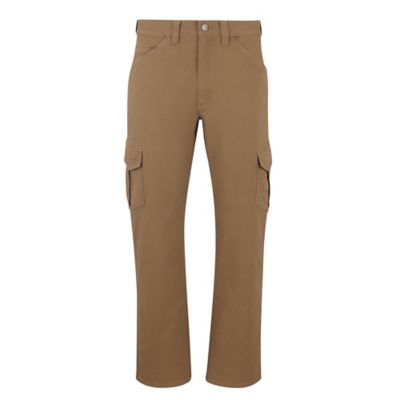
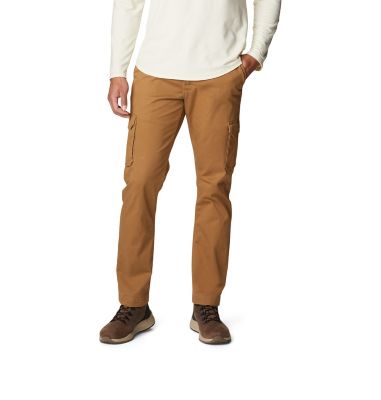
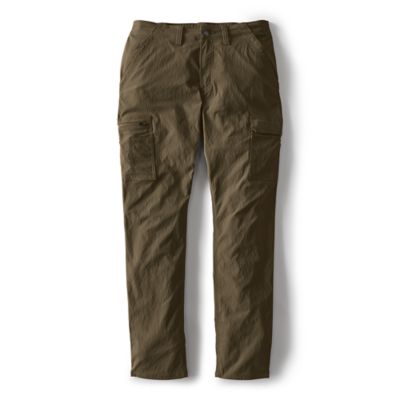
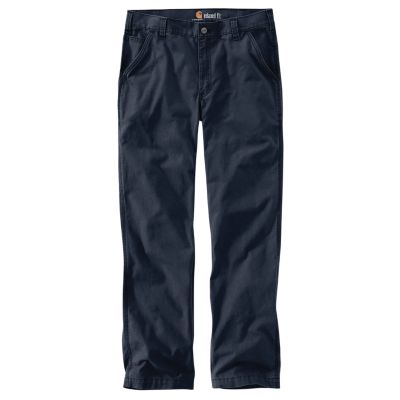
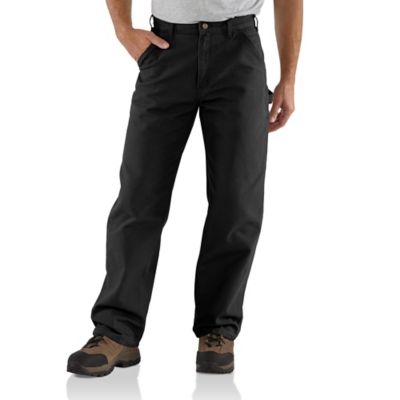
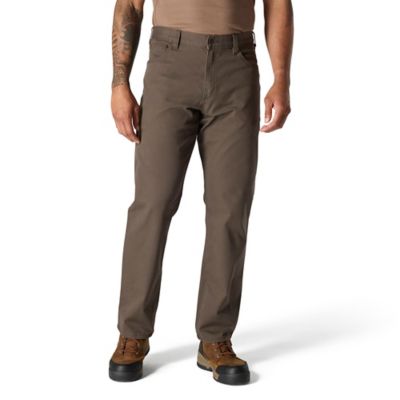
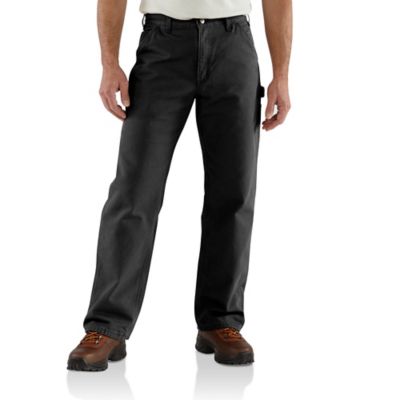
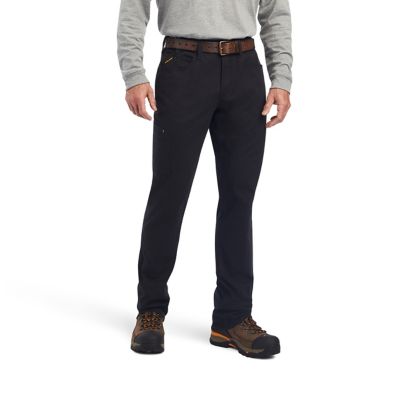
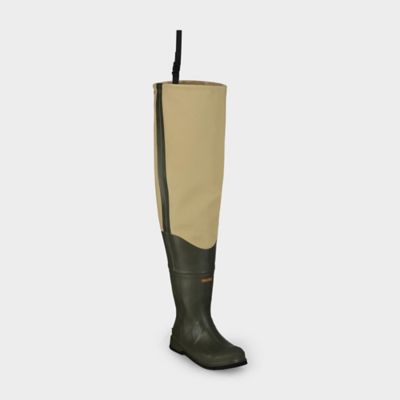
Cargo pants for fishermen bring together easy movement, practical storage, and fabrics that suit time around the water. Whether the day means casting from a farm pond bank, working along a creek, or settling into a boat seat, the right pair keeps small essentials close without getting in the way. Useful features include quick-drying fabric, a comfortable waistband, room through the seat and thighs, and pockets that hold their contents when bending or crouching. Nylon and polyester blends often shed moisture and dry faster than heavier cotton fabrics, though performance depends on the weave, fabric weight, and finish. A little spandex or elastane adds give when stepping over a fallen limb or reaching down to land a fish. Cotton blends offer a familiar feel and can make sense for bank fishing or days that move between chores and the tackle box. Ripstop fabric has a grid of reinforcing threads intended to help limit the spread of small tears, while canvas offers a more substantial feel for contact with rough ground and brush. Neither fabric name tells the whole story; seam construction, pocket reinforcement, and freedom of movement matter just as much. Water-repellent finishes can help light splashes bead on the surface, but they do not make pants waterproof or take the place of waders. Moisture-wicking fabric moves moisture away from the skin, while quick-drying fabric releases moisture readily; those are related benefits, not interchangeable promises. For anglers who spend much of a trip seated, a smooth interior and seams that do not bunch behind the knees can matter more than a long list of technical features. Fishing cargo pants work best when their construction matches the way someone actually fishes, from a short walk to a familiar fishing hole to hours of casting, kneeling, and handling gear. They also fit naturally into the rest of a country day, with enough everyday practicality for loading the truck, tending a few chores, and heading down to the water afterward.
Pocket layout is a big part of what separates fishing cargo pants from ordinary pants, but more pockets do not automatically mean a better fishing setup. A roomy thigh pocket can hold a small, closed tackle organizer, while a narrower pocket may suit a line spool or compact tool in a protective sheath. Pocket depth, opening width, and placement all affect how comfortably that gear rides. A pocket that sits directly against the knee can become bothersome during a long stretch in a low boat seat, and an overfilled side pocket may swing against the leg on the walk back to the truck. Flaps help cover openings, zippers provide closure, and snaps can be straightforward to fasten, though any closure needs to be fully secured to do its job. Smooth pocket edges and covered fasteners can also reduce places where loose fishing line might catch. Hooks and exposed blades belong in appropriate containers or sheaths rather than loose against pocket fabric. Reinforcement at pocket corners is worth attention because those areas take repeated strain from reaching, carrying, and clipping on tools. Storage works better when it is spread sensibly, with only the smaller essentials riding in the pants. Pairing that pocket space with
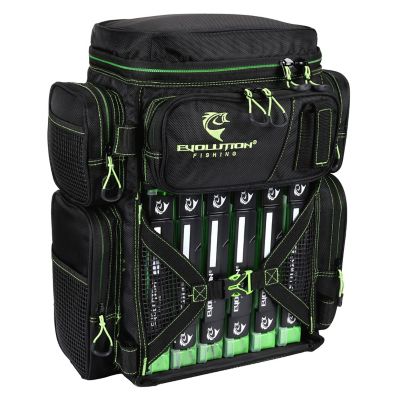
Fisherman Backpacks gives tackle boxes, spare line, and other larger gear a separate place, leaving the legs less weighed down. Fit matters just as much as storage: a relaxed cut provides room through the thighs, while a straighter leg can keep excess fabric from gathering around footwear. A gusseted crotch adds fabric at a common stress point and can allow a longer stride without pulling at the seams. Shaped knees help the leg bend more naturally, and stretch panels or stretch woven fabric can make crouching beside the bank easier. A waistband should stay put when reaching without digging in while seated. Belt loops, adjustable waist features, and the rise of the pants all influence that balance, especially with a few small essentials in the pockets.
Long-term wear depends on more than fabric thickness. Firm stitching, reinforced stress points, sound zipper construction, and hems that clear the ground all help cargo pants stand up to repeated trips. Double-layer knees can add protection against abrasion when kneeling on a dock or gravel bank, although extra layers also add weight and may take longer to dry. A lighter fabric can feel less restrictive during a long walk, while a heavier weave may be a better match for rough banks and brushy paths. The trade-off is personal rather than one-size-fits-all. Someone fishing from a kayak may put seated comfort, low-profile pockets, and flexible knees first; someone walking fence lines to reach a pond may care more about abrasion resistance and room to step over obstacles. Inseam length deserves attention, too, since excess fabric can bunch over boots or drag along the ground. Pants should allow a full squat and an easy step up without the waistband pulling sharply or the cuffs catching under a heel. For care, the garment label is the starting point, especially when fabric has stretch fibers or a water-repellent treatment. Emptying pockets, brushing away loose grit, and closing fasteners before washing helps keep tackle remnants and abrasive dirt out of the laundry. Mud and fish residue are easier to address before they settle into the fabric, with cleaning methods suited to the care directions. High heat, bleach, and fabric softeners can interfere with some fibers or finishes, so washing and drying instructions deserve a closer look than an ordinary chore-day habit might allow. Pants should be clean and fully dry before being put away, and a loose seam is easier to mend before it opens further. For a fisherman who spends plenty of time outdoors, cargo pants can also make a practical gift when the waist size, inseam, and preferred fit are known. Familiar measurements and the recipient’s usual fishing routine are better starting points than guessing at extra features. A well-matched pair earns its place through comfortable movement, sensible storage, and the ability to handle the ordinary scrapes and messes that come with getting a line in the water.