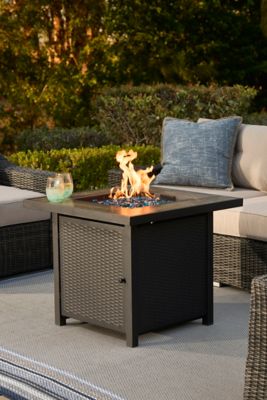
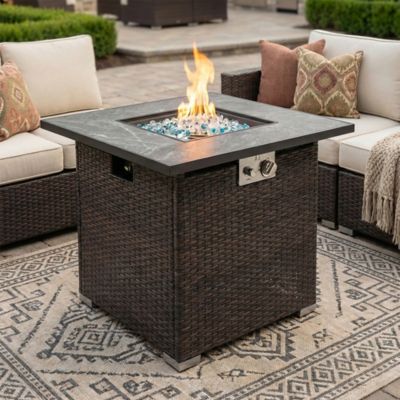
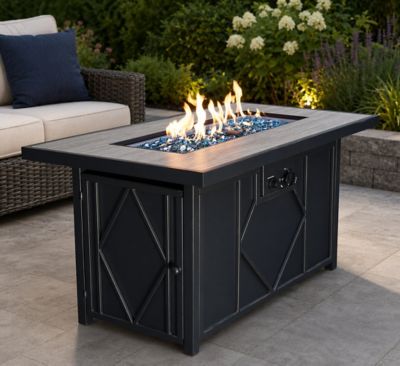
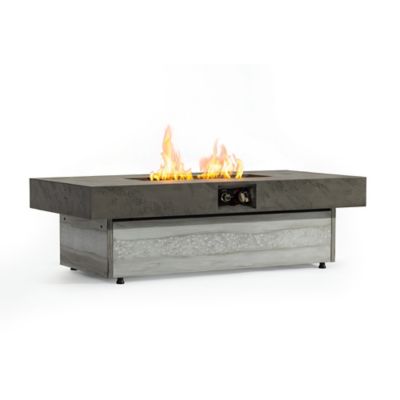
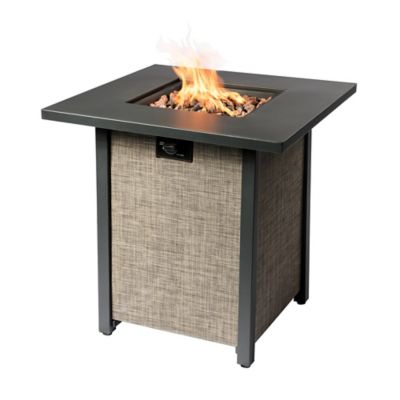
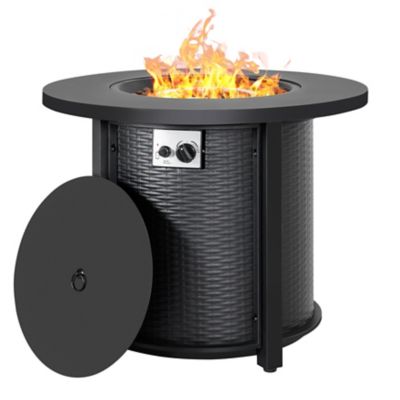
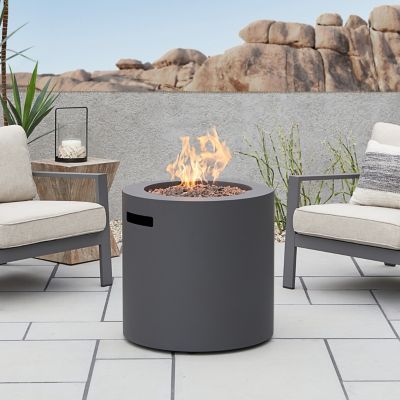
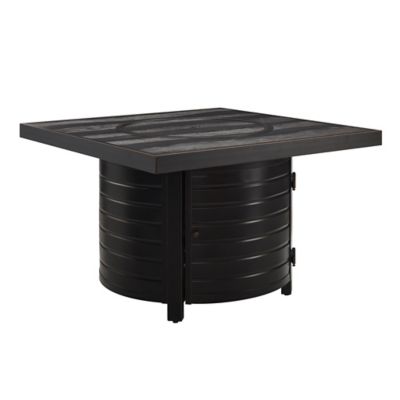
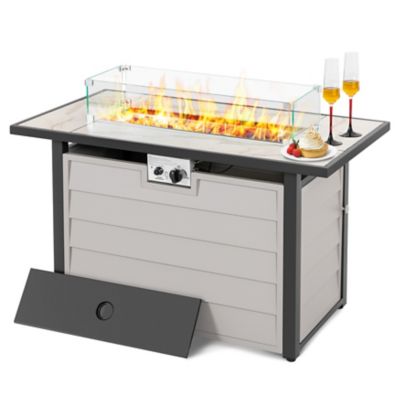
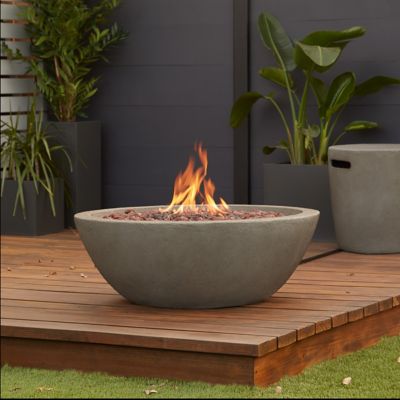
Fire pits with glass rocks are gas-burning fire features with heat-resistant glass pieces arranged around an approved burner. Often called fire glass, these pieces reflect the flames and cover parts of the burner assembly, giving the fire bed a finished look without a stack of logs. The glass itself does not burn; propane or natural gas supplies the flame. Fire glass is made specifically for compatible fire features, and ordinary glass stones, aquarium gravel, and landscaping rocks are not substitutes. Tempered glass pieces are a common option, with shapes ranging from rounded beads to angular chips. Clear glass lets the burner bed show through, while blue, amber, black, and reflective finishes bring different colors and shine to the gathering spot. Reflective pieces catch the movement of the flame, while nonreflective glass tends to have a quieter appearance. Piece size matters, too: smaller chips create a finer-looking surface, and larger pieces give the fire bed a chunkier texture. The right choice depends on the burner’s approved media sizes and depth, not appearance alone. Some fire pits permit a specified base material beneath a layer of glass, while others call for a different arrangement, so the manufacturer’s instructions determine what belongs in the bowl. Glass weight also varies with the size and depth of the burner pan; matching that space matters more than judging by the overall width of the table. Compared with a wood-burning setup, a properly operating gas fire pit offers a flame without wood ash or flying wood embers, although burner problems can still lead to soot. That makes this style appealing for folks who want a place to pull up a chair after chores without carrying a load of firewood across the yard. The glass adds sparkle, but the burner, fuel supply, and fire pit design do the work of producing heat. Glass color alone does not determine heat output, and a taller-looking flame does not necessarily mean a better fit for the space.
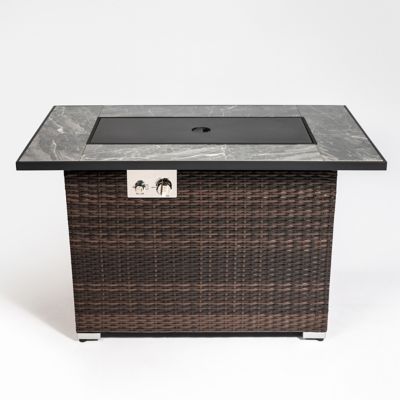
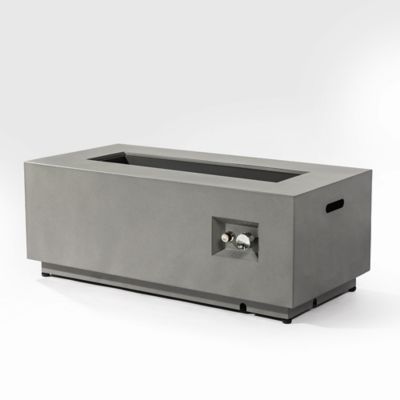
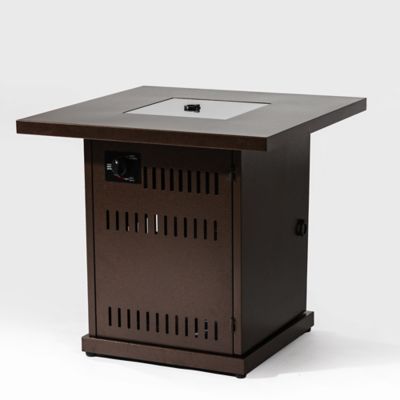
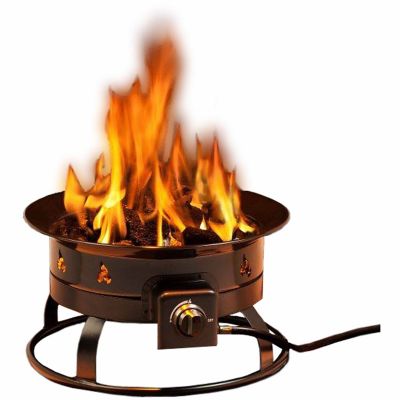
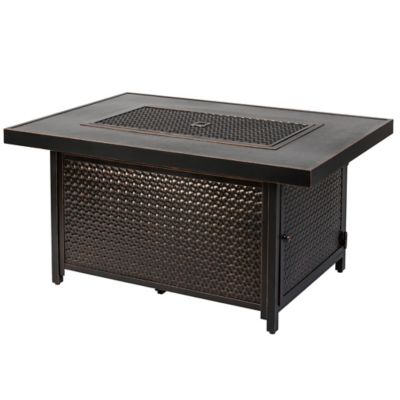
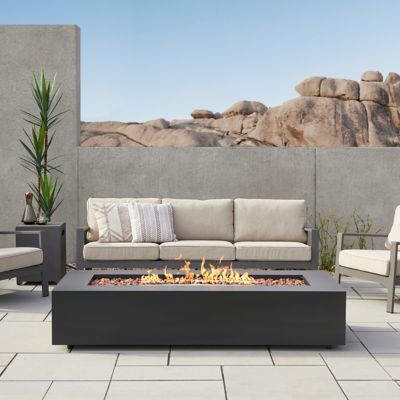
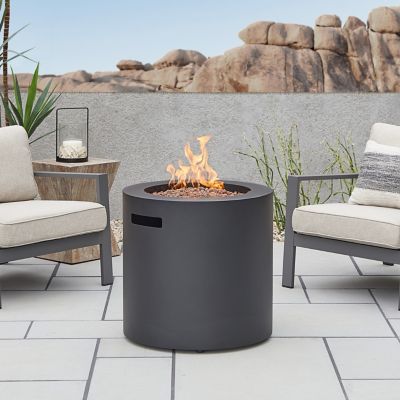
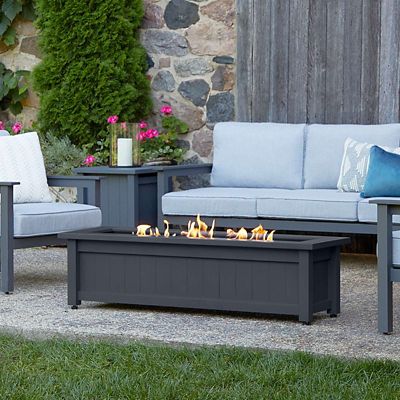
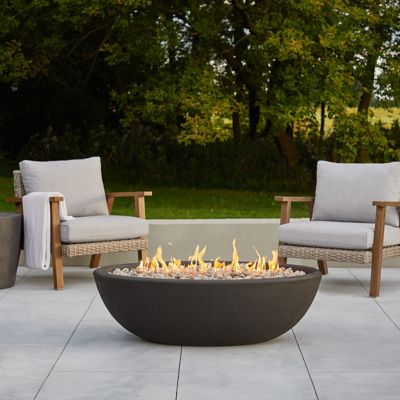
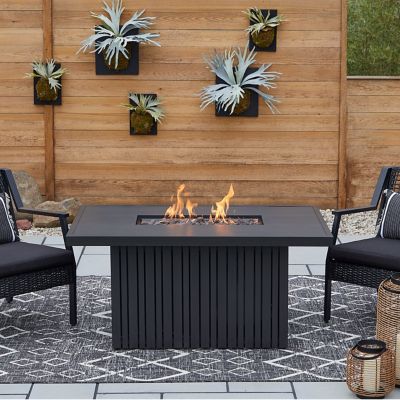
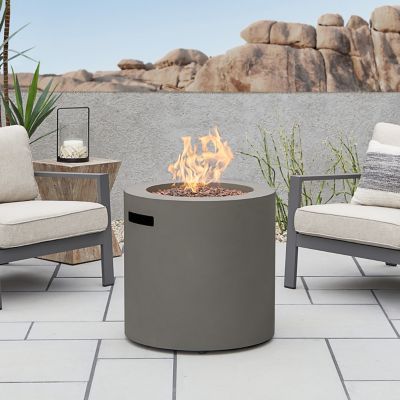
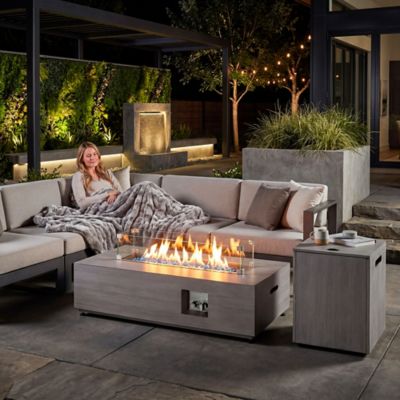
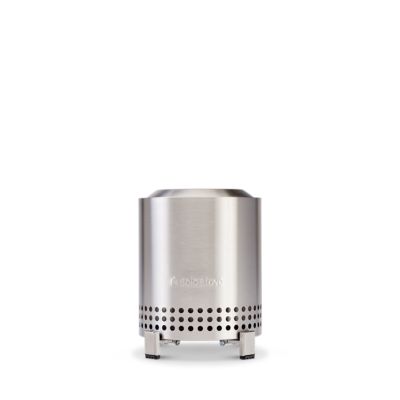
The shape and construction of a fire pit make a big difference in how it fits into everyday life. A round bowl naturally gathers chairs around a shared center, while a rectangular fire table can sit alongside a longer seating arrangement. A broad tabletop edge provides separation between the fire opening and the seating area, though mugs, plates, and other belongings still need to stay outside the hot zone specified by the manufacturer. Overall height matters as much as width: a low bowl pairs differently with lounge chairs than a taller table does with upright seating. For a tighter footprint, a
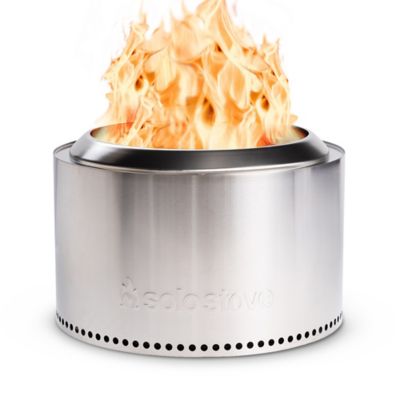
Mini Fire Pit may suit a smaller gathering spot, with fuel type, approved media, and placement requirements depending on the design. The space needed for any fire pit includes more than its base. Clearances from siding, fences, furniture, overhead structures, and other combustible materials all count toward the room it needs. A level, noncombustible supporting surface is a common requirement, and a wood deck or covered area should never be assumed suitable without approval for that installation. Materials bring their own practical differences. Stainless steel offers corrosion resistance, powder-coated steel has a finished outer surface that needs protection from scratches, and cast aluminum generally weighs less than comparable steel construction. Concrete and stone-look bodies can bring substantial weight, which matters when a fire feature has to travel through a gate or move across a patio. Propane designs may include a ventilated cylinder compartment or require a separate cylinder location, while natural gas models need a suitable fixed connection. Fuel conversions are appropriate only when the manufacturer permits them with the specified components and installation. Burner ratings, often listed in BTUs, describe fuel input rather than a guaranteed heating radius. For a family seating area, a comfortable layout, sensible clearances, and easy access to controls usually matter more than choosing the highest number.
Care requirements are worth weighing alongside shape, color, and fuel type. Fire glass does not leave behind wood ash, but dust, debris, and soot can still affect its appearance. A burner that begins leaving black deposits calls for attention to the fuel supply, airflow, and media arrangement rather than simply adding more glass. Cleaning methods vary, and any washed glass needs to be completely dry before returning to service. Both the glass and surrounding metal can remain hot after the flame goes out, so cooling time belongs in the routine before handling, cleaning, or covering the fire pit. A fitted cover helps keep debris and moisture out when the unit is not operating, provided the fire pit has cooled fully and the cover meets the manufacturer’s recommendations. Drainage openings and ventilation spaces need to remain unobstructed, and glass should not bury ignition components or exceed the specified fill depth. Those details are especially important on fire tables that hide much of the working assembly beneath the fire bed. Easy access to the burner, controls, and fuel connection can make routine inspection less of a chore. Fire pits with glass rocks suit homeowners who enjoy an outdoor sitting area with a defined centerpiece, whether that means two chairs beside the patio or a larger spot for visiting with family. They can also make a thoughtful housewarming or anniversary gift when the recipient’s space, fuel preference, and installation needs are already known. Households with children or pets benefit from a layout that keeps foot traffic away from hot surfaces, and the fire should always have adult supervision. These are fire features rather than cooking appliances unless specifically designed otherwise; glass media is not a cooking surface. The best match brings together an approved glass bed, a suitable burner, manageable upkeep, and enough room for people to settle in without crowding the flame.