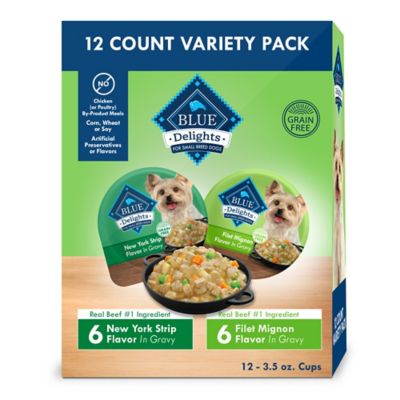
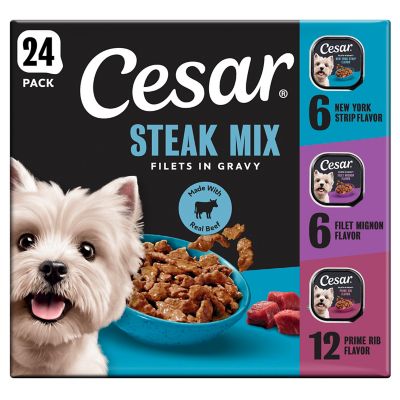
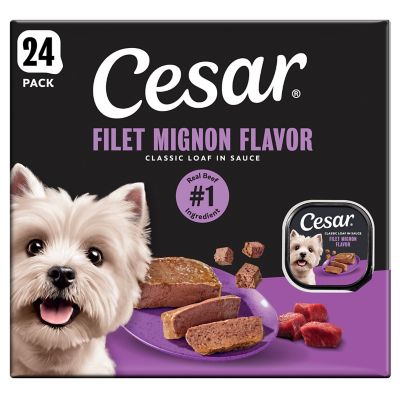
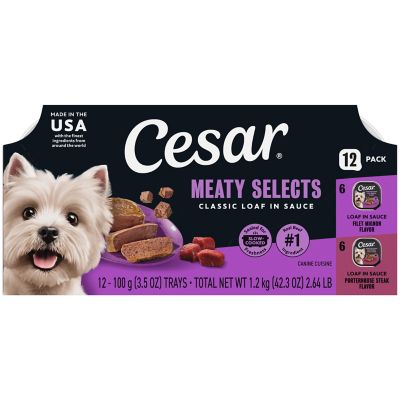
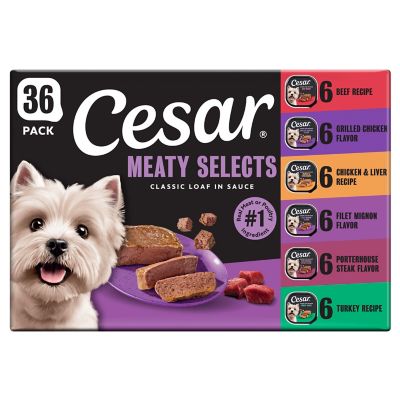
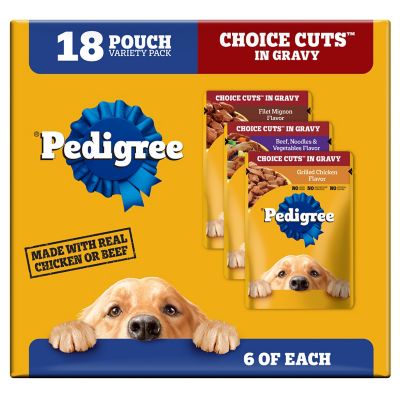
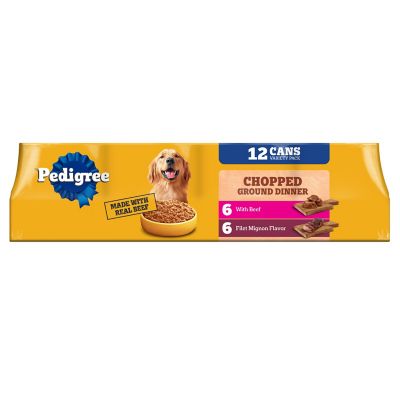
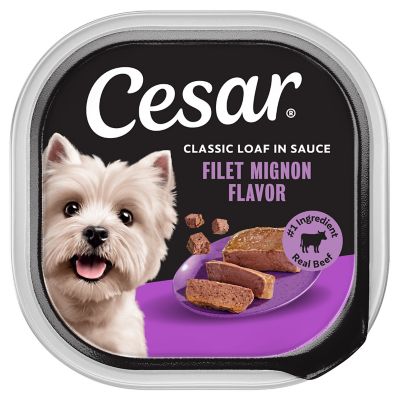
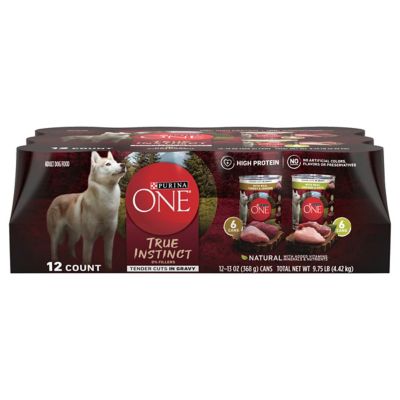
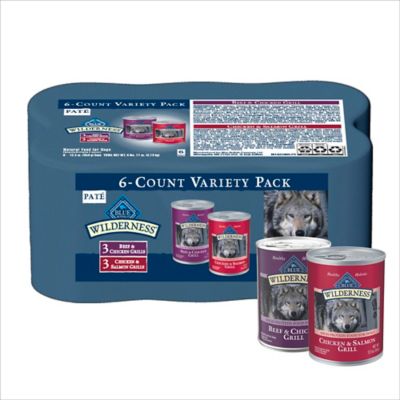
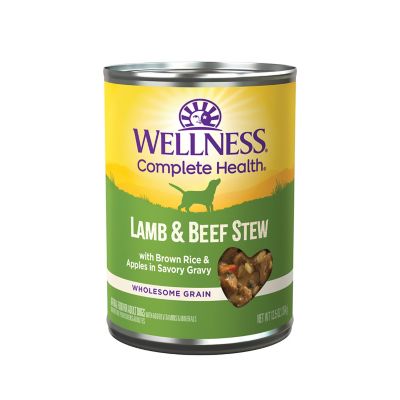
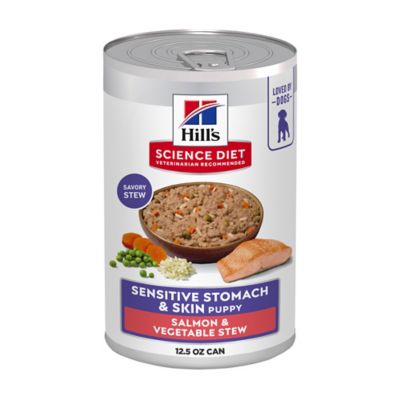
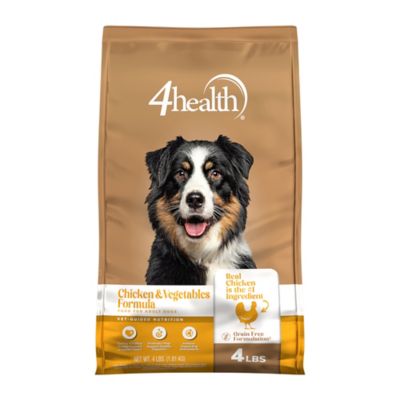
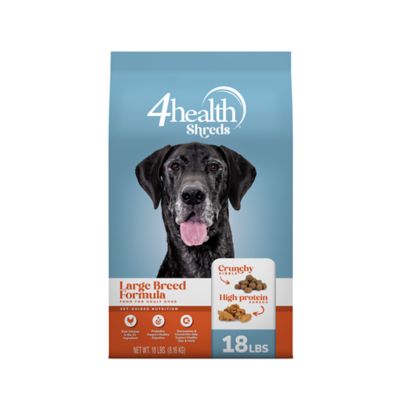
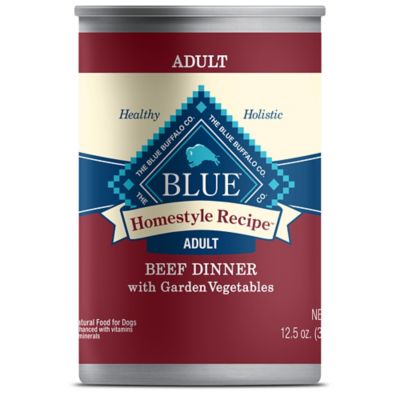
Filet mignon dog food gives everyday mealtimes a savory, beef-inspired twist that many dogs find especially appealing. The name usually refers to the flavor profile rather than a bowl full of premium steak, so it is still important to read the ingredient panel and guaranteed analysis before adding a food to your cart. Look for a formula made for your dog’s life stage, with an appropriate balance of protein, fat, fiber, vitamins, and minerals. Many filet mignon flavor options are made for adult dogs, while puppies, senior dogs, pregnant or nursing dogs, and dogs with certain health needs may require a different recipe. Real beef or another clearly named animal protein near the top of the ingredient list can be a useful detail to note, but the full formula matters more than the flavor name on the front of the package. Dogs have individual tastes, just like people; one may come running when a rich beef aroma hits the kitchen, while another turns up its nose and waits for chicken. Wet food, dry kibble, and combination feeding each have a place. Wet food often has a soft texture and a strong aroma that can help tempt a picky eater, while dry food is easy to scoop, store, measure, and serve in a busy household. A wet filet mignon-style dinner can also be spooned over regular kibble as a topper, giving a familiar meal a little extra moisture and flavor without changing the entire diet. If you are comparing choices for a new puppy or an older dog, check the life-stage statement rather than relying on the meaty-sounding name. For broader help comparing ingredients, textures, and feeding needs, visit
Best Dog Food.
When choosing filet mignon dog food, start with your dog’s size, age, activity level, and eating habits. Small dogs may do better with smaller kibble pieces that are easier to pick up and chew, while larger dogs may prefer a bigger bite and a serving plan that suits their appetite. A hardworking farm dog that spends the day checking fence lines and following you through the pasture may need a different calorie intake than a house dog that naps beside the woodstove. Even within the same breed, needs can vary, so use the feeding chart on the package as a starting point and adjust with guidance from your veterinarian. Portion control matters with flavorful foods because an enthusiastic dog may clean the bowl before anyone notices how quickly it disappeared. Measure meals with a scoop or kitchen cup, account for treats and toppers, and keep fresh water available. If you are changing foods, mix the new recipe with the old one over several days rather than making a sudden switch. A gradual transition can be easier on the stomach and gives you time to notice changes in appetite, stool, skin, or energy. Dogs with known food allergies, sensitive digestion, pancreatitis, kidney disease, or other medical concerns should be matched with food alongside veterinary advice. Read labels for beef and other animal ingredients, grains, added colors, and any ingredients your dog has been told to avoid. Wet meals and opened cans or trays should be handled according to package directions and refrigerated when required. Dry food should stay sealed in a cool, dry place, away from barn humidity, curious pets, and wildlife. During the cooler months, a hearty beef-flavored meal can feel like a welcome change after a long day outdoors, but a cozy season does not replace the need for balanced nutrition and sensible portions.
These foods can fit a range of households, from someone looking for a more appealing meal for a selective eater to a family that wants convenient single servings for a small companion. Wet portions can be handy for travel, boarding, or keeping in a tack room or camper when storage space is limited, while dry food is a practical choice for stocking the pantry and feeding on a regular schedule. A filet mignon-style dog food may also make a thoughtful gift for a neighbor, new pet owner, or friend who has just brought home a dog, especially when paired with a food scoop, storage container, or sturdy bowl. Because every dog has different dietary needs, gifting a full-size bag without checking first may not be the best fit; a smaller package or a quick conversation about the dog’s usual food is often more considerate. For households with more than one dog, keep each pet’s age, size, and health needs in mind rather than assuming one recipe suits every bowl. Watch how your dog responds after serving a new food. A shiny coat, steady energy, healthy body condition, and normal digestion are better signs of a good match than a fancy flavor description alone. Store food where dogs cannot help themselves, since an overturned bag or open case can lead to overeating and a memorable mess on the kitchen floor. Whether served as a complete meal, mixed with kibble, or used occasionally to add variety, filet mignon dog food is best treated as one part of a thoughtful feeding routine. Choosing the right texture, package size, ingredient profile, and serving amount can make mealtime easier for you and more satisfying for your dog through changing weather and the everyday rhythm of life on the homestead.