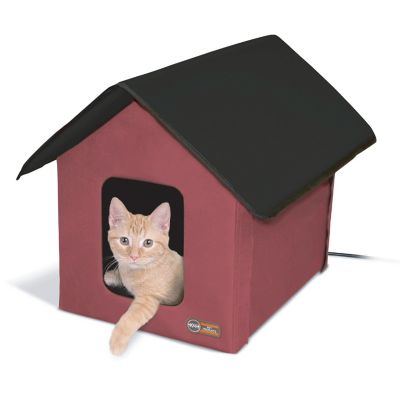
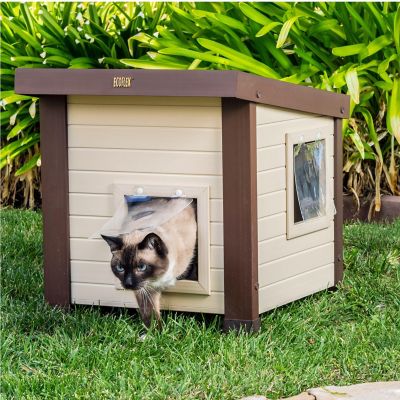
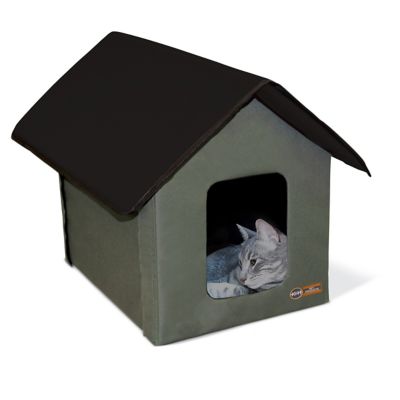
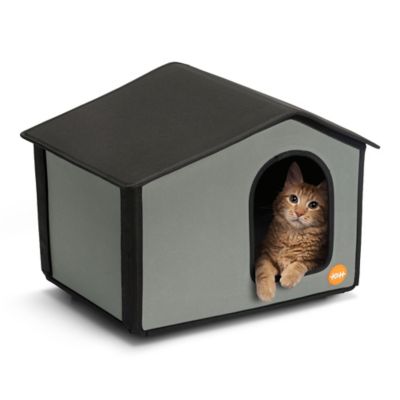
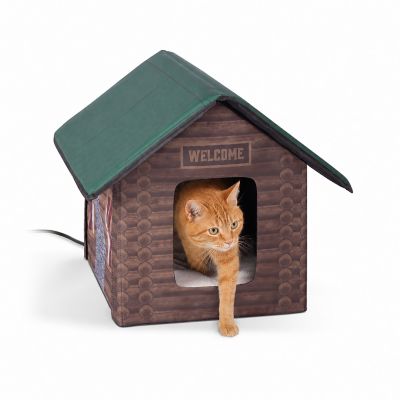
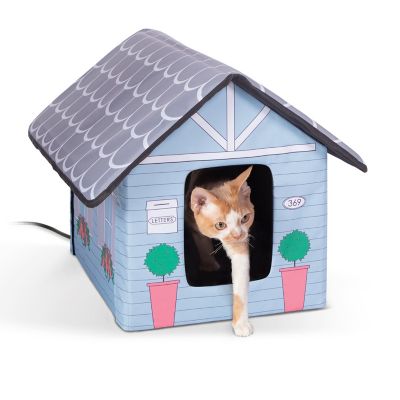
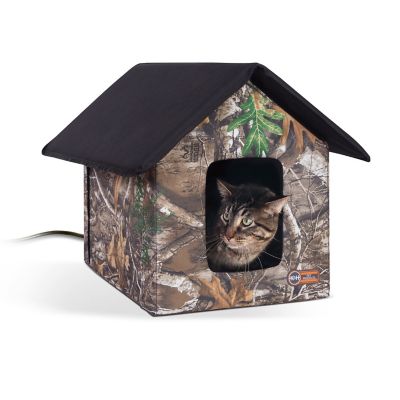
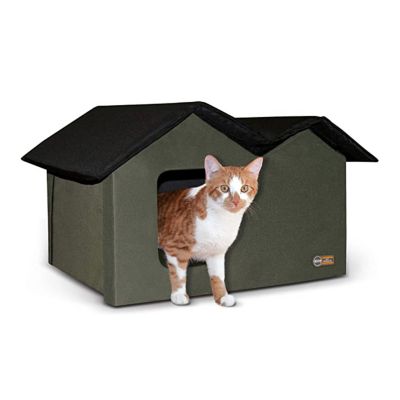
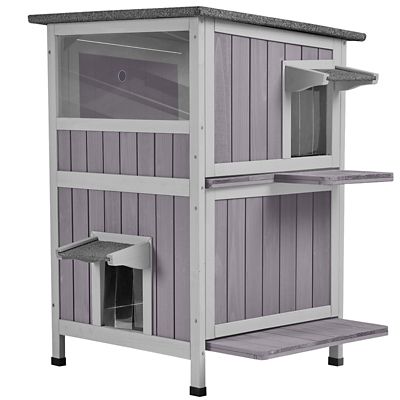
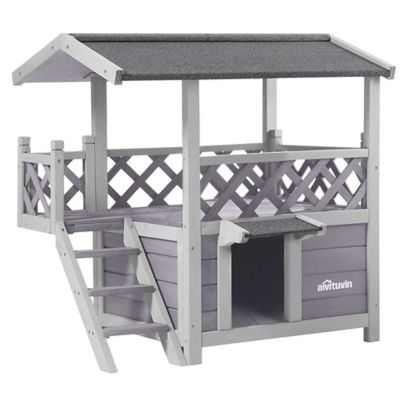
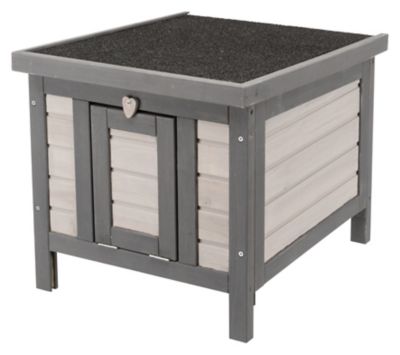
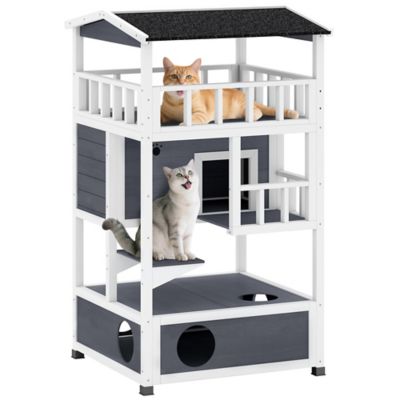
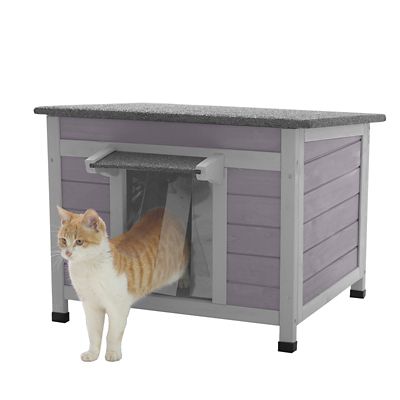
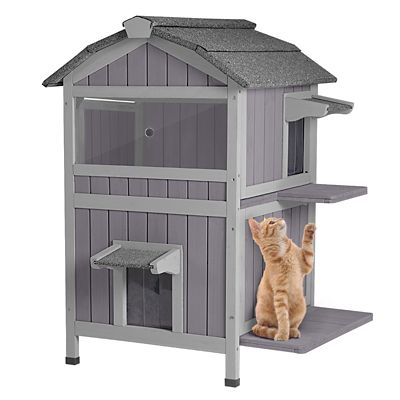
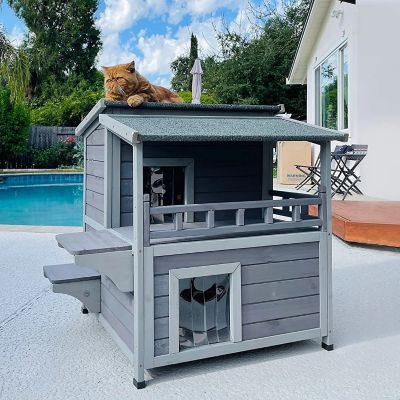
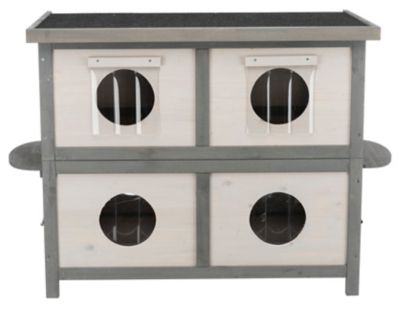
A feral cat shelter gives an outdoor cat a tucked-away place to rest without asking it to come inside or accept handling. Around a barn, equipment shed, fenced yard, or rural property, that separate resting space can make a real difference for cats that keep their distance from people. These shelters are meant for voluntary entry and exit, not confinement, and their usefulness depends on more than how they look beside a building. A quiet sleeping chamber, a manageable entrance, and enough room to turn around and settle comfortably all matter. Feral cats may share a property without wanting to share a bed, so interior dimensions deserve a close look even when a shelter is described as suitable for multiple cats. A roomy enclosure is not automatically a better fit; a smaller enclosed space can hold body warmth more effectively, while several separate shelters may suit cats that prefer their own space. Measurements should account for the sleeping area rather than just the outside footprint, especially when insulation or bedding takes up room inside. The opening also needs to suit the cats likely to visit, including larger adults that may hesitate at a narrow doorway. For caretakers tending a small colony, people supporting a trap-neuter-return program, or landowners looking after cats near the barn, a shelter should fit the daily routine as well as the animals. Access for checking bedding matters, but so does a setting away from the tractor route, barking dogs, and a door that bangs shut all day. A shelter that sits steadily near a quiet outbuilding can be more inviting than one in the middle of a busy yard. The goal is a resting place that feels separate from the bustle, with a layout that allows a wary cat to enter, settle, and leave on its own terms. Outdoor shelters also serve friendly free-roaming cats, but feral cats often need more privacy and less direct contact than a house pet does.
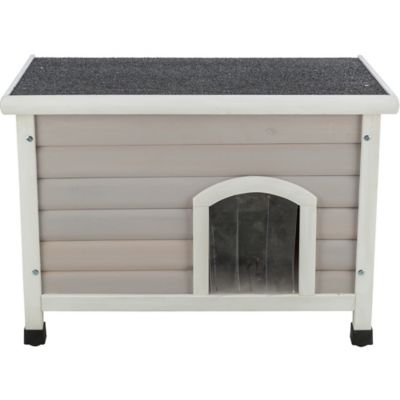
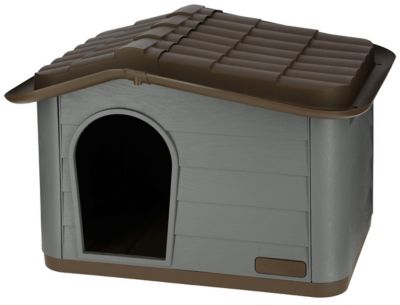
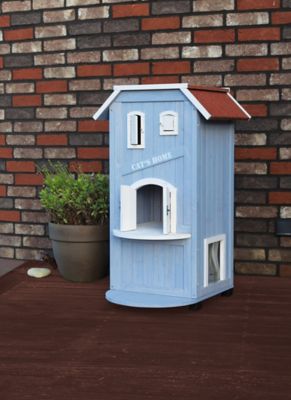
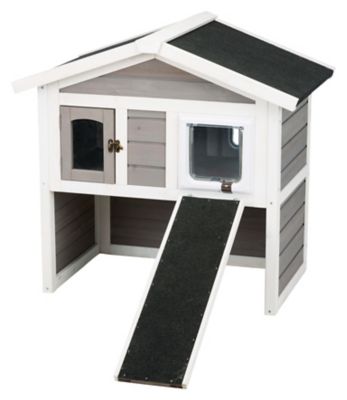
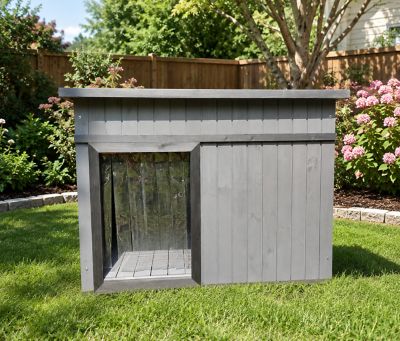
Materials and construction shape how a feral cat shelter handles life outdoors. Molded plastic or resin housings can offer surfaces that wipe clean, while wood shelters may have thicker panels, a substantial feel, and construction that allows some parts to be repaired. Neither material tells the whole story on its own. Panel thickness, tight joints, protected edges, and a roof that sheds water are worth considering together. Wood benefits from a finish intended for outdoor exposure, with any treatment appropriate for an animal’s living space and fully cured before contact. Plastic housings need enough strength and stability to resist cracking, tipping, or shifting during normal care. An elevated floor can help separate the sleeping area from damp ground, and a roof overhang can limit the amount of rain reaching the doorway. Those details are especially relevant beside a gravel drive, along a fence line, or wherever runoff crosses the ground. Insulated walls and floors can help reduce heat loss, but insulation should be enclosed so cats cannot scratch loose material into the sleeping chamber. Smooth interior surfaces and covered fasteners make the space easier to inspect and reduce snagging points. Entrance design brings another set of trade-offs. A recessed opening or entry passage can give the sleeping area more separation from wind and rain, while a flap may discourage a cautious cat that is unfamiliar with pushing through one. An additional exit can provide another way out, though extra openings can also admit drafts and moisture. No doorway arrangement makes a shelter predator-proof, and the surrounding setting still matters. Stability is equally important: a shelter that rocks when a cat steps inside may not get much attention after that first visit. A broad base, sound connections, and any manufacturer-provided anchoring provisions deserve consideration on uneven ground. Portability may matter for a caretaker who needs to reposition housing around farm activity, while a heavier structure may better suit a long-term spot. Those choices come down to the property, the cats, and the amount of regular upkeep the shelter will receive.
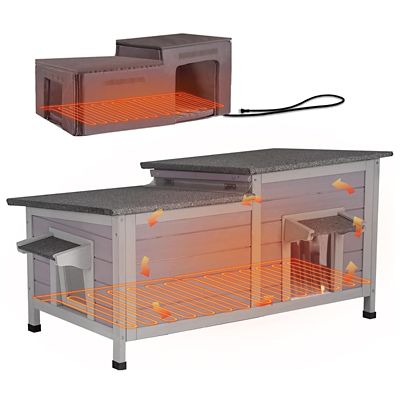
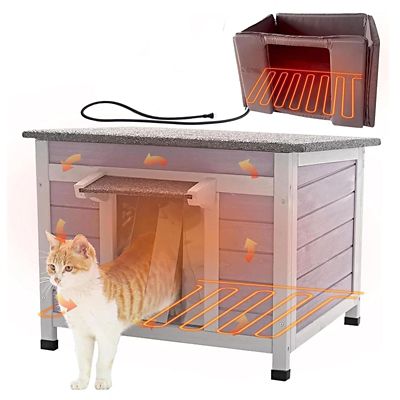
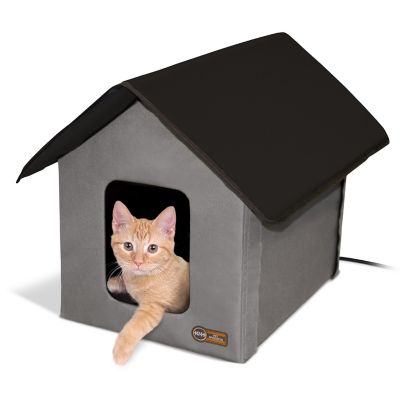
Care features often determine whether a shelter stays practical after the first few visits. A removable roof, hinged access panel, or lift-out floor can make it easier to inspect corners and replace damp bedding without reaching blindly through a small entrance. Interior surfaces should allow cleaning according to the manufacturer’s directions, with enough access for the space to dry fully afterward. Dry straw is commonly chosen for outdoor cat bedding because it creates pockets of air and is less moisture-retentive than many fabrics; hay is not the same material and can hold moisture. Towels and blankets may seem cozy, but they can absorb water and leave a cat resting against damp fabric. Bedding also takes up floor space, making the interior measurements important again once the shelter is set up. Where supplemental heat is part of the design, the equipment needs to be rated for outdoor animal housing and installed exactly as directed, with protected cords and suitable electrical service. Indoor heating pads, improvised wiring, and heat sources that the cat cannot move away from are not a sound match for an unattended shelter. Feral cat shelters belong in the broader range of
Outdoor Shelters, with proportions and entry layouts centered on cats rather than larger farm animals. For someone caring for outdoor cats every day, the most useful features are often straightforward: a dry sleeping chamber, a steady base, a cat-sized opening, and access that makes routine care manageable. A shelter can also be a thoughtful gift for a colony caretaker or a neighbor who has taken responsibility for cats around an outbuilding, provided the size and setup suit that person’s property. Food storage and feeding space are separate needs, not reasons to crowd the sleeping chamber. Housing also does not replace veterinary care or a managed plan for the cats’ health. What it can provide is a dedicated resting spot that fits into life around the farm or yard, with construction and care needs that make sense for the person tending it.