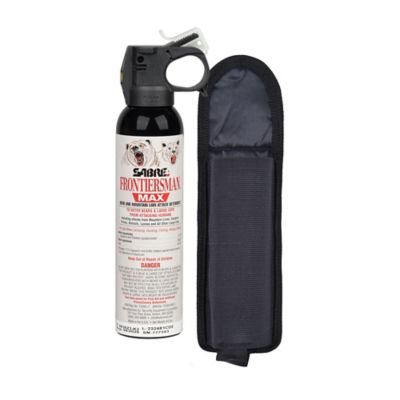
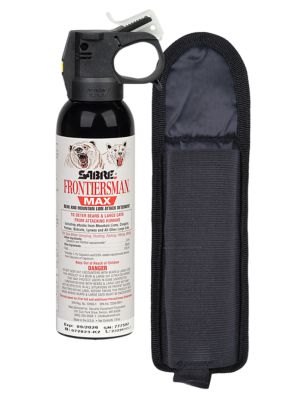
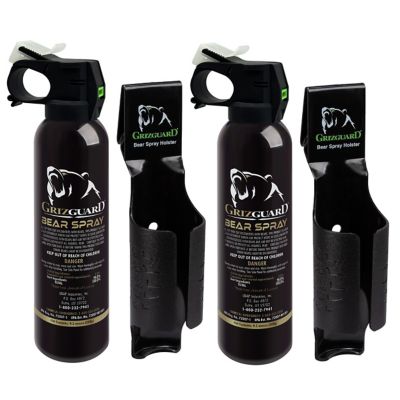
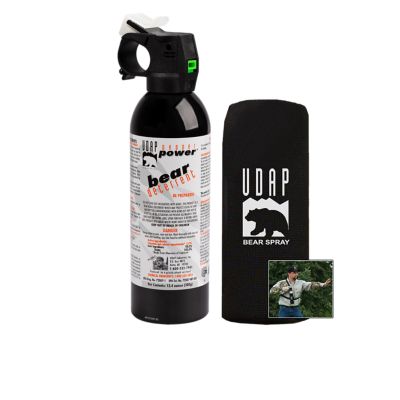
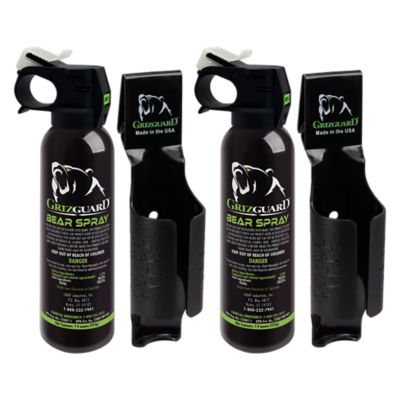
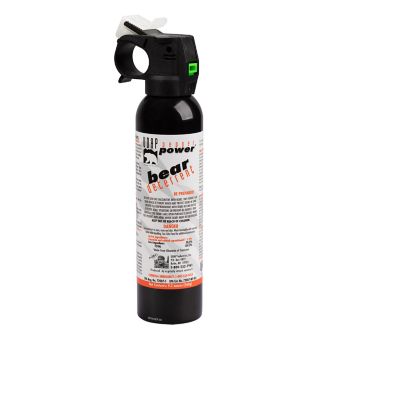
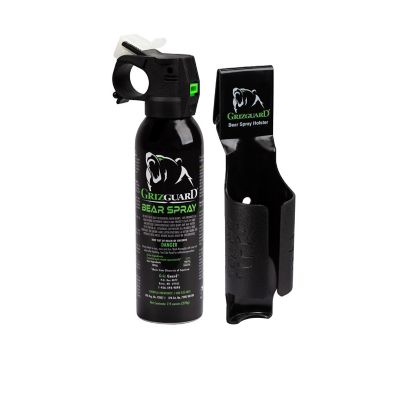
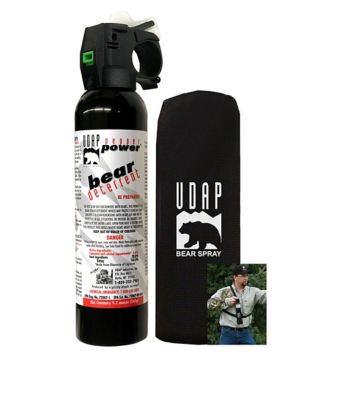
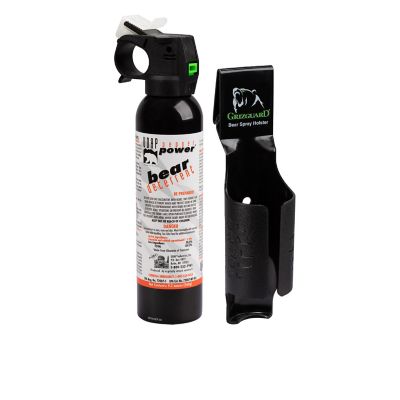
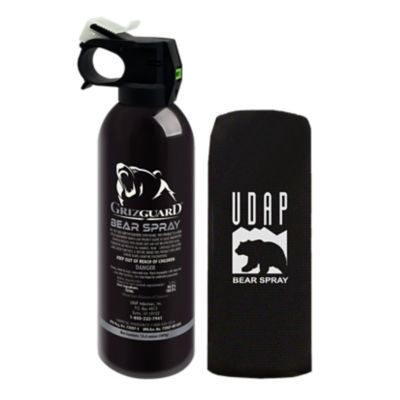
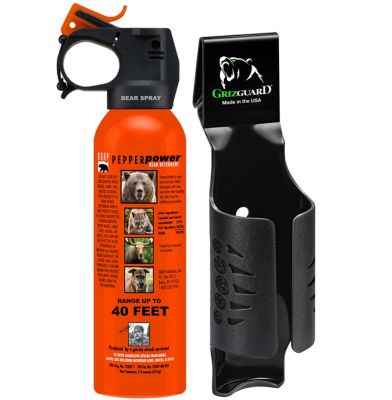
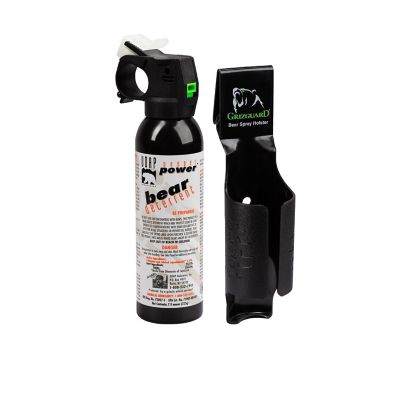
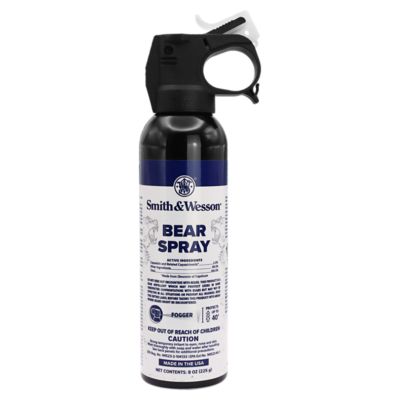
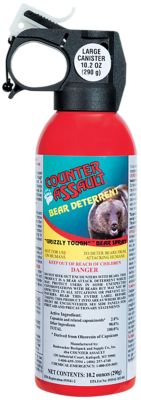
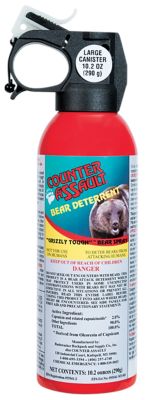
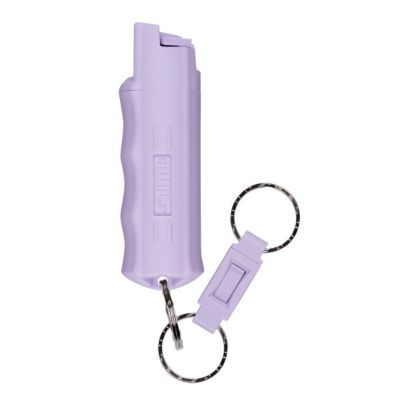
EPA-registered bear sprays are pressurized animal deterrents formulated with capsaicin and related capsaicinoids for defensive use during aggressive bear encounters. For folks hiking backcountry trails, checking fence near bear habitat, or heading into a remote fishing camp, they belong alongside other wildlife safety gear. The key identification is an EPA registration number on the label, together with wording that identifies the spray as a bear deterrent or bear repellent. An EPA establishment number identifies a production facility and does not, by itself, establish that a product is registered for use against bears. Personal-defense pepper spray is not interchangeable with bear spray, even when both contain pepper-derived ingredients. Many bear deterrent formulations contain 1% to 2% capsaicin and related capsaicinoids; the label’s active ingredient statement identifies the actual formulation. Canisters around 7.9 ounces, or 225 grams, and larger are common in this category, while spray distance and total discharge time vary. Those specifications deserve attention together rather than treating concentration or canister size as the whole story. Range describes how far the spray is designed to travel, while discharge time describes how long the canister can release its contents. Neither figure guarantees the outcome of an encounter. Bear spray creates an irritating cloud intended to discourage an approaching or attacking bear, not a protective coating for clothing, tents, livestock equipment, or campsite boundaries. Spraying gear or the ground in advance is not its intended purpose. EPA registration applies to the uses and directions stated on the label; it does not mean that bear spray is harmless to people or other animals. Clear directions, readable warnings, and a visible expiration date are important parts of the package. For shoppers comparing EPA-registered bear sprays, those details provide a more useful starting point than broad claims about strength alone. The right comparison keeps intended use, labeled performance, carrying arrangement, and handling requirements in the same picture.
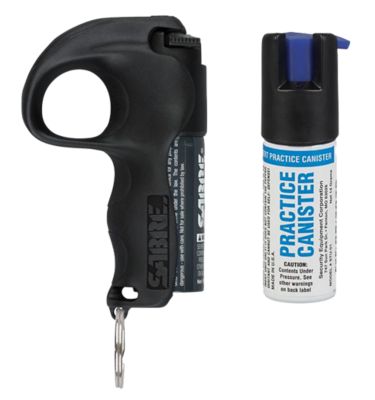
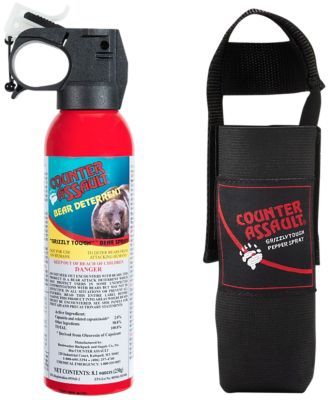
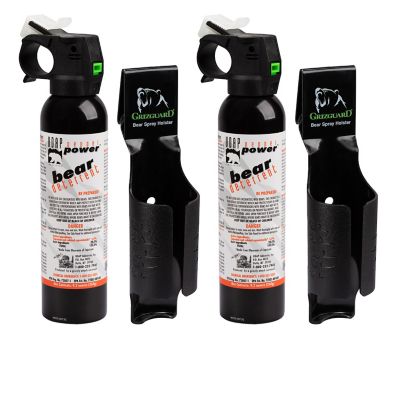
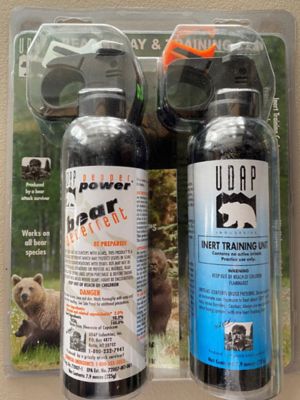
A bear spray canister needs to fit the way a person actually travels and works. A rancher stepping off an ATV to inspect a water line has different carrying needs than a backpacker with a loaded hip belt, but both need access without digging through a bag. Metal canisters, molded actuators, safety clips, and fitted holsters are common parts of the setup. The canister holds the pressurized formulation, while the actuator and safety mechanism control access to the spray. A holster adds retention and helps position the canister where it can be reached. Depending on the design, carrying options may attach to a belt, pack strap, or other compatible mounting point. Holster dimensions matter because a loose fit can allow movement, while an overly tight fit can make removal awkward. Retention straps, stitching, attachment loops, and closures should suit regular movement over uneven ground without interfering with the safety mechanism. Pack straps and clothing should not block access, and a canister tucked beneath lunch, gloves, and a rain shell is not readily reachable. For someone who switches between walking, riding, and working around gates, compatibility with everyday gear can matter as much as the printed specifications. Clearly marked inert training canisters offer a way to become familiar with a compatible release mechanism without discharging an active deterrent. That familiarity is especially helpful when several adults in a household share outdoor responsibilities but carry different packs or belts. Hunters, anglers, trail workers, campers, and landowners working in bear habitat may all have reason to consider this category. Bear spray is still only one part of being prepared: food storage, keeping a respectful distance from wildlife, and following local land-management guidance remain important. It does not make approaching a bear safe, and it is not a substitute for giving wildlife room. Practical carrying choices support those precautions rather than replacing them.
Care and storage help keep bear deterrent equipment ready for its intended job. A readable label and an intact canister make it easier to confirm directions, inspect the safety mechanism, and keep track of the expiration date. Dents, corrosion, leakage, or damage around the nozzle call for attention under the manufacturer’s instructions, not a quick attempt to patch the container. Pressurized canisters should not be punctured, refilled, or modified, and the contents should never be transferred into another sprayer. Storage must follow the label, with access restricted from children and anyone unfamiliar with the equipment. A canister that has been discharged may have less spray remaining than its appearance suggests; replacement and disposal should follow the manufacturer’s directions and local requirements. Routine test spraying consumes the contents, which is another reason to keep practice equipment separate from active bear deterrents. For a cabin owner or someone packing supplies for a remote jobsite, checking expiration dates belongs with inspecting first-aid supplies and other emergency equipment before departure. Travel plans also matter: bear spray is prohibited in both carry-on and checked baggage on commercial passenger flights, and other transportation providers may have their own rules. A thoughtful gift for an adult who spends time in bear country can include a compatible carrying system, provided the recipient understands the label and can lawfully possess and transport the spray. Around a farm or rural property, wildlife deterrence also needs to stay separate from routine pest treatment.
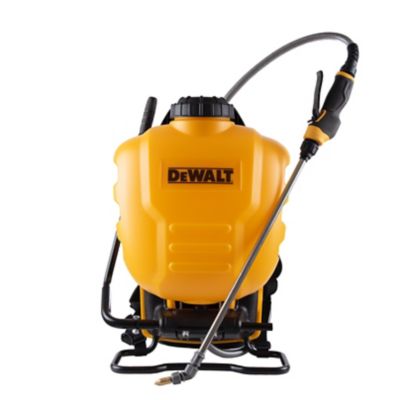
Backpack Sprayers for Pest Control serve a different purpose, applying treatments permitted by the equipment and pesticide labels; they are not a substitute for a sealed bear spray canister. Keeping those jobs distinct helps prevent mix-ups in the shed, truck, or supply room. Whether the destination is a distant trailhead or a stretch of fence beyond the barn, clear labeling, compatible carrying gear, and attention to handling requirements keep the focus on the task these deterrents are designed to perform.