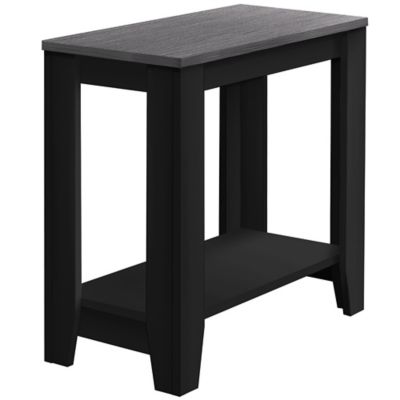
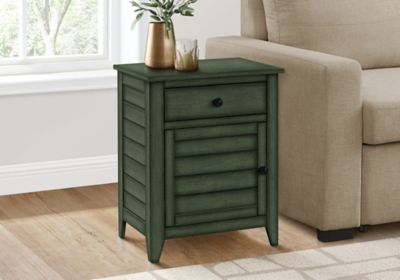
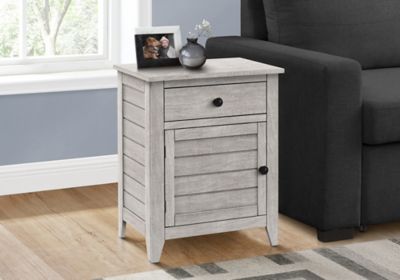
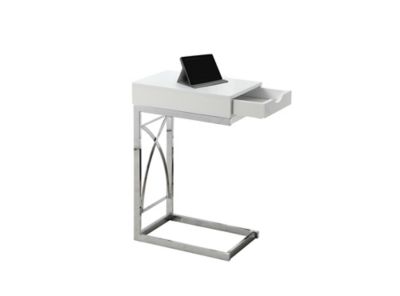
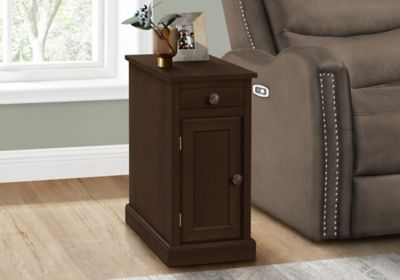
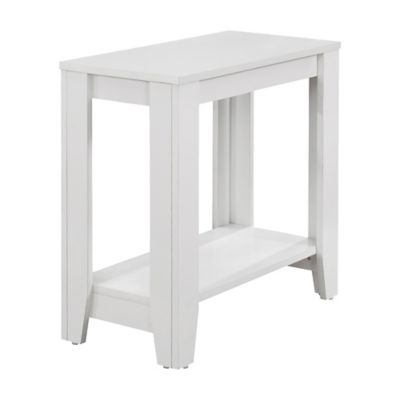
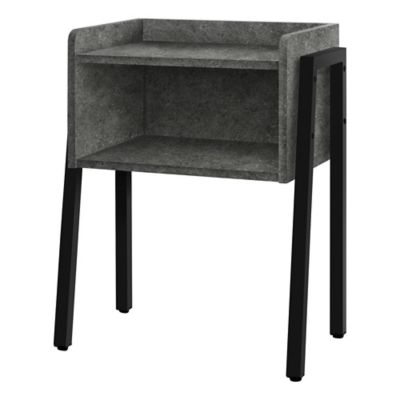
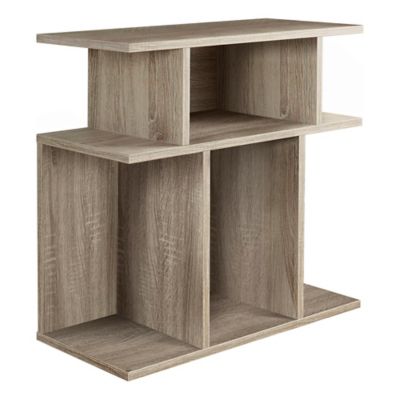
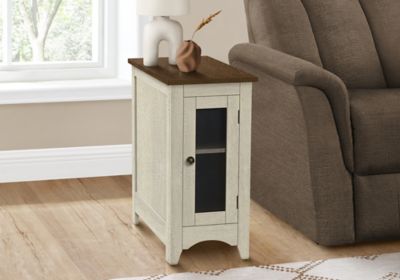
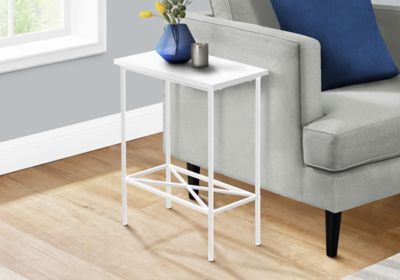
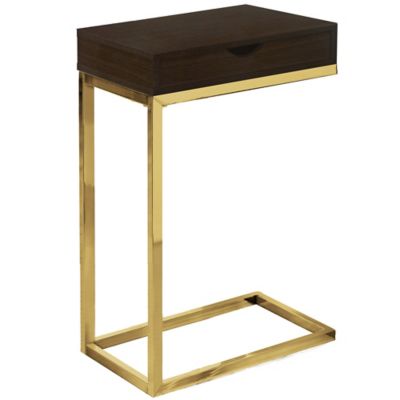
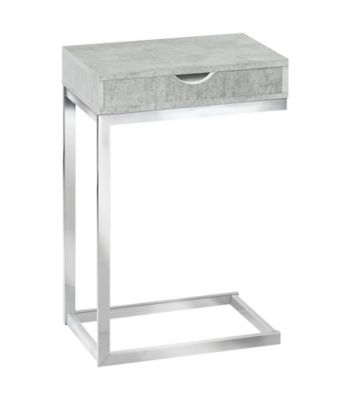
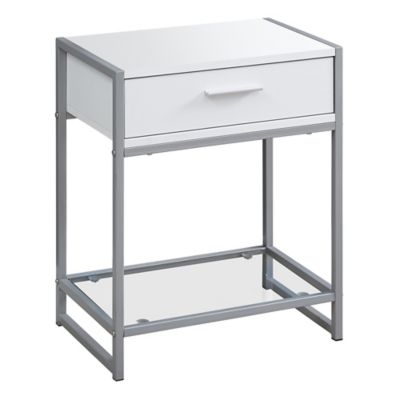
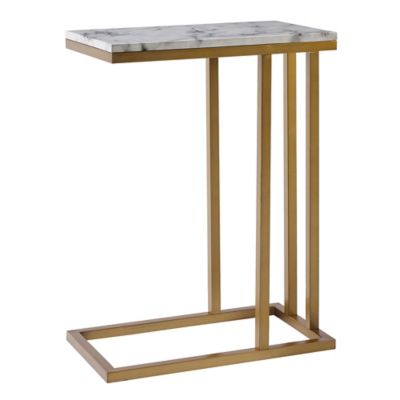
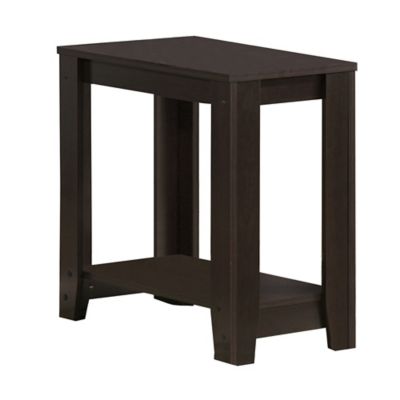
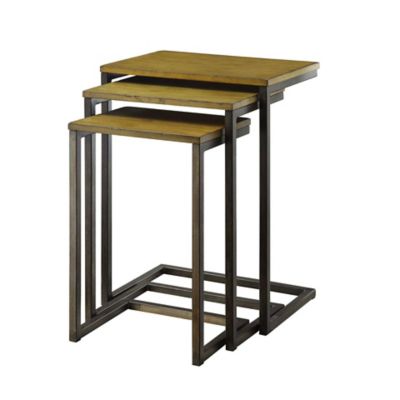
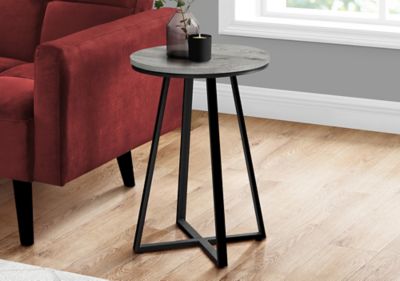
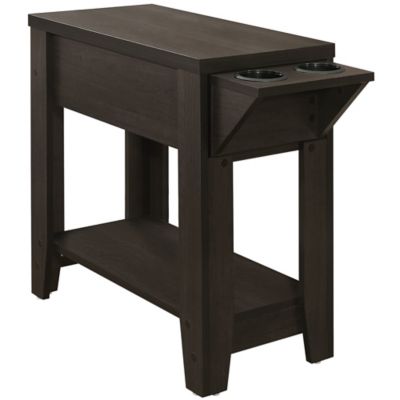
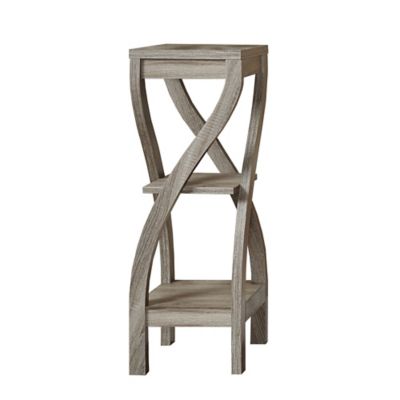
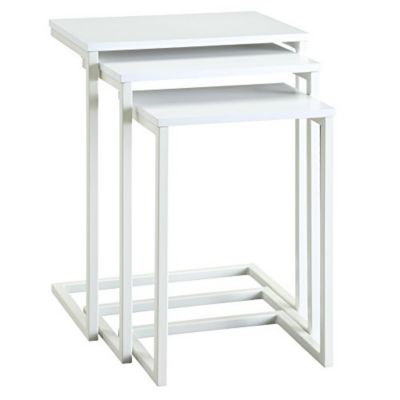
Living room accent tables with storage combine a handy surface for lamps, drinks, and reading glasses with space to tuck away remotes, books, and everyday odds and ends. They earn their place beside a favorite recliner, between a pair of chairs, or at the end of a sofa where a larger piece would crowd the room. The storage arrangement makes a difference in how that space feels and functions. A drawer keeps small belongings out of sight without sending them far from reach, while an open shelf gives books or a basket a spot of their own. A cabinet door can hide the jumble of charging cords, puzzle boxes, and spare reading material that tends to gather near the couch. Tables with both open and enclosed storage split the job nicely: a book stays within reach below, and less tidy things disappear behind a door or drawer front. Deep compartments can hold more, but smaller divided spaces often make it easier to find the remote before settling in. For a household with several people sharing the room, separate drawers or baskets can keep each person’s belongings from becoming one big pile. An accent table can also give a quiet reading corner everything it needs without adding another full-size cabinet. A lamp on top, a few books underneath, and a drawer for glasses leave the chair ready whenever there’s time to sit down. In a busy family room, that same setup can hold game controllers and card decks instead. The appeal is simple: storage sits where daily life happens, rather than across the room or down the hall. A tabletop still needs breathing room, though. When the lamp base takes up most of the surface, storage below becomes especially useful for keeping a drink safely separated from papers and electronics. Having a clear place to set things down makes the whole seating area feel easier to live in, whether the room hosts a full house or just a comfortable evening with the dog stretched out nearby.
Materials, shape, and proportions help a storage accent table settle into the room instead of looking like an afterthought. Solid wood brings visible grain and a substantial feel, with color and character that vary by species and finish. Wood veneer offers a real wood surface over a supporting core, while engineered wood can provide a smooth, consistent look in painted or wood-look finishes. Those constructions have different care needs, so the finish and manufacturer’s directions matter as much as the material name. Metal frames bring a different look, from slim, open legs to heavier shapes that sit comfortably beside leather upholstery or a broad-armed sofa. Glass tops keep the surface visually light, though fingerprints and anything stored underneath remain easier to see. A mix of wood and metal can fit a farmhouse living room without making every piece look alike. Matching the general tone of nearby furniture often feels more relaxed than trying to repeat every color and detail. Fit deserves just as much attention as appearance. A table near the height of the sofa or chair arm generally keeps a mug or remote within a comfortable reach. An especially low table may look fine but require a deep lean, while a tall one can interrupt the line of a low-backed chair. Width and depth determine whether the table leaves enough room to walk through, stretch out, or open a recliner. The storage needs clearance, too: a drawer must pull out without hitting the sofa, and a cabinet door needs room to swing past nearby furniture. Round shapes soften tight corners and can make a seating group feel less crowded; square or rectangular shapes often fit neatly along a sofa arm. A narrow footprint works well where floor space is limited, provided the base suits the table’s height and intended load. For a longer surface behind a sofa or along a wall,
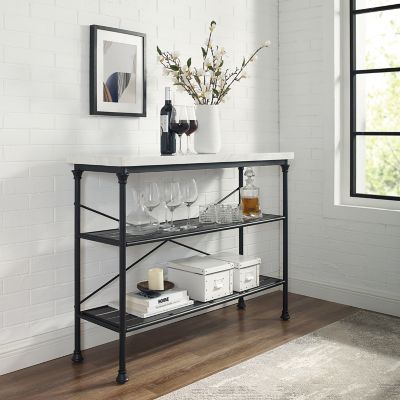
Living Room Console Tables offer another layout option, while smaller accent tables keep storage right beside the seat.
Everyday wear usually shows up first around the tabletop, drawer pulls, and lower edges, so those details deserve a close look. A finish that suits regular wiping, drawers that move smoothly, and doors that close without rubbing all contribute to a table that feels good to live with. Hardware should feel secure, and shelves need to support their intended contents without being overloaded. A stack of oversized books puts a different demand on a shelf than a basket of remotes, making the stated weight limits worth checking. The same goes for the top, especially when it will hold a substantial lamp. Storage tucked behind a door can keep visual clutter down, but it does not make a table a safe place for medicine, batteries, or other things children and pets should not reach. Households with little ones may also appreciate rounded edges and storage that does not invite climbing; any supplied restraint hardware belongs in the setup. Care is generally straightforward when it follows the material and finish. Coasters help limit drink rings, felt beneath lamp bases can reduce scratches, and spills are best wiped up promptly rather than left around seams or hardware. A soft cloth handles routine dust, while harsh cleaners and excess water can harm some surfaces. Floor protectors beneath the feet help limit scuffs, and lifting rather than dragging keeps unnecessary strain off legs and joints. Over time, checking loose pulls or fasteners can keep a small wobble from becoming a bigger nuisance. These practical details matter whether the table serves a first apartment, a farmhouse sitting room, or a smaller home where furniture needs to do more than one job. A storage accent table can also make a thoughtful housewarming gift when the recipient’s space, furniture height, and taste are known. Its value comes from fitting an everyday routine: a clear spot for coffee, a drawer that keeps the remote handy, and enough tucked-away space to leave the room feeling settled without hiding everything that makes it home.