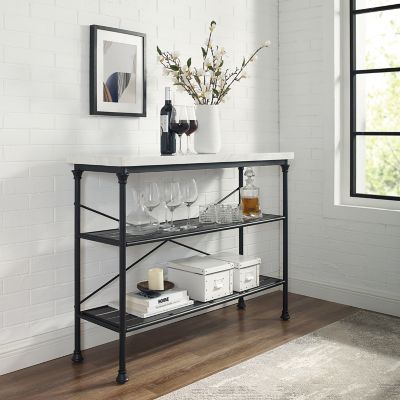
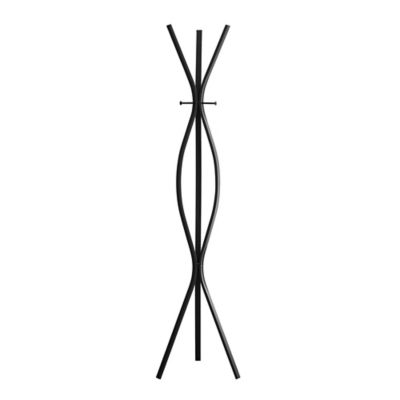
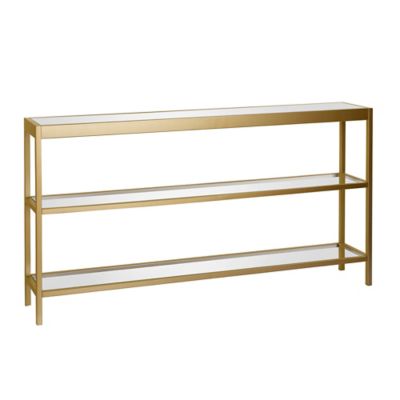
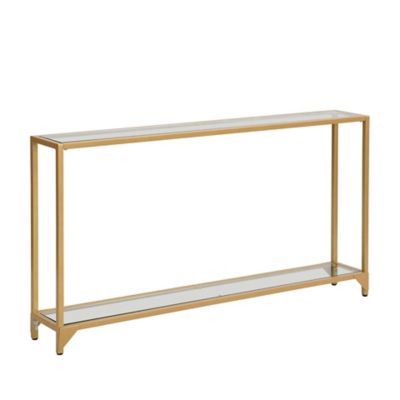
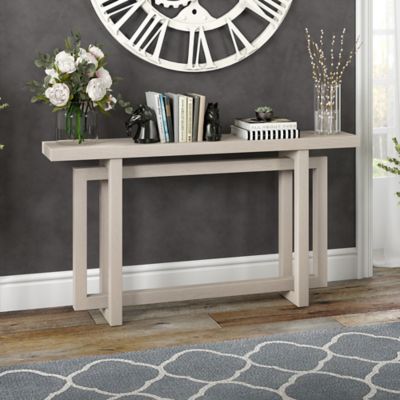
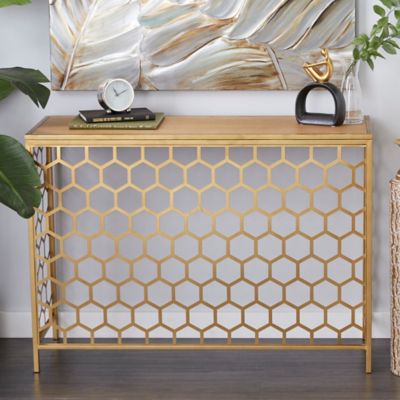
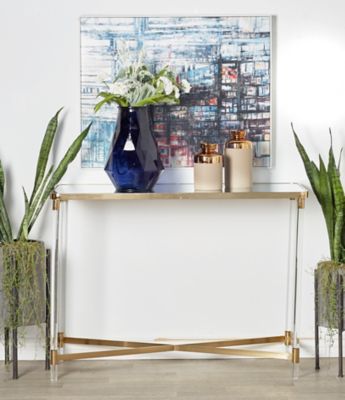
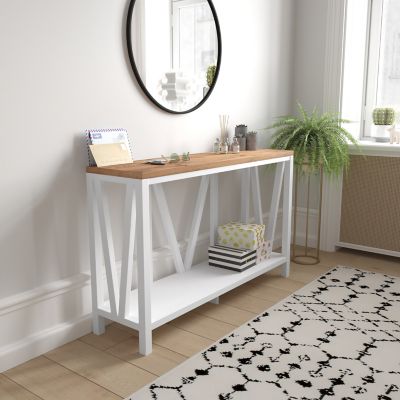
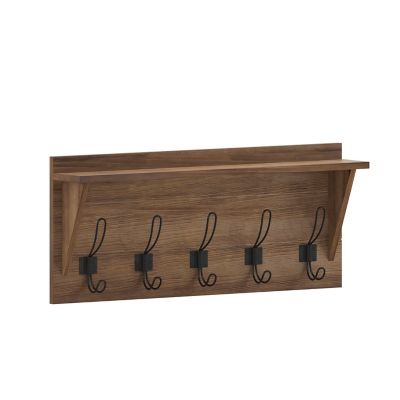
Entryway furniture includes console tables, storage benches, hall trees, shoe cabinets, and other pieces that bring seating, storage, and a landing spot to the space near a door. These furnishings help keep everyday belongings together while making the entrance feel like part of the home, whether that entrance is a roomy foyer, a narrow hallway, or the back door everyone reaches first after chores. Console tables provide a shallow surface for keys, mail, a small lamp, or a basket of essentials without taking up the floor space of a full-size table. Lower shelves and drawers add room for belongings that otherwise collect on the counter.
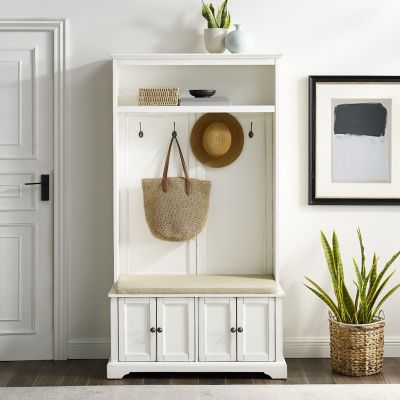
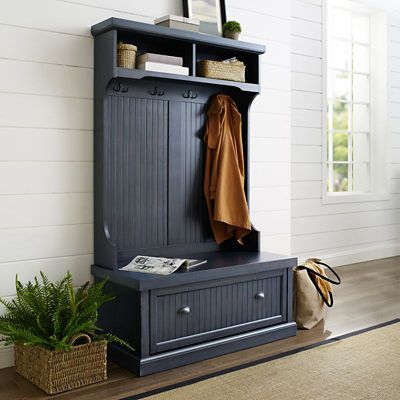
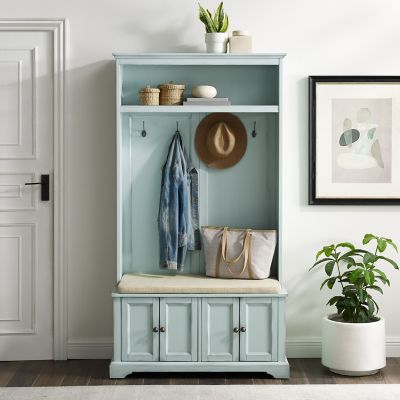
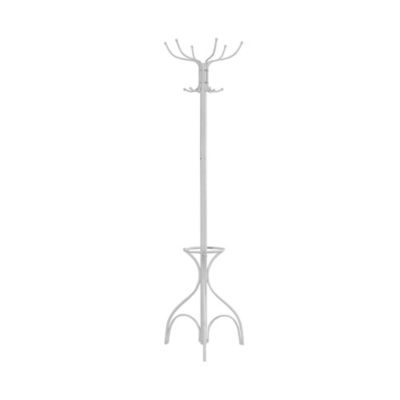
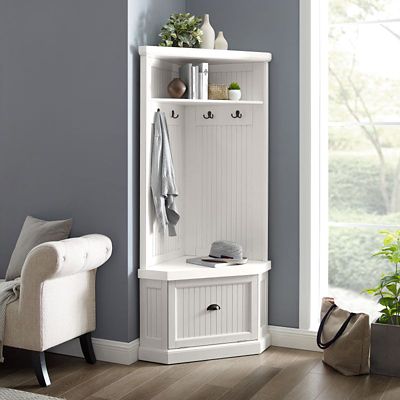
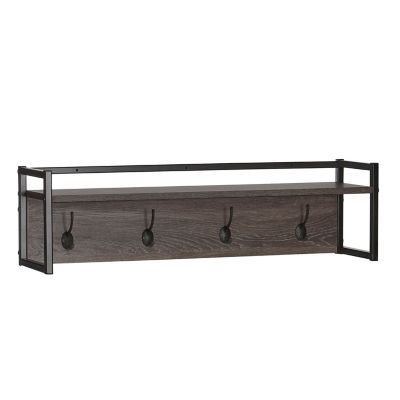
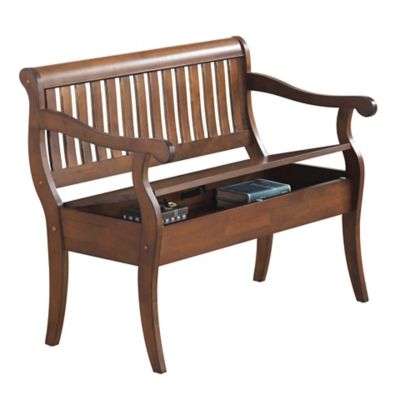
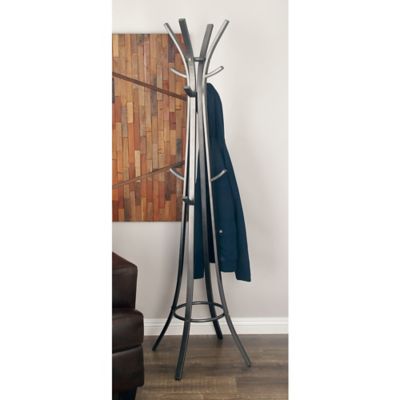
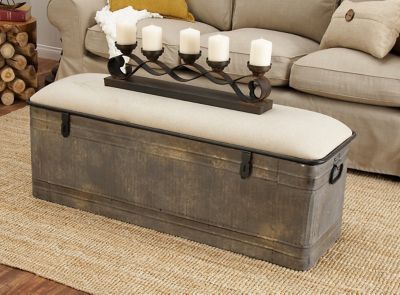
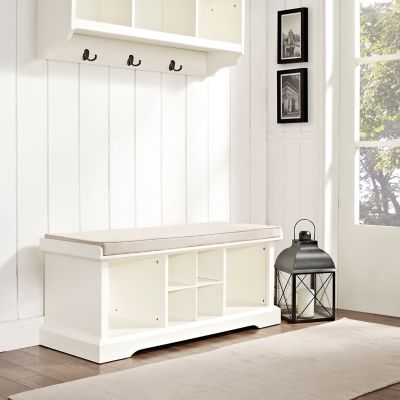
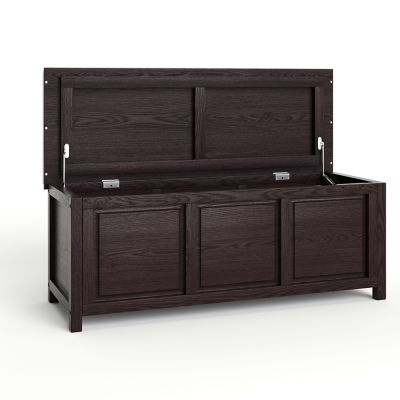
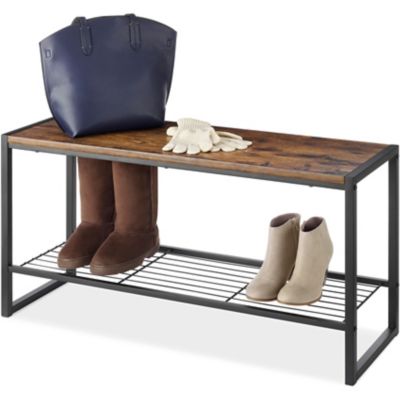
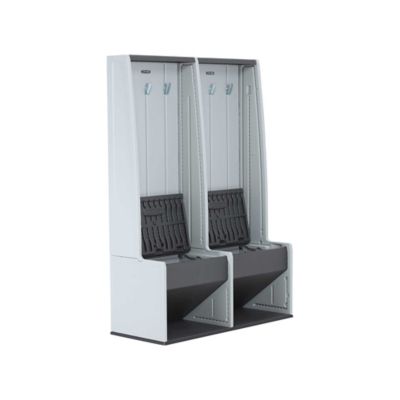
Entryway Accent Tables can serve a similar purpose, with proportions and shapes suited to smaller wall sections, corners, or the space beside a doorway. Entryway benches add a place to sit while pulling on work boots or helping a child with shoelaces. Open shelves beneath the seat keep footwear visible, while cubbies separate pairs and enclosed compartments tuck things out of sight. Hall trees combine several jobs in one upright piece, often bringing together hooks, shelving, a bench, and shoe storage. That combination makes sense where wall space is limited but backpacks, jackets, and bags still need a home. Shoe cabinets focus on footwear storage, with enclosed compartments that help an entrance look less crowded. Their usefulness depends on the size and arrangement of those compartments, especially for tall boots or larger shoes. No single furniture type suits every household. A couple who mostly needs a spot for keys may favor a slim table, while a busy family may need seating and several separate storage spaces. In homes where the back entrance handles most daily traffic, practical storage there can matter more than a larger arrangement by the front door. The best fit comes from how people actually enter, unload, and head back out.
Materials and construction influence how entryway furniture looks, feels, and stands up to everyday wear. Solid wood brings visible grain and natural variation, while wood veneers offer a real-wood surface over a supporting core. Engineered wood can provide smooth, consistent panels, though exposed edges and care requirements deserve attention in a space where shoes and bags get shuffled around. Metal frames suit a simple, work-ready look, and mixed wood-and-metal pieces can sit comfortably alongside farmhouse furnishings or more pared-back interiors. A cushioned bench offers a softer seat, while a bare wood or metal seating surface may be easier to wipe down; the right choice depends on comfort preferences and the care the material needs. Fit involves more than checking whether a piece fits along the wall. Baseboards can hold furniture away from the wall, and outlets, light switches, door trim, and nearby floor vents can affect placement. Doors need room to swing without hitting a corner, and drawers or cabinet fronts need enough clearance to open while someone stands in front of them. An open path matters when a person is carrying groceries, guiding a child indoors, or moving through with a cane or walker. Bench height and seat depth also affect comfort, particularly for anyone who needs a steady place to change shoes. Storage dimensions deserve the same attention as overall dimensions: a shelf that handles low shoes may not accommodate work boots, and a narrow drawer may suit keys better than a stack of mail. Weight limits help clarify what a seat, shelf, or hook can support. A console table is not a substitute for seating unless the manufacturer specifically identifies it for that purpose. Tall cabinets and hall trees may require wall anchoring, and the manufacturer’s installation directions remain important even when a piece appears steady on its own. These details help furniture suit the space without getting in the way of daily movement.
An entryway can feel welcoming without becoming crowded or fussy. Natural wood tones, painted finishes, simple metal hardware, and upholstered seats each bring a different feel, but the pieces do not have to match perfectly to work together. A shared color or finish can connect a bench with a nearby table, while a mix of open and closed storage keeps frequently reached belongings handy and less attractive clutter tucked away. Open shelves make it easy to spot a missing shoe before heading out; enclosed storage gives bags and footwear a quieter backdrop. For households with children, separate cubbies can make each person’s belongings easier to find. For adults coming home from a long day on their feet, a steady bench and a clear spot to set down a bag may be the most useful features in the room. Pet owners may appreciate a drawer or basket for leashes and walking supplies, away from the path of the door. Furniture care depends on the finish and material rather than appearance alone. A soft cloth handles routine dust, while spills generally call for prompt attention with a method approved by the manufacturer. Excess water, harsh cleaners, and abrasive pads can harm some surfaces, so care directions matter for wood, painted finishes, metal, and upholstery alike. Fabric seats may need vacuuming or spot cleaning according to their care labels, and removable cushions can make it easier to reach crumbs and grit around the seat. Shelf liners or trays can help catch dirt from footwear when they suit the furniture’s care requirements, but moisture should not remain trapped against the surface. Hardware may also need occasional attention as drawers, doors, and hooks see repeated activity. With sensible proportions, suitable materials, and storage arranged around everyday habits, entryway furniture gives a hardworking part of the house a more settled feel. Boots have a place, keys are easier to find, and there is room to come through the door without stepping around yesterday’s pile.