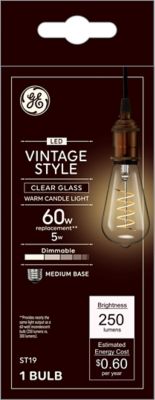
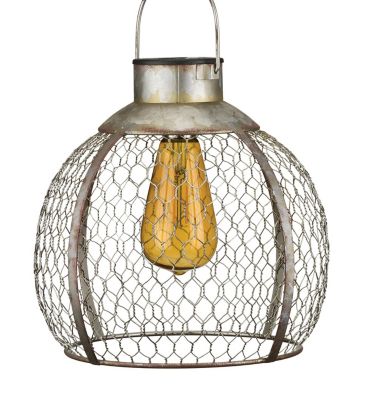
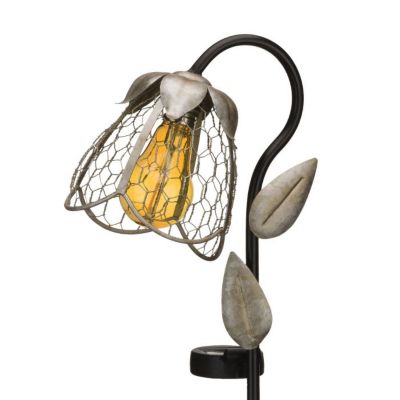
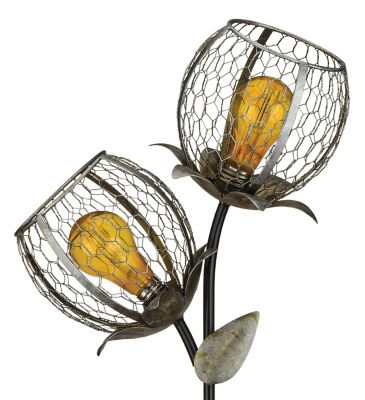
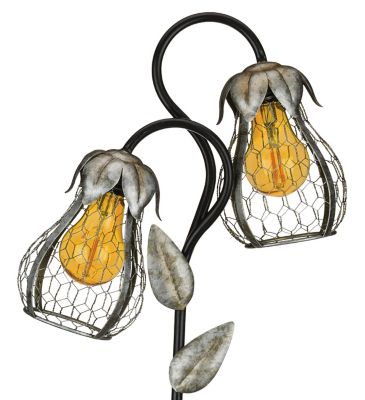
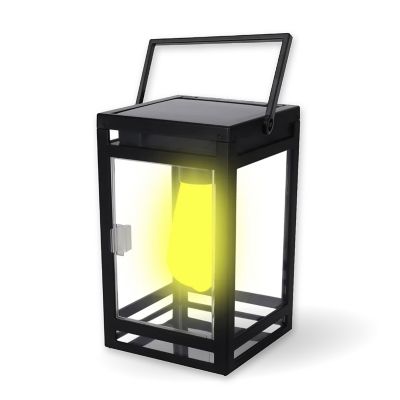
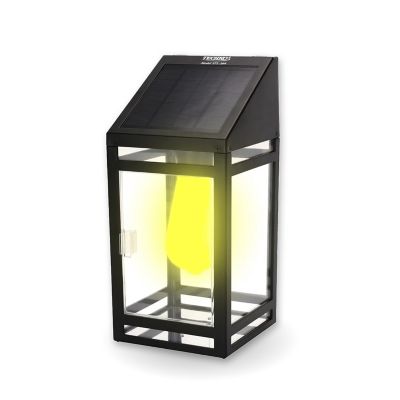
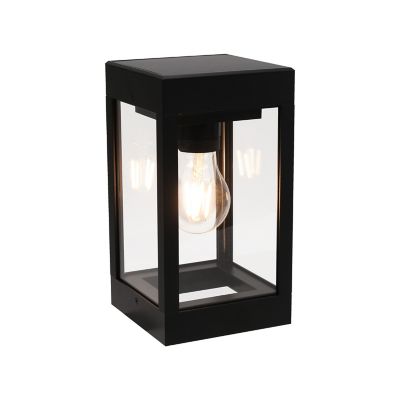
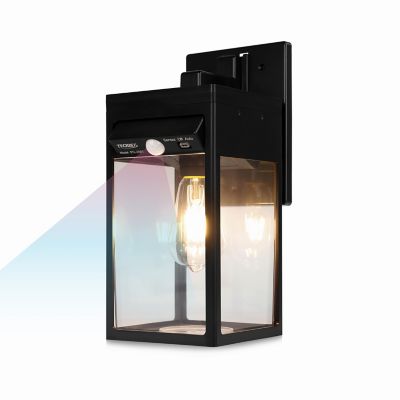
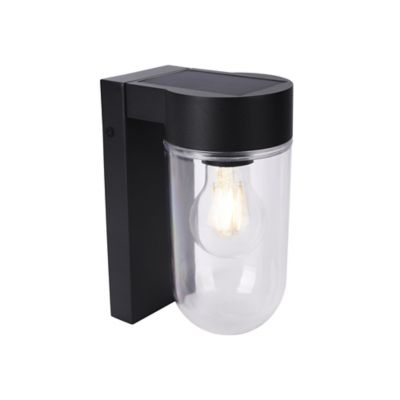
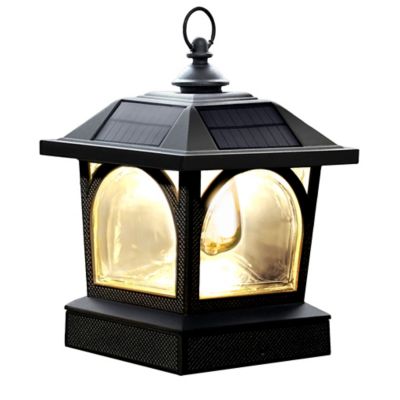
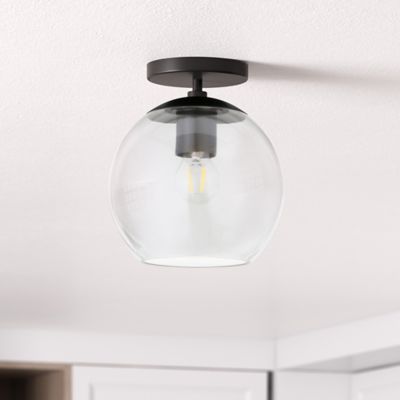
Edison bulb lights feature visible filaments inside clear or tinted housings, giving lamps, pendants, and string lights an old-fashioned glow with plenty of character. Traditional versions create light with a heated wire filament, while LED filament bulbs recreate that familiar look with light-emitting elements arranged inside the bulb. Both styles put the light source on display, making the bulb itself part of the fixture’s appearance rather than something hidden behind a shade. That makes Edison-style lighting a natural fit for open metal pendants, simple wall sconces, clear glass lanterns, and strings of exposed bulbs over a gathering space. Above a farmhouse dining table, a row of glowing filaments can complement wood grain, painted cabinets, and dark iron hardware without making the room feel fussy. Beside a reading chair, the same style brings a softer look to an open-shade lamp, provided the bulb gives enough light for the task. Clear glass keeps the filament visible and gives the light a crisp appearance, while amber-tinted glass adds a deeper golden cast that can change how nearby paint, fabric, and wood finishes look. Teardrop, globe, and tubular shapes each bring a different balance to a fixture. A broad globe fills out an open cage, while a narrow tubular bulb can sit neatly inside a slim lantern. Familiar pear-shaped designs work well where a more understated outline suits the space. The right proportions matter just as much as the glow: a large bulb can crowd a small shade, and a small bulb may look lost in a wide pendant. Edison bulb lights suit folks furnishing a country kitchen, finishing a game room, or adding a welcoming touch around a seating area. They can also make a thoughtful housewarming gift when the recipient’s socket size, fixture dimensions, and lighting preferences are known. Their appeal comes from the combination of a visible filament, a simple shape, and a light that feels at home alongside everyday furnishings.
The best match for a fixture depends on its socket, clearance, electrical rating, and purpose, not just the shape of the glass. Many household Edison-style bulbs have a medium E26 screw base, but smaller bases and other configurations also exist, so the fixture label is the place to confirm compatibility. Bulb width and overall length affect whether the glass clears a shade, fits inside a lantern, or hangs at the intended height. An exposed pendant over a kitchen island needs enough room around the bulb, while an enclosed ceiling fixture also calls for a bulb specifically rated for enclosed operation. For lighting over counters or a dining table,
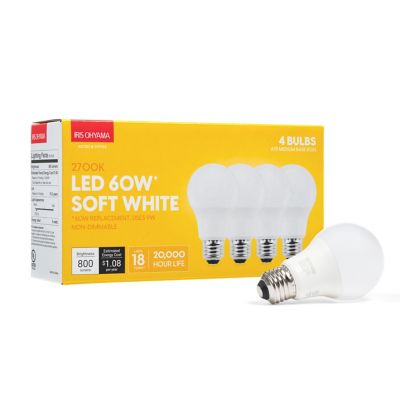
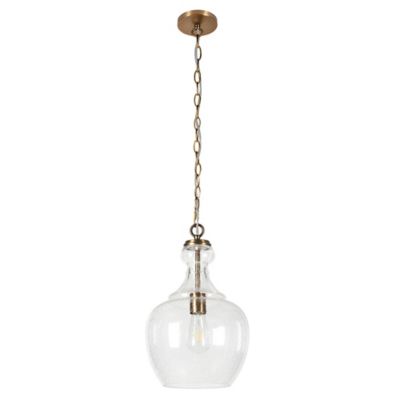
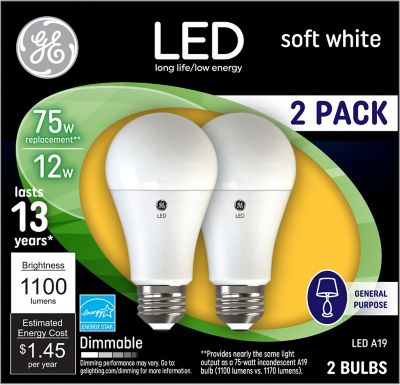
LED Bulbs for Pendant Lights provide another way to explore bulbs suited to hanging fixtures. Brightness is measured in lumens; wattage describes electrical power consumption. A lower-wattage LED can produce light comparable to a higher-wattage incandescent bulb, but the fixture’s maximum wattage still matters. Color temperature describes the appearance of the light, with options around 2200K tending toward an amber glow and those around 2700K offering a familiar warm white. A golden filament may look inviting above a supper table yet leave a workbench short on useful illumination. Spaces that handle both gathering and hands-on jobs benefit from a balance of ambient lighting and brighter task lighting where detail matters. Clear exposed bulbs can also create glare when they sit directly at eye level, so fixture placement and shade design make a noticeable difference in comfort. Dimming adds flexibility, but the bulb must be labeled dimmable and paired with a compatible dimmer. LED dimming performance varies by bulb and control, and an unsuitable pairing can cause flickering, buzzing, or a limited dimming range. Color rendering is worth considering anywhere food, fabric, or paint needs to look natural. A filament pattern may catch the eye, but usable brightness, comfortable placement, and proper fixture fit are what help the lighting earn its place in a busy home.
Edison bulb string lights carry that same exposed-filament look into covered porches, patios, and other gathering areas when their electrical and exposure ratings suit the location. Evenly spaced bulbs can outline a seating area or add a gentle glow above a long table without calling for several separate fixtures. Glass bulbs offer a traditional appearance, while shatter-resistant plastic housings can be a practical choice where an accidental bump is more likely. Neither material takes the place of proper mounting, and a light string should hang from its intended supports rather than place strain on sockets or electrical connections. Outdoor suitability depends on the complete setup, including the bulbs, sockets, cord, connections, and power source. A damp-location rating is not the same as a wet-location rating, and a sheltered porch presents different exposure than an uncovered patio. Manufacturer limits for connected strands and total electrical load also matter, especially across a larger gathering space. For hardwired sconces and pendants, the fixture’s location rating remains important even when the bulb carries an outdoor rating. Routine care is straightforward: with power off and bulbs cool, a soft, dry cloth can lift dust from accessible surfaces without scratching the finish. Glass needs gentle handling, and cracked housings, damaged cords, or loose sockets call for attention before the lights go back into service. LED filament bulbs generally consume less electricity and release less heat than comparable incandescent bulbs, though they still need the operating conditions specified on the package. Rated life offers a comparison point rather than a promise for every setting; heat buildup, frequent switching, and unsuitable controls can affect performance. In multi-bulb fixtures, matching shape, tint, brightness, and color temperature keeps the overall appearance consistent. Whether the setting is a kitchen table, an entryway bench, or a porch seating area, Edison bulb lights work best when their easygoing appearance comes with the right fit and enough useful light for the people spending time there.