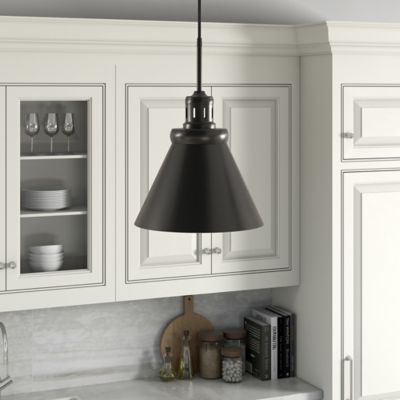
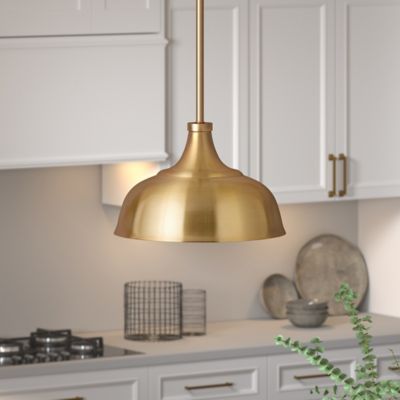
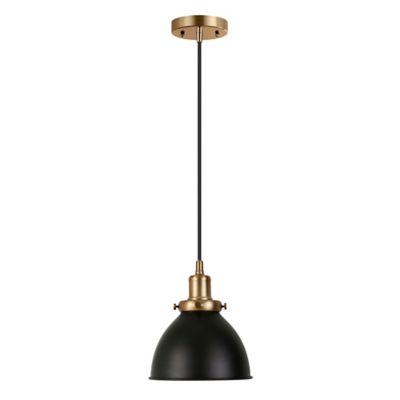
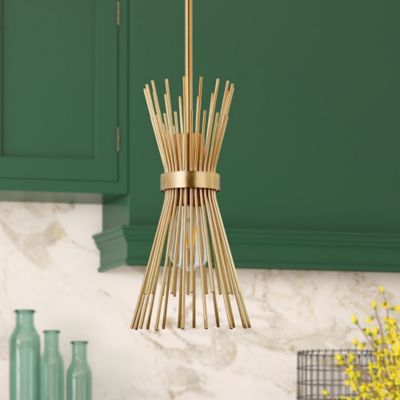
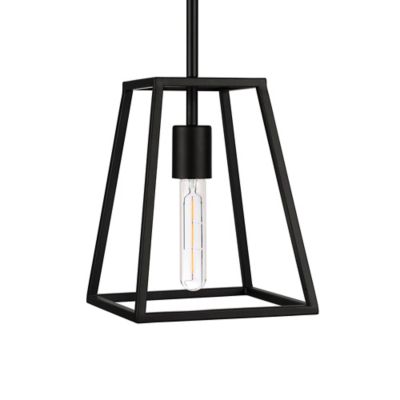
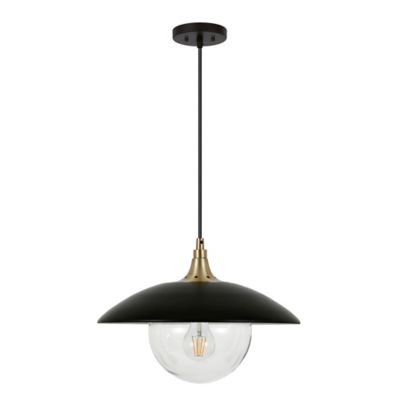
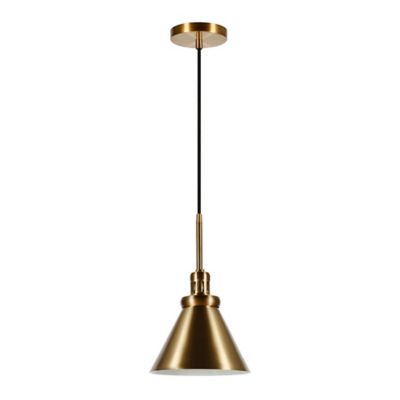
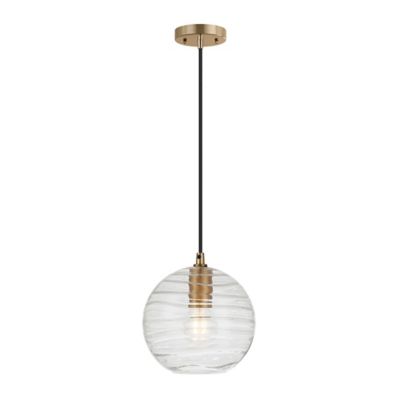
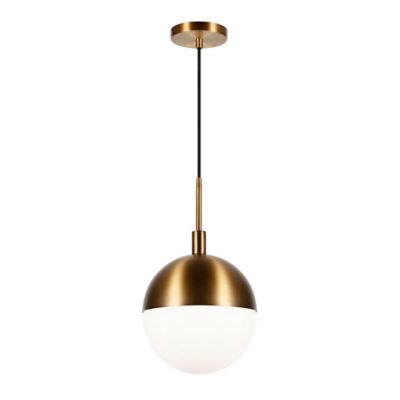
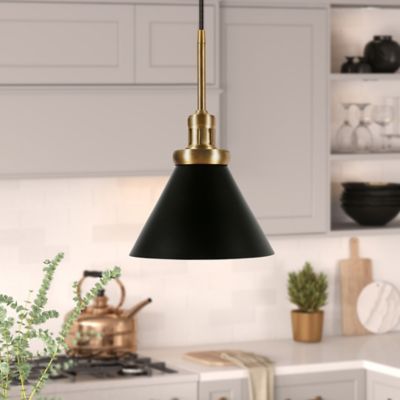
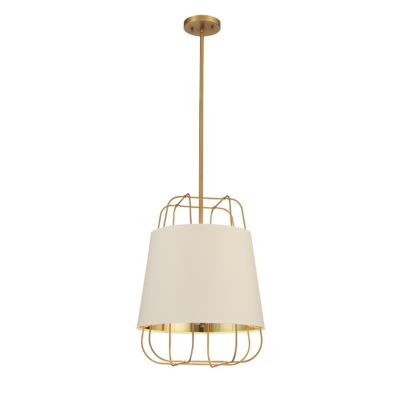
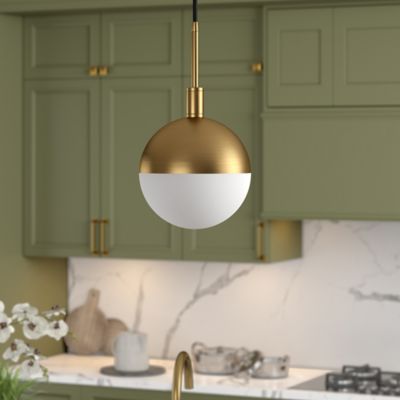
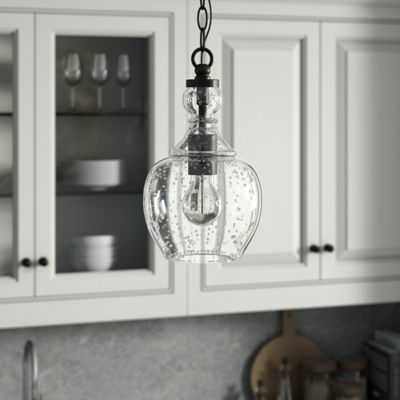
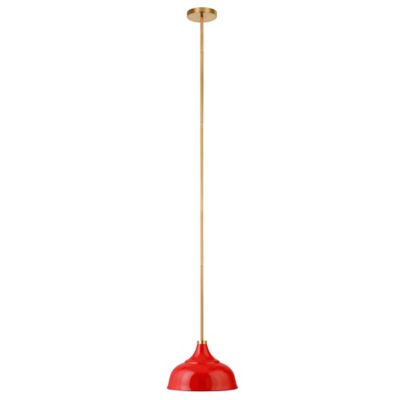
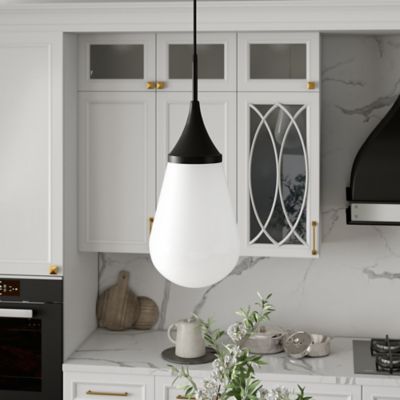
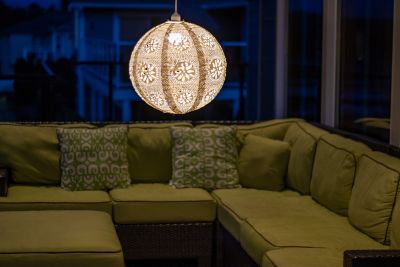
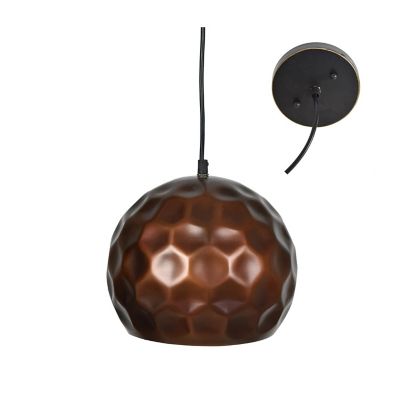
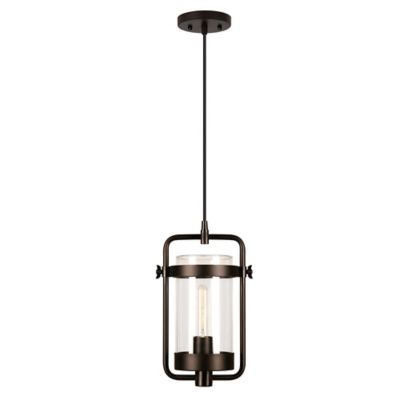
Industrial style pendant lights are hanging fixtures that draw their look from factory and warehouse lighting, with practical shapes, metal shades, exposed hardware, and straightforward construction. They bring that hardworking character into kitchens, dining areas, entryways, and other spaces where overhead light needs to do more than fill a corner. A broad metal dome can put light across a kitchen island, while a narrow cone keeps the shape tidy above a breakfast counter. Open cages leave the bulb visible and give a fixture a lighter outline; enclosed shades make the shade itself the main feature. Steel, iron, aluminum, and glass each bring something different to the mix. Steel offers a substantial look, aluminum can reduce fixture weight, and glass lets light travel beyond the opening at the bottom of the shade. Actual weight depends on the full construction, so material alone does not tell the whole story. Matte finishes tend to soften reflections, while polished or brushed surfaces catch more light and make the hardware stand out. Black is an easy fit beside wood beams, galvanized accents, painted cabinets, and stone countertops. The darker finishes found among
Industrial Black Pendant Lights can create a clear outline against pale walls or carry through the darker tones of cabinet pulls and door hardware. Industrial lighting does not need a room full of metal to feel at home. A simple pendant over a solid wood table can tie together a farmhouse kitchen just as naturally as it can suit a loft with exposed brick. The balance comes from the fixture’s shape, finish, and scale rather than matching every surface. For a home with plenty of wood grain and everyday activity, a plain metal shade often feels right at home without making the room feel dressed up for company. Visible screws, shade rims, sockets, and suspension hardware add character through construction details rather than extra ornament.
The way a pendant fits the room matters as much as its finish. Shade diameter, fixture height, ceiling height, and the length of the hanging cord, chain, or stem all affect how the light sits over furniture and walkways. A wide shade can hold its own above a substantial dining table, while smaller pendants can form a balanced row over a long counter. Several hanging lights also mean several visible cords or stems, so spacing affects the overall look even when the lights are off. The bottom of a pendant above a kitchen island often falls around 30 to 36 inches above the countertop, though ceiling height, fixture shape, sightlines, and installation requirements can call for a different placement. Over a walkway, head clearance takes priority. A tall person carrying a basket through a mudroom needs a different arrangement than someone seated at a breakfast bar. Adjustable hanging lengths can help accommodate those differences, but the listed adjustment range is worth checking before settling on a fixture. Sloped ceilings may require compatible mounting hardware, and a heavier fixture needs proper support at the electrical box. Light direction also changes how a space feels. An opaque shade generally sends more light downward, making it a useful choice over a table or work surface. Clear glass and open frames allow more light to spread around the room, although a visible bulb can create glare when it hangs near eye level. Bulb brightness, measured in lumens, helps determine how much light reaches the space; color temperature influences whether that light looks warm or crisp. Warm white light often suits dining and gathering areas, while a more neutral tone can make sense where reading labels or sorting paperwork is part of the routine. Dimming adds flexibility when the fixture, bulb, and dimmer are compatible. Bulb shape matters, too, especially inside a cage or clear shade where the bulb becomes part of the fixture’s appearance.
Industrial pendant lighting can serve homeowners refreshing a kitchen, folks finishing a shop office, or anyone bringing a more practical look to a gathering space. Intended use should stay at the center of the choice. A light above a family table has different demands than one near a utility sink, in a covered outdoor area, or inside an agricultural building. A rugged appearance does not establish an electrical rating. Dry-, damp-, and wet-location ratings indicate different levels of exposure, and the fixture’s listing needs to match the installation site. Dust-heavy work areas and buildings with livestock may have additional electrical requirements that an ordinary household pendant does not meet. Manufacturer instructions and a qualified electrician can help establish the right mounting method, wiring connections, and location. For everyday service, the small construction details matter: secure shade attachments, suitable finishes, accessible sockets, and a design that allows routine cleaning without a struggle. Smooth metal shades generally have fewer places to trap kitchen residue than layered cages or intricate frames. Clear glass keeps the bulb visible but also shows fingerprints and dust more readily; textured glass can soften the view without hiding the light completely. Cleaning should follow the manufacturer’s directions, with power off and the fixture cool before any work begins. A soft cloth is often enough for routine dust, while abrasive pads and harsh cleaners can damage certain finishes. Bulb replacement deserves a little thought as well, especially above a large island where reaching the socket may be awkward. Socket type, bulb dimensions, maximum wattage, and any enclosed-fixture requirements all need to line up. With those practical details accounted for, industrial pendants bring a straightforward combination of focused light and visible craftsmanship to everyday spaces. Whether hanging over morning coffee, a table full of paperwork, or the counter where supper comes together, the right proportions and light output help the fixture earn its place in the room.