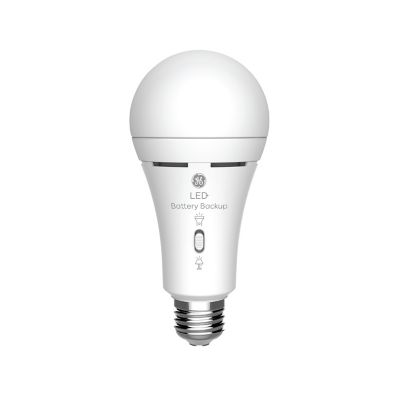
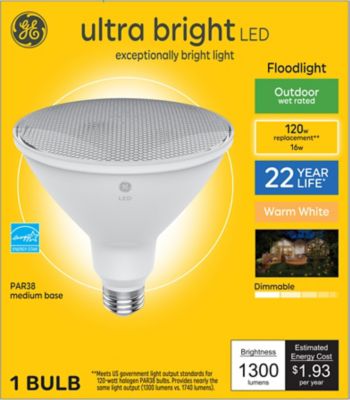
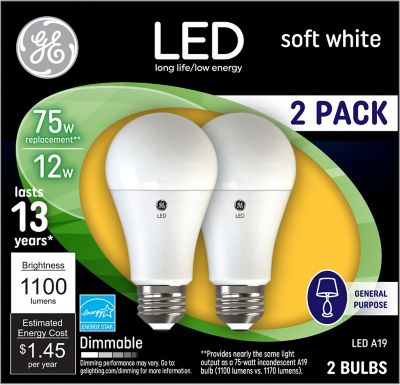
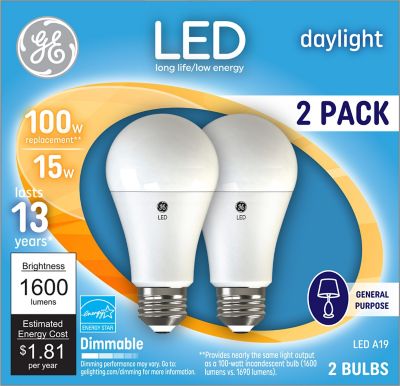
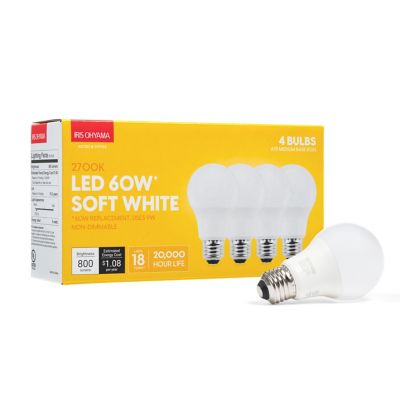
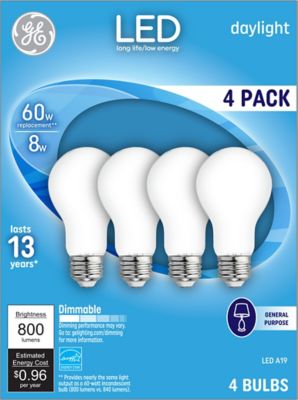
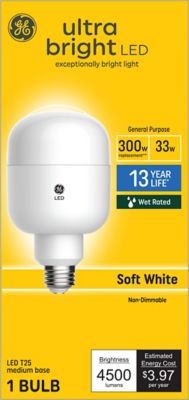
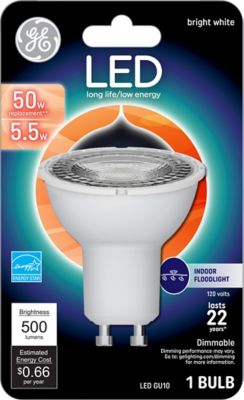
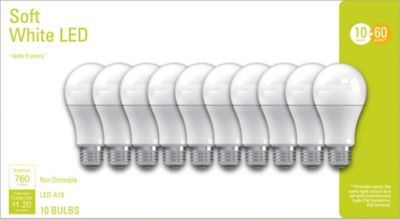
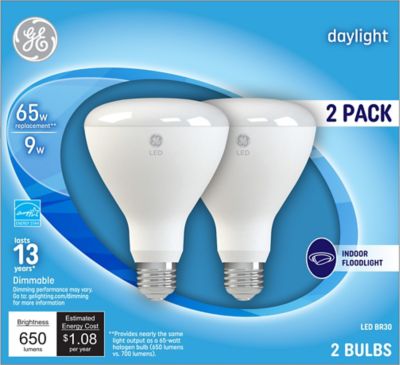
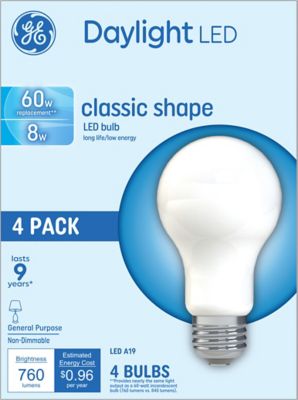
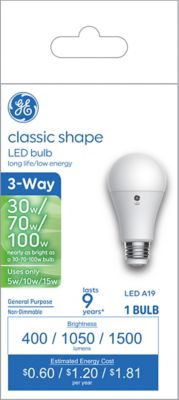
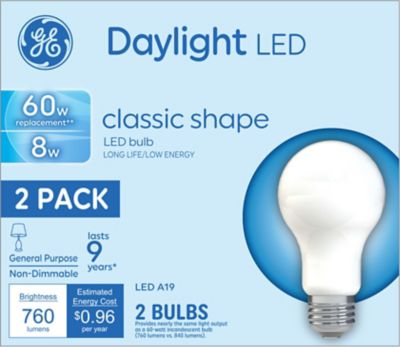
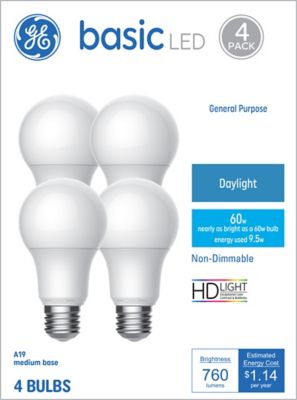
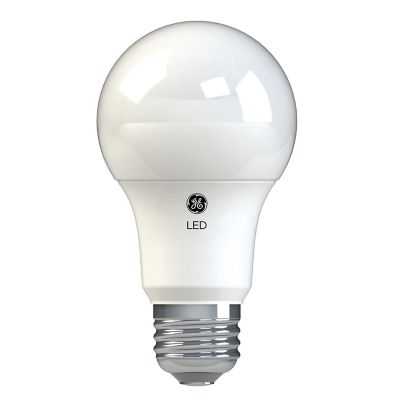
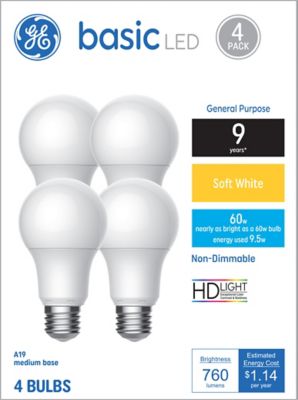
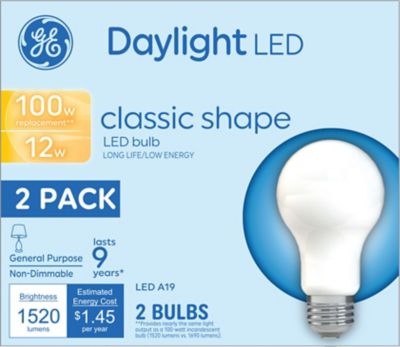
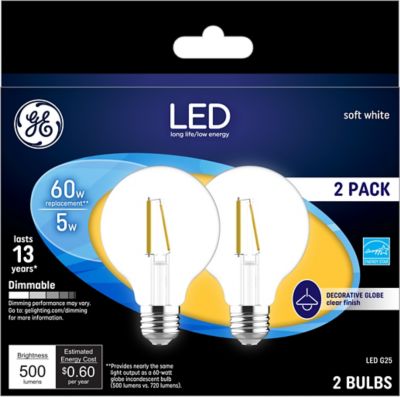
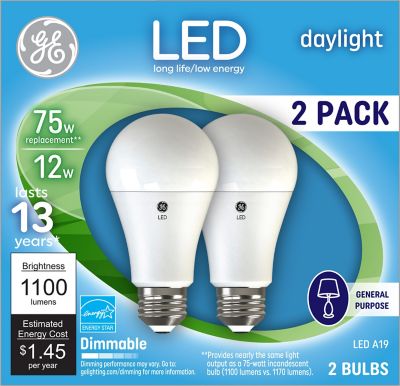
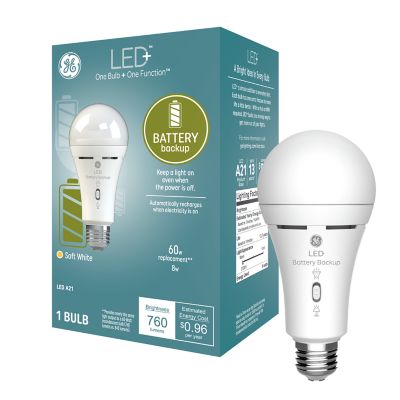
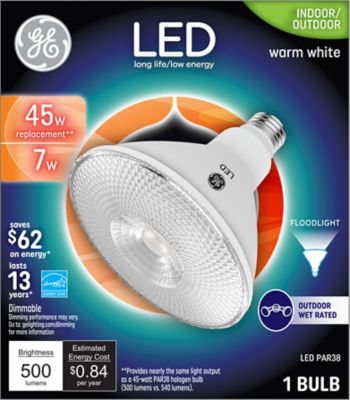
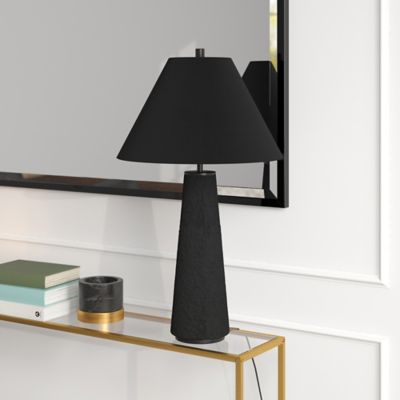
LED lamp bulbs bring steady, efficient light to the places where everyday work and downtime happen, from a kitchen table covered with paperwork to a reading chair beside the bookcase. They make light with light-emitting diodes rather than a glowing filament, so they generally need much less electricity than incandescent bulbs to deliver similar brightness. An LED bulb can use roughly 75% to 85% less electricity than an incandescent bulb with comparable light output, depending on the bulbs being compared. Brightness is measured in lumens, while watts describe electricity consumption. Around 800 lumens provides brightness similar to a traditional 60-watt incandescent bulb; roughly 1,100 lumens corresponds to a 75-watt incandescent, and about 1,600 lumens corresponds to a 100-watt incandescent. Those comparisons help put the numbers in familiar terms, but the lamp shade, room size and distance from the light all affect how bright a spot feels. A dark shade can hold back more light than a pale fabric shade, and a bulb tucked deep inside a fixture may not spread light across a tabletop as readily. Light color matters just as much when a lamp stays on for hours. Color temperature, measured in Kelvin, describes whether the light looks warm or cool rather than how much heat the bulb gives off. Bulbs labeled 2700K to 3000K give off warm white light that fits living rooms, bedrooms and spaces meant for settling in. Around 4000K looks more neutral, while 5000K has a cooler, daylight-like appearance that some people prefer for detailed tasks. Higher Kelvin numbers do not automatically mean more brightness; lumens still tell that part of the story. For sewing a loose button, sorting hardware or reading small print, light directed onto the task can matter more than filling the whole room with a brighter bulb. A higher color rendering index, or CRI, can also help colors look more natural when matching thread, checking paint samples or comparing fabric.
A good fit starts with the lamp socket, but it does not end there. E26 medium screw bases are common in household lamps, while smaller E12 candelabra bases fit some compact fixtures. Base size and bulb shape are separate details: a bulb may screw into the socket yet still crowd the shade or extend farther than the lamp was designed to accommodate. A19 describes a familiar rounded household bulb shape, not its base size, brightness or wattage. Overall length and width matter in narrow shades, short lamp housings and fixtures with a shade that clips directly onto the bulb. The bulb should sit clear of the shade and any surrounding parts, following the lamp maker’s clearance requirements. For lighting beside a recliner or sofa,
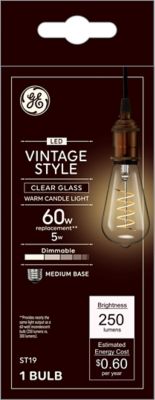
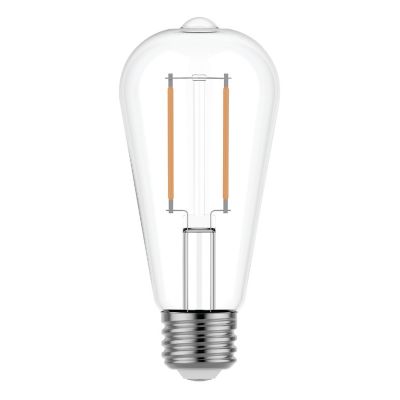
LED bulbs for floor lamps bring the same fit considerations, along with the need to keep bright light out of seated eye level. Frosted bulbs soften the appearance of the light source, while clear bulbs leave the internal elements visible and may create sharper points of light through an open shade. Light distribution matters, too. An omnidirectional bulb spreads light broadly around a lamp, while a directional design concentrates more of its output toward a particular area. Controls deserve a close look before swapping bulbs. A dimmable LED bulb needs a compatible dimmer; a standard non-dimmable bulb is not a substitute in a dimming circuit. Older dimmers designed around incandescent loads may cause flickering, buzzing or a limited dimming range with LEDs. A three-way lamp generally needs a three-way LED bulb to provide its intended low, medium and high settings. Touch controls, timers and other electronic switches can also have compatibility requirements. The lamp’s maximum wattage rating still applies to the bulb’s actual electrical draw, not the larger incandescent-equivalent number on the package. A brighter replacement also needs the right shape, clearance and fixture rating, even when its wattage is well below that limit.
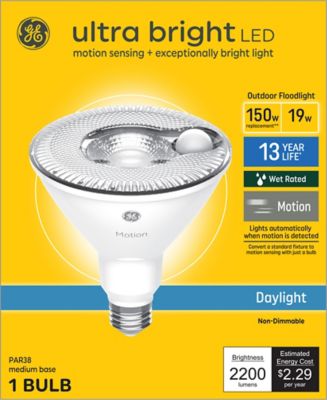
Materials and operating conditions play a big part in how LED lamp bulbs hold up over time. Depending on the design, the outer cover may be glass or plastic, with internal electronic components and a body that helps move heat away from the LEDs. LEDs send less heat outward with their light than incandescent bulbs, but their electronics still generate heat that needs somewhere to go. A bulb rated for an enclosed fixture is important when a globe or housing traps heat around it; an open table lamp and a tightly covered fixture are not the same setting. Rated life is an estimate under stated test conditions, not a promise that every bulb will last that long in every lamp. Excess heat, incompatible controls and unsuitable electrical conditions can shorten service life, and some LEDs gradually lose brightness rather than failing all at once. That makes fixture compatibility more useful than choosing by an hours claim alone. Location ratings matter around the property as well. A dry-location bulb belongs in a dry setting, while damp- and wet-location applications need the appropriate ratings for both the bulb and fixture. A household lamp bulb is not automatically suitable for a livestock area, a dusty feed room or a fixture exposed to washdown. Those spaces call for lighting equipment rated for the actual conditions. For everyday care, switch off the power and let the bulb cool before handling it, grip the bulb body gently and avoid overtightening the base. A soft, dry cloth can clear dust that dulls light output; sprays and wet cleaning should stay away from sockets and electrical parts. A loose socket, damaged cord or scorched lamp holder calls for attention to the fixture rather than another bulb change. When a bulb reaches the end of its service life, local disposal and recycling rules determine the next step. With the right base, light output, color and operating rating, LED lamp bulbs can make a reading corner more comfortable and a work surface easier to see without changing the lamp that already fits the space.