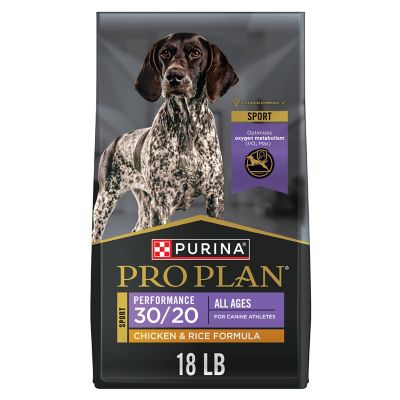
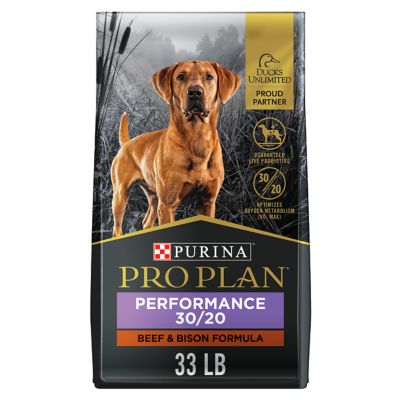
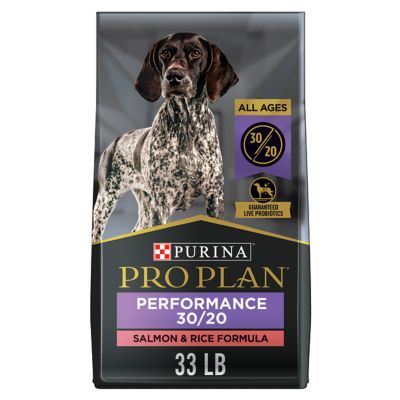
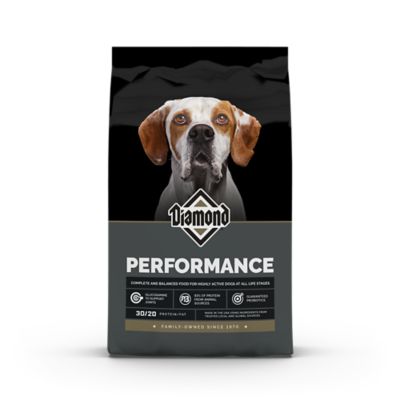
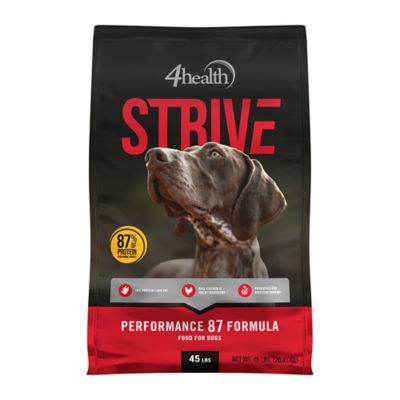
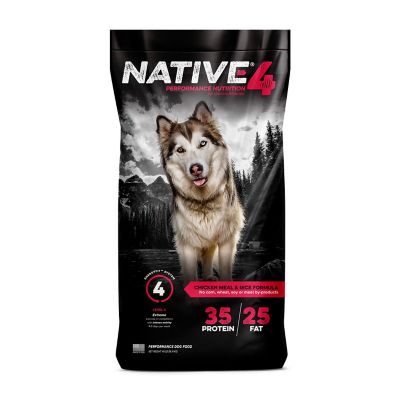
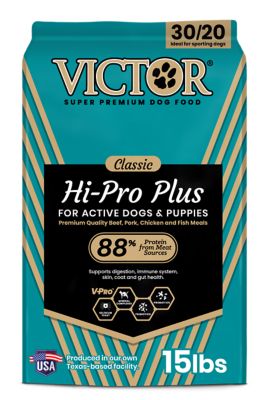
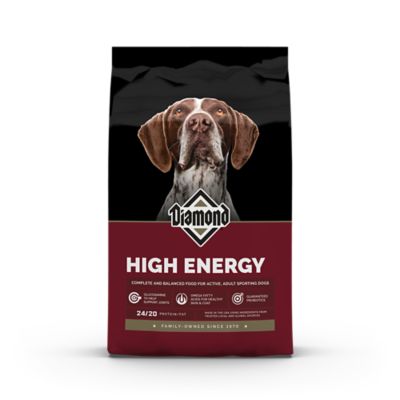
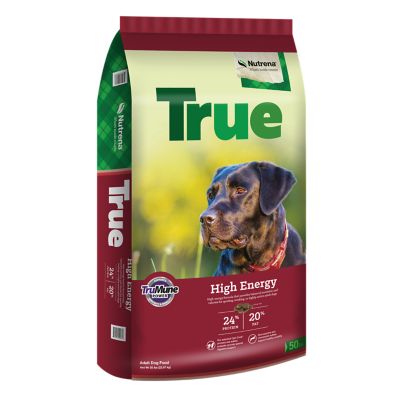
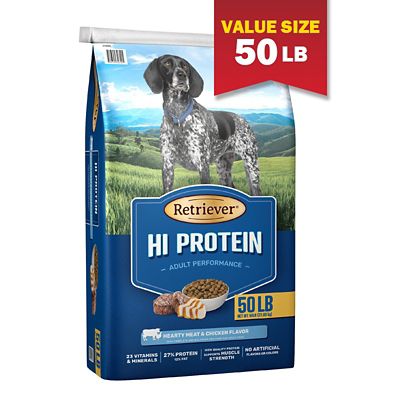
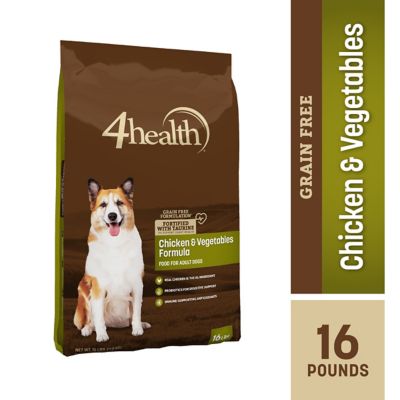
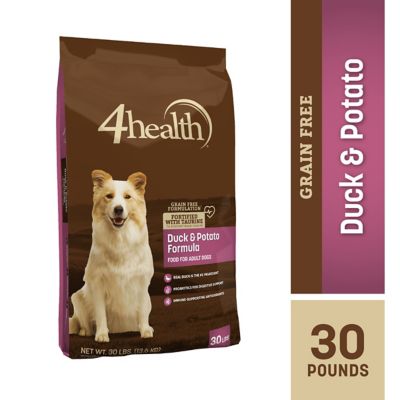
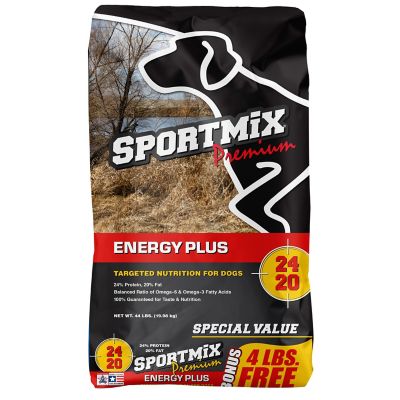
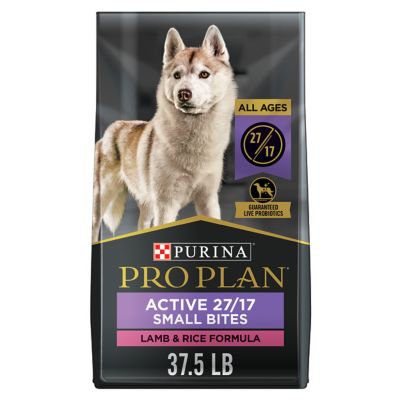
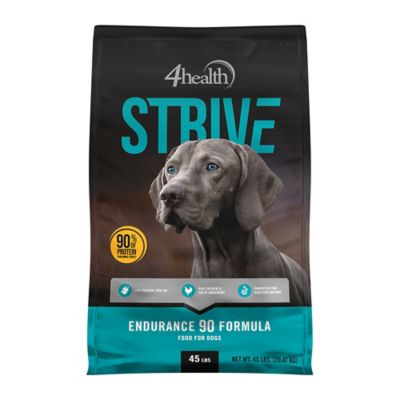
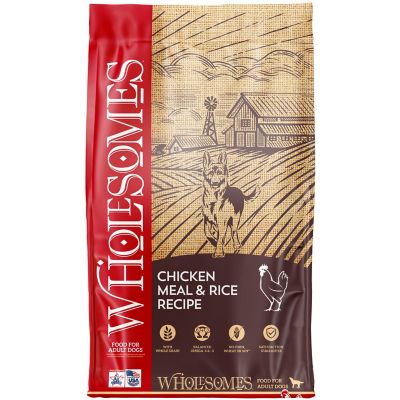
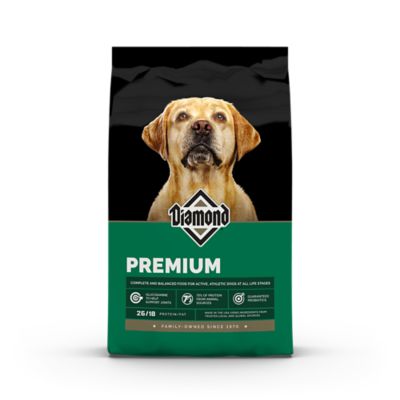
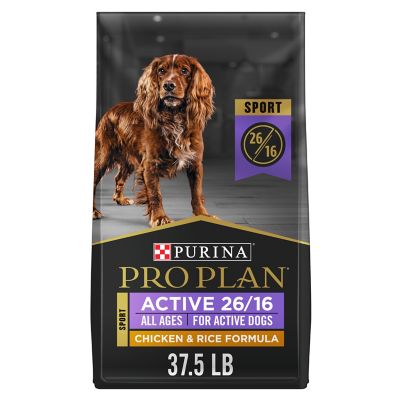
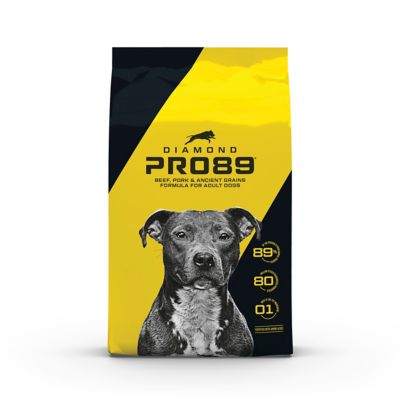
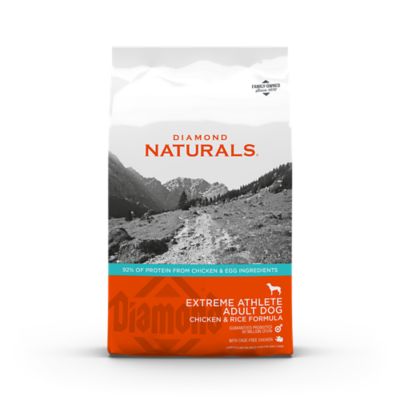
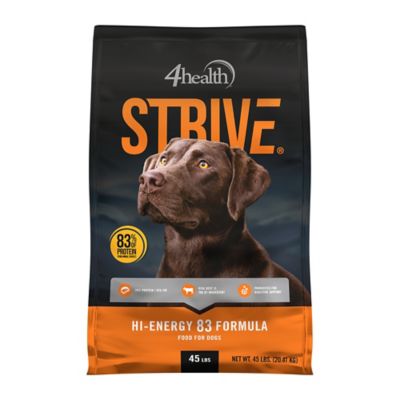
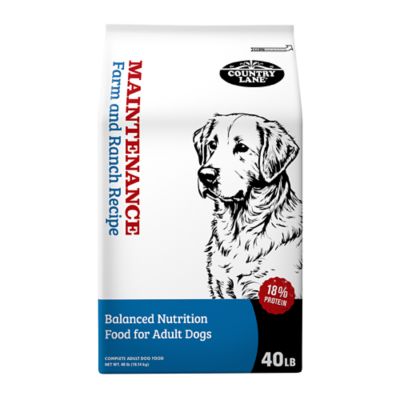
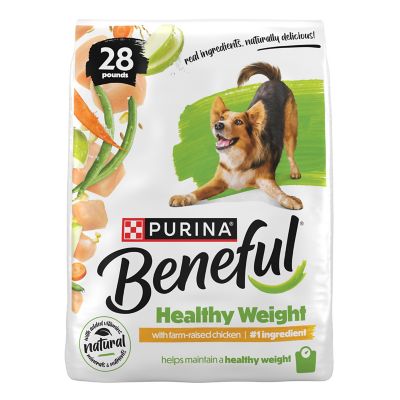
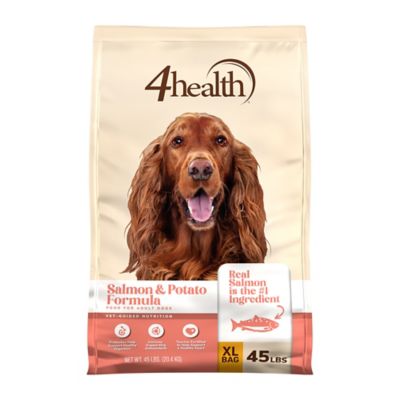
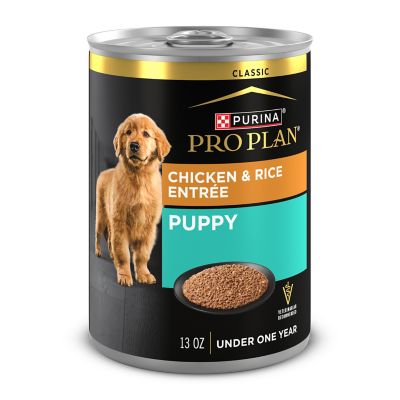
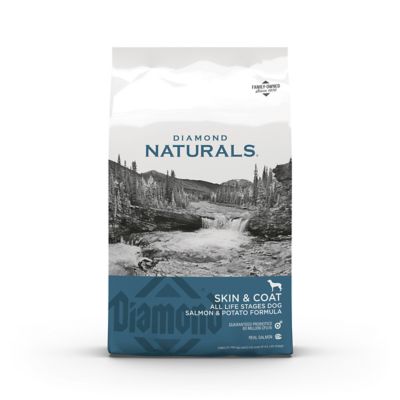
Dry dog food for working dogs fits the everyday routine of dogs that have a job to do, whether that means moving cattle through a gate, checking fence lines alongside a rancher, tracking a scent, or covering ground with a handler. Those jobs can look quite different from one dog to the next. A stock dog making quick turns across a pasture may have different calorie needs than a livestock guardian that spends much of the day watching a flock, even when both dogs put in long hours. The right food supports the work without adding weight that makes it harder to move comfortably. Dry formulas offer a practical way to serve consistent meals at home, at the barn, or while traveling between jobs, with feeding amounts that can be measured and adjusted to each dog’s needs. Protein supplies amino acids that support muscle maintenance, while fat provides concentrated energy. Digestible carbohydrates can also contribute energy, and vitamins and minerals support normal body functions. Higher-calorie food may suit a dog with demanding daily activity, but a richer formula is not automatically the best fit for every working dog. Body condition, age, health, and the amount of work actually performed matter more than a working-dog label alone. A dog should generally have ribs that are easy to feel without a thick covering of fat, along with a visible waist when viewed from above; coat thickness can make a hands-on check especially helpful. Food labeled complete and balanced for the dog’s life stage provides a foundation for daily feeding. The nutritional adequacy statement on the package helps distinguish food intended for adult maintenance from food formulated for growth or other life stages. For dogs whose workload changes between long days in the field and quieter days around the property, sensible portions help keep nutrition matched to the job. Fresh drinking water belongs close at hand throughout that routine.
Working-dog kibble comes in a range of recipes, calorie concentrations, shapes, and sizes, so there is more to consider than the protein percentage printed on the bag. Meat, poultry, fish, grains, and other ingredients can contribute nutrients in different combinations, and the full formula matters more than any single ingredient. An ingredient list identifies what goes into the food, while the guaranteed analysis gives stated minimums or maximums for certain nutrients. Neither tells the whole story of how an individual dog will do on a recipe. Steady weight, comfortable digestion, formed stools, and a healthy-looking coat are useful everyday signs to watch alongside veterinary checkups. Calories per cup are particularly important when comparing dry foods because the same scoop can deliver a different amount of energy from one formula to another. A compact, calorie-dense kibble can help meet higher energy needs without an especially large meal, while a less concentrated recipe may better suit a dog with lighter duties. Kibble size should also fit the dog’s mouth and eating habits; an eager eater that gulps meals may benefit from an appropriate slow-feeding bowl. For dogs with suspected food sensitivities, repeated recipe changes can make the picture harder to sort out, so a veterinarian can help identify a suitable feeding plan. Grain-free food is not a requirement simply because a dog works hard. Puppies headed toward farm work still need nutrition for growth rather than an adult performance diet chosen only for its calorie content. Large-breed puppies have particular growth requirements, making the life-stage statement especially important. Older working dogs may remain keen to follow the truck or check the livestock, but their portions may need adjustment as activity changes. Treats, training rewards, and extras count toward daily calories, too, especially during repeated practice at gates, pens, or recall work.
A feeding routine that fits the household and the job makes dry food easier to manage over the long haul. Measured meals help show how much a dog actually eats, rather than leaving intake to guesswork from a bowl that stays topped off. Package feeding directions provide a starting point, not a fixed amount for every dog of the same weight. A lean, hard-working dog covering miles may need a different portion than a similarly sized dog doing shorter rounds, and adjustments are best made with body condition and workload in mind. When changing foods, a gradual transition over several days can help limit digestive upset; dogs with a sensitive stomach or a medical condition may need a slower plan from their veterinarian. Meal timing deserves attention as well, particularly for large, deep-chested dogs and dogs heading into strenuous activity. A veterinarian can recommend a schedule that fits their needs and discuss the risk of bloat. For dogs whose days mix farm chores with trail miles, training sessions, or plenty of running room,
Dog Food for Active Dog offers another way to explore food suited to an active routine. Once a bag comes home, storage and bowl care help keep that routine on track. Keep dry food in its original bag, close the opening securely, and place the bag inside a clean container with a snug lid if extra protection is needed. Holding onto the package also preserves the feeding directions, lot number, and best-by date. Store it in a dry location away from sunlight, moisture, pests, and farm chemicals, rather than leaving an open bag beside feed-room traffic. Clean food containers between bags instead of pouring fresh kibble over old crumbs, and wash bowls regularly. With a suitable formula, sensible portions, and straightforward care, dry dog food can support the daily needs of a working partner, from the first trip through the gate to the last check of the pens.