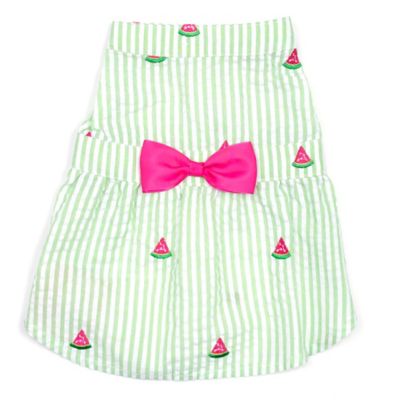
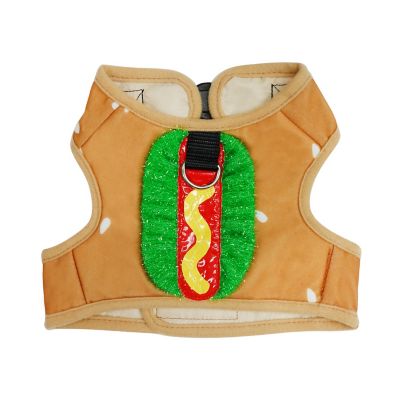
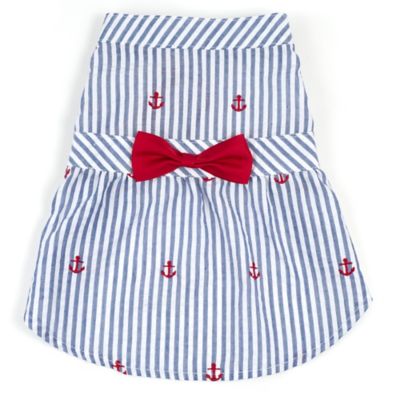
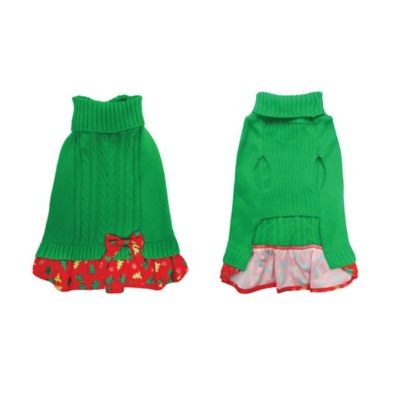
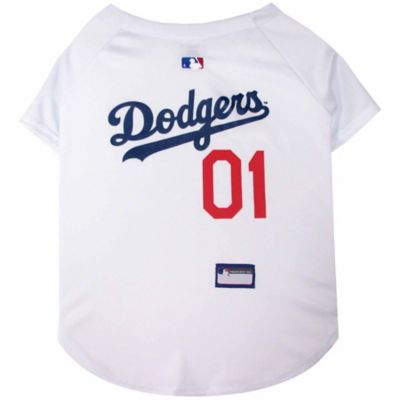
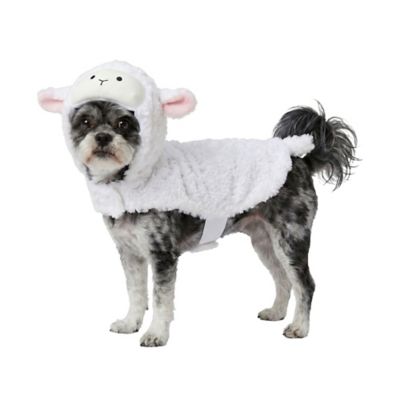
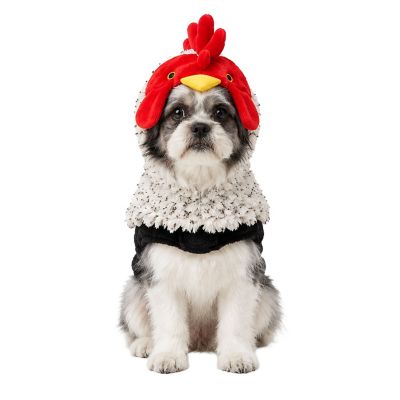
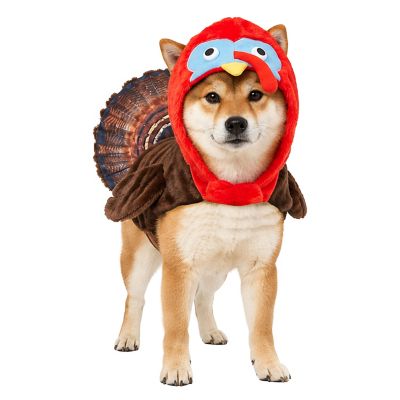
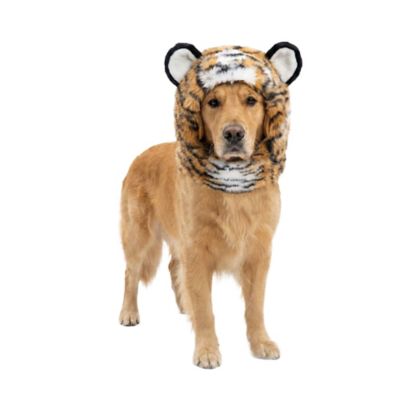
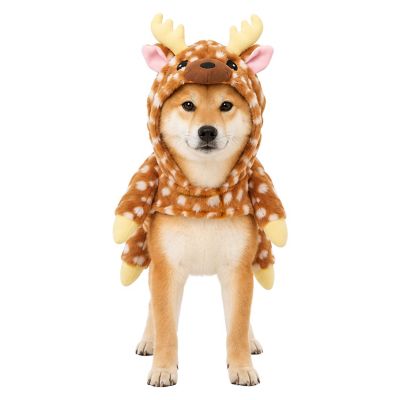
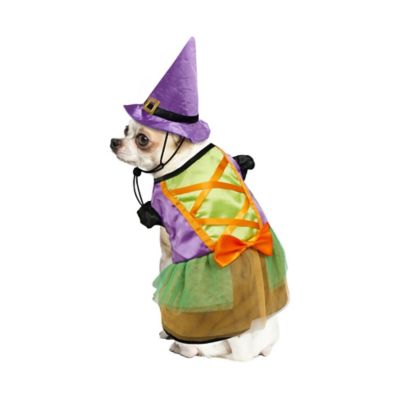
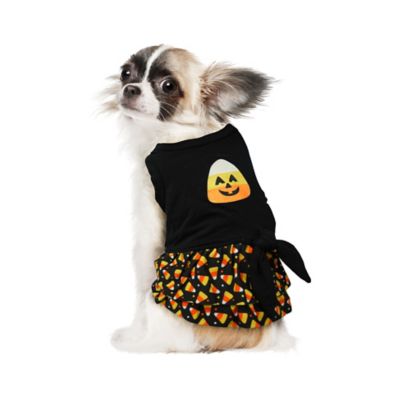
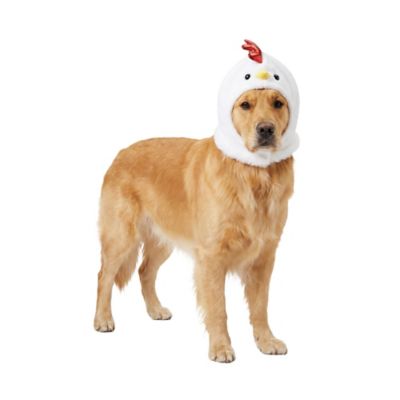
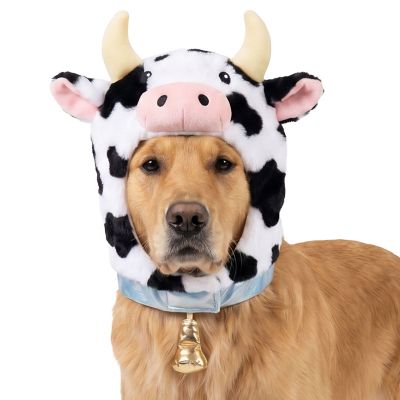
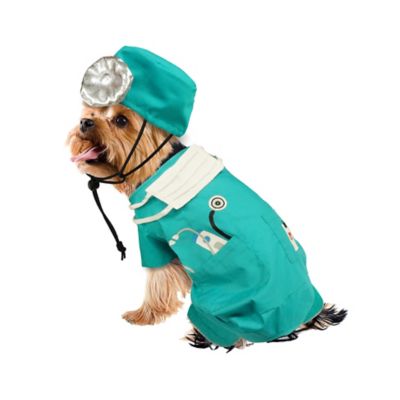
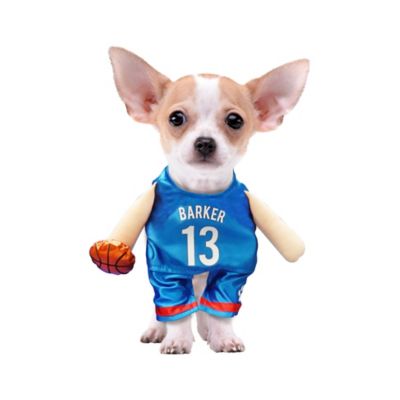
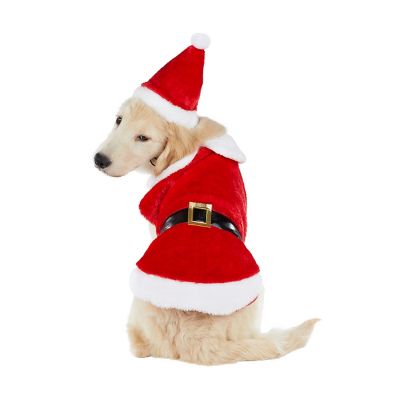
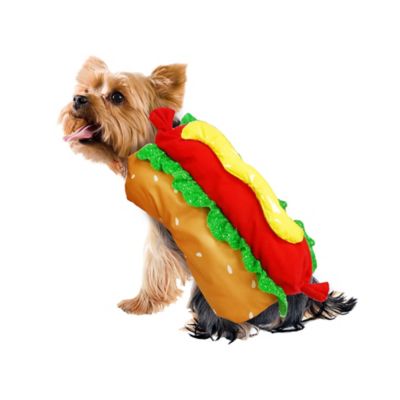
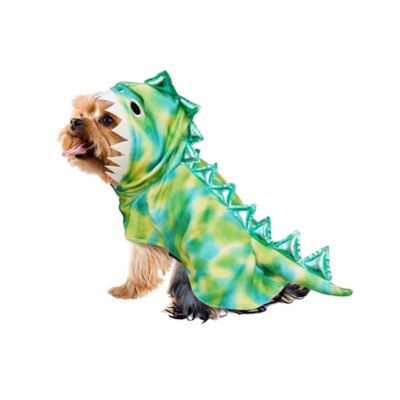
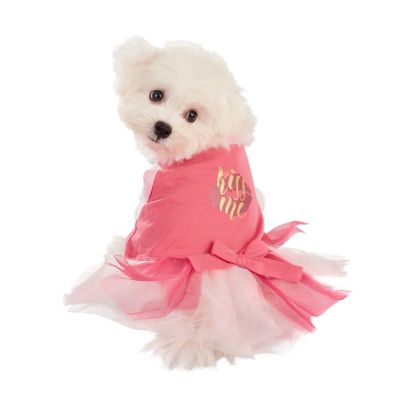
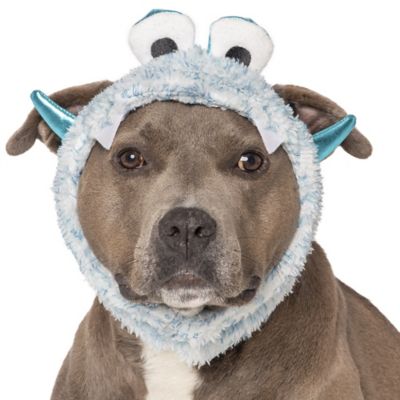
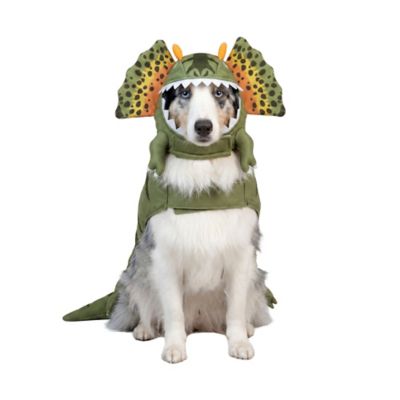
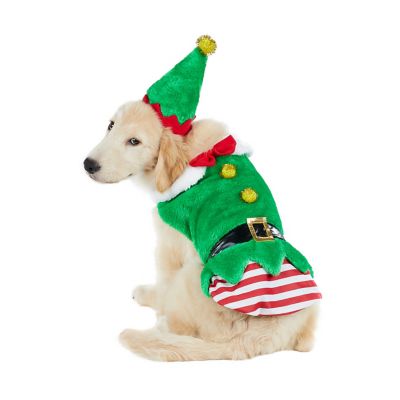
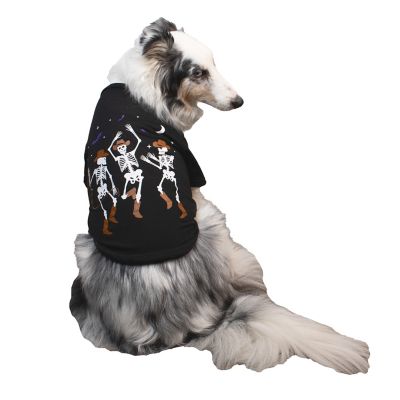
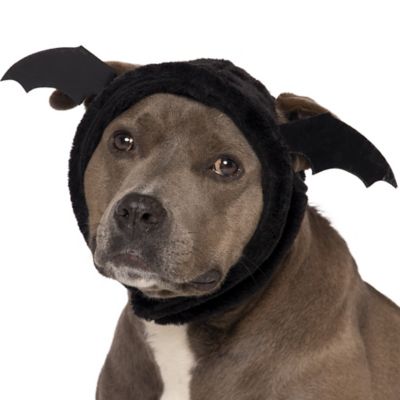
Dog dress-up clothes bring a little extra fun to birthday parties, costume gatherings, family pictures, and everyday outings with a four-legged sidekick. The range runs from simple bandanas and lightweight shirts to coordinated outfits and full dog costumes, giving pet owners different ways to match the occasion without overlooking their dog’s comfort. A dog who happily wears a shirt may enjoy a more complete outfit, while one who prefers less fuss might be better suited to a soft accessory that leaves the body uncovered. The best match depends as much on the dog’s habits as on the look. An easygoing porch companion may sit contentedly for a family photo, while an energetic pup needs clothing that stays clear of busy legs and leaves plenty of room to move. For birthday celebrations,
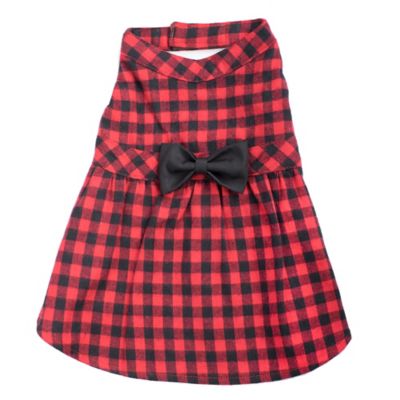
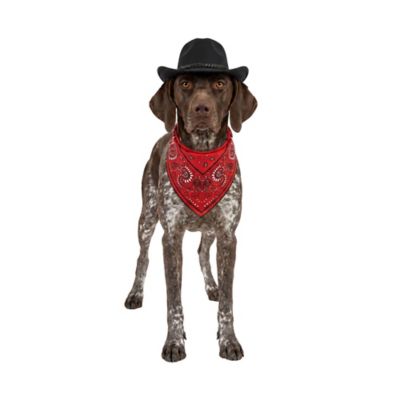
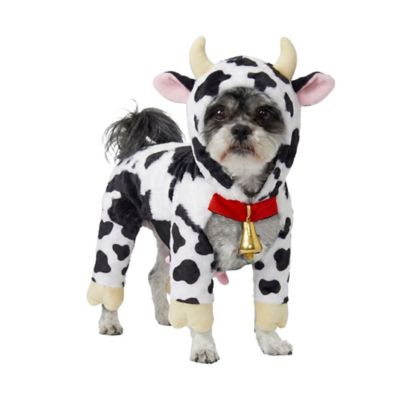
Birthday Outfits For Dogs brings the focus to party looks for the guest of honor, whether the celebration means a few treats at home or pictures with the whole family. Halloween costumes, wedding attire, and coordinated family looks serve different occasions, but each should let the dog remain comfortable and recognizable beneath the outfit. Color, pattern, and silhouette can carry the theme without requiring a lot of extra pieces. A bold print can stand out in a snapshot, while a dressier shape can suit a special gathering. Clothing with fewer attachments also means less to shift around when a dog sits beside the picnic table or stretches out at someone’s feet. For many households, the appeal is simply including the dog in a family tradition. A thoughtful outfit adds to that moment without turning a relaxed get-together into a struggle over sleeves, straps, or headwear. Dog dress-up works best when the outfit fits the dog’s personality just as well as it fits the occasion.
Fit is the biggest consideration when comparing dog outfits, and breed names or body weight alone rarely tell the whole story. Neck circumference, chest circumference, and back length give a better picture of how clothing will sit. Chest measurements generally follow the widest part of the rib cage behind the front legs, while back length runs from the base of the neck to the base of the tail. Those measurements need to be matched to the maker’s size chart, since a size name can mean different things across clothing styles. Broad-chested dogs, long-bodied dogs, and dogs with thick coats may need different proportions even when their weights are similar. A comfortable outfit allows normal breathing, walking, sitting, lying down, and bathroom breaks without fabric pulling at the throat or bunching beneath the belly. Leg openings deserve attention, too; a shirt that looks roomy across the back can still rub behind the front legs. Materials affect that feel. Cotton blends can provide a soft surface against the coat, stretch knits allow some give during movement, and smooth synthetic fabrics can support costume shapes and printed details. None of those material names alone guarantees a comfortable fit, so fabric weight, stretch, lining, and seam placement all matter. Flat seams and covered edges help limit rough contact, especially around the chest and underarms. Closures should lie comfortably away from sensitive areas, and neck openings should leave space without slipping over the shoulders. Adjustable fastenings can help fine-tune the fit, but loose strap ends should not trail where paws or teeth can reach them. Openings for a harness or leash attachment are useful only when they line up properly with the dog’s regular walking gear. Dress-up clothing does not take the place of a fitted collar or harness, and costume loops or accents should never serve as leash attachment points.
Care and construction matter once an outfit leaves the picture-taking spot and meets real life: muddy paws at the back door, a roll across the rug, or a snack that misses the mouth. Washable fabrics can make repeat wear simpler, but care directions vary with the material, trim, and fastenings. Some pieces tolerate machine washing, while others call for gentle cleaning and air-drying to protect their shape. Hook-and-loop closures can catch hair and snag nearby fabric, so fastening them before laundering can help keep the outfit tidy. Strong stitching, neatly finished hems, and securely attached details are worth considering for clothing that may make several appearances at family gatherings. Small bows, bells, dangling trim, and loose attachments deserve extra caution around dogs that chew or carry things in their mouths. Even a well-fitting outfit is meant for supervised wear, not for time alone in a crate or out in the yard. Clothing should leave the eyes, ears, nose, and mouth unobstructed, with no parts that interfere with panting or hearing. Pawing at the outfit, repeated attempts to escape it, a tucked tail, or standing unusually still can signal that a dog is uncomfortable; taking the clothing off is more important than getting the picture. Short, calm wear suits many dogs better than keeping an outfit on through an entire gathering. For gift giving, dog clothing can be a thoughtful pick for a pet-loving friend or relative when the dog’s measurements, comfort preferences, and usual activities are known. A simple style may suit a dog new to clothing better than an elaborate costume. Between wears, clean, fully dry outfits store best with loose accessories kept out of reach. Whether the occasion calls for a playful costume or a small finishing touch, comfort, sensible construction, and easy care help keep the focus where it belongs: on enjoying time with the dog.