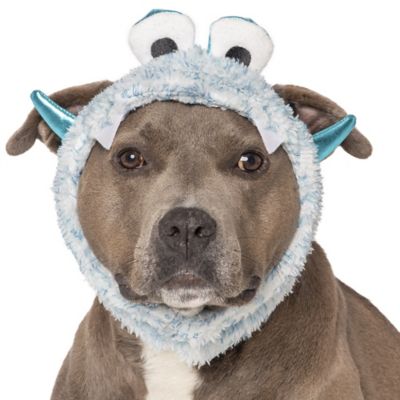
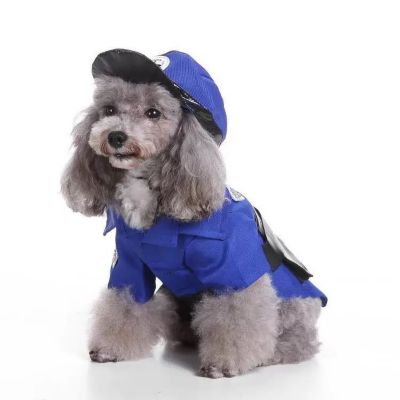
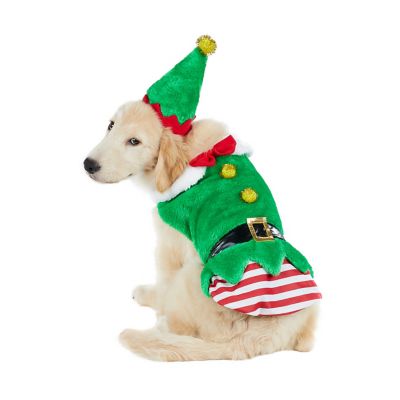
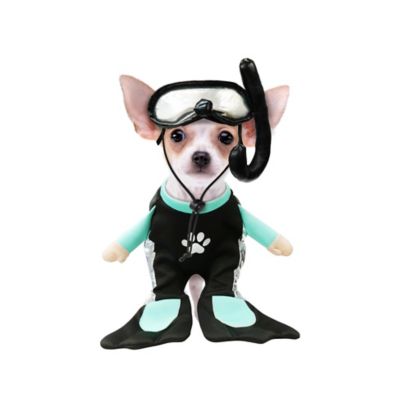
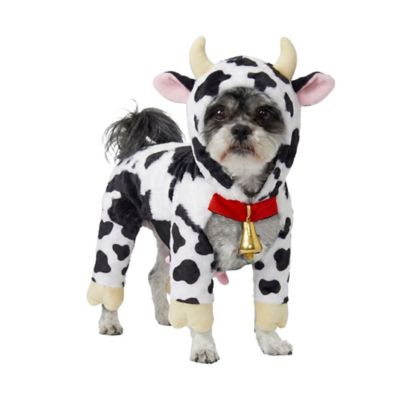
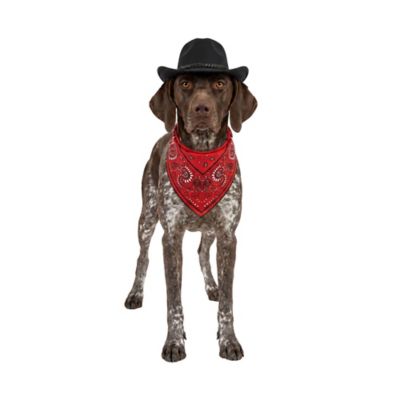
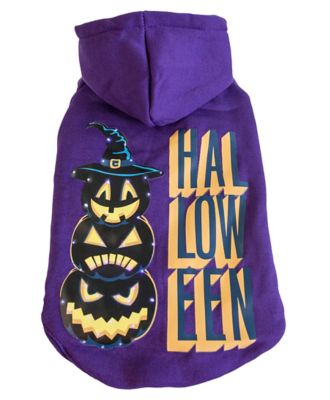
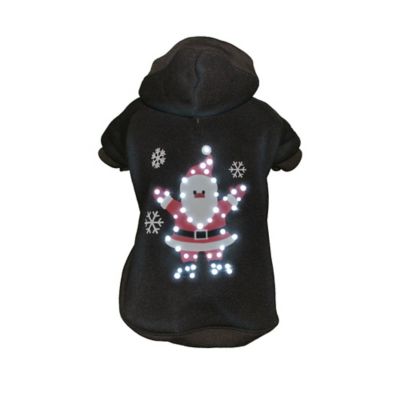
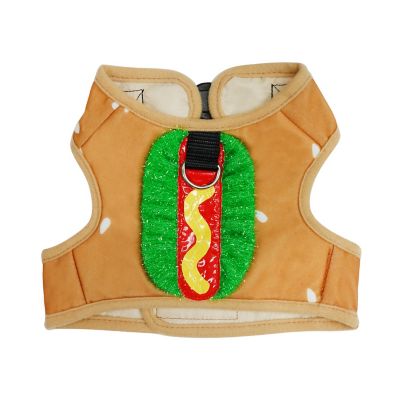
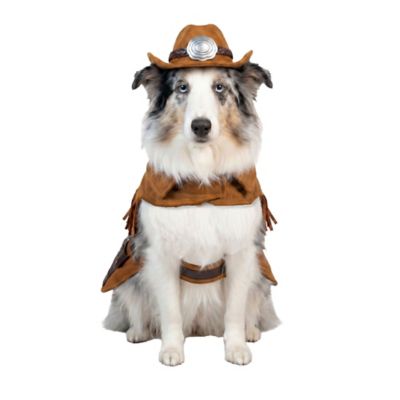
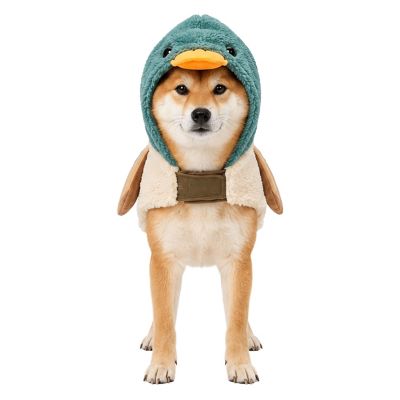
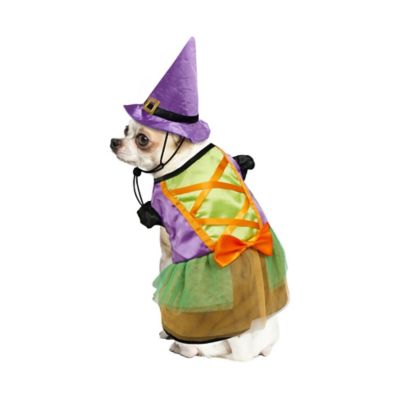
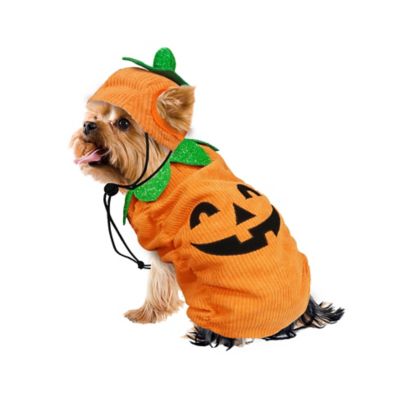
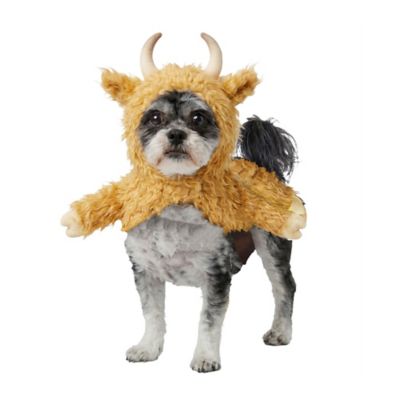
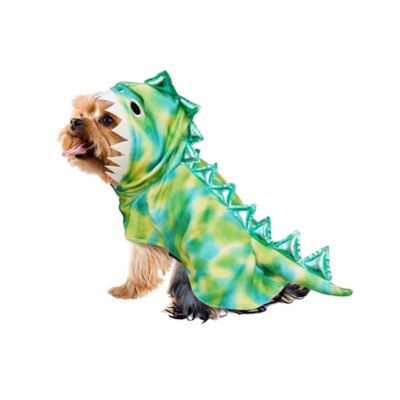
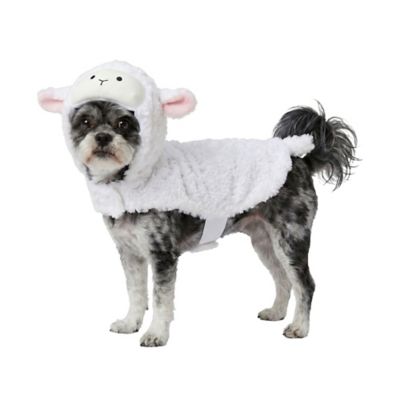
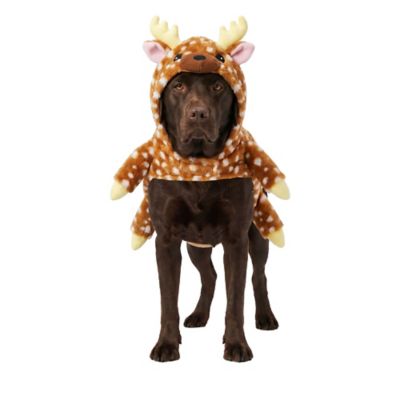
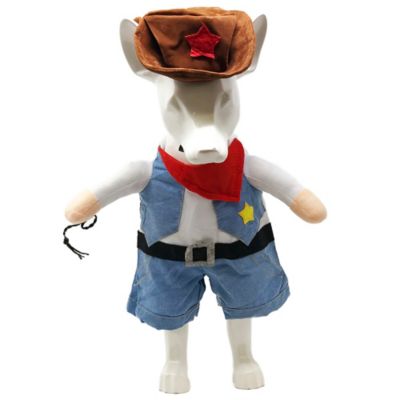
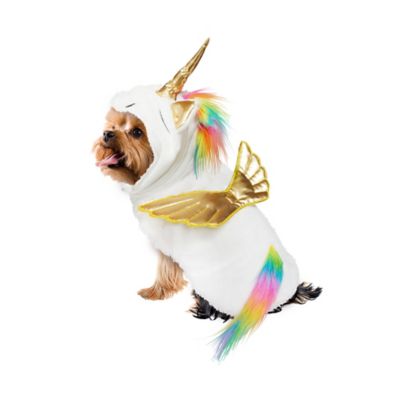
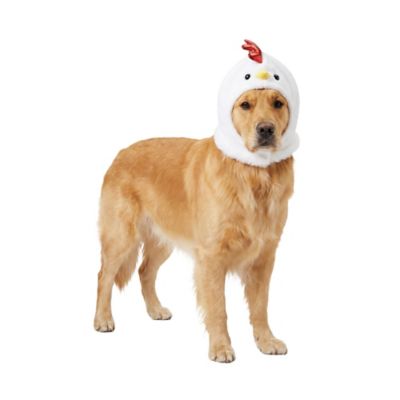
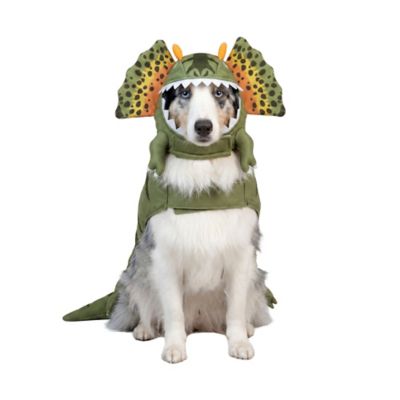
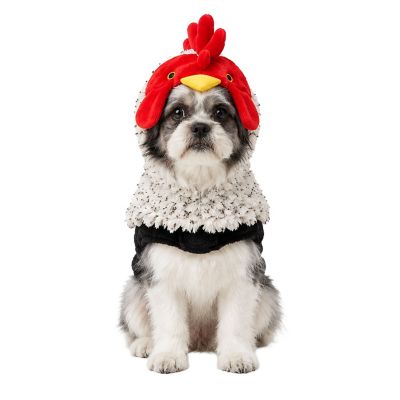
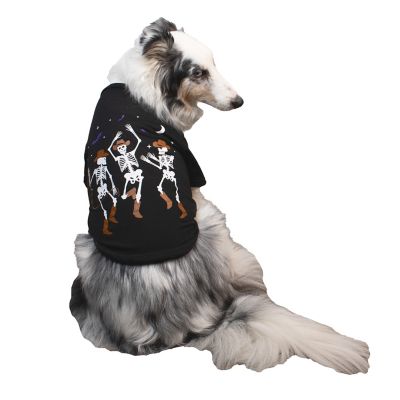
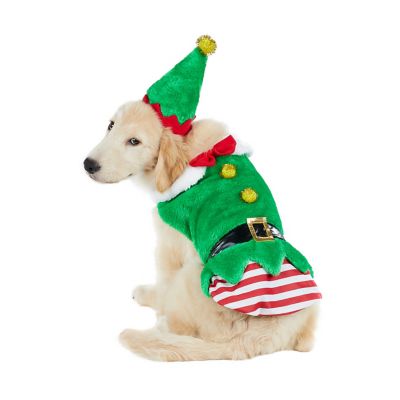
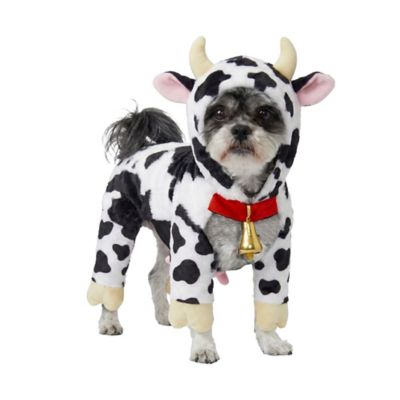
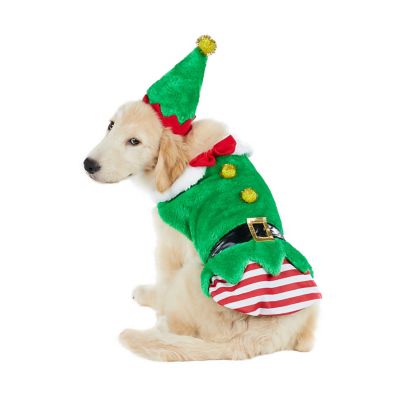
Dog costumes bring a little extra fun to Halloween, birthday parties, family photos, and community pet events, whether the look is playful, storybook-inspired, or straight out of the barnyard. Common styles include character outfits, animal looks, capes, and simple costume pieces that add personality without covering much of the body. The right choice depends as much on the dog as the occasion. A laid-back companion who enjoys wearing clothing may be comfortable in a fuller outfit, while a dog who prefers less fuss may do better with a lightweight, low-profile design. For a Halloween stroll around the neighborhood, freedom to walk and a clear place for the leash matter more than an elaborate silhouette. For a quick photo on the porch, an outfit that slips on and comes off easily can keep the whole experience short and sweet. Funny dog costumes often get their charm from a recognizable shape or a clever front-facing design, but the best-looking outfit still needs to let the dog act like a dog. Sitting beside a favorite person, sniffing along a fence, and settling down between pictures should all remain easy. A costume can also make a thoughtful gift for a pet parent who enjoys including a four-legged sidekick in celebrations, especially when the recipient’s measurements and comfort preferences are known ahead of time. Matching a family theme can be fun without dressing every pet in the same kind of outfit; some animals are happier joining the picture without a costume at all. Households planning photos with more than one kind of pet can also browse
Small Pet Costumes, paying close attention to the intended animal and fit of each outfit rather than assuming a small size works for every companion.
Fit is the starting point for comfortable dog costumes, and weight alone does not tell the whole story. Two dogs at the same weight can have very different chest shapes, neck sizes, and back lengths. Measurements around the base of the neck, around the broadest part of the chest just behind the front legs, and along the back from the base of the neck to the base of the tail help narrow the choices. Each costume’s size chart matters, since size names can vary between designs. Deep-chested dogs may need extra room through the body, while short-legged dogs need hems and hanging pieces that stay clear of their feet. Thick coats, broad shoulders, and long bodies can also affect how an outfit sits. A good fit leaves breathing unrestricted and allows a normal stride, a comfortable sit, and bathroom breaks without fabric getting in the way. Openings around the legs should not rub the armpits, and neck closures should stay clear of the throat without slipping loose. Materials make a difference, too. Lightweight woven fabrics and soft knits can feel less cumbersome, while plush fabrics and padded shapes add volume that may suit brief, supervised wear better than active outings. Stretch can help with movement, but overly snug elastic can pinch or pull at fur. Smooth inner seams, neatly finished edges, and adjustable closures are useful details for dogs who notice every little rub. Reinforced stitching around leg openings and fastening points helps an outfit stand up to repeated dressing and movement. Headpieces deserve particular attention because anything near the face must leave the eyes, ears, nose, and mouth unobstructed. Dogs need to be able to pant freely, turn their heads, and hear what is happening around them. Harness access is another practical consideration for events away from home: a leash should connect to the dog’s regular, properly fitted walking equipment, not to costume fabric or an ornamental attachment. An outfit that works with familiar gear makes getting out the door a lot simpler.
Everyday practicality matters even when a dog costume only comes out for special occasions. Washable fabrics can be helpful after a damp nose, a dropped treat, or a sit in the grass, but care requirements vary with the fabric, trim, and construction. The care label should settle whether an outfit belongs in the washing machine or needs gentle spot cleaning. Detachable pieces may need separate attention, and closures fastened before washing are less likely to snag neighboring fabric. Thorough drying before storage helps keep fabric fresh, while a clean, dry storage spot helps preserve the costume’s shape for another celebration. Before each wear, checking seams, elastic, and attachments can catch a loose part before it becomes something to chew. Small bells, dangling ties, stiff pieces, and easily detached trim deserve extra caution, particularly with puppies or dogs who investigate everything with their mouths. Costumes are for supervised wear, not sleeping, crate time, rough play, or time alone in the yard. A short introduction at home can show whether a dog is comfortable before a busy gathering, with a few treats and an easy exit from the outfit keeping the experience low-pressure. A dog that freezes, repeatedly scratches at the fabric, tucks its tail, or tries to pull the costume off is better off without it. Halloween crowds, doorbells, and unfamiliar costumes on people can already be a lot to take in, so familiar walking gear and a quiet place to step away remain important. For pet parades and family gatherings, low-profile designs are less likely to brush against chairs, catch on a gate, or bump another animal. Long skirts, broad wings, and tall headpieces may look striking in a still photo but can be awkward along a narrow path. Comfortable movement, straightforward care, and sensible construction help make dressing up a pleasant part of the occasion rather than the whole event. The sweetest picture is usually the one with a relaxed dog, an easygoing expression, and plenty of room for that familiar tail wag.