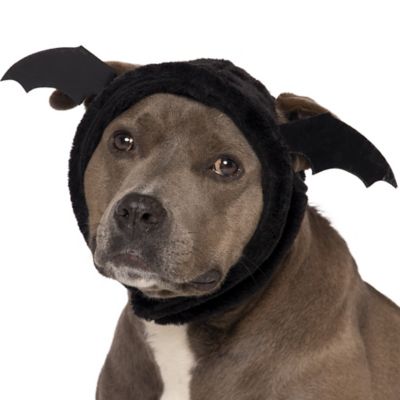
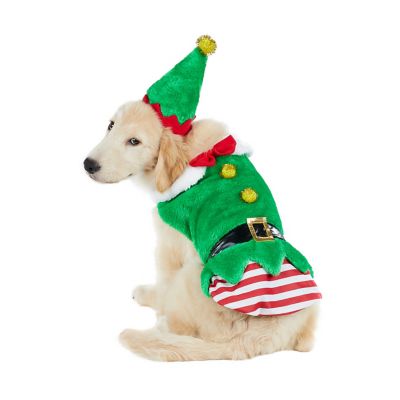
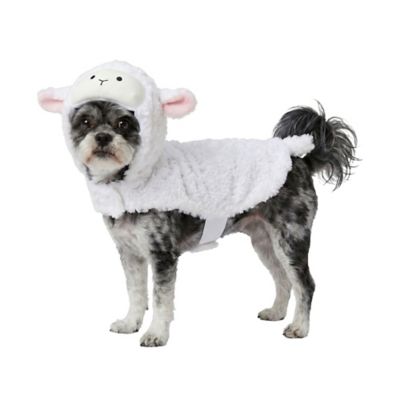
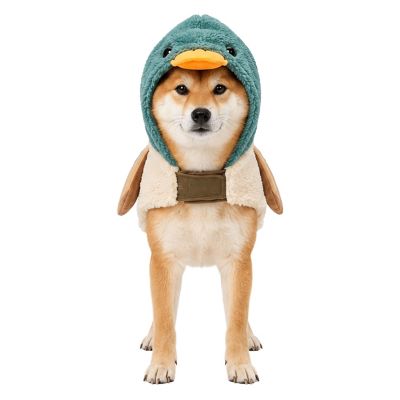
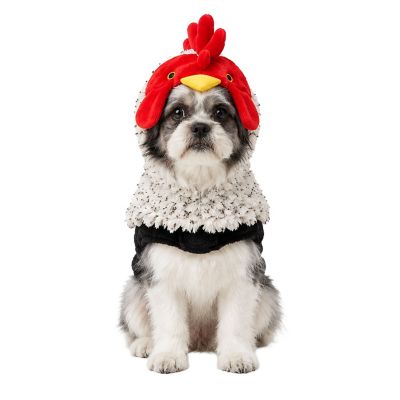
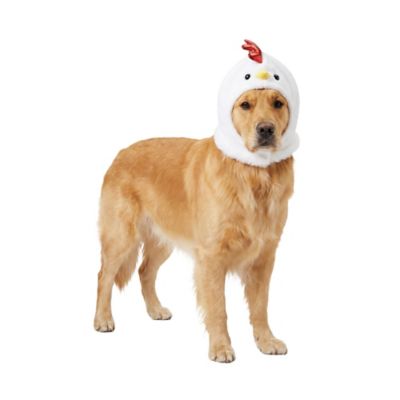
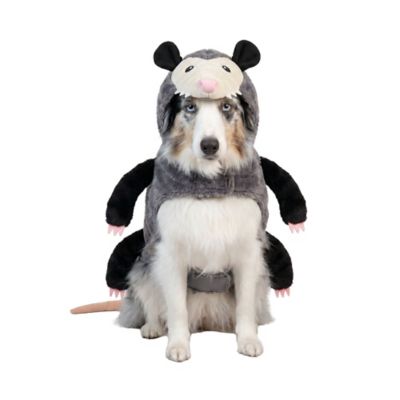
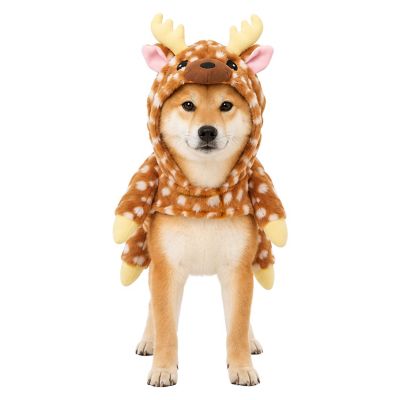
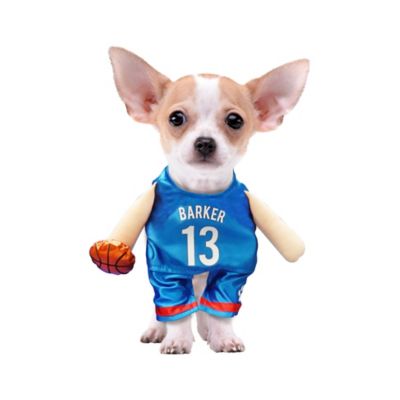
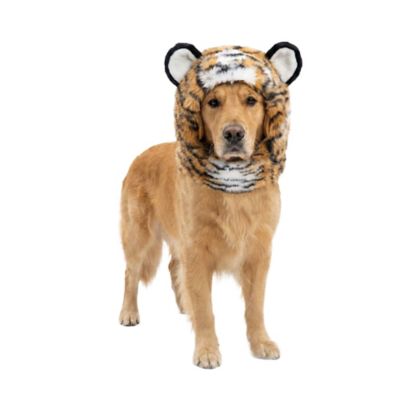
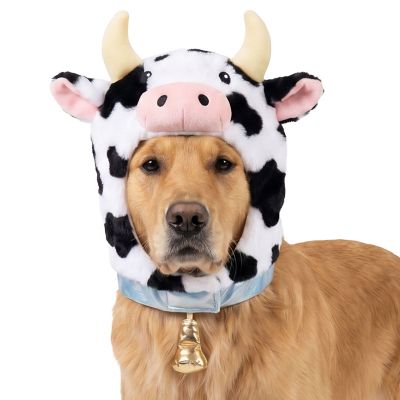
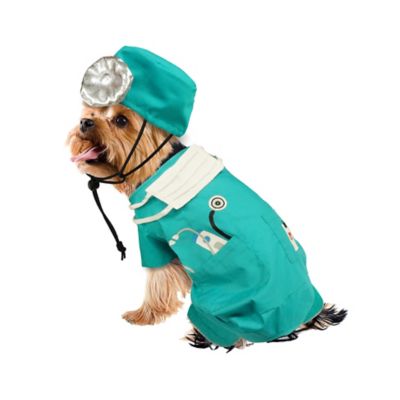
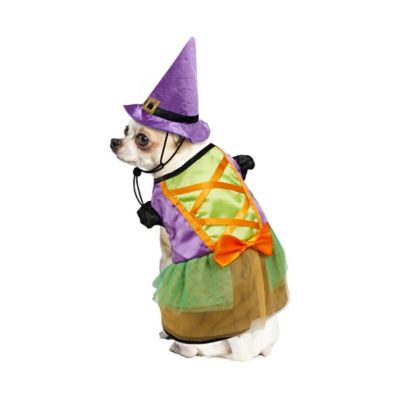
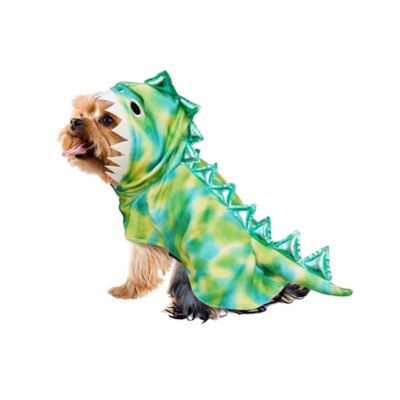
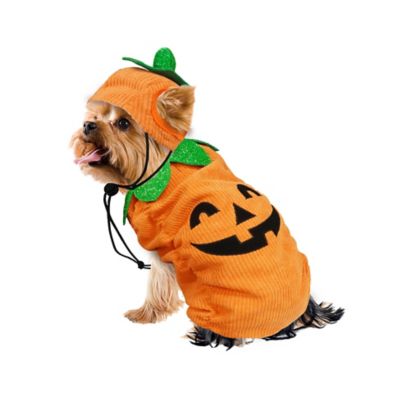
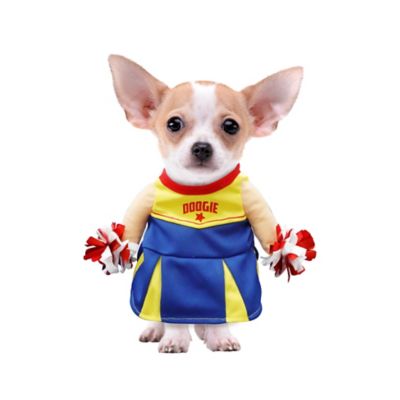
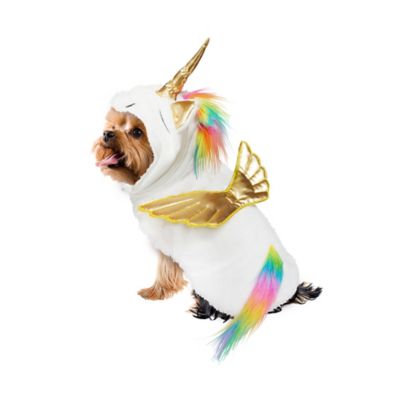
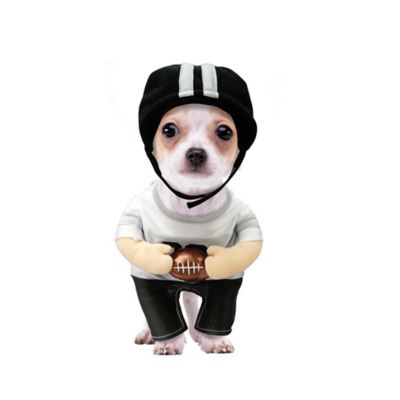
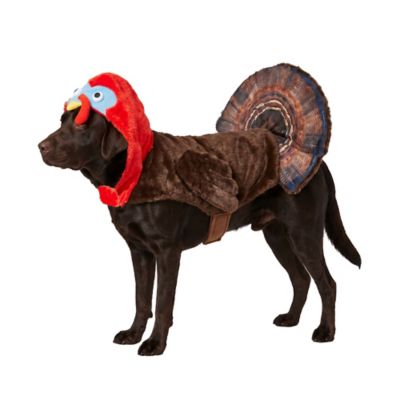
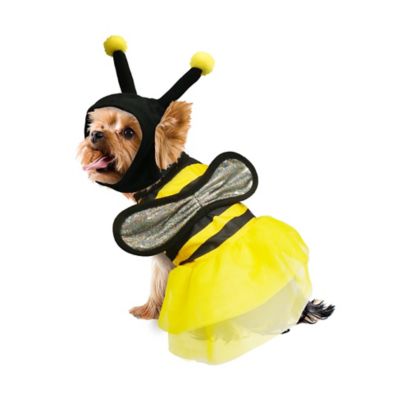
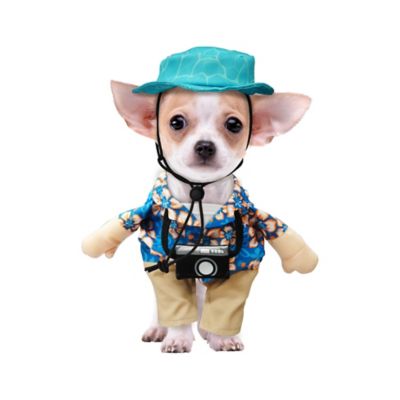
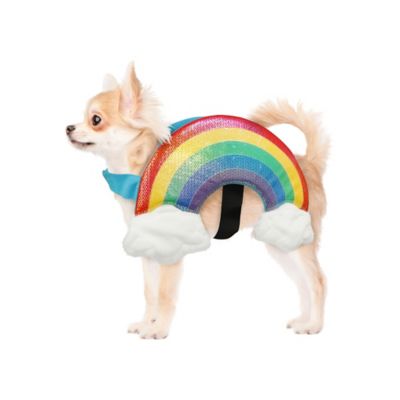
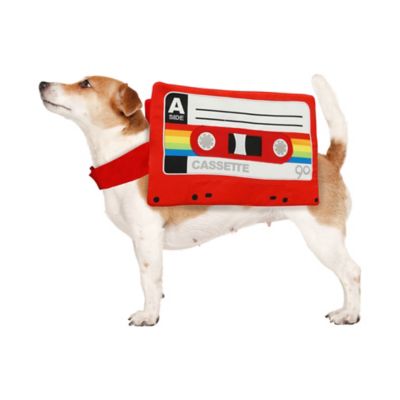
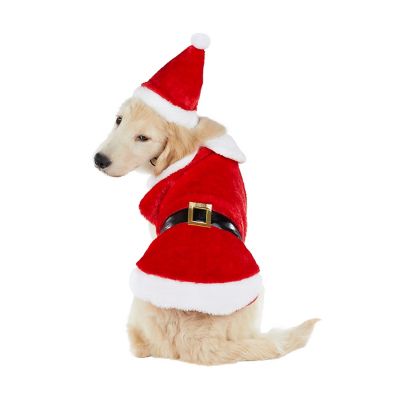
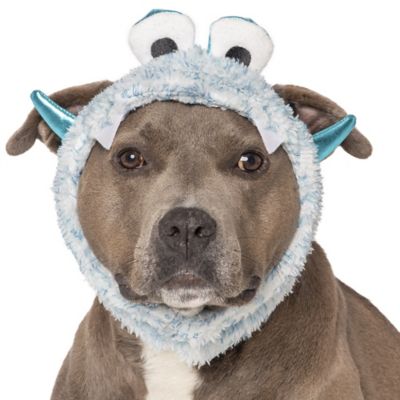
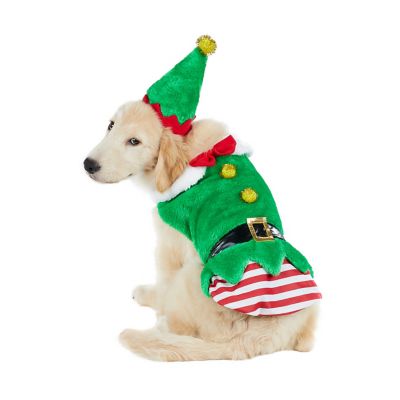
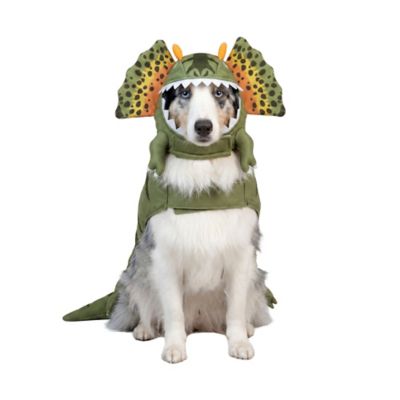
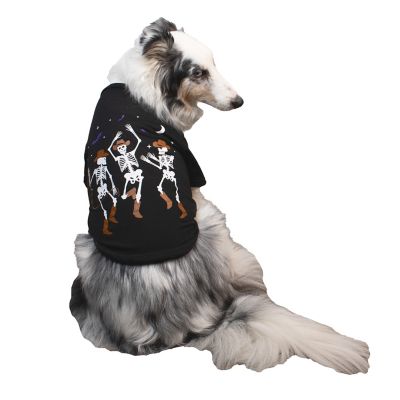
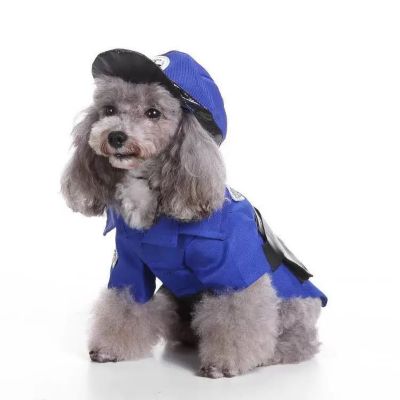
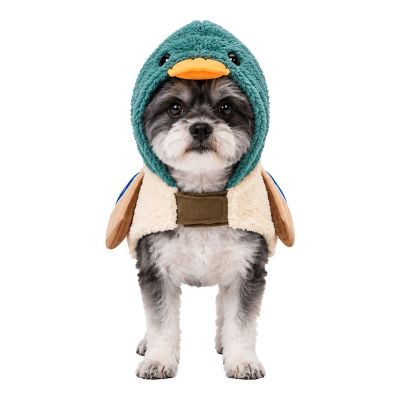
Costumes for family pets are dress-up options for dogs and cats to wear for Halloween, themed parties, family pictures, and other occasions when the animals are part of the fun. Some cover much of the body for a look that shows up well in a group picture, while others keep the fabric to a small area for pets that would rather not wear much at all. The occasion can help narrow down the style. For a picture on the front porch, a bold shape or a bright color can show up from the far end of the steps without a hat or anything dangling off the outfit. For a family gathering, a lighter design that leaves the legs free may make more sense for a dog that likes to follow people from room to room. A cat that’s happy to sit on a familiar chair for a picture may have no interest in dressing up once guests start coming through the door. Even pets in the same household can have different limits, so matching the family’s theme doesn’t have to mean putting every animal in the same kind of outfit. Families planning a spooky group picture or a neighborhood gathering can find styles for the occasion among
Pet Halloween Outfits. Beyond Halloween, pet costumes can be part of a birthday picture or a family gathering where folks already plan to dress up. They can also make a fun gift for someone who likes to include their pet in family pictures, especially when the giver knows the animal’s measurements and whether it’s comfortable wearing clothes. For a household with a new puppy or a recently adopted cat, checking with the owner first makes more sense than guessing how the animal will take to dress-up. A pet that prefers to stay out of the fuss can still be in the picture without wearing a thing.
The right fit depends more on the animal’s shape than on a breed name or a size letter. Chest girth, neck circumference, and back length are common measurements, though not every design calls for all three. A broad-chested dog may need more room through the front even if it has a short back, while a long-bodied dog may fit through the chest but need more length for an outfit that covers the torso. That’s why the measurements for the style matter more than the size on a pet’s everyday harness. Fabric shouldn’t pull across the shoulders when the animal walks or bunch behind its front legs when it sits. A costume should leave room for normal breathing and panting, keep the eyes and ears clear, and let the animal move its tail and take a bathroom break without fabric getting in the way. A low hem that looks fine while the dog is standing can slide under a paw on the porch steps. Loose fabric can also swing into a cat’s face as it turns its head. A quick look at the pet walking, turning, and settling down tells more about the fit than a picture taken while it’s standing still. If the outfit is meant for a gathering away from home, it also needs to fit without interfering with the pet’s regular collar or harness. Costume fasteners aren’t meant to hold a leash. Easy-to-reach closures are handy when a pet has had enough, whether that means a dog keeps turning to lick at a seam or a cat crouches and won’t move. A pet that stands still isn’t necessarily at ease; pinned-back ears, pawing at the fabric, or an effort to back out of the outfit are good reasons to take it off. Costumes are best for short stretches with someone nearby, not for time alone in a crate or for rough play with other animals.
Fabric and construction affect how a costume feels on the pet and how well it holds up from one occasion to the next. A soft knit can give a little as a dog bends to sniff the ground, while woven fabric tends to hold its shape for a more defined look in pictures. Thicker layers add fullness, but they also add weight, which can make a difference for a small animal or one that isn’t accustomed to clothing. The inside is worth as much attention as the outside. Flat seams and covered edges tend to feel smoother against the skin, particularly under the front legs or on the belly where a pet may have less fur. Sturdy stitching around openings and closures can help those spots hold up to repeated dressing and removal. Long fringe, loose ties, and small pieces that can come off are poor choices for an animal that likes to chew or for pets that tend to mouth each other’s clothing. Simple construction can be easier to look after, too. A little porch dust or a muddy paw print may come off with spot cleaning if the care label allows it, while an outfit with several layers may need more time to dry all the way through. The care label is the best place to check whether a costume can go in the washer, since fabrics, fasteners, and trim don’t all take the same treatment. Once the outfit is clean and dry, storing it where pets can’t pull it down keeps it out of the chew pile between gatherings. If it’s coming back out for another picture, it’s worth looking for a stretched opening, a loose seam, or a closure that no longer stays shut. The fit can change even if the costume hasn’t, especially for a growing puppy or kitten. For most family occasions, an outfit that goes on easily, stays clear of paws, and comes off without a fuss does more for the moment than one with extra details the pet won’t tolerate.