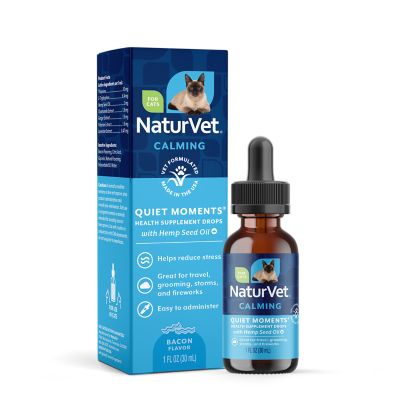
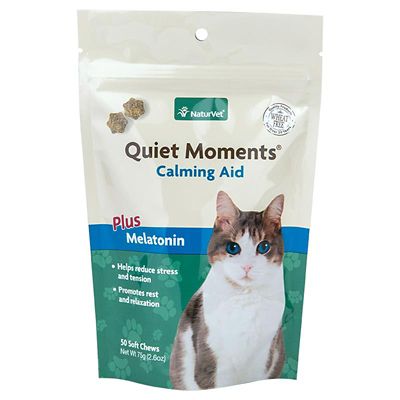
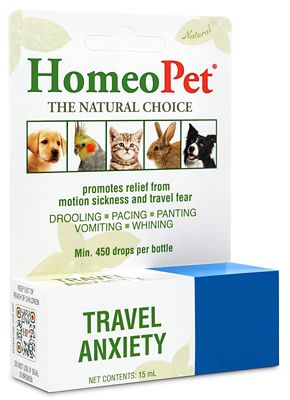
Cat sedatives for travel cover a subject that matters to anyone whose cat starts protesting before the carrier reaches the truck. A short ride to the veterinarian, a move across the county or a longer drive to stay with family can bring unfamiliar sounds, movement and smells into a cat’s day. Products intended for travel-related calming serve different purposes, and the distinction between a sedative and a calming aid matters. Prescription sedatives can cause drowsiness and require a veterinarian’s direction; some prescription anxiety medicines may also have sedating effects. Nonprescription calming supplements and feline pheromone products are not equivalent to prescription sedation, and their effects vary from cat to cat. Always consult a veterinarian before giving a cat a sedative, anxiety medicine or calming supplement for travel. The right choice depends on the cat’s health, age, weight, other medications and past response to riding in a vehicle—not simply how loudly the cat meows on the way into town. A cat that crouches quietly in the back of a carrier may be distressed, too, while drooling, repeated swallowing and vomiting can point to motion sickness rather than anxiety alone. Calming support does not necessarily address nausea, and less movement does not necessarily mean less fear. For shoppers comparing these categories, the goal is support suited to the individual cat and the trip ahead, rather than the strongest possible effect. Clear species labeling, complete ingredient information, administration directions and warnings give a veterinarian useful details to review. Claims such as “natural” do not establish that a formula is safe for every cat. Kittens, older cats, pregnant or nursing cats, and cats with ongoing medical conditions need particular attention before any travel aid becomes part of their routine. Even two cats riding together may need different approaches, especially when one settles down after leaving the driveway and the other stays tense for the entire ride.
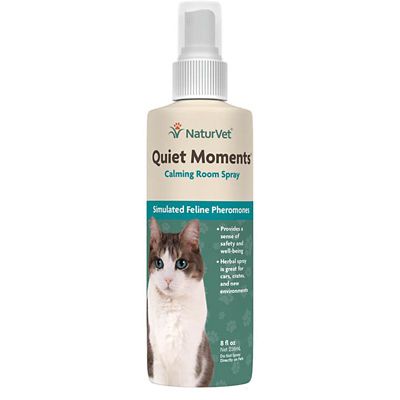
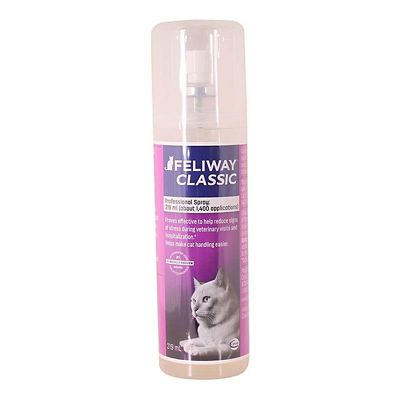
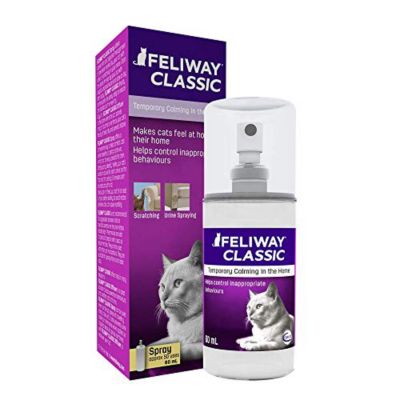
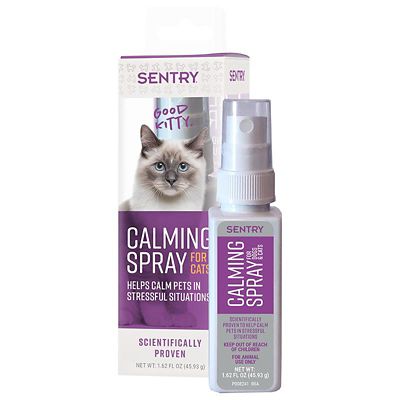
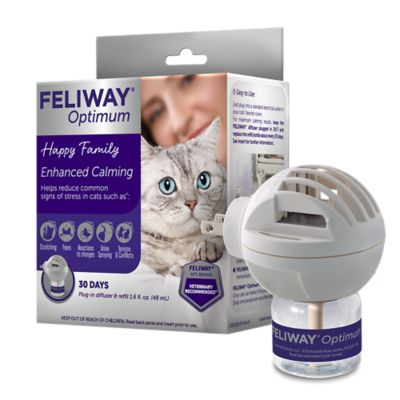
Format makes a practical difference when comparing cat travel calming products. Oral options may come as chews, powders, liquids or tablets, with serving instructions that depend on the formula and the animal it is intended for. A chew may fit a food-motivated cat’s routine, but a nervous cat that refuses treats away from home may not take it when expected. Powders mixed into food also depend on the cat finishing the intended portion; leaving half the meal behind makes the amount swallowed uncertain. Liquids and tablets involve different handling considerations, particularly for cats that resist having their mouths touched. A veterinarian can help match the format to the cat and explain administration without turning departure into a wrestling match. Do not crush tablets, open capsules, combine calming aids or give an extra amount after an uncertain dose without veterinary direction. Formulas can differ in concentration, and products with similar packaging are not necessarily interchangeable. Feline pheromone sprays take a different approach from oral products: they provide scent signals intended to help cats feel more at ease in their surroundings, rather than acting as sedative medicines. Carrier applications must follow the label, including any waiting period before the cat goes inside; these sprays should not be applied directly to the animal. For any calming product, storage directions, expiration dates, secure closures and readable measuring marks deserve attention. Keep medicines and supplements in their original labeled containers, away from children and animals, rather than loose in a travel bag beside treats. Packaging that stays closed during transport helps prevent spills and unintended access at a rest stop or overnight stay. Any first trial of a prescribed medicine or supplement should follow the veterinarian’s plan and take place before travel, when the cat’s response can be observed at home. That gives the veterinarian a chance to assess unwanted effects or an inadequate response before the actual trip. Timing and duration vary by product and by cat, so a departure schedule should follow the prescribed or labeled directions, not a general rule taken from another pet’s experience.
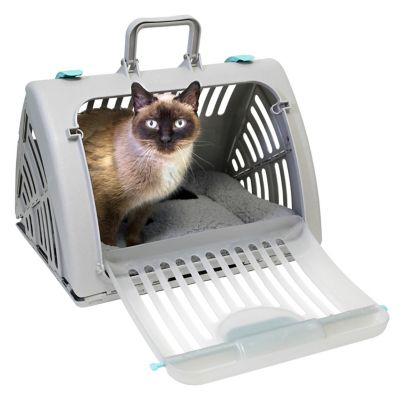
Travel calming products work within a larger setup that includes secure containment, familiar surroundings and sensible handling. A properly fitted carrier should give the cat room to stand, turn around and lie naturally, with sound latches, adequate ventilation and a base that supports the animal’s weight. Smooth, wipe-clean surfaces and washable bedding make cleanup easier if the ride brings an accident or an upset stomach. Carrier materials should stand up to scratching and routine cleaning, with no loose threads, sharp edges or damaged fasteners that could catch a paw. A familiar towel can provide a recognizable smell, while an absorbent layer beneath it helps protect the carrier floor. These details matter whether the passenger is a house cat headed for a checkup or a newly adopted cat making the first trip home down a gravel lane. A calming aid does not make loose travel safe: the cat still needs a secured carrier, and carrier doors should stay closed during roadside stops. For longer journeys, the veterinarian’s plan can account for the expected travel time, feeding needs and access to necessary care along the route. Air travel calls for a separate conversation with the veterinarian and airline because sedation is generally discouraged, especially for animals traveling in cargo, where breathing, balance and other adverse effects may be difficult to monitor. Never give human sleep aids, another animal’s prescription or a dog-labeled remedy to a cat without explicit veterinary direction. Households traveling with both species can also review
Dog Travel Sickness Tablets for canine travel needs, but dog and cat treatments are not interchangeable. After any travel medication, trouble breathing, collapse or difficulty waking the cat requires urgent veterinary care; pronounced wobbliness, vomiting or unexpected agitation also warrants prompt veterinary advice. Thoughtful product selection keeps the focus on the cat’s comfort and health, with clear directions and a manageable routine for the person doing the driving. The best fit is an approach the veterinarian considers appropriate and the cat can tolerate—not a promise that every ride will be silent.