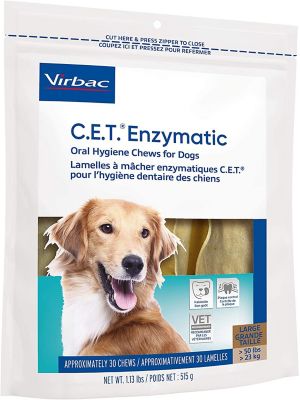
Dog tartar control products can help make daily dental care more manageable, especially for dogs that spend their days nosing through the grass, carrying toys around the yard, or settling in by the woodstove during cooler months. Plaque begins as a soft film on the teeth, but it can harden into tartar when it is not removed regularly. As buildup collects along the gumline, it may contribute to bad breath, red or tender gums, and periodontal disease. A steady home routine is one of the most helpful steps a pet owner can take. Dog-safe toothpaste and a soft-bristled toothbrush are made for a dog’s mouth and should be chosen instead of human toothpaste, which may contain ingredients that can upset a dog’s stomach or pose other health concerns. Start slowly by letting your dog sniff the brush and taste a small amount of toothpaste, then gently rub the outer surfaces of a few teeth. Over time, work toward brushing several times each week, with daily brushing offering the strongest support for plaque control. Keep the session calm and brief, and offer praise afterward so dental care feels like another familiar part of life, much like feeding time or a quick check of muddy paws after coming in from outside.
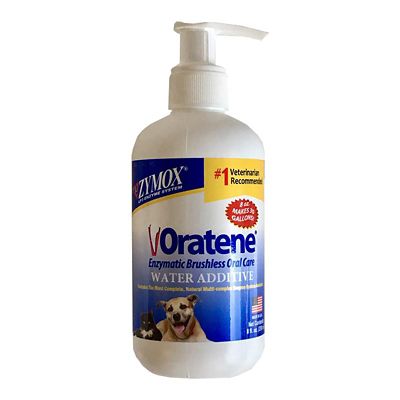
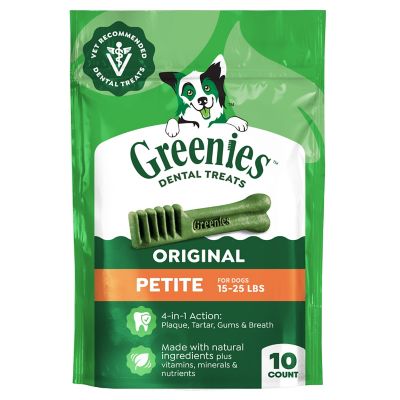
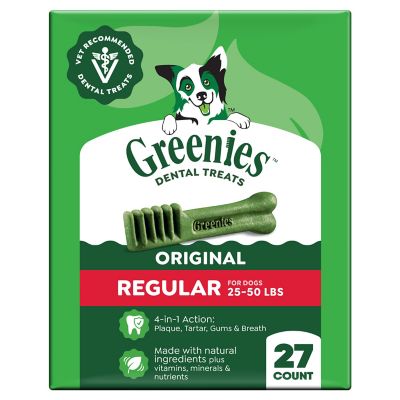
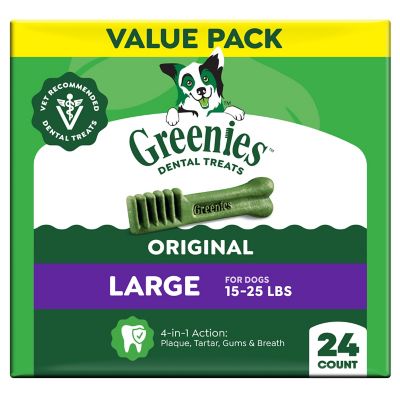
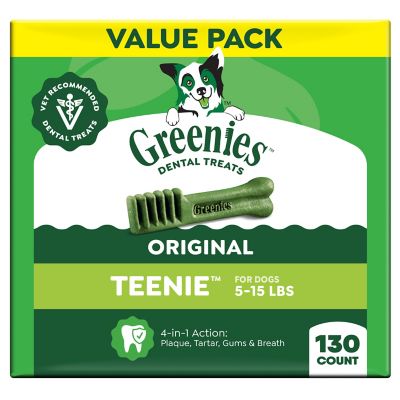
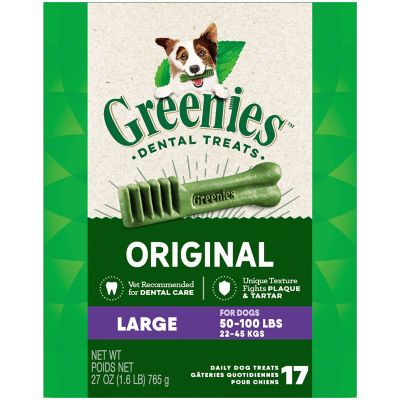
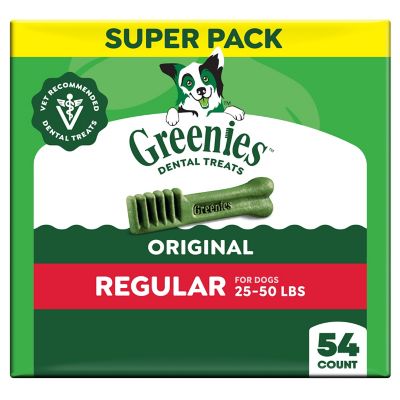
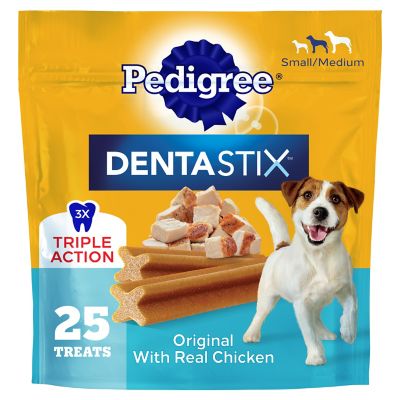
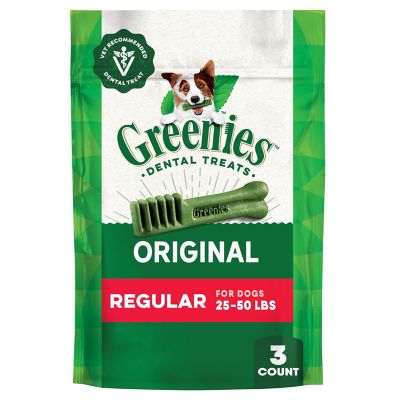
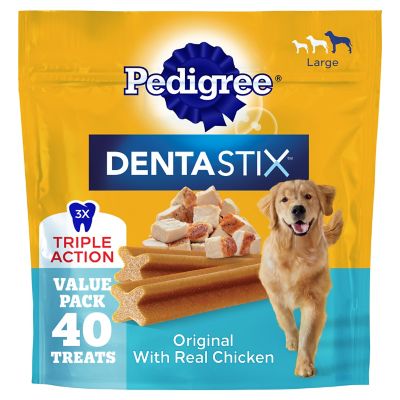
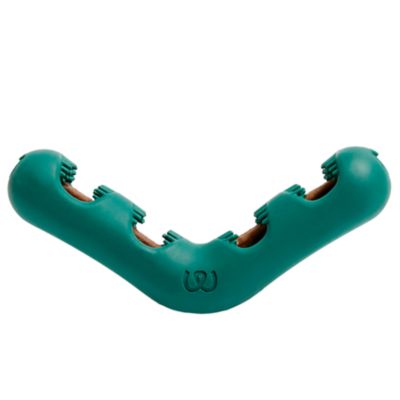
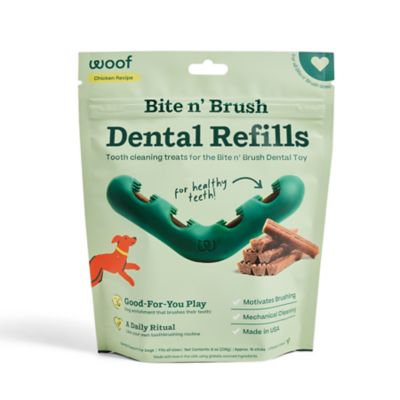
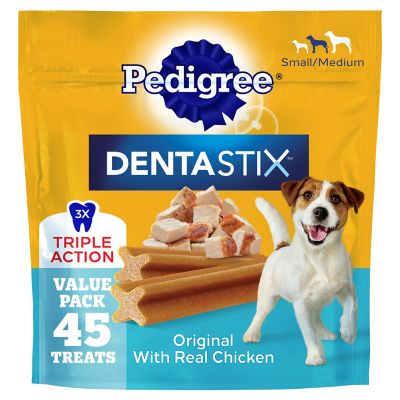
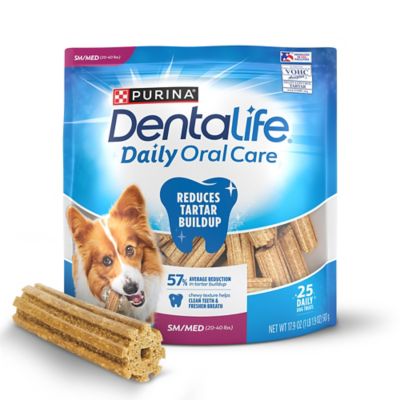
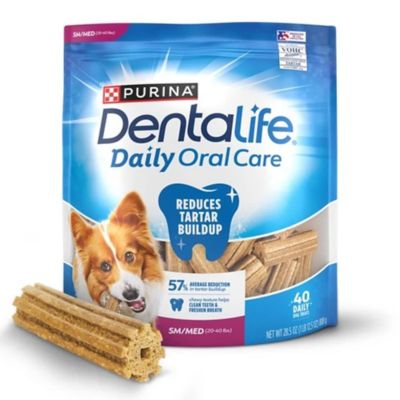
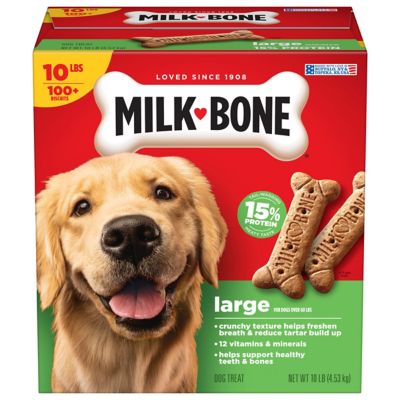
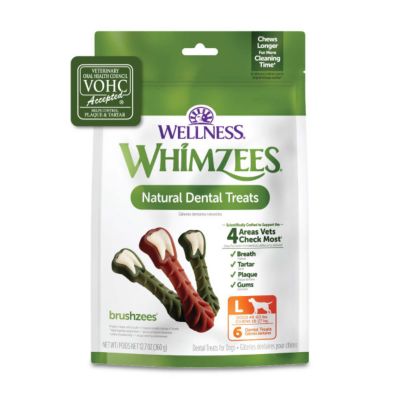
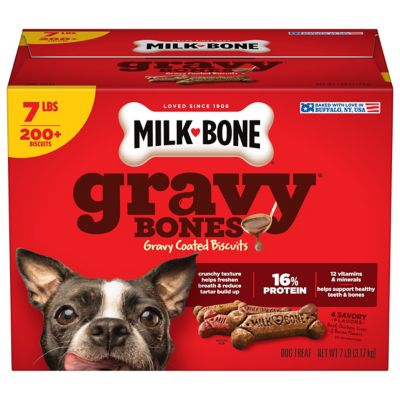
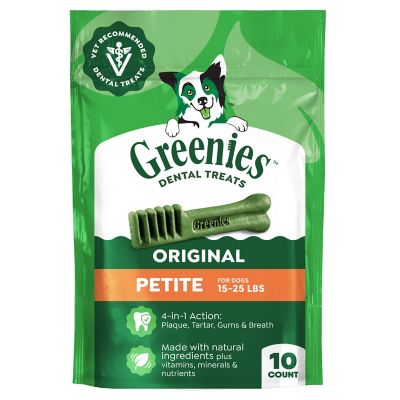
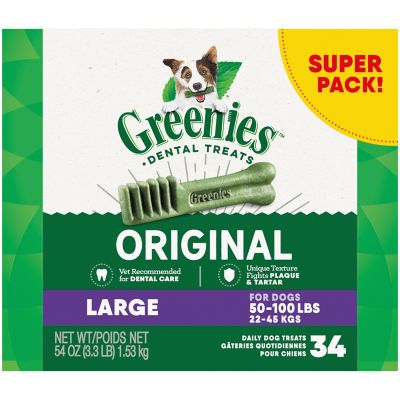
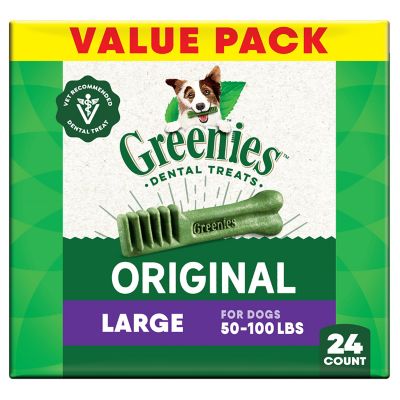
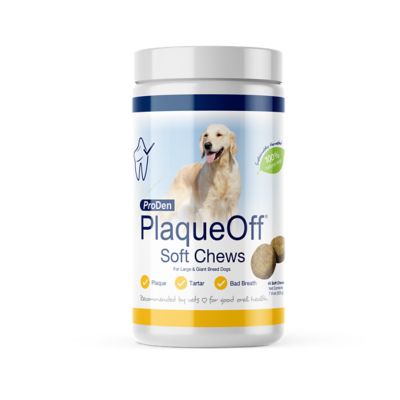
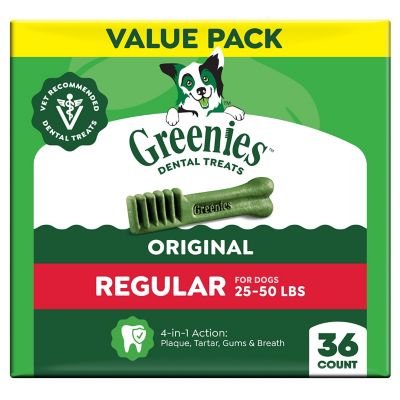
Dental gels, water additives, dental wipes, and chew products can add helpful options to a home care routine. Gels may be applied to the teeth or gums according to the package directions and can be a practical choice for dogs that are not ready to accept a brush. Dental wipes may help lift surface debris when rubbed gently along the teeth, while water additives can support fresher breath when added as directed to a dog’s drinking water. Chews provide a hands-on way to encourage chewing, which can help rub against some of the soft plaque on accessible tooth surfaces. Look for products sized for your dog’s weight and chewing style, and supervise every chew session. A chew should be large enough that your dog cannot swallow it whole, and it should be discarded if it becomes small, cracked, or splintered. Products recognized by the Veterinary Oral Health Council, often shown with a VOHC seal, have been evaluated for claims related to plaque or tartar control and may be worth considering when comparing options. For a thoughtful present for a new puppy owner, a dog adoption celebration, or a friend who likes to keep their working dog in good shape, a dental care set can be paired with feeding supplies or grooming essentials. Browse
Natural Dog Dental Chews for another way to make oral care part of a dog’s regular routine. Keep in mind that not every chew suits every dog. Puppies, senior dogs, dogs with missing teeth, and strong chewers may need different textures or sizes, and a veterinarian can help point you toward safer choices.
Home dental products are intended to help manage plaque and slow new buildup; they cannot safely scrape away thick, hardened tartar. Once tartar has formed, especially below the gumline, a veterinary cleaning is needed to remove it thoroughly. A veterinarian can examine the mouth, check for loose or damaged teeth, and look for signs of infection or gum disease. Professional scaling and polishing are generally performed under general anesthesia so the veterinary team can clean above and below the gumline while protecting the dog from stress or injury. Schedule a veterinary visit if your dog has gums that bleed often, swelling around the teeth, loose teeth, difficulty chewing, dropping food, facial swelling, or breath that remains strong despite regular care. A sudden change in eating habits also deserves attention, since dogs may hide mouth pain until it has become significant. Between checkups, lift the dog’s lip now and then in good light and look for yellow or brown deposits, irritated gums, or anything that seems different from the last check. Dental care is easier when it becomes part of the everyday rhythm: a few minutes after a walk, a gentle wipe before settling down for the evening, or a supervised chew while the farm chores wind down. Choose products that fit your dog’s size, age, chewing habits, and health needs, follow package directions, and keep fresh water available. With patient handling and regular veterinary care, these small habits can support cleaner teeth, fresher breath, and a more comfortable mouth through the cooler months and beyond.