Dog oral health products support everyday care for teeth and gums, from brushing supplies to chews that give dogs a satisfying way to work their jaws. Daily brushing with dog-safe toothpaste is the foundation of home dental care, paired with regular veterinary exams and professional dental cleanings under anesthesia when recommended by a veterinarian. Brushing helps remove plaque, the sticky film that collects on teeth, before it hardens into tartar. Once tartar forms, brushing alone will not remove it, and problems beneath the gumline need veterinary attention. That makes dental supplies part of an ongoing routine rather than a replacement for professional care. A farm dog riding along for chores and a house dog keeping watch from a favorite chair both benefit from that same attention. When comparing dog toothbrushes, head size and bristle softness matter more than an oversized handle or a complicated shape. A smaller brush head can be easier to position around a narrow mouth, while a longer handle may help reach the back teeth of a larger dog. Soft bristles are gentler on gum tissue than stiff scrubbing surfaces. Finger brushes offer another shape for dogs comfortable with close handling, though they are not a good match for a dog that might bite down. Toothpaste should be formulated specifically for dogs and safe to swallow as directed, since dogs cannot rinse and spit like people. Human toothpaste is not an appropriate substitute, and xylitol is toxic to dogs. Flavor also matters: a taste a dog accepts can make a quiet brushing session beside the kitchen counter much less of a struggle. Puppies, adult dogs and older companions may need different brush sizes or approaches, especially while teeth are coming in or when teeth are missing. Product labels and a veterinarian’s recommendations help narrow those choices without assuming that every mouth needs the same setup. Comfortable handling matters, too; supplies that fit the dog and the person holding them make regular care more manageable.
Chewing products bring another option to the dog dental care shelf, but their purpose, texture and sizing deserve a close look.
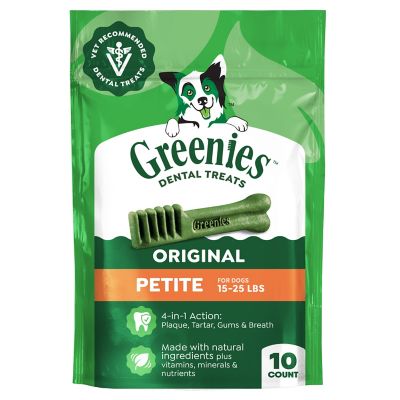
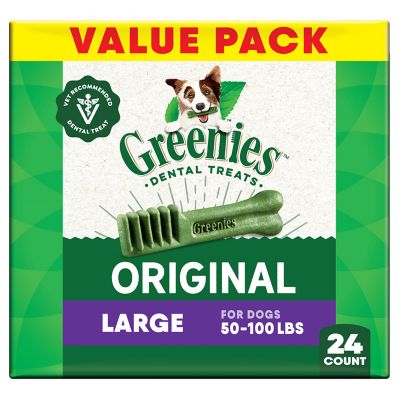
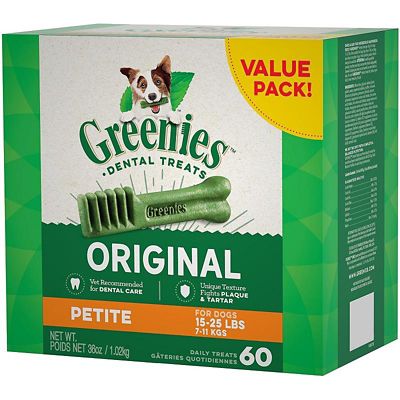
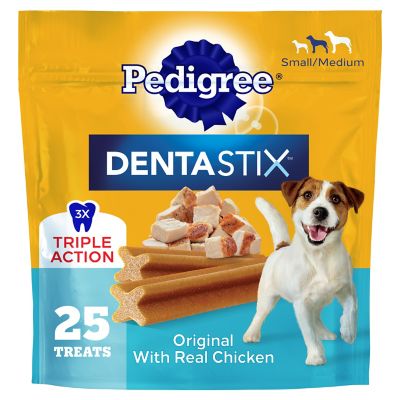
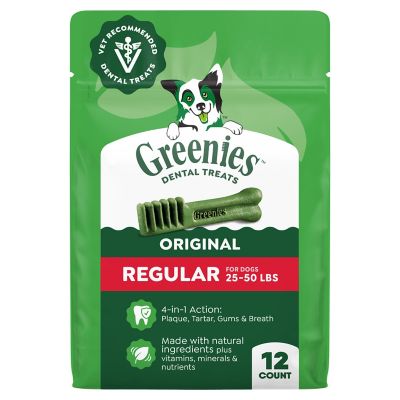
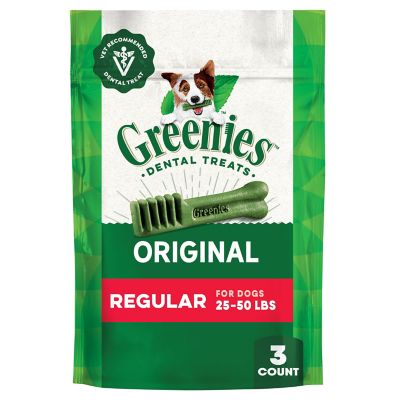
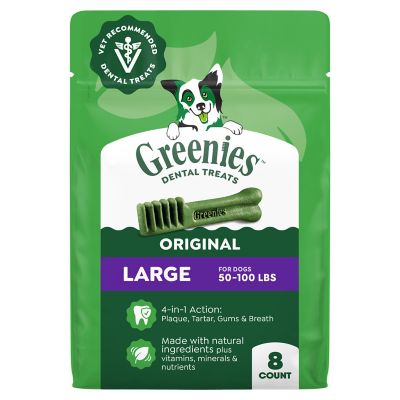
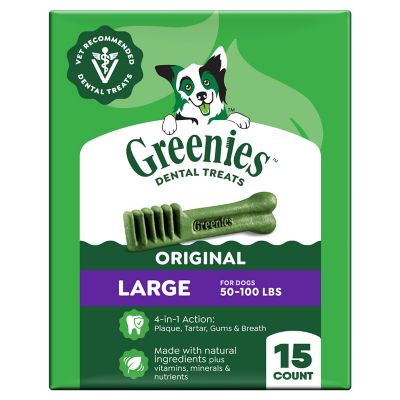
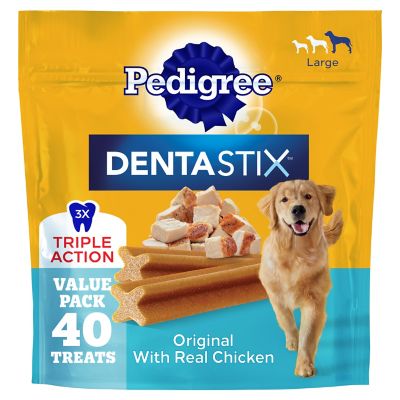
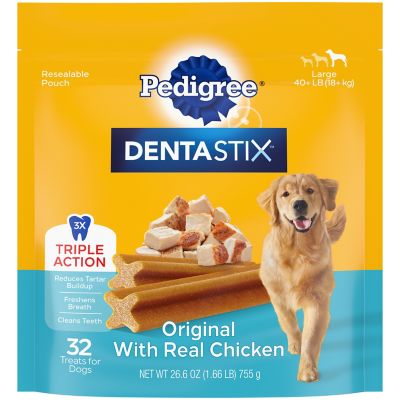
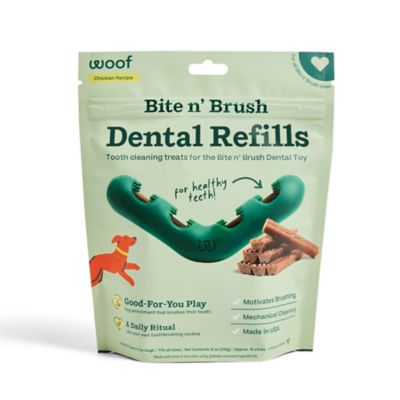
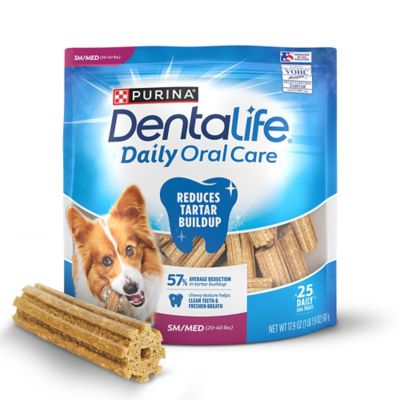
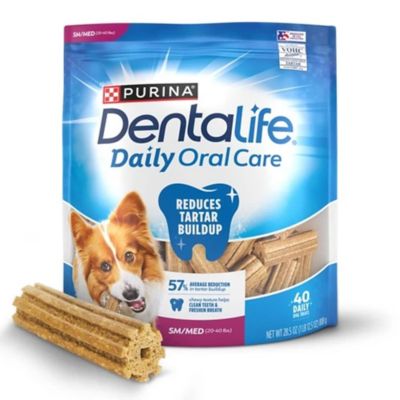
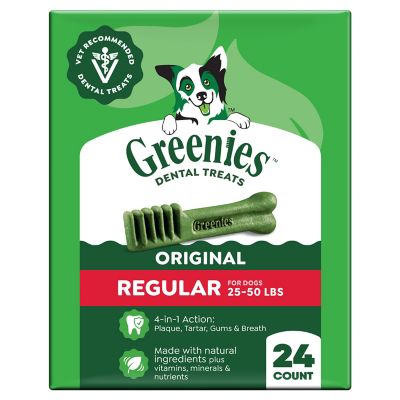
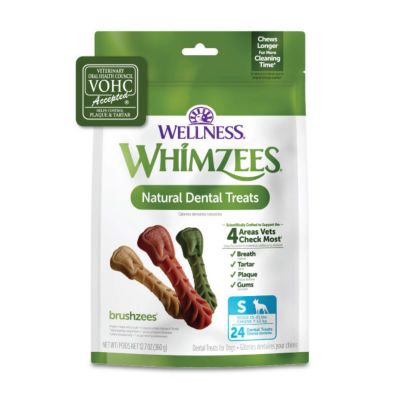
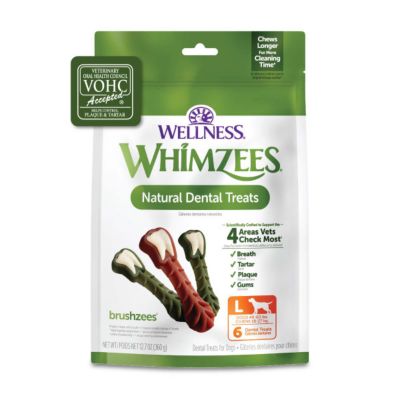
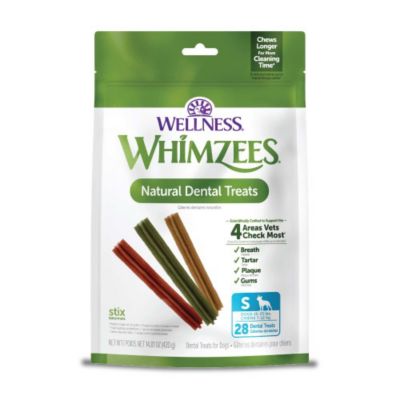
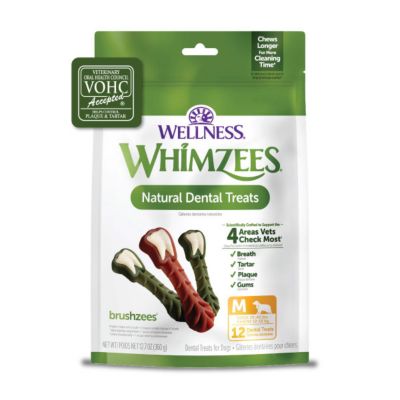
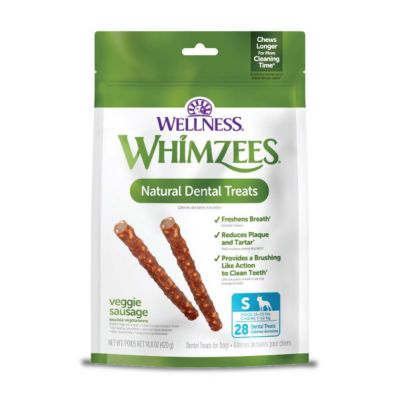
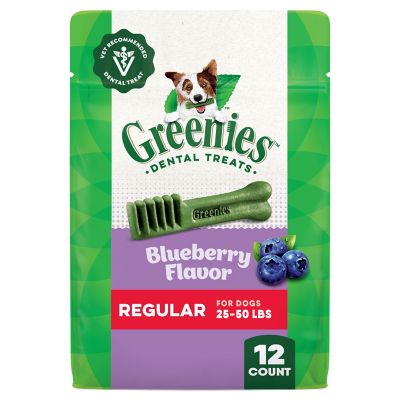
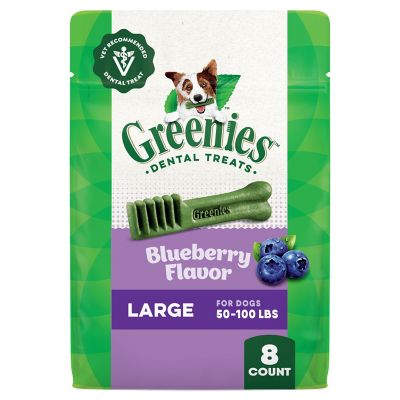
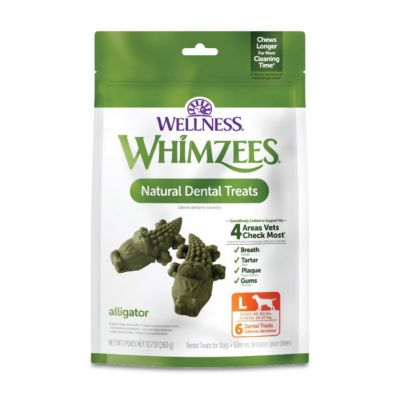
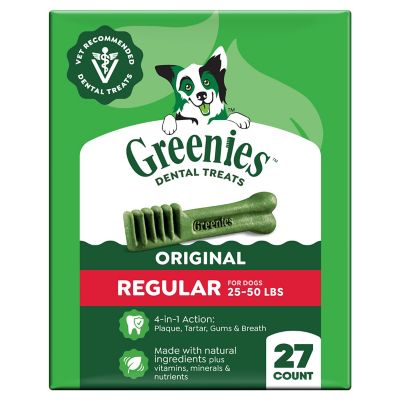
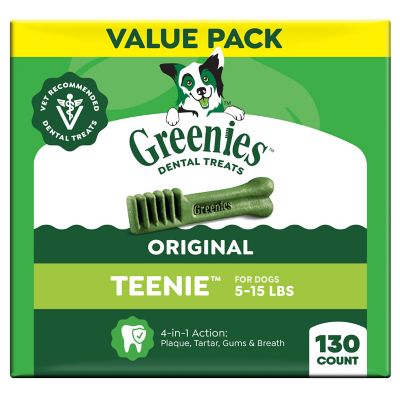
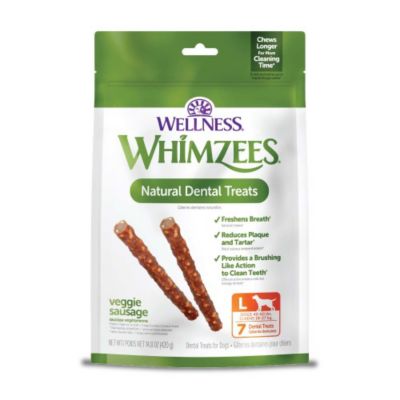
Dog Dental Chews are intended to encourage chewing contact with tooth surfaces, and some have evidence supporting plaque or tartar control. They complement brushing rather than take its place. The Veterinary Oral Health Council evaluates evidence for those benefits, and its acceptance seal can help distinguish products supported for plaque control, tartar control or both. Package claims should make clear which benefit applies; a fresh scent alone does not show that teeth or gums are healthy. For edible chews, the labeled weight range, minimum age and feeding directions are important starting points. A chew that is too small may be swallowed with little chewing, while one that is too large or too hard can be difficult to manage. Even two dogs of similar size may chew very differently. One may settle onto a mat and work slowly from the end, while another tries to gulp down the last large piece. Supervision matters for either dog, with remaining pieces taken away before they become a swallowing hazard. Ingredients and calories count as well, particularly for dogs with food sensitivities, restricted diets or weight-management needs. Dental treats belong in the day’s overall food allowance rather than becoming an unnoticed extra at every trip past the feed room. Nonedible dental toys have different considerations: material flexibility, mouth size and the dog’s chewing strength all affect suitability. Rubber chewing surfaces should have some give, and any toy that develops tears, loose sections or missing pieces needs to come out of rotation. Hard bones, antlers and similarly rigid chewing objects can fracture teeth, even in strong chewers. A longer chewing session is not automatically better for the mouth. For households with several dogs, separate chewing spaces make it easier to watch each dog and prevent competition over treats or toys. Matching the chewing option to the individual dog matters more than choosing by breed alone.
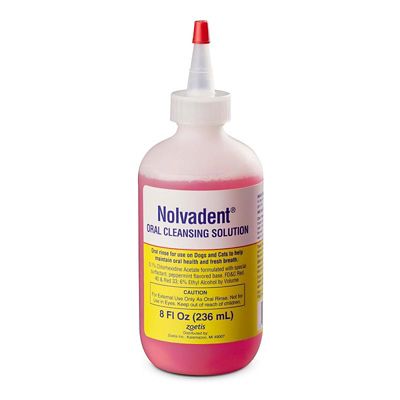
Dental wipes, oral gels, rinses and water additives offer additional formats for different households and handling preferences. Wipes may be easier to manage for a dog that tolerates brief contact along the outer tooth surfaces but has not settled into brushing. Their reach and cleaning action differ from a toothbrush, so convenience should not be mistaken for the same level of plaque removal. Gels and rinses also vary in ingredients, application method and intended benefit. Labels should clearly identify the formula for dogs, explain the amount to apply and note any age restrictions. Water additives require particular attention to dilution and drinking habits; a dog that turns away from treated water still needs ready access to plain drinking water. Dental diets are another category to discuss with a veterinarian, especially when a dog already needs a particular feeding plan. Food texture alone does not establish a dental benefit, and ordinary dry kibble is not a substitute for brushing. Across these product types, practical care helps keep supplies pleasant to handle. Toothbrushes and reusable applicators need cleaning according to their directions and a place to dry between sessions. Separate brushes for each dog keep household routines straightforward. Chews belong in their original packaging or a suitable container that preserves feeding directions and keeps them away from eager noses. Torn bristles, cracked handles and damaged chewing surfaces are signs that supplies need replacing. Just as important is knowing when shopping for another dental aid is not the answer. Persistent bad breath, bleeding gums, loose teeth, facial swelling, dropping food or chewing on only one side call for a veterinary check. Dogs can keep eating despite mouth pain, so an empty bowl does not rule out trouble. Painful areas should not be scrubbed or tested with a hard chew. With the right fit, sensible product care and veterinary support, dog oral health supplies can become a manageable part of the daily routine, right alongside filling water bowls and measuring supper.