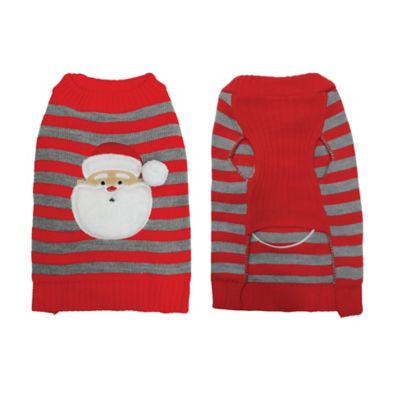
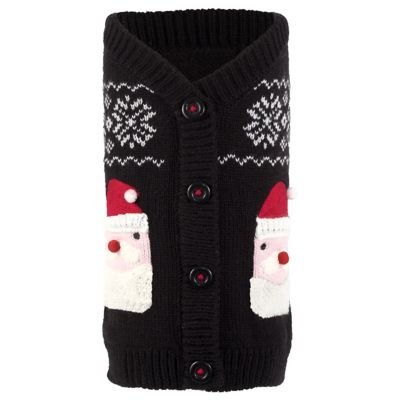
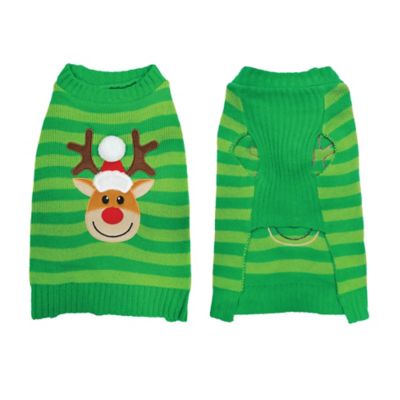
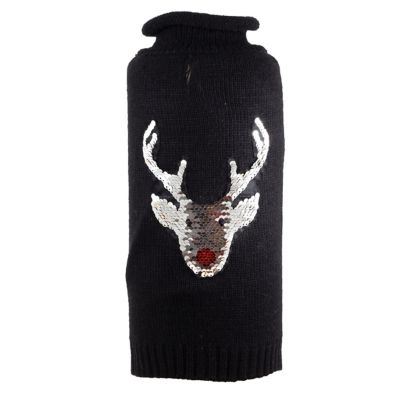
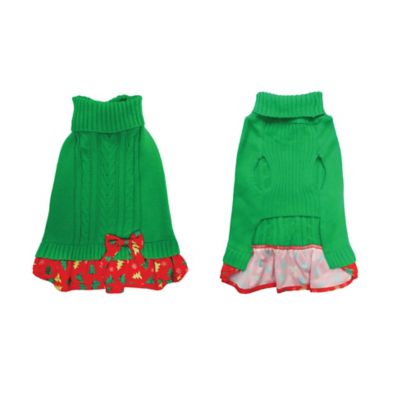
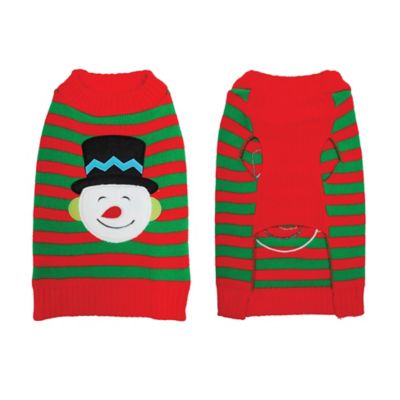
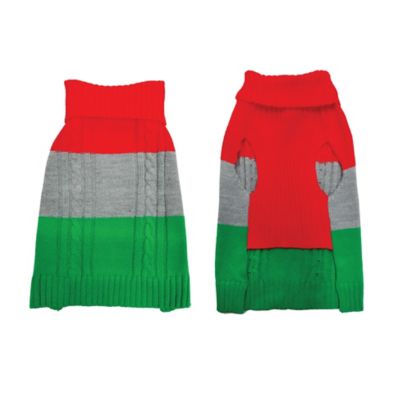
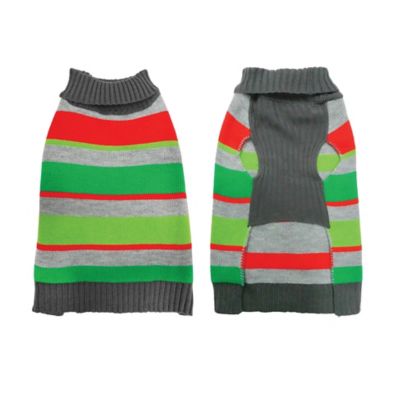
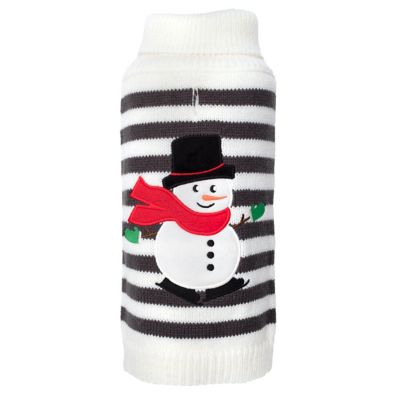
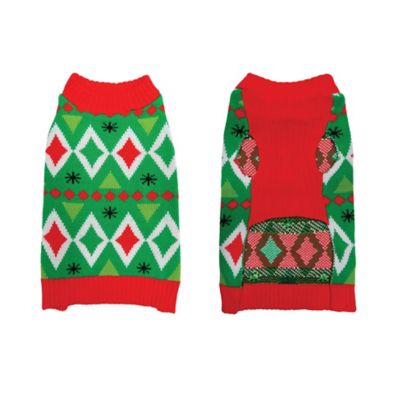
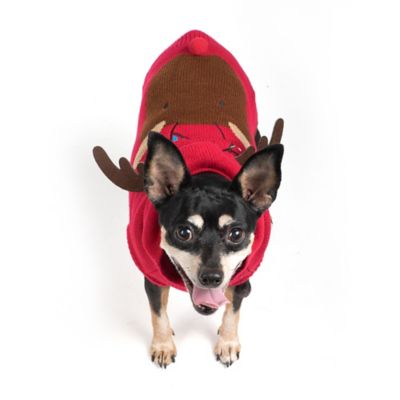
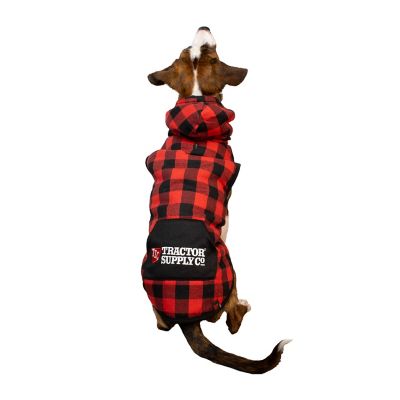
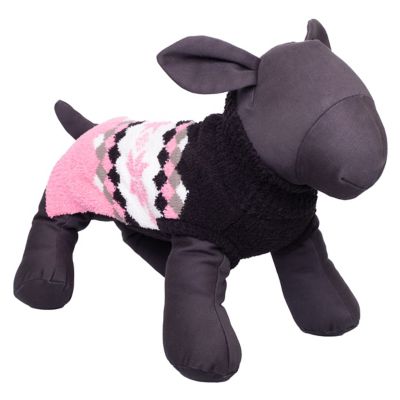
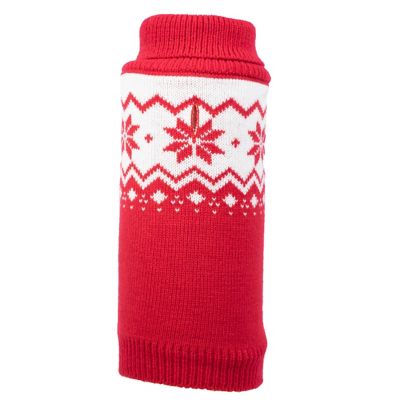
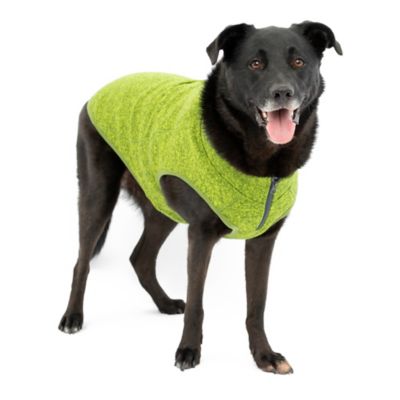
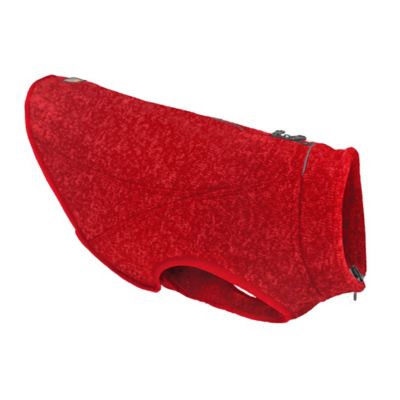
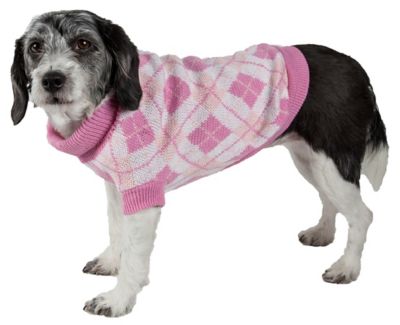
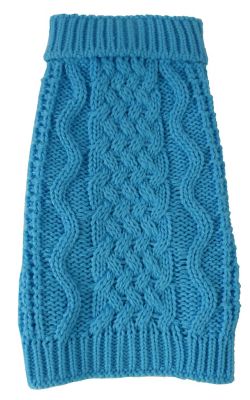
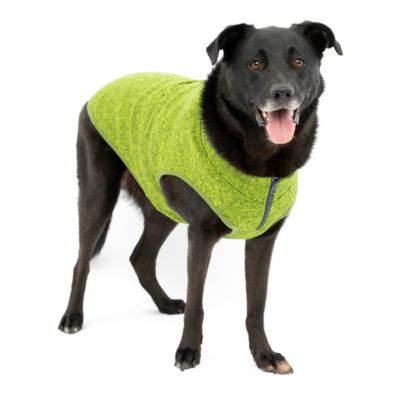
A dog Christmas sweater is a festive knit layer that brings holiday color and a little extra coverage to a pet’s everyday wardrobe. Christmas patterns, cheerful lettering, reindeer motifs, and classic red-and-green combinations give these sweaters their seasonal character, whether the occasion is a family photo by the tree or a quiet evening with everyone gathered in the living room. Some looks are playful enough for an ugly sweater gathering, while others keep things simple with stripes, cable stitching, or a small holiday design. The right choice feels like something the dog can comfortably wear, not just something that looks good in a picture. Softness, stretch, and the weight of the fabric all matter when a sweater sits against the chest, shoulders, and back. Acrylic knits can offer a wool-like feel, cotton blends may suit dogs that prefer a lighter layer, and wool-containing fabrics call for attention to both skin comfort and care requirements. The fiber blend alone does not tell the whole story; a thick, closely knit sweater will feel different from a thin, open knit made with similar fibers. Smooth inner surfaces and neatly finished seams can make a difference for pets with sparse coats or sensitive skin. Small dogs and short-coated breeds may appreciate an extra layer on a chilly outing, but clothing needs vary with the individual dog, activity level, and conditions. A heavily coated dog might be more comfortable wearing a sweater briefly for photos rather than throughout a busy indoor gathering. Knit holiday clothing is generally better suited to dry conditions than wet grass, slush, or steady rain, and it does not replace appropriate protection from severe cold. For a walk down the lane, a visit with relatives, or a spot beside the couch while presents are opened, comfort should stay ahead of the costume. A simple sweater that lets a dog move naturally often earns more wear than a fussy outfit that needs constant straightening.
Fit makes a big difference in how a dog Christmas sweater looks and feels. Breed names and familiar size labels are only starting points, since two dogs of similar weight can have very different builds. The most useful measurements are usually the neck, the fullest part of the chest, and the back from the base of the neck toward the base of the tail, following the measuring directions for the garment. A deep-chested hound needs room through the rib cage, while a stocky terrier may need more space around the neck and shoulders. A long-backed dog can need extra coverage without extra width, and a short-legged dog benefits from a hem that stays clear of the ground. Comparing those measurements with the garment’s size chart helps avoid a neckline that presses on the throat or a body that pulls tight behind the front legs. A comfortable sweater allows normal walking, sitting, stretching, and lying down without bunching under the chest. The underside should also leave enough clearance for bathroom breaks, especially on male dogs. Ribbed edges can help a sweater sit neatly, but they should not leave marks or pinch. Pullover styles have fewer closures to fuss with, although some dogs dislike having clothing slipped over their heads. Other designs may have openings or fasteners that make dressing easier; smooth edges and closures that stay clear of fur are worth a closer look. Any opening for a leash or harness needs to line up with the gear the dog normally wears. The sweater itself is not a restraint, and a leash belongs on a properly fitted collar or harness rather than on the knit fabric. Around a farm or country home, loose loops and dangling trim can catch on brush, wire, or a crate latch. Flat patterns and secure stitching are practical details for a dog that spends the celebration moving between family members. Bells, pom-poms, and other small attachments need close supervision, particularly with pets that like to chew. Clothing should come off if it twists, catches, or interferes with normal movement.
A Christmas sweater can make a thoughtful gift for a dog-loving friend or family member, especially when the giver knows the pet’s measurements and whether the dog enjoys wearing clothes. Matching the dog’s personality can be part of the fun: bold holiday patterns suit a lively family photo, while a quieter knit look works for a pet who usually keeps things low-key. A festive sweater also fits into the wider tradition of choosing
Christmas Dog Gifts for a pet who’s part of the family. For a newly adopted dog or a puppy still getting comfortable with handling, a short, relaxed introduction matters more than keeping an outfit on for the whole celebration. A few calm minutes with praise and a familiar treat can make the experience easier, but repeated pawing at the fabric, freezing in place, hiding, or trying to pull it off are signs to stop. Panting in a comfortable indoor room can also mean the extra layer is too warm. Sweaters are best worn with supervision and taken off when a dog is left alone or settles into a crate, particularly if the fabric could snag or be chewed. Care is another part of choosing clothing that can return for future Christmas gatherings. The care label should settle whether a sweater belongs in the washing machine or needs gentle hand washing, along with the right water temperature and drying method. Turning washable knits inside out can help limit rubbing against the outer pattern, and a laundry bag can reduce tangling with other garments. Flat drying, when directed, helps keep the body and neckline from stretching out. Between wearings, checking the underarms, seams, and trim for loose threads or pulled stitches can catch trouble before a small snag grows. A clean, fully dry sweater stores more comfortably than one packed away with damp cuffs or traces of mud. Those everyday details help keep the focus where it belongs: a comfortable dog sharing in the Christmas bustle.