Dog show supplies cover the gear that helps dogs and handlers get ready, stay organized and move comfortably through a day of competition. The main categories include show leads, grooming tools, portable grooming tables, crates, treat pouches, exhibitor number holders and equipment storage. For clubs and event crews, ring gates and nonslip matting help define the competition space. Each category serves a different part of the day, from brushing a coat before judging to giving a dog a quiet place to settle between ring appearances. Conformation supplies generally support coat presentation and controlled movement so a judge can assess a dog’s structure and breed characteristics. Obedience and rally equipment serves a different purpose, with choices shaped by the exercises and rules of each event. That distinction matters when selecting collars, leads and rewards, since equipment permitted in a practice session may not be permitted in competition. A show lead should suit the dog’s size, handling needs and event requirements, with a comfortable feel in the handler’s hand. Fine, understated materials can keep attention on the dog, but strength, construction and proper fit still come first. Braided nylon and leather offer different textures and care needs; smooth joins, sound stitching and well-finished hardware deserve a close look. A lead that works well for a small, steady dog may not be the right match for a larger dog still learning to move calmly beside a handler. Treat pouches support quick rewards during permitted practice and preparation, while secure closures help keep crumbs out of pockets and gear bags. Washable linings make cleanup simpler after soft treats. Exhibitor number holders serve the practical job of keeping identification visible without getting in the way of arm movement. For a first-time exhibitor, a junior handler or someone heading back into the ring after years of showing, well-matched equipment helps keep attention where it belongs: on the dog.
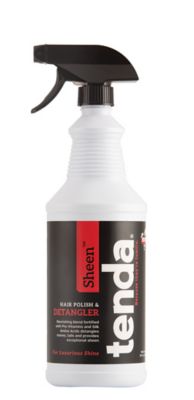
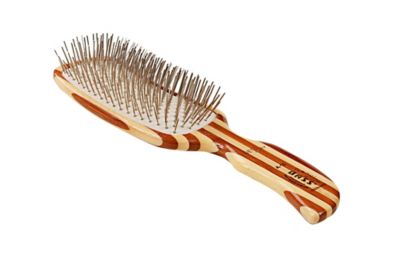
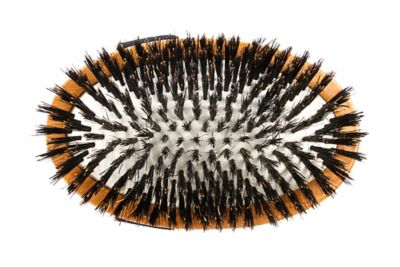
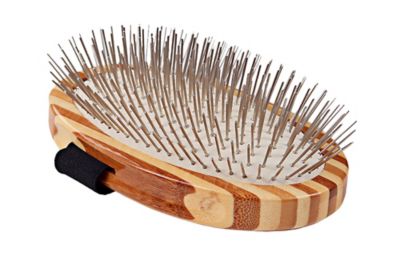
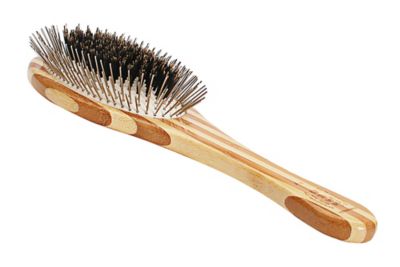
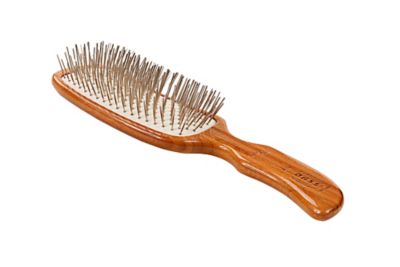
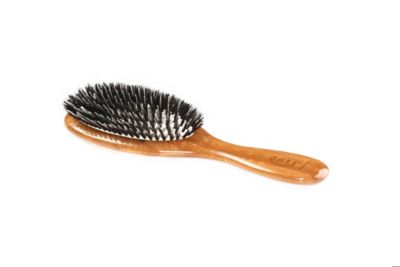
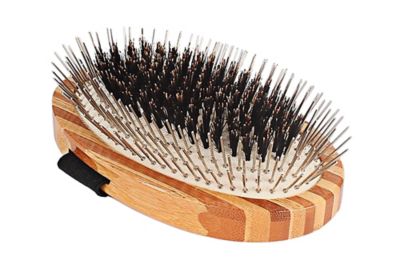
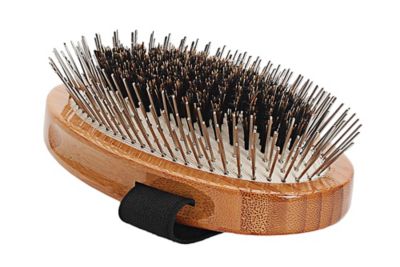
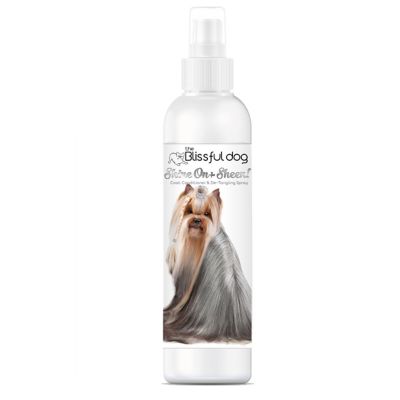
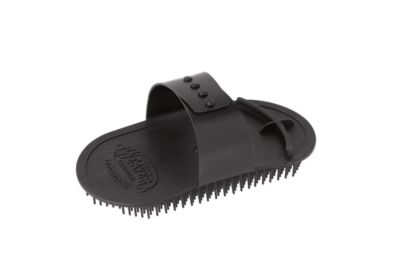
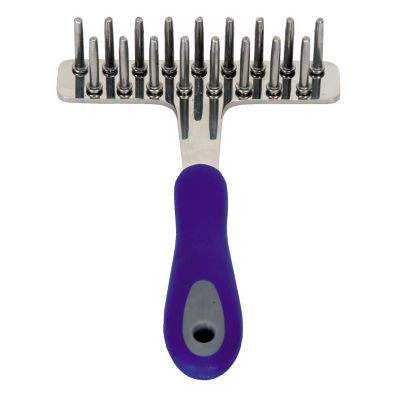
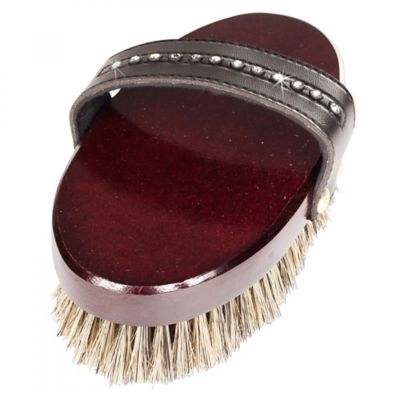
Grooming supplies for dog shows support coat care, tidy presentation and comfortable handling rather than one look that fits every breed. Coat texture and length determine which tool categories make sense. Pin brushes can help work through longer coats, slicker brushes can lift loose hair and separate tangles, and metal combs can check areas that a brush passes over. Tooth spacing, bristle firmness and handle shape all affect how a tool feels during repeated grooming sessions. A thick coat behind the ears or along the legs calls for patient work in small sections, not harder pulling. Short-coated dogs have different needs, often benefiting from tools that lift shedding hair without scraping the skin. Shampoos and coat conditioners should be formulated for dogs and matched to the coat and skin, with label directions guiding dilution, rinsing and frequency. Thorough rinsing matters when a dog will spend part of the day resting in a crate or lying on bedding after preparation. Grooming tables provide an elevated work surface, and their usefulness depends on more than the size of the tabletop. Weight capacity, leg stability, locking mechanisms and a nonslip surface all deserve attention, especially with a dog that shifts its feet while being brushed. Folding designs can make hauling equipment between the house, vehicle and show building more manageable. Grooming arms and restraints require correct adjustment and constant supervision; a dog should never be left unattended on a table or suspended by a grooming loop. For electrical grooming equipment, cord condition, manufacturer directions and safe placement away from water are important considerations. Tool care also affects day-to-day performance. Removing trapped hair, cleaning surfaces as directed and letting equipment dry before packing can help prevent buildup and corrosion. Cases with separate compartments keep sharp edges away from hands and protect comb teeth during transport. For someone who already has a grooming routine, a gift in this category makes the most sense when it matches the dog’s coat and the handler’s preferences.
Crating, transport and storage equipment round out a dog show setup by making the time outside the ring easier to manage. A crate needs enough room for the dog to stand naturally, turn around and lie down comfortably, along with secure latches and suitable ventilation. Wire, rigid plastic and fabric constructions differ in weight, visibility, cleaning needs and suitability for dogs that chew or push against an enclosure. A lightweight fabric enclosure may suit a settled, crate-trained dog in a supervised setting, while a stronger enclosure may be a better match for another dog. Show-site housing and vehicle travel are separate jobs, so a crate’s suitability for resting beside a grooming area does not establish its crash protection. Travel equipment should be selected and secured according to its intended purpose and manufacturer instructions. Washable bedding helps create a familiar resting spot, and accessible water supports a dog’s normal care throughout the event. Wheeled carriers and equipment carts can ease the trip across a parking lot, but load limits, balance, wheel size and brakes matter when crossing thresholds or stopping on a slope. Storage boxes and gear bags help separate clean towels, grooming tools, paperwork and feeding supplies, so a handler is not digging through everything when a ring assignment is called. Wipe-clean surfaces and removable liners are practical features when loose hair and treat crumbs follow the equipment home. For clubs, ring gates establish visible boundaries rather than escape-proof containment, while matting should lie flat, provide traction and suit the venue’s floor. Beyond competition, walking and outing gear also fits into a dog’s routine;
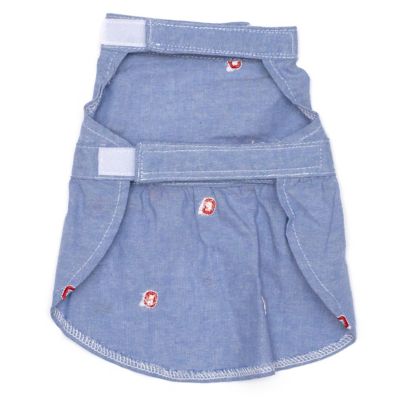
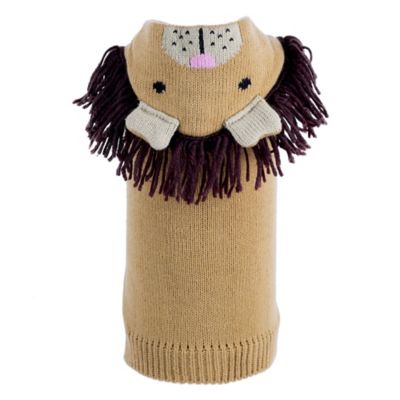
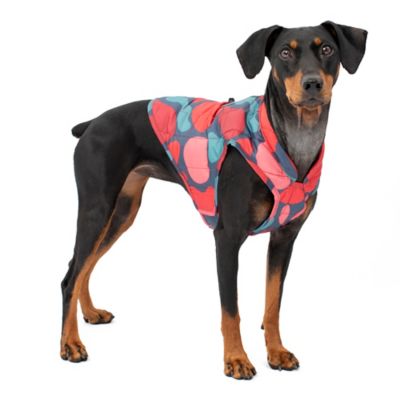
Fall Dog Accessories offers a related category to explore. Whether the day involves a local club event or a longer trip to a show, dog show supplies work best when they match the dog, the handler and the task. Thoughtful fit, straightforward cleaning and manageable packing make those early departures and trips back to the truck a little less of a chore.