Dog breeding supplies help responsible breeders prepare for the work that comes before, during, and after a litter arrives. Whether you raise dogs on a small farm, operate a home kennel, or are planning one carefully managed litter, the right setup can make those long days and sleepless nights more organized. A clean, secure whelping box gives the mother a familiar place to deliver and care for her puppies, while an enclosed design with protective rails can help reduce the chance of a newborn being accidentally pinned beneath her. Look for a size that lets the dam stretch out comfortably without leaving so much open space that tiny puppies can wander away from her warmth. Easy-clean surfaces, sturdy construction, and a low entry for the mother are practical details that matter when bedding needs to be changed more than once a day. During the cooler months, newborn puppies also need a carefully controlled warm area because they cannot regulate their body temperature well on their own. Heating equipment should be used with caution, positioned to prevent burns, and paired with a thermometer so the nesting area does not become too hot. A digital scale made for small animals is another valuable part of a breeding setup. Weighing puppies at a consistent time each day and keeping written records can help you spot a puppy that is not gaining as expected before the problem becomes serious. Soft identification collars or color-coded bands make it easier to tell littermates apart, especially when several puppies look alike, and they support accurate notes about weight, nursing, medications, and development. Keep collars loose enough to allow growth and check them often. A notebook, washable marker, or digital record can round out the system, helping you remember which puppy nursed well, which one needed extra attention, and when each puppy received care.
A well-stocked whelping area also includes basic neonatal-care supplies for situations that do not go exactly as planned. Bulb syringes can help clear fluids from a puppy’s mouth and nose when used properly, while clean cord-care materials and appropriate clamps or hemostats may be useful for managing umbilical cords under veterinary direction. Canine milk replacer can provide supplemental nutrition when a mother has a large litter, produces too little milk, becomes ill, or cannot safely nurse. Feeding bottles, small syringes, and specialized feeding tubes may also be needed for weak or orphaned puppies, but tube feeding requires instruction from a veterinarian or experienced professional because improper technique can send milk into the lungs. These supplies are not substitutes for veterinary care; they are tools to have ready while you contact your clinic and follow its guidance. Keep everything clean, dry, and easy to reach, and check expiration dates on formulas and other consumable items before the litter arrives. The mother’s health deserves equal attention. Quality food appropriate for pregnancy and nursing, fresh water, clean bedding, and veterinarian-approved nutritional supplements can support her changing needs, but supplements should never be added casually or used to replace a balanced diet and professional advice. Breeders may also use pregnancy-monitoring equipment, ovulation-timing tools, or handheld imaging devices as part of a planned breeding program. These tools can help with timing and record keeping, but accurate interpretation takes training, and pregnancy confirmation and reproductive decisions are best handled with a veterinarian. Assisted-breeding supplies, including collection containers, catheters, and semen-preservation materials, should be selected and used according to veterinary or reproductive-specialist guidance. Before buying, consider the dog’s breed and size, the expected litter size, your space, your level of experience, and whether you have dependable access to an emergency clinic. A giant-breed dam and a toy-breed dam will not have the same space, bedding, feeding, or handling needs, and a first-time breeder may benefit from a more complete setup than someone who already has a dedicated whelping room.
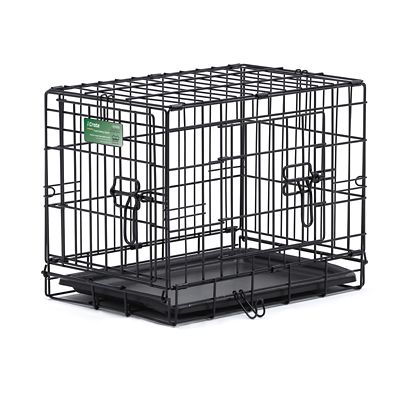
Dog breeding supplies can also be thoughtful gifts for a family member or friend who is preparing for a planned litter, though practical support is usually more helpful than a surprise purchase. A gift card, storage tote, washable bedding, record-keeping materials, or a contribution toward veterinary care lets the breeder choose the right size and style for their dogs. Friends and relatives can help in other down-to-earth ways, too, such as preparing meals, picking up feed, or taking the mother outside for short breaks while someone watches the puppies. As the weather shifts from warm days to cooler nights, keep the whelping space away from drafts, damp floors, and heavy household traffic, and make sure heat sources have safe power connections that curious dogs cannot reach. Once puppies are growing and beginning to explore, a secure crate or separate puppy-safe area can help with rest, transport, and the early routines that support good manners; resources such as
Dog Crate Training Supplies can help you gather equipment for that next stage. Responsible breeding involves more than having a box and a few feeding tools on hand. It means planning for normal care, preparing for complications, tracking each puppy’s progress, keeping the mother comfortable, and knowing when professional help is needed. Store supplies where they are clean, dry, and easy to reach, assemble the whelping area before delivery is close, and keep your veterinarian’s number posted near the phone. A calm routine, careful observation, and dependable equipment can make a real difference when a new litter arrives in the quiet hours before sunrise.