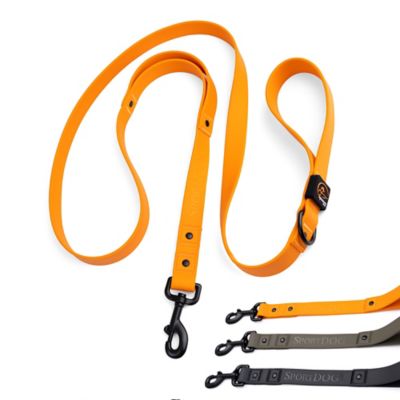
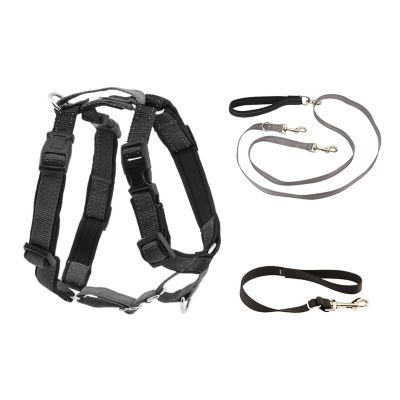
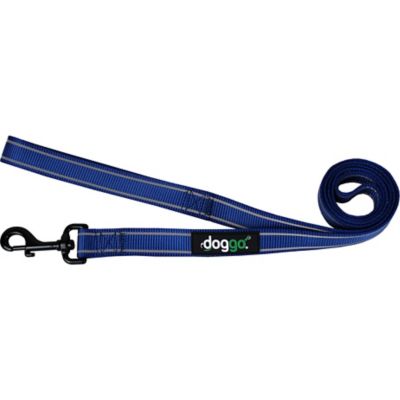
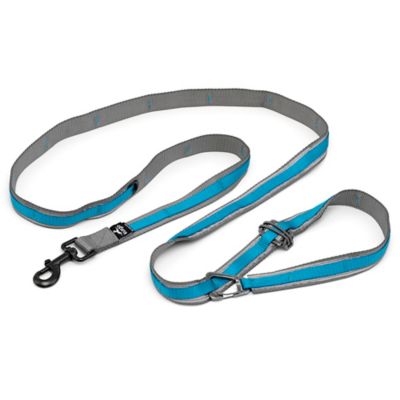
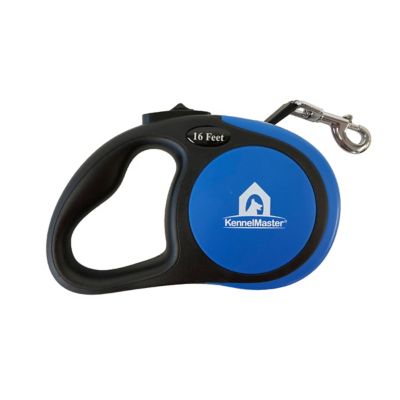
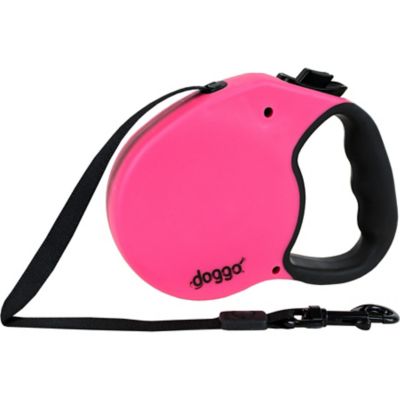
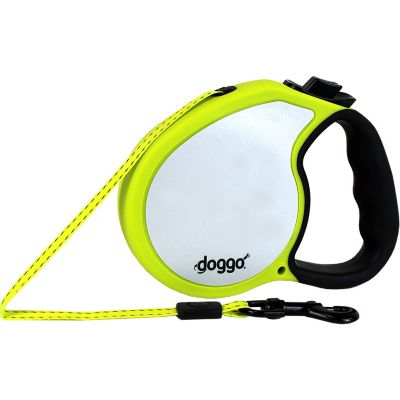
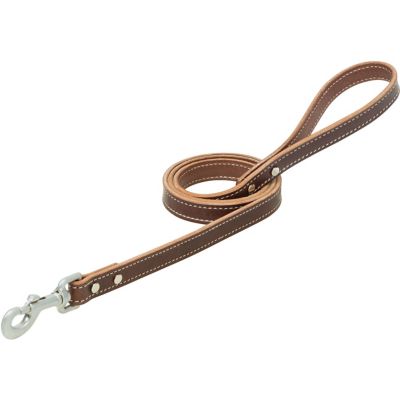
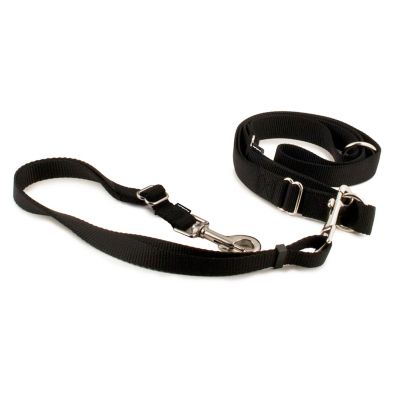
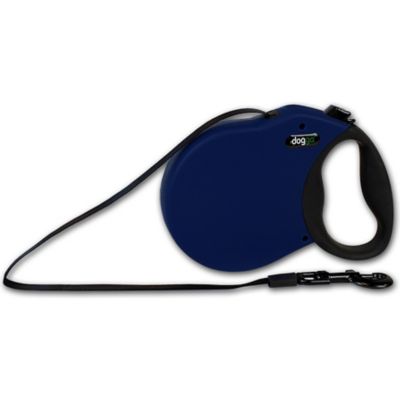
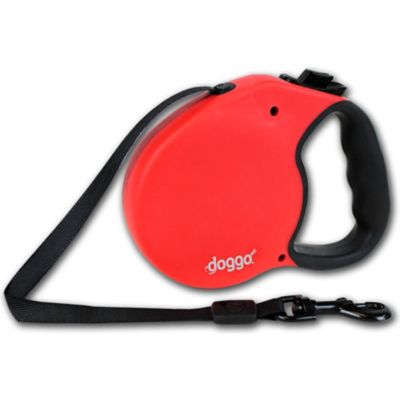
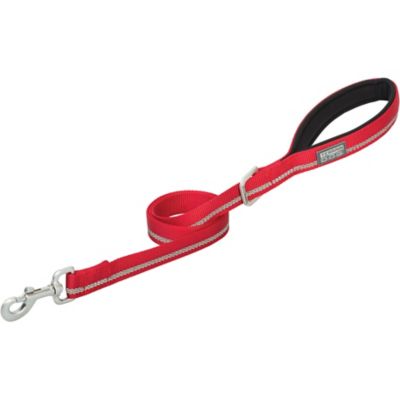
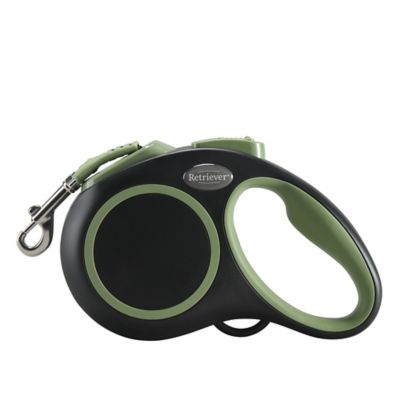
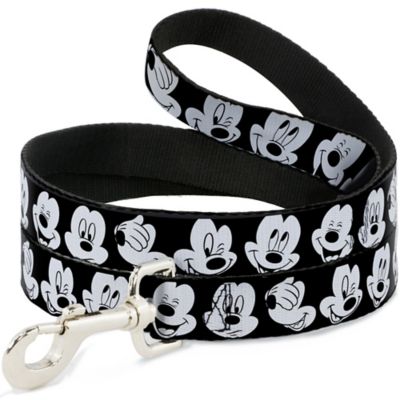
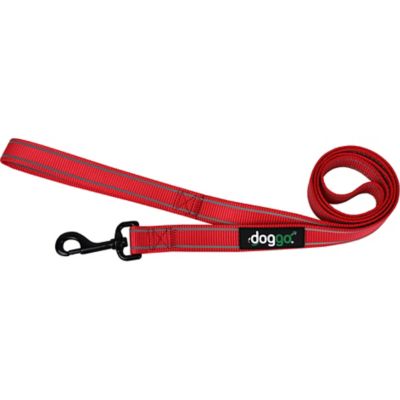
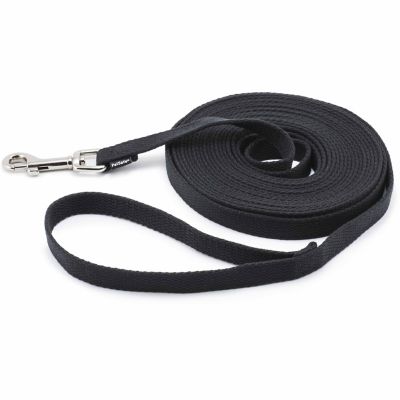
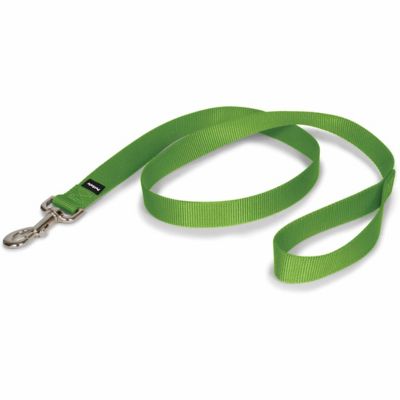
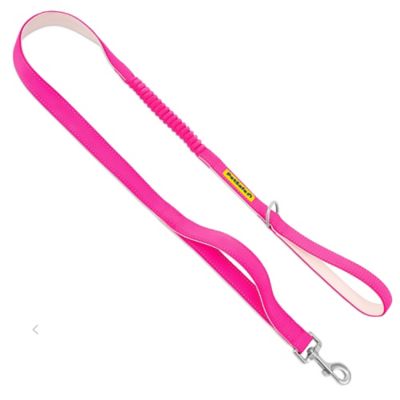
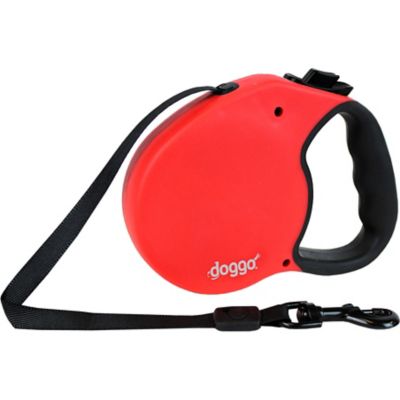
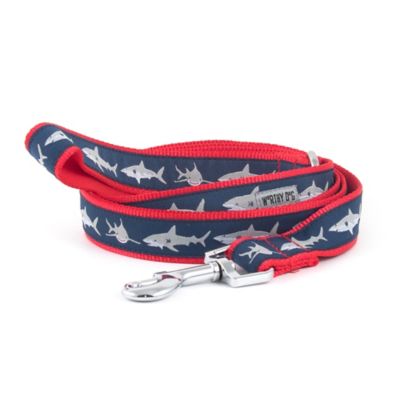
Dog leashes for service dogs are everyday working gear that helps a handler keep a trained dog close while leaving room for the dog to do its job. A service dog is trained to perform work or tasks for a person with a disability, and the right leash arrangement depends on those tasks as much as the dog’s size. Under the Americans with Disabilities Act, service dogs must be harnessed, leashed, or tethered in public places covered by the law unless the handler’s disability prevents using that equipment or it interferes with the dog’s safe, effective performance of trained tasks. When that exception applies, the handler must still maintain control through voice commands, signals, or other effective means. The ADA does not require a particular leash color, printed message, or brand. A leash marked “Service Dog” or “Do Not Pet” can help communicate that a dog is working, but lettering does not establish service-dog status or create public-access rights. For everyday errands, a manageable leash length helps a dog settle beside a chair at a clinic, follow its handler through a farm supply aisle, or wait without blocking a doorway. The goal is enough room for a comfortable working position without excess line trailing across someone else’s path. A fixed-length leash offers consistent reach, while an adjustable leash can accommodate different positions without switching gear. Retractable designs allow changing distance, but their extending line can make close positioning and slack management harder in crowded spaces. Printed messages are another practical consideration: lettering that faces outward and stays visible when the leash hangs naturally is easier for passersby to notice. Even clear wording cannot prevent every interruption, so the leash remains a handling tool rather than a substitute for training. For handlers who travel between open walkways and tight seating areas, a straightforward design with predictable length can make the day a little less complicated.
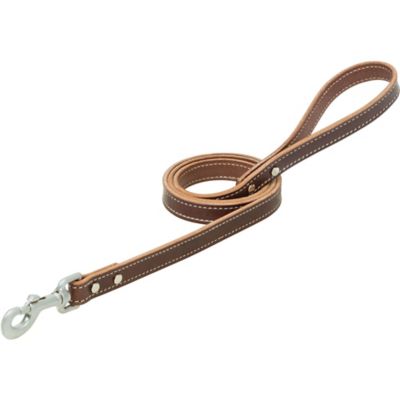
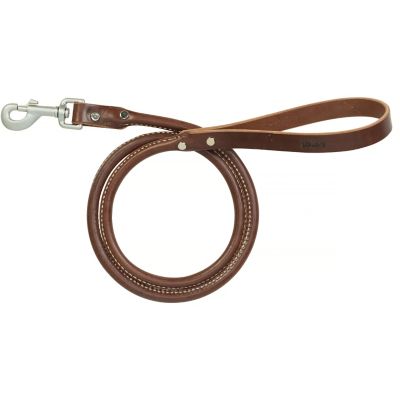
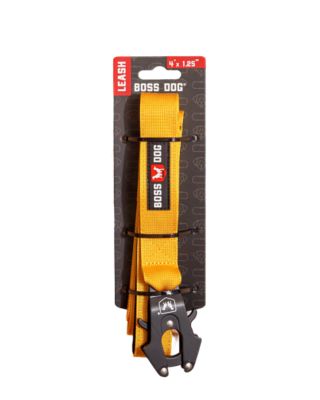
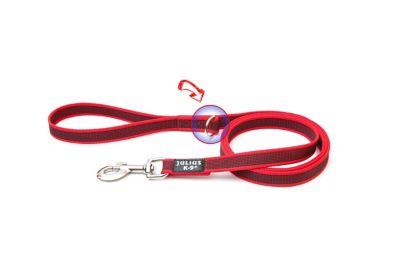
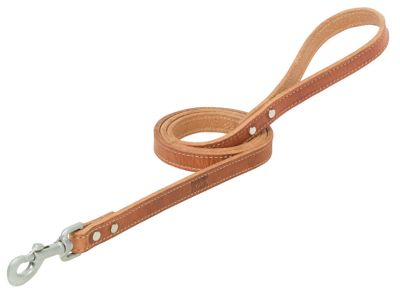
Materials, hardware, and handle shape all affect how a service dog leash feels over many hours of work. Nylon webbing is often lightweight and flexible, with a woven surface that may collect grit along its edges. Polyester webbing offers another fabric option, while coated webbing has a smoother surface that can be easier to wipe after contact with dirt. Leather has a different feel in the hand and needs care suited to the material, especially around bends and stitched connections. No material eliminates the need to check for wear. Fraying, cuts, loose stitching, cracked surfaces, and damaged attachment points deserve attention before they become bigger problems. Leash width and thickness should suit the dog, the attachment hardware, and the handler’s grip. A heavy clip may be cumbersome on a small dog, while narrow straps may press into the hand when tension develops. Wider webbing spreads contact across more of the palm, although a thicker strap can be harder for someone with limited finger movement to manage. Padded handles can soften contact, but bulky padding may not suit every grip. A shorter secondary handle near the dog’s attachment point offers another place to hold during close positioning, provided the handler can reach it comfortably. Clips should match the collar or harness attachment ring, close completely, and move without binding. Locking connectors add a closure step, making their operation worth considering for handlers with reduced hand strength or dexterity. Metal hardware also adds weight, so a large connector is not automatically the best match for every team. Stitching around handles and attachment points, smooth hardware edges, and firmly seated adjustment components matter more than a rugged-looking appearance. Reflective details can help a leash stand out when light strikes them, but they do not make the dog and handler visible in every setting. A leash should support routine control; it is not a weight-bearing mobility aid, and choosing one does not replace selecting a properly fitted collar or task-appropriate harness.
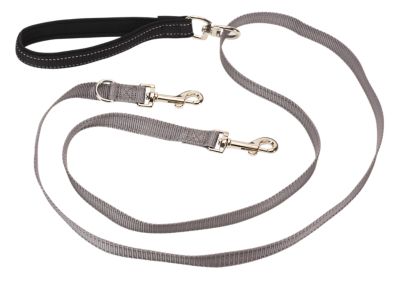
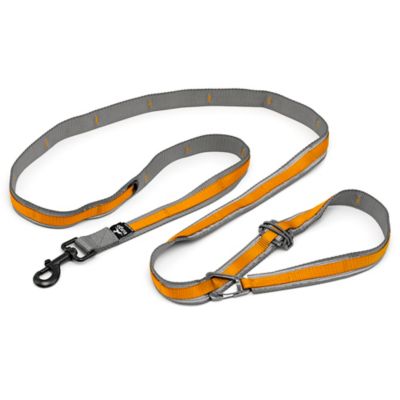
Hands-free service dog leashes can suit handlers who need their hands for a wheelchair, a cane, a bag, or other everyday equipment. Waist-worn and crossbody arrangements move the holding point from the hand to the body, while adjustable designs may also convert to a hand-held configuration. Their usefulness depends on how the dog works beside the handler and where tension travels through the leash. A waist attachment that feels comfortable while standing may sit differently when seated, and a crossbody strap can shift against clothing or interfere with another strap. Hands-free does not mean unattended: the handler still needs effective control and a setup that does not compromise balance, transfers, or access to essential equipment. Wheelchair-compatible arrangements call for particular care with routing and attachment. The line needs to stay clear of wheels, footrests, brakes, and controls, without creating a snag point or limiting the dog’s trained movements. A service-dog trainer or mobility professional can help assess whether an attachment arrangement suits the handler’s equipment and tasks. Adjustable sections and multiple attachment rings can offer flexibility, but extra hardware also creates more pieces to inspect and more opportunities for tangling. Whether the leash is hand-held or hands-free, enough slack for a relaxed working position is helpful; a loop dragging on the ground is not. Care requirements belong in the decision, too. Fabric leashes may need cleaning according to their care directions, coated straps often call for wiping, and leather generally needs material-specific cleaning and conditioning. Hardware should be checked for grit, corrosion, and gates that no longer close freely. Storing a clean, dry leash away from a dog’s reach helps protect it from chewing between outings. For shoppers comparing broader leash styles,
Best Dog Leashes offers another place to explore the category. A leash can also be a thoughtful gift for a service-dog handler, but length, grip, attachment style, and task compatibility are personal choices. Matching the recipient’s established setup is more useful than choosing by color or lettering alone. The best fit is gear that works with the team’s routine, from a quiet waiting room to a busy checkout line.