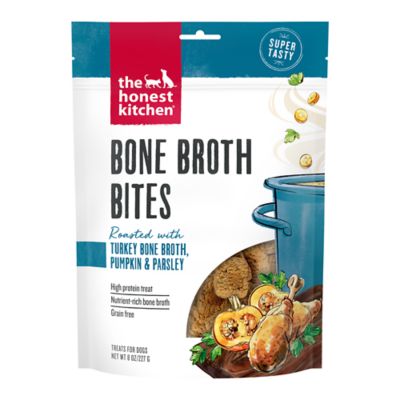
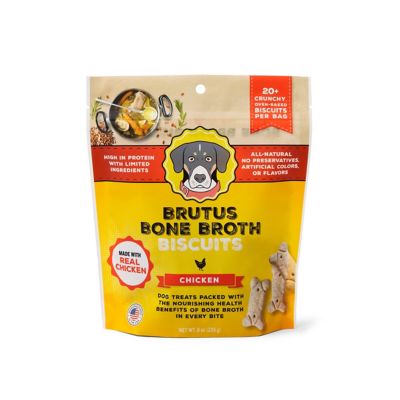
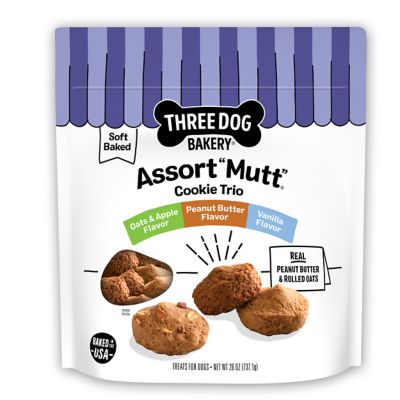
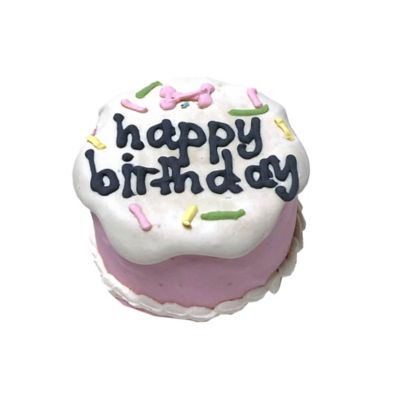
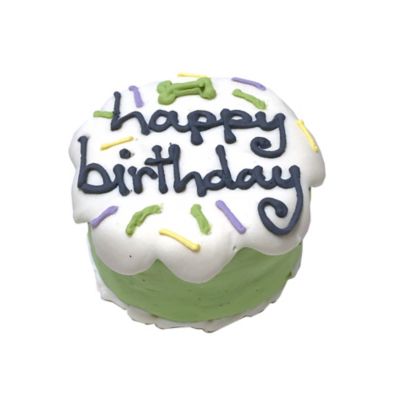
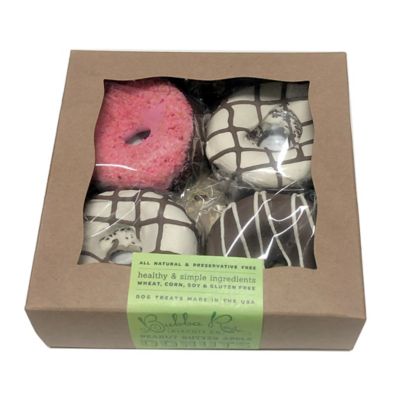
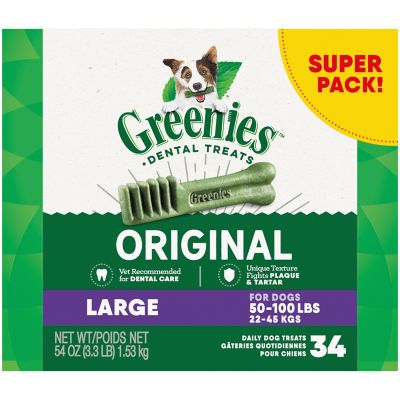
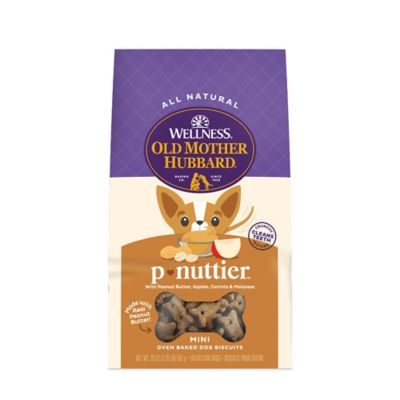
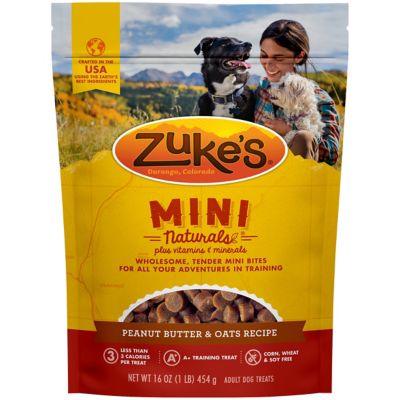
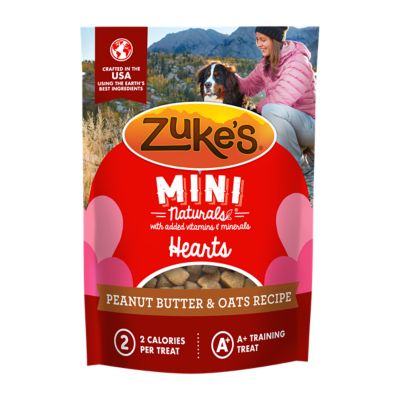
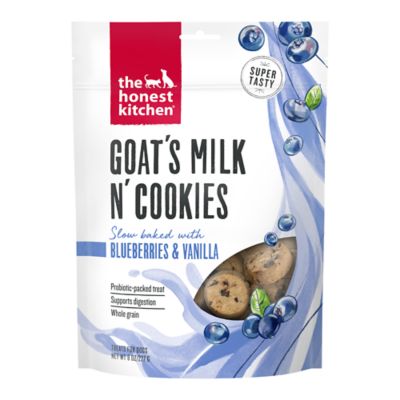
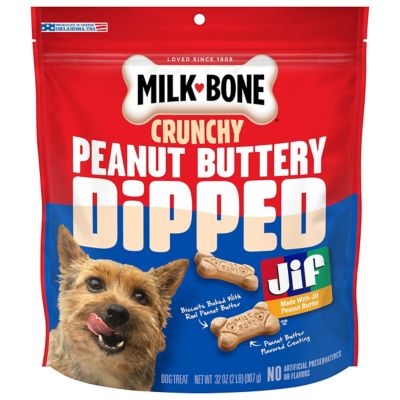
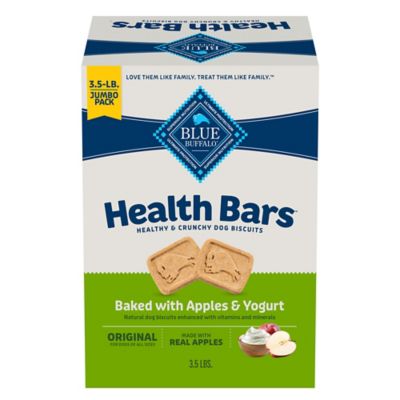
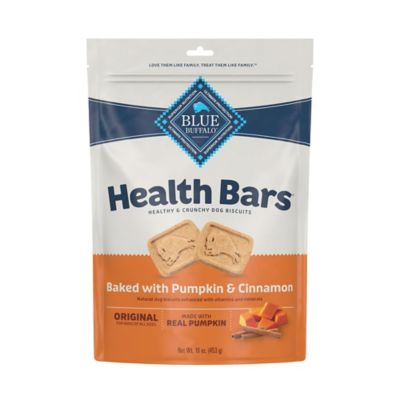
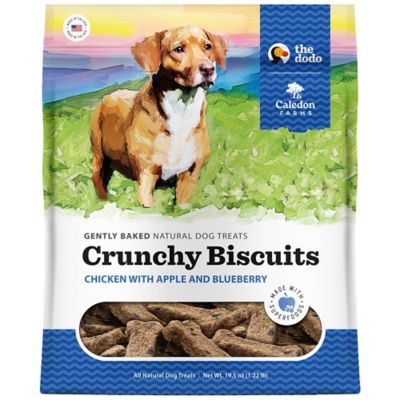
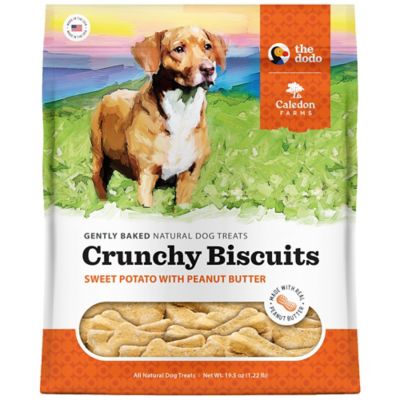
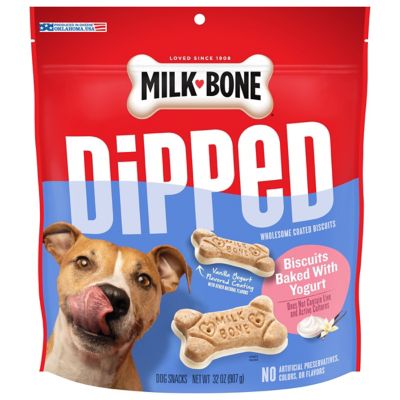
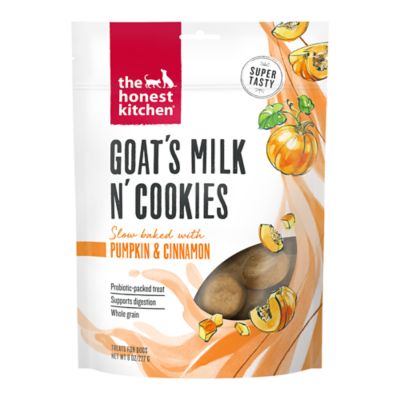
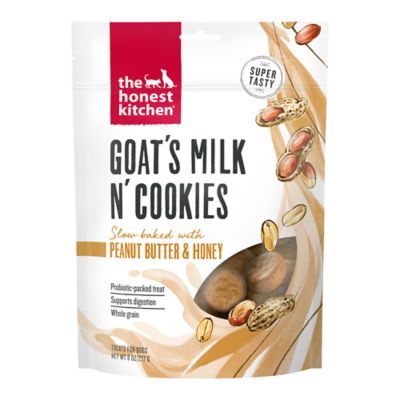
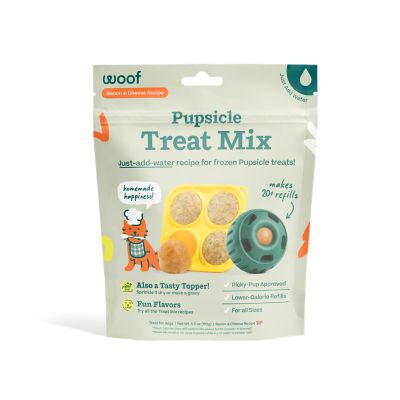
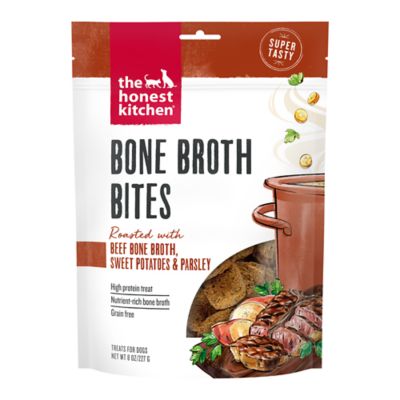
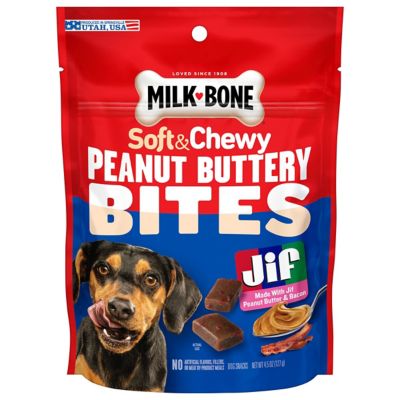
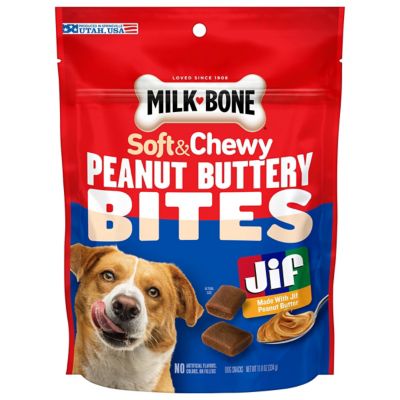
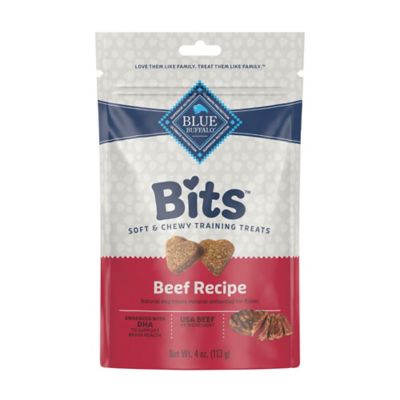
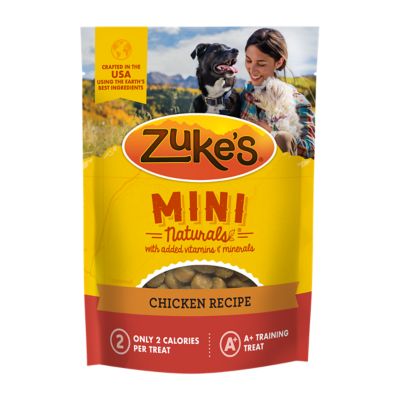
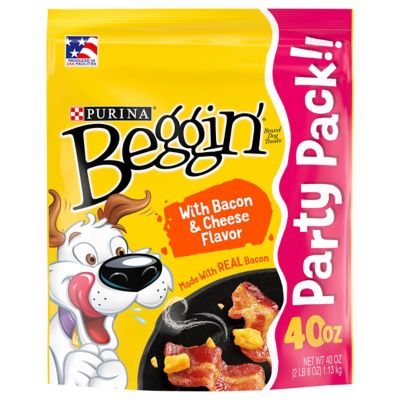
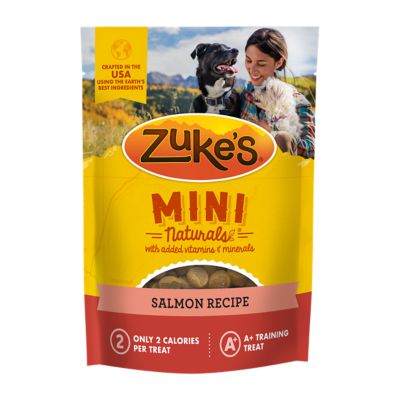
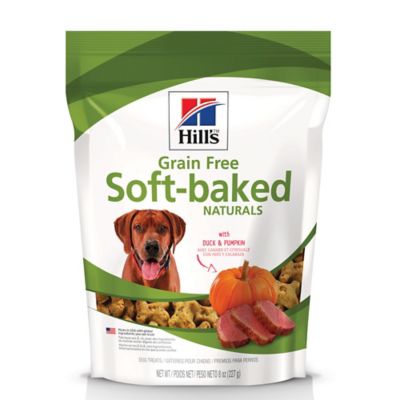
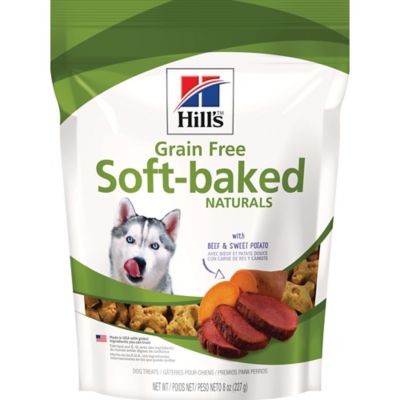
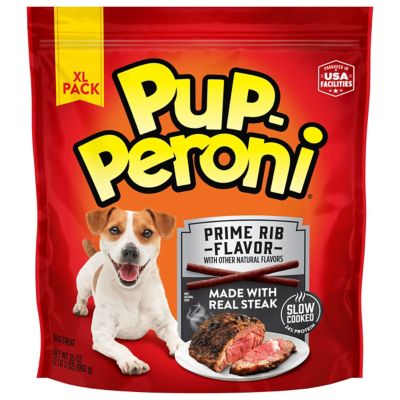
Dog desserts bring a little extra fun to treat time, whether you are rewarding a good sit, marking the end of a long walk, or giving your four-legged companion a special bite during the cooler months. This selection is suited to many kinds of dogs and households, from families welcoming a new pup to longtime owners who enjoy making ordinary evenings feel special. Dessert-style dog treats may include biscuits, soft chews, baked bites, frozen snacks, and other portions made with dogs in mind. They can fit into training routines, kennel practice, holiday gatherings, adoption-day celebrations, or a quiet night on the porch after chores are finished. They also make a thoughtful gift for a friend with a new puppy, a neighbor who keeps a farm dog, or anyone who likes to keep a few extra rewards on hand. When choosing a treat, consider your dog’s age, size, chewing habits, activity level, and regular meal plan. A small, soft bite may suit a young pup or an older dog with sensitive teeth, while a firmer biscuit can give an active dog something to enjoy at a slower pace. Treats should remain a small part of the day’s food, and the serving size on the package is a helpful place to start. For dogs carrying extra weight or managing a health concern, check with a veterinarian before adding new snacks. It is also wise to introduce one new item at a time and watch for changes in digestion, itching, energy, or behavior. Keeping a simple note of what your dog receives can help you spot which ingredients agree with them, especially in a home with more than one animal.
For shoppers looking at dog desserts, the ingredient list matters as much as the flavor or shape. Common choices include peanut butter made without xylitol, plain yogurt, pumpkin puree, bananas, apples, and oats. Peanut butter can be appealing to many dogs, but always check the label for xylitol, an artificial sweetener that can be dangerous. Plain yogurt may work for some dogs, though dairy can bother others, so a small portion is a sensible first step. Pumpkin and oats are familiar ingredients in many dog snacks, while banana and apple can add natural flavor when prepared safely. Apple pieces should be free of seeds, stems, and core, and any fruit-based treat should be offered in moderation because fruit contains natural sugar. If your dog has wheat, dairy, egg, or other food sensitivities, look for a short ingredient list and read the package closely before bringing a new snack home. Treats made for people are not always suitable for dogs, even when they look simple. Chocolate, grapes, raisins, onions, garlic, and xylitol should stay out of a dog’s bowl. Rich frosting, heavily seasoned foods, and products with a great deal of salt or sugar are also poor choices for routine rewards. Keep all snacks in a closed container away from curious noses, and make sure every family member knows which foods are safe to share. For more fruit-forward choices, browse
Apple Dog Treats. It is best to keep fresh water nearby, especially after an active play session or when offering a dry biscuit. If a dog shows vomiting, diarrhea, weakness, shaking, or unusual behavior after eating something new, contact a veterinarian or animal poison service promptly.
Dog desserts can be part of many everyday routines without taking over a balanced feeding plan. A small treat tucked into a puzzle toy can give a bored indoor dog something to focus on while the family finishes supper. A soft bite after grooming may help a nervous dog build a better connection with brushing, nail care, or a bath. During cooler weather, a special snack after a romp through fallen leaves or a brisk walk can make coming back inside feel even better. At gatherings, serve dog treats separately from people food and keep the serving spot away from plates, cups, and children’s hands. Some dogs eat quickly, so break larger pieces into smaller portions or choose a shape that encourages a slower pace. For homes with several dogs, offer treats one at a time and give each animal room to eat without competition. Desserts can also be a welcome present for a new puppy, a service dog in training, or a farm dog that spends long days alongside its owner, but it helps to ask about allergies and feeding rules before giving food as a gift. A treat does not need to be elaborate to feel special; a familiar flavor, a manageable size, and an ingredient list that fits the dog’s needs often matter most. Store snacks according to package directions, protect them from heat and moisture, and check freshness before serving. With thoughtful portions and careful ingredient checks, dog desserts can add a cheerful touch to training, bonding, celebrations, and those ordinary moments when your best trail companion is sitting nearby, watching every move and hoping for a little something from your hand.