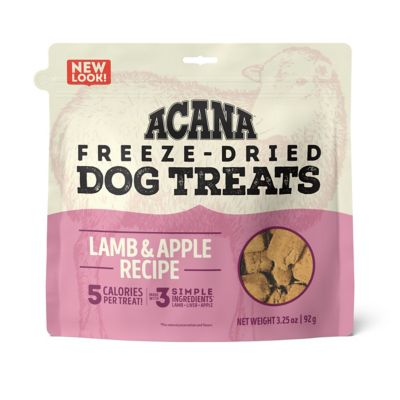
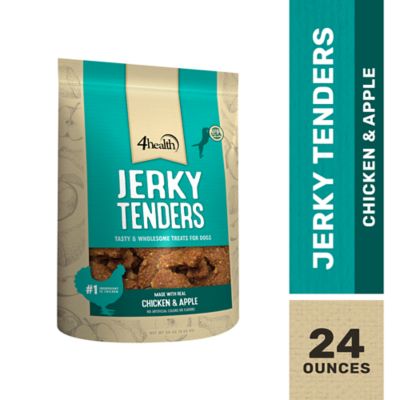
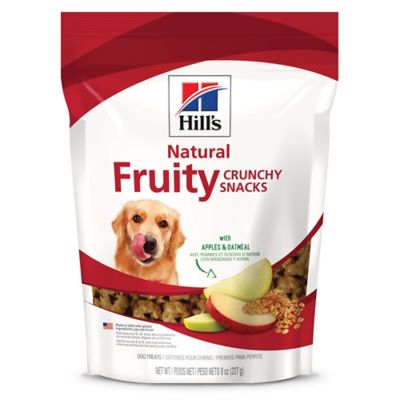
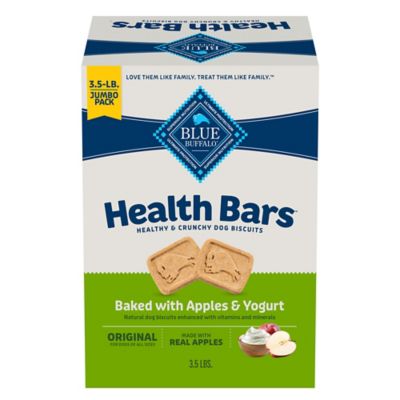
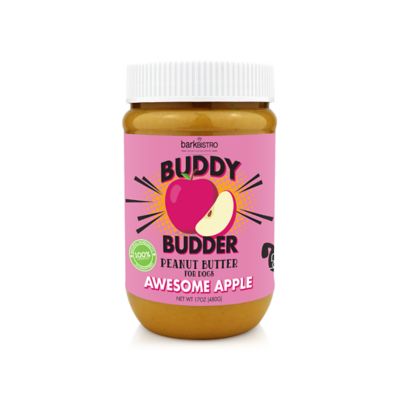
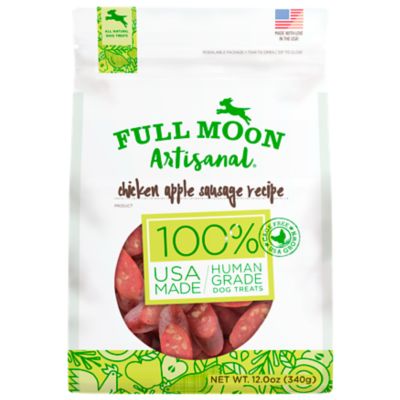
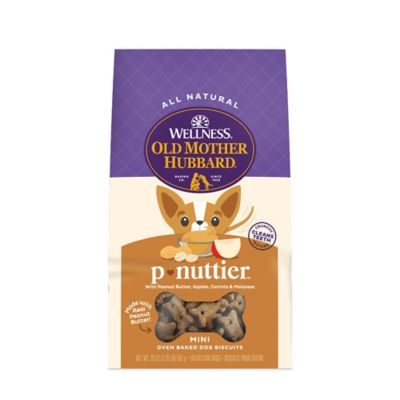
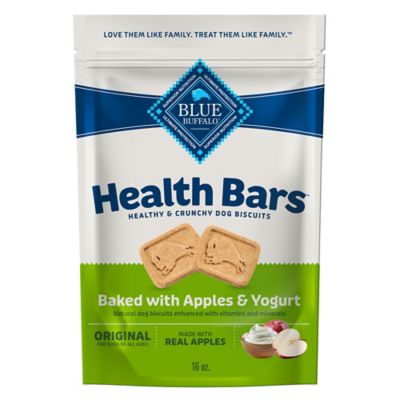
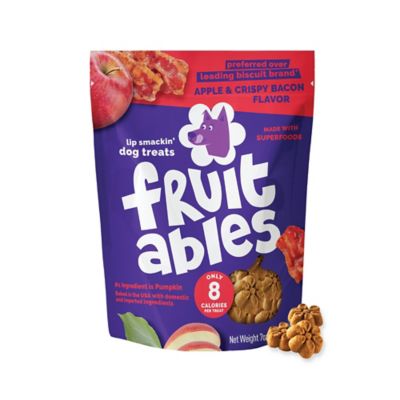
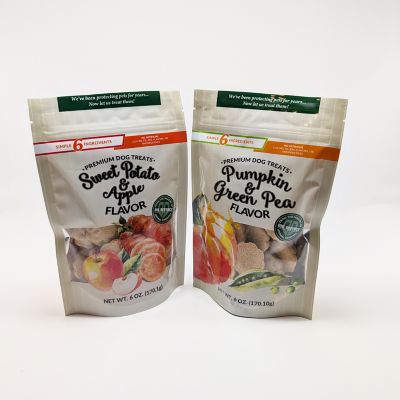
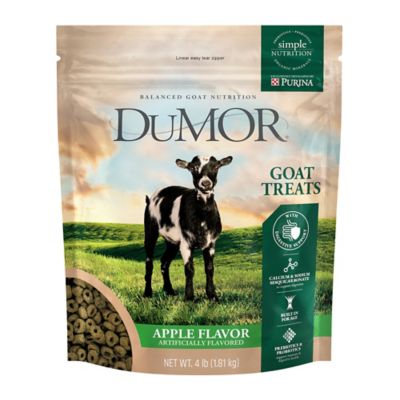
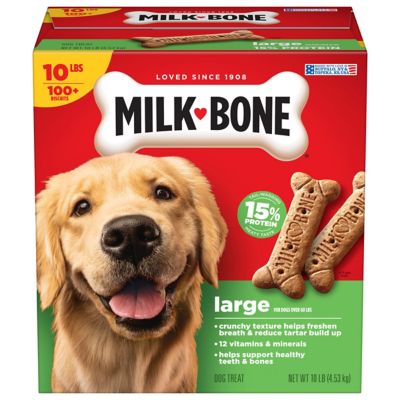
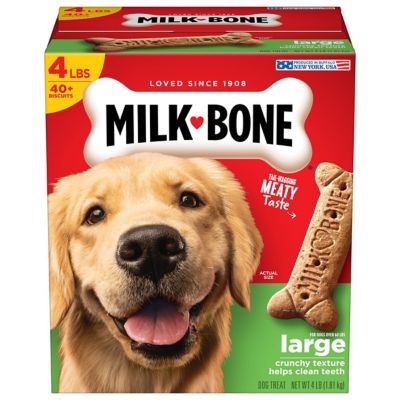
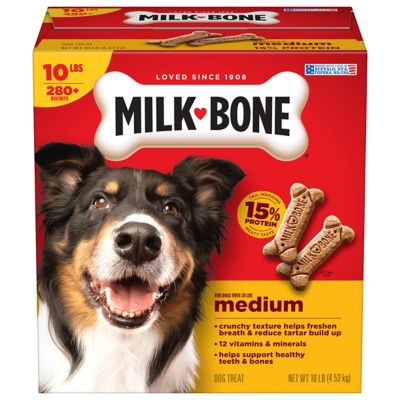
Apple dog treats bring a little orchard-day goodness to the treat jar, whether you have a young pup learning the ropes, an older dog who still comes running at the crinkle of a bag, or a hardworking farm dog waiting by the gate after a long day. Treats made with apple may offer a naturally sweet flavor many dogs enjoy, along with a satisfying crunch in some varieties. They can be handy for reward-based training, topping off a food puzzle, packing for a walk, or sharing during a quiet break on the porch. Some families keep apple-flavored treats on hand for everyday encouragement, while others choose them as a thoughtful gift for a neighbor’s new puppy, a friend’s kennel, or the dog who spends every weekend at the hunting cabin. When browsing apple dog treats, consider your dog’s age, size, chewing habits and overall diet. Small, softer pieces may be easier for puppies, senior dogs or dogs with missing teeth, while crisp biscuits can suit dogs who enjoy a good crunch. Larger dogs may handle bigger treats, but portion size still matters, especially when treats are used often. Look for feeding directions on the package and count treats as part of your dog’s daily food intake. A good rule of thumb is to keep treats and other extras to a modest share of the day’s calories, with the main diet providing balanced nutrition. For training, breaking larger treats into smaller pieces can keep rewards coming without filling your dog up before supper. It also helps you stretch a bag farther when teaching manners around livestock, practicing recall in the yard or working on calm behavior when company arrives.
Apple dog treats can be a straightforward choice, but the ingredient list deserves a close look. Apples themselves can be a suitable snack for many dogs when prepared properly, yet whole apple cores and seeds should not be offered. Apple seeds contain compounds that can release cyanide when chewed and digested, while the tough core may present a choking hazard or contribute to an intestinal blockage. Commercial treats made with apples are generally prepared to remove these parts, but checking the ingredients and following the package directions is still a smart habit. If you make homemade treats or add fresh apple to a dog’s meal, wash the fruit, remove the stem, core and seeds, and cut it into bite-size pieces. Never use a recipe containing xylitol, also called birch sugar, which is highly toxic to dogs and may appear in some peanut butters, applesauce, baked goods or other sweetened ingredients. Read labels carefully and choose plain, xylitol-free ingredients when preparing food for a pet. Spices deserve the same attention. Cinnamon may appear in some dog treat recipes, but nutmeg should never be added because it can be harmful to dogs. Avoid treats with excess sugar, heavy frosting, chocolate, grapes, raisins or other ingredients known to be unsafe for pets. Dogs with food sensitivities may need limited-ingredient options, and a veterinarian can help guide choices for dogs managing diabetes, pancreatitis, weight concerns or other health conditions. Introduce any new treat gradually, offering a small amount first and watching for vomiting, diarrhea, itching or other signs of a reaction. Keep fresh water available, store the bag where curious noses cannot reach it, and supervise dogs that tend to gulp instead of chew. A treat that seems small in your hand can be a sizable mouthful for a little dog, while a big, enthusiastic chewer may need a softer option or closer supervision.
The best apple dog treats fit naturally into the way you and your dog spend time together. Use a few pieces to reward a dog for sitting politely while muddy boots come through the door, staying out of the garden beds or settling down while chores are finished. During warmer weather, crunchy treats can be tucked into a treat ball or scattered through a snuffle mat for a little nose work in the shade. As cooler days settle in, they make an easy addition to a training pouch during walks, trail rides or backyard practice, and the apple scent can feel right at home beside the smell of hay, leaves and fresh-cut grass. Just remember that treats are rewards, not replacements for complete dog food, daily exercise or regular veterinary care. Dogs with a history of choking, dental trouble or digestive upset may need a different texture or a smaller serving, and puppies should receive treats suited to their stage of growth. If you are putting together a pet-care basket, apple dog treats pair nicely with a sturdy bowl, a chew-safe toy, a leash or a cozy blanket, making them useful for a new dog owner, a farm family or anyone who enjoys spoiling a faithful companion. For households with more than one dog, compare each pet’s size and dietary needs instead of handing out the same amount to everyone. Some dogs enjoy apple flavor alongside grains such as oats, while others do better with simpler recipes. If your dog likes fruit-forward flavors, you may also want to browse
Coconut Dog Treats for another treat-jar option. With sensible portions, careful ingredient checks and a little attention to texture, apple dog treats can turn ordinary moments into something your dog looks forward to, from a quick reward after a good sit to the happy tail thump that follows a long day outdoors.