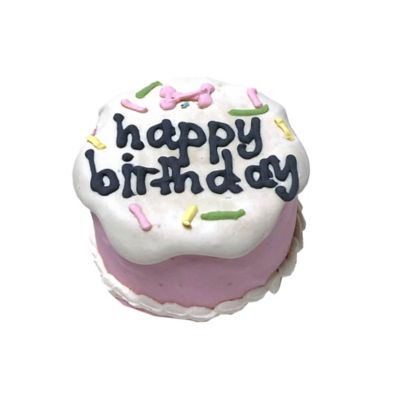
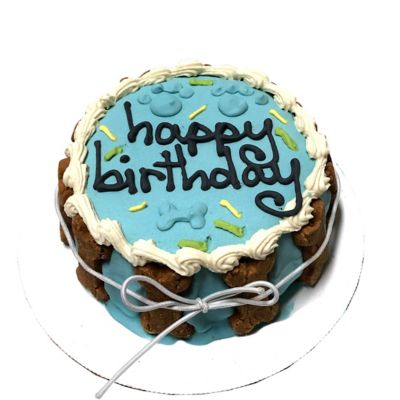
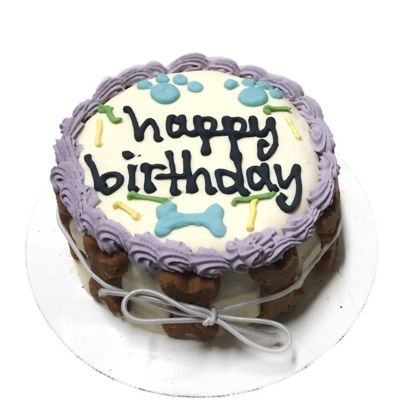
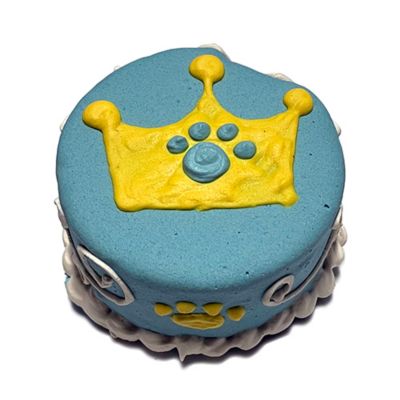
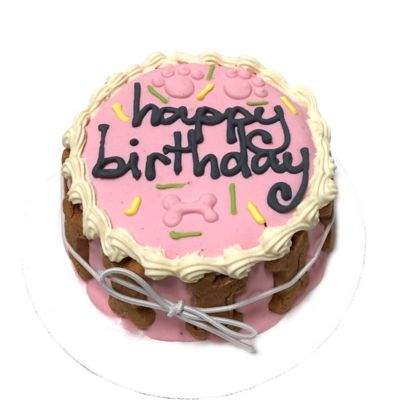
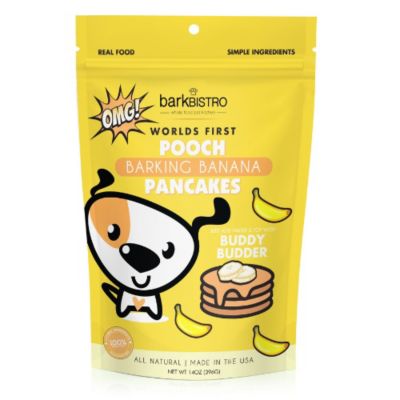
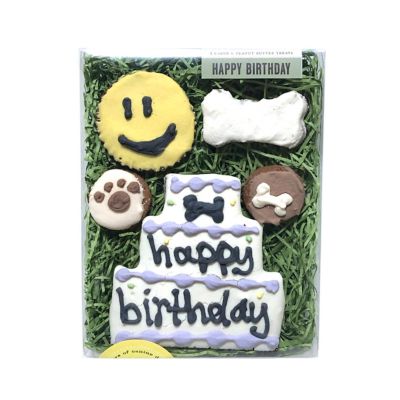
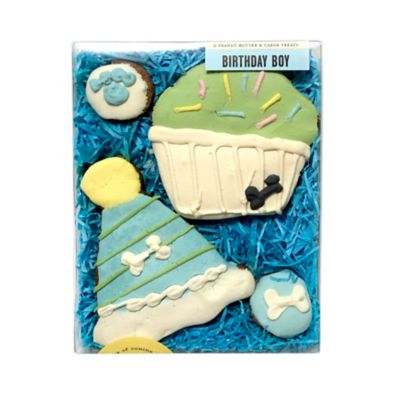
Dog birthday cakes make a familiar celebration feel right at home for the four-legged member of the family. Whether the guest of honor spends the day tagging along for barn chores, riding into town or keeping watch from the porch, a birthday treat gives that good dog a little extra attention. These cakes are treats formulated for dogs rather than people, with ingredients, textures and serving directions that should suit canine feeding needs. The category can include ready-to-serve cakes, cake-shaped baked treats and mixes that require preparation before serving. Each format brings something different to the occasion: a finished cake keeps preparation simple, while a mix offers the experience of baking a birthday treat at home. Neither format is automatically the better choice for every pet; the ingredient list, calorie information and finished texture matter more than the shape or frosting. Pumpkin, banana, carrot, peanut butter and oat flour are ingredients that may appear in dog cake recipes, though any ingredient still needs to agree with the individual dog. Peanut butter should be free of xylitol, a sweetener that is toxic to dogs and may also appear on labels as birch sugar. Chocolate, cocoa, raisins, grapes and macadamia nuts do not belong in a dog’s birthday serving, either. A cake made for people is not a suitable substitute simply because the slice is small or the icing has been scraped away. Dog birthday cakes are intended for occasional treating, not as complete meals, and a dog-friendly label does not mean unlimited portions. For many families, the best celebration is a small serving in a familiar bowl, a favorite game in the yard and a few minutes together before the regular evening routine. The cake marks the occasion without needing to become the whole meal, and the dog gets the part that matters most: something tasty and time with favorite people.
Size and texture help determine how a birthday cake fits the dog receiving it. A broad cake might look right for a gathering, but the portion in each bowl should reflect that dog’s size, daily calorie needs and health. A small companion dog and a full-grown farm dog should not receive matching slices just because they are celebrating together. As a general rule, treats should account for no more than 10 percent of a dog’s daily calories, with complete and balanced food providing the rest; some dogs need a tighter limit based on veterinary advice. That treat allowance includes everything else handed out during the day, from training rewards to the biscuit after the last walk. Calorie information per serving makes comparing cake formats more useful than judging by diameter alone, since a small, dense baked treat can pack more calories than its appearance suggests. Soft, cake-like textures may be easier for some older dogs to manage, while firmer baked cakes offer a different bite and may need dividing into smaller pieces. Softness does not remove choking risk, and dogs that gulp food still need manageable portions and supervision. For puppies, seniors and dogs with missing teeth or chewing difficulties, age suitability and feeding directions deserve particular attention. Ingredient details matter just as much for a dog with a sensitive stomach or a known food allergy. Wheat, eggs, dairy and various protein sources can appear in cakes or toppings, so a familiar flavor name does not tell the whole story. Dogs on prescription diets, dogs with diabetes and dogs with a history of pancreatitis should have a veterinarian’s approval before receiving a birthday cake. Rich frosting or a large serving can turn a pleasant afternoon into an upset stomach. A modest portion of an appropriate treat keeps the celebration centered on the pet rather than the size of the cake.
Preparation, packaging and storage are practical considerations, especially when the birthday celebration has to fit between feeding animals, finishing chores and getting supper on the table. Ready-to-serve dog cakes and baking mixes have different handling needs, and package directions should explain any preparation, storage temperature and time limits after opening. A shelf-stable baked treat is not the same as a moist cake that requires refrigeration. Mixes also vary in the ingredients that must be added, the equipment required and the time needed for baking and cooling, so the finished cake takes a little more planning than opening a package. Freshly baked cakes need to cool fully before a dog receives a portion, and any topping should be intended for canine consumption and compatible with the dog’s diet. Keeping the cake in its original packaging until serving helps preserve the ingredient list, feeding guidance and date information. Leftovers need the storage method specified on the label; refrigeration or freezing may be appropriate for some cakes, but neither should be assumed suitable for every format. An airtight container can help protect a cake’s texture when the package recommends that storage approach. For a cake traveling to a family gathering, protection from crushing and any required temperature control matter more than an elaborate presentation. Candles, ribbons, wrappers, picks and nonedible toppers should stay out of the dog’s reach and come off before serving. At a shared birthday gathering, separate bowls and space between dogs help keep an exciting treat from becoming a competition, particularly when one dog tends to guard food. Birthday cakes can also make thoughtful gifts for a relative’s longtime companion or a friend’s newly adopted dog celebrating an adoption anniversary, provided the recipient’s feeding restrictions are known. Clear labeling and straightforward serving directions are especially helpful when someone else will serve the gift. For families comparing a celebratory cake with smaller rewards for everyday routines,
Healthy Dog Treats offers another place to explore treat options while keeping ingredients and portions in mind. A birthday cake earns its place by fitting the dog, the household and the occasion, whether that means a quiet slice after a walk or small portions shared among familiar canine friends.