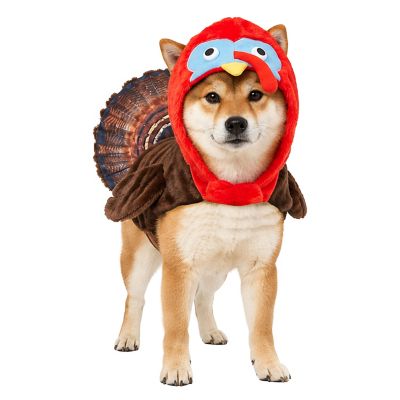
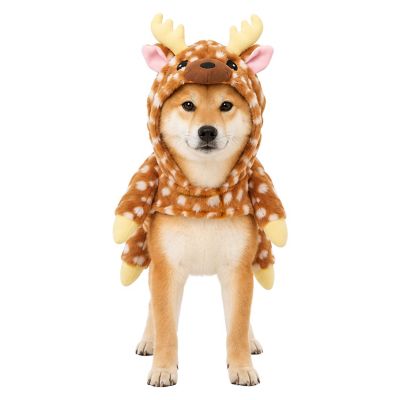
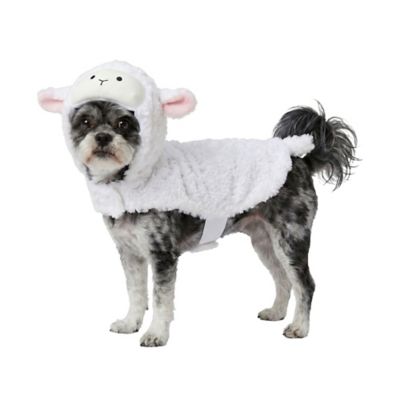
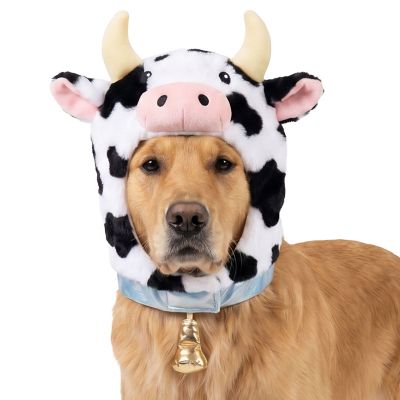
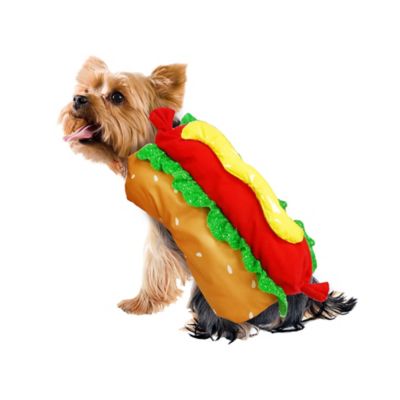
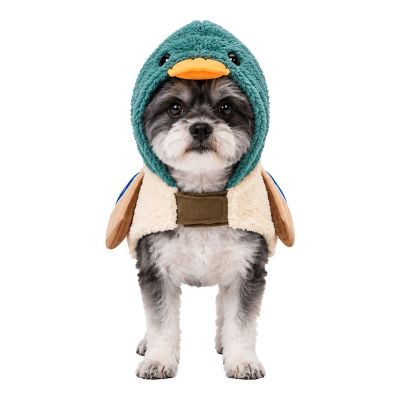
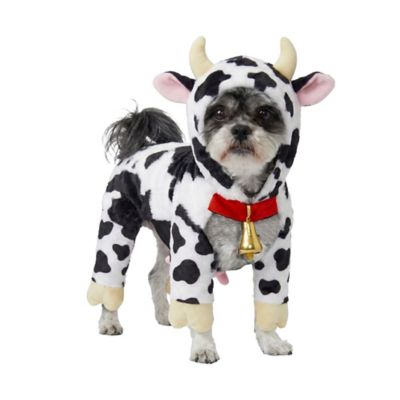
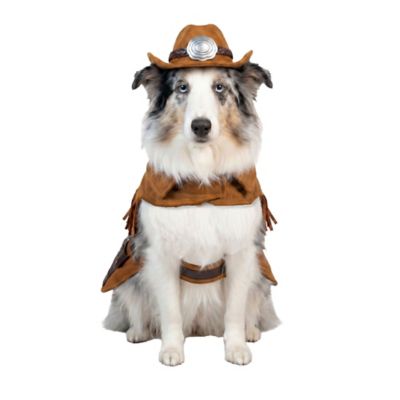
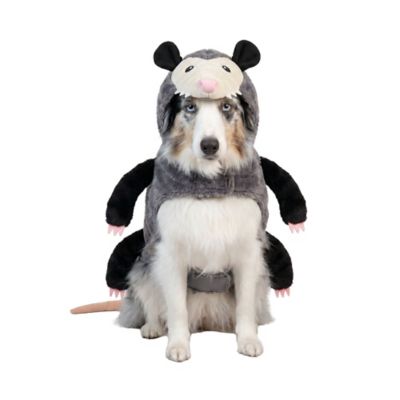
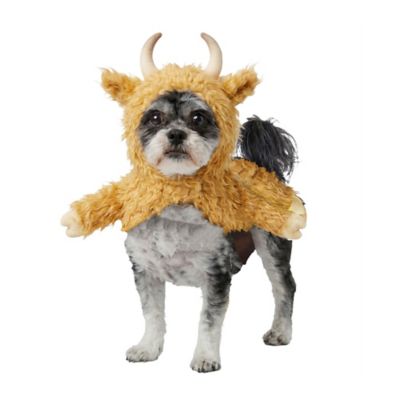
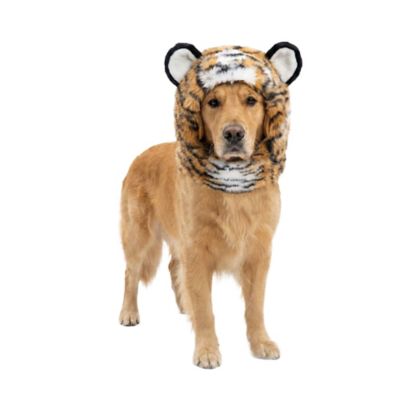
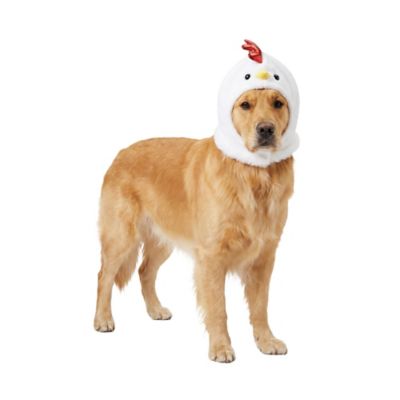
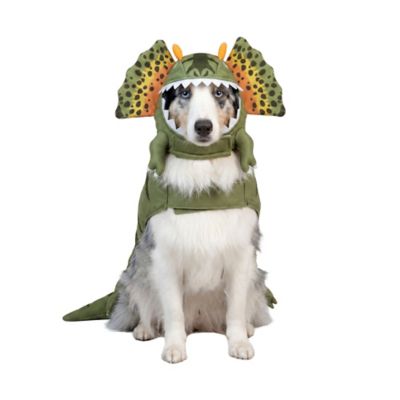
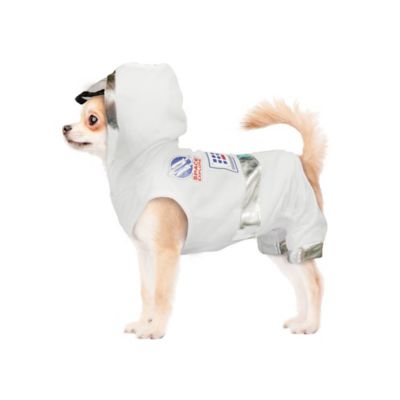
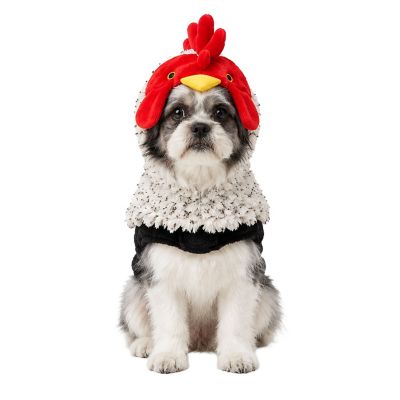
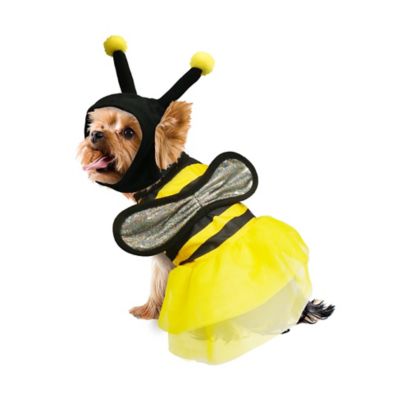
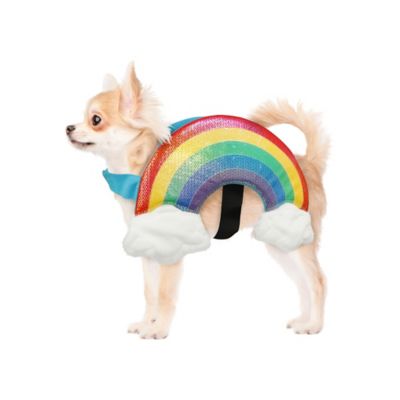
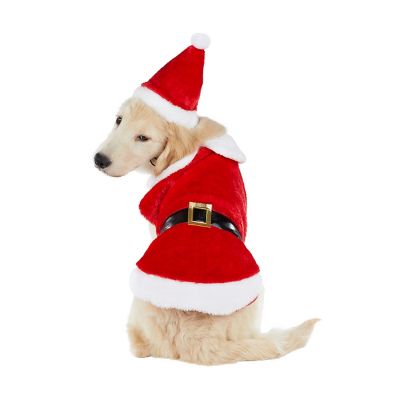
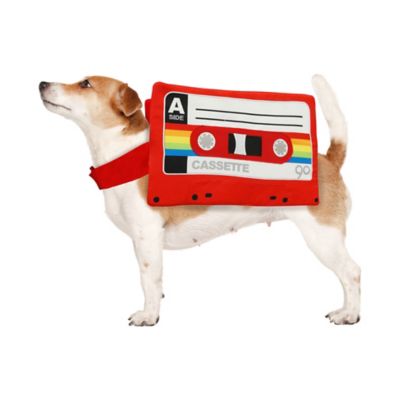
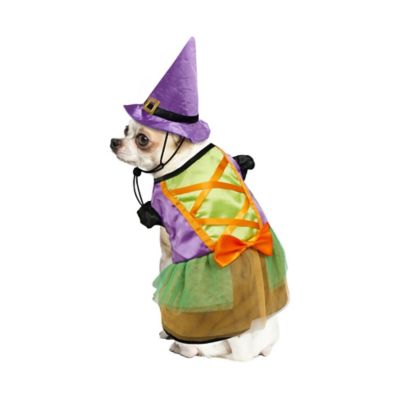
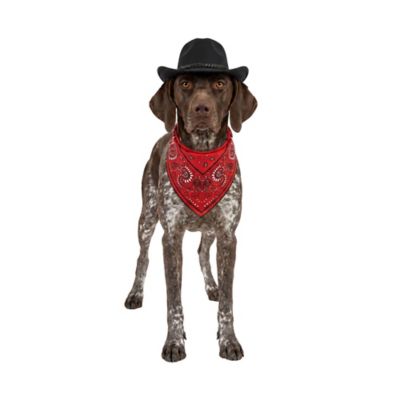
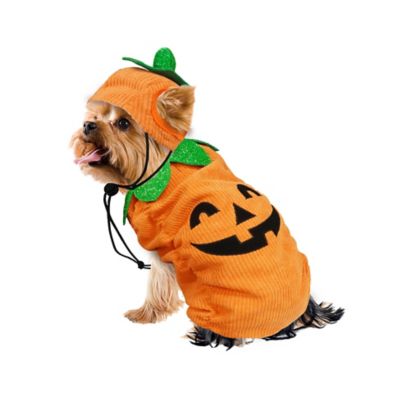
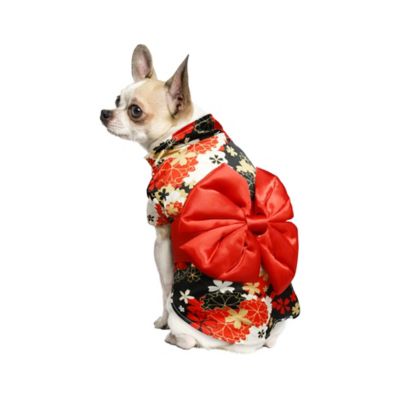
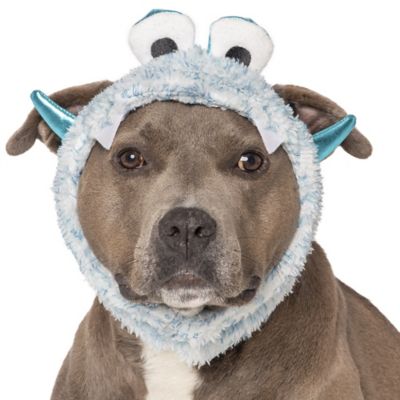
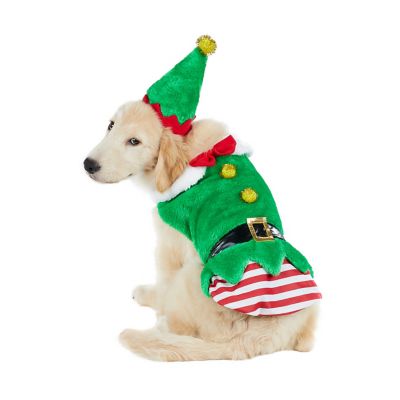
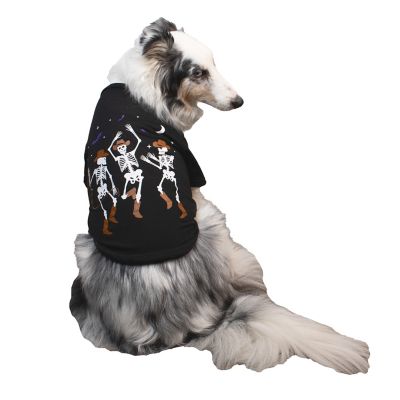
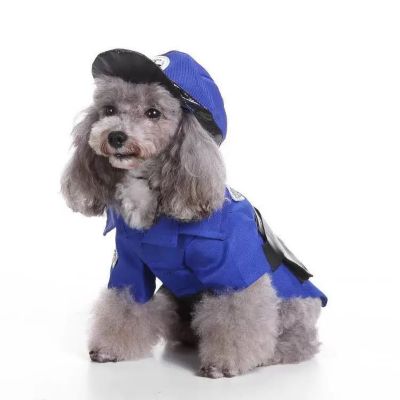
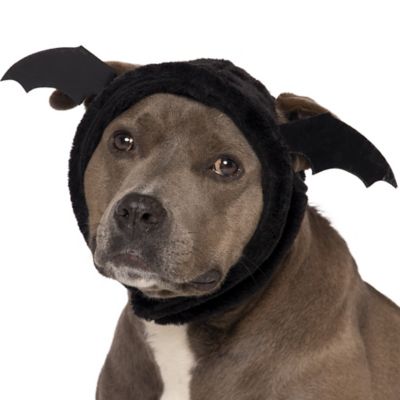
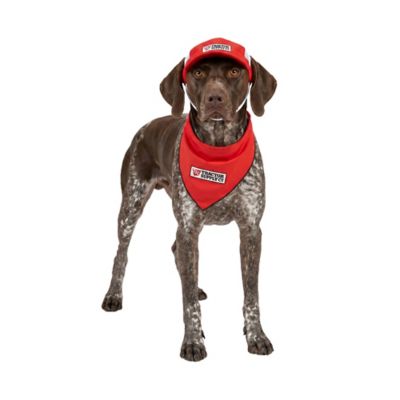
Dog costumes for holidays range from full-body outfits to lightweight neckwear, capes and headpieces that bring a little extra fun to family celebrations. Christmas dog costumes often take their cues from Santa suits, elves, reindeer and red-and-green holiday colors, while Halloween styles lean toward pumpkins, skeletons, friendly monsters and storybook characters. Thanksgiving themes can feature turkey-inspired details and harvest colors, and Valentine’s Day outfits often feature hearts and shades of red and pink. Each approach gives a dog a part in the occasion, whether that means sitting beside the tree for a family picture or greeting familiar faces at a gathering. The amount of coverage makes a real difference in how a costume feels. A simple bandana or soft cape may suit a dog that prefers less on its body, while an outfit with a chest panel and leg openings may work for a pet already comfortable wearing clothing. For a farm dog that spends most of its day tagging along with chores, a short photo session near the porch may be plenty of celebration. A small companion that happily wears sweaters may be comfortable staying dressed a little longer while the family visits. Neither approach needs an elaborate setup to make a good memory. Recognizable colors, a comfortable shape and a willing dog often do more for a holiday picture than lots of dangling extras. Coordinated colors can tie a pet’s outfit to matching family pajamas or a gathering’s theme without requiring every outfit to look the same. Holiday dog apparel is meant for supervised dress-up, not as a substitute for a leash, harness, protective clothing or everyday identification. The best match reflects both the occasion and the dog’s habits, with enough room to move naturally and no pressure to keep an outfit on after the fun has worn off.
Materials, construction and sizing help determine whether a holiday costume feels comfortable or becomes a distraction. Cotton blends and lightweight knits can offer a softer feel with less coverage, while fleece and plush fabrics create a fuller look and may hold more warmth. Felt can give hats and costume accents their shape, though stiff edges should sit away from sensitive areas. A padded costume that looks festive in a photograph may feel quite different during a lively indoor gathering, especially on a thick-coated dog. Smooth inner surfaces, tidy seams and soft trim help limit rubbing around the chest, belly and front legs. Stretch panels and adjustable closures can offer some flexibility, but they do not replace the right size. Neck circumference, the widest part of the chest and back length are generally more helpful than breed alone, since two dogs of similar weight can have very different builds. The size chart for the particular costume should guide the fit, with coat thickness and body shape taken into account. A broad-chested dog may need more room through the front, while a long-backed dog may need a different cut than a compact dog wearing the same nominal size. Comfortable costume coverage leaves the eyes, nose and mouth clear and allows normal breathing, walking, sitting and lying down. Openings should also leave room for bathroom breaks without fabric getting in the way. Hats and hoods deserve extra attention around the ears, and any attached antlers, wings or tails should stay clear of the dog’s steps. Secure stitching and firmly attached trim matter for repeat wear, especially around closures that get handled often. Loose ties, long cords and small parts within chewing reach can turn a festive detail into a problem. A leash opening is helpful only when it lines up with the dog’s regular walking gear; costume straps and trim should never serve as leash attachment points. A calm practice session at home can reveal whether an outfit stays in place before the camera comes out or company arrives.
Care and intended use matter just as much as the holiday theme, particularly when an outfit will come out for more than one celebration. The care label is the starting point: some fabric costumes tolerate machine washing, while shaped pieces, attached trim or padded details may call for spot cleaning or gentle hand washing. Closures fastened before cleaning are less likely to catch on other fabric, and complete drying before storage helps prevent lingering dampness. Clean, dry storage away from pet treats and chew toys also keeps costume pieces from becoming something to investigate between holidays. An outfit intended for a quick picture has a different job than one worn through a long family visit, and neither should interfere with rest or play. For a dog that gets excited when relatives pull into the driveway, a quieter moment after greetings may be a better time for dress-up than the bustle at the door. Costumes should come off for unsupervised time, crating, rough play or whenever a dog starts chewing at the fabric. Freezing in place, repeated scratching, backing away or trying to pull an outfit off are signs to stop rather than push through for a picture. Treats and brief, relaxed introductions can help keep the experience pleasant, but some dogs are happier celebrating without clothing. Families planning outfits for more than one animal can also explore
Costumes For Family Pets, keeping each pet’s comfort and fit separate from the matching theme. As a gift, a holiday dog costume makes the most sense for a pet parent who enjoys including their dog in celebrations and knows that the dog tolerates dress-up. Having current measurements and a sense of the recipient’s preferred coverage is more helpful than guessing from a photograph. From a porch picture to a Christmas gathering, the point is a cheerful moment with a dog that can still move, relax and act like itself.