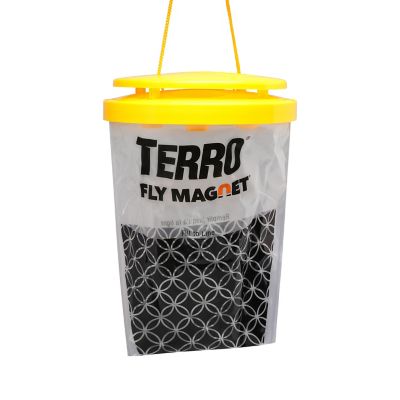
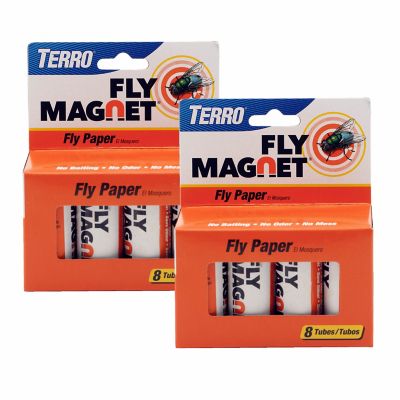
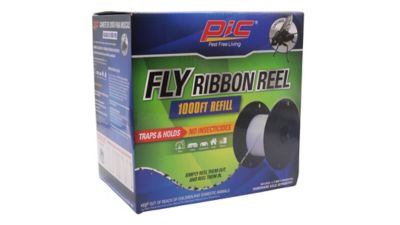
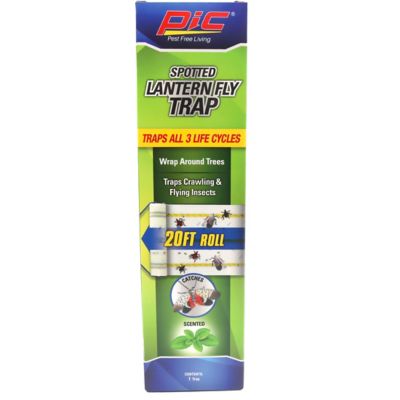
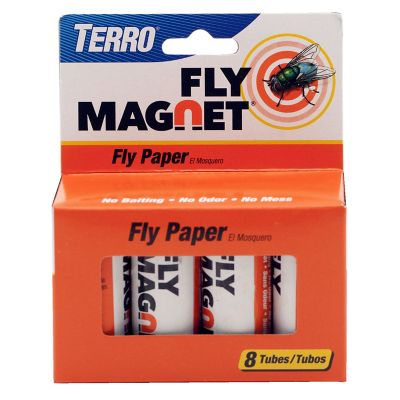
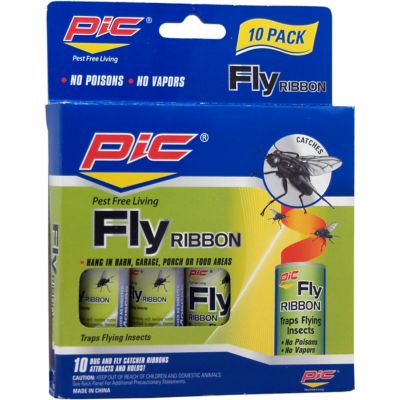
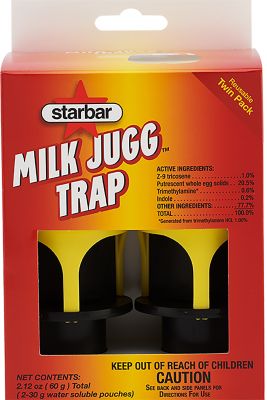
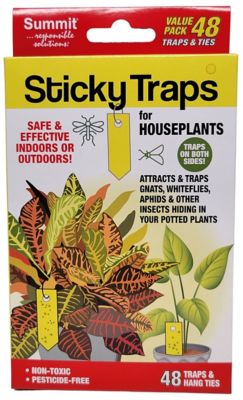
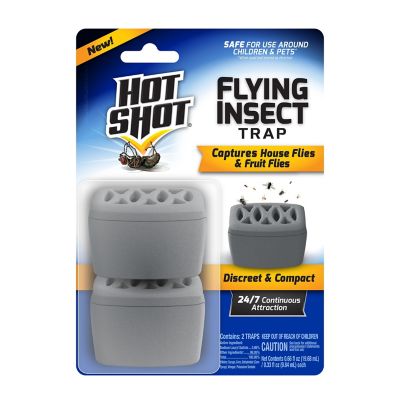
Disposable outdoor fly traps are single-use traps that draw certain nuisance flies into a container with an attractant and keep them from getting back out. Many bag-style traps hold a water-activated bait that gives off a strong scent; flies enter through an opening near the top, become trapped, and drown in the liquid below. Once the trap reaches its fill limit or the end of its labeled service period, the whole unit goes in the trash according to the package directions and local disposal requirements. That throwaway design means there’s no container full of flies to empty, scrub, and rebait. For folks managing a backyard, a few livestock pens, or a busy stretch between the barn and house, that can take one messy job off the chore list. These traps are meant for outdoor fly control, not indoor placement, and their bait can smell much stronger than expected. Their best fit is generally away from the places where people sit, cook, or walk through an open doorway. A shaded fence line near an outdoor trash area, for example, may make more sense than the porch rail beside the supper table, provided the location meets the label directions. Many water-activated designs rely on food-based attractants rather than an insecticidal killing ingredient, but ingredients and safety statements vary. A trap that catches flies by drowning should not automatically be treated as harmless to children, pets, or livestock. Keeping the bag and its contents out of reach still matters. The flies a trap attracts also depend on its bait and entry design. A trap labeled for common filth flies is not necessarily intended for biting flies, mosquitoes, or every small insect hovering around the yard. Matching the labeled target pests to the flies around the property helps set sensible expectations. Disposable outdoor fly traps can reduce nuisance fly numbers in their immediate setting, but they do not eliminate breeding sites or replace regular cleanup.
Construction and capacity make a difference when a trap will hang outside through changing weather and everyday farm activity. Many disposable fly traps combine a flexible plastic bag with a molded entry cap, an attractant packet, and a hanging point. The bag needs to contain the water and captured insects, while the cap provides access for flies and helps limit their escape. A clearly marked water line takes some guesswork out of preparation, and an entry assembly that opens as directed keeps setup straightforward. Some designs call for pulling up a cap, while others require cutting along a marked line before water is added; the package instructions determine the right method. Hanging hardware may be included or may need to be supplied separately. Once filled, a trap weighs more than an empty pouch suggests, so its support should carry that load without letting the bag swing against wire, rough boards, or sharp branches. Around a gate, mower route, or feed delivery path, room for passing equipment matters just as much as room to hang the trap. Capacity is another practical consideration: a larger reservoir may suit a location with heavier fly pressure, while a smaller trap may fit a more limited outdoor area. Catch totals and replacement intervals vary with temperature, placement, fly activity, and the condition of the bait, so a stated capacity is not a promise of a particular result. Care is mostly a matter of checking the water level, bag condition, and fill limit at the intervals given on the label. Some traps allow water to be replenished as it evaporates; others have different maintenance requirements. Single-use construction is not meant for washing and refilling unless the manufacturer expressly allows it. Sun exposure, strong wind, and freezing conditions can affect the container or its contents, making weather guidance worth checking. During the cooler months, fly activity often slows, although sheltered outdoor areas around manure, garbage, and animal housing may still draw flies on milder days.
Placement is where disposable outdoor fly traps need to fit the property rather than simply fill an empty hook. Because the lure draws flies toward it, hanging a trap beside a screen door or over a picnic table can bring activity closer to the very spot folks want to keep clear. Some labels call for at least 20 feet of separation from occupied outdoor spaces; the distance on the particular trap’s label should take priority. Odor can travel with the breeze, too, so the downwind side of a seating area deserves consideration before a bag goes up. Outdoor locations near garbage storage, compost, manure handling areas, or dog runs can be practical candidates when the trap stays safely out of reach and does not hang over food, feed, water troughs, or animal bedding. Near a barn, outdoor-only means outside the building, not tucked into an enclosed tack room or feed room to hide the smell. Sun or shade preferences can change with the trap design and weather, so there is no single hanging spot that works for every setup. These traps make the most sense alongside the unglamorous work that limits fly breeding: keeping trash lids closed, picking up pet waste, managing manure, and clearing damp spilled feed. On a small acreage, a trap near the waste-handling side of the property may help intercept nuisance flies while routine cleanup addresses what keeps bringing them back. Around a backyard gathering space, separation from chairs, cooking surfaces, and entrances is usually more useful than putting the trap within arm’s reach. For properties dealing with several kinds of pests,
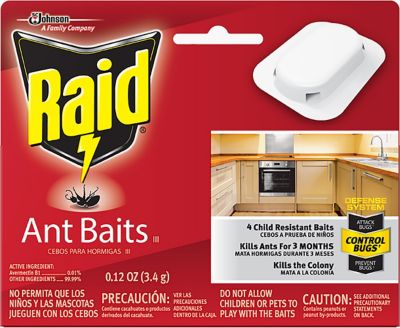
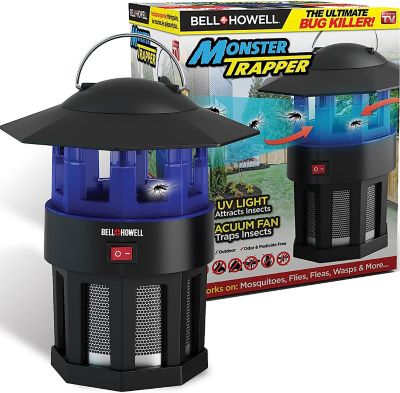
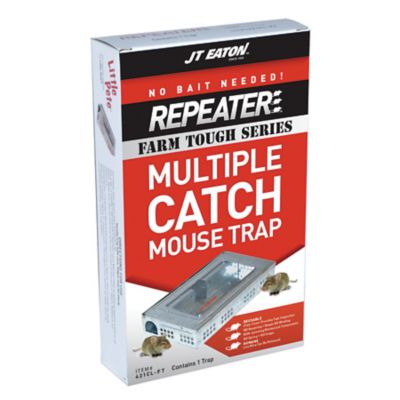
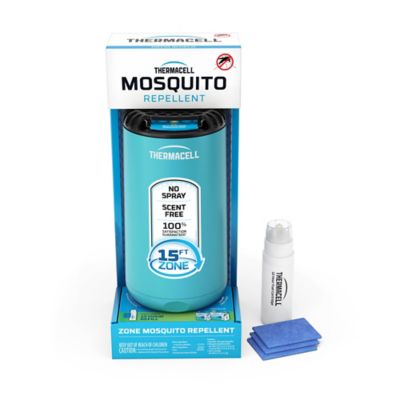
Pest Control Traps provides a broader category to consider, since fly attractants are not a substitute for traps designed for other pests. When replacement time comes, disposable designs avoid the need to pour out captured flies, though the contents still need careful handling. Following the disposal directions, preventing leaks, and washing hands afterward keep the task manageable. The right match comes down to the target fly, a suitable outdoor location, enough capacity for the setting, and a design that fits into regular chores without creating another cleanup job.