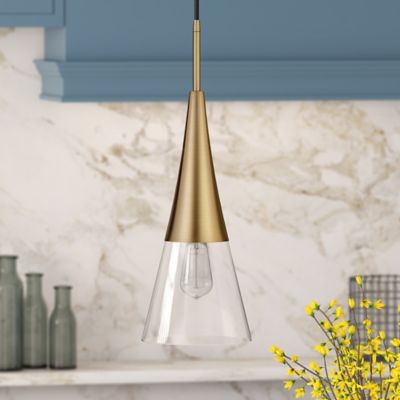
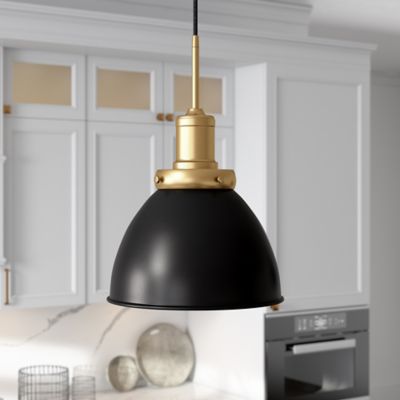
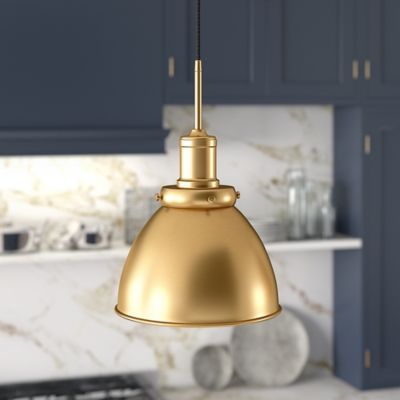
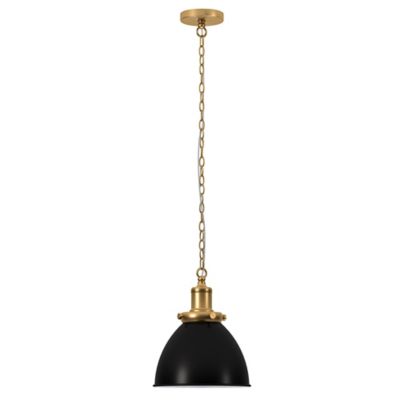
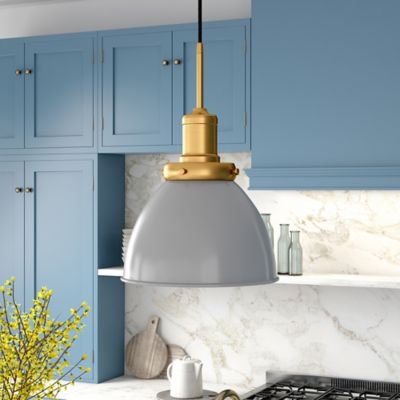
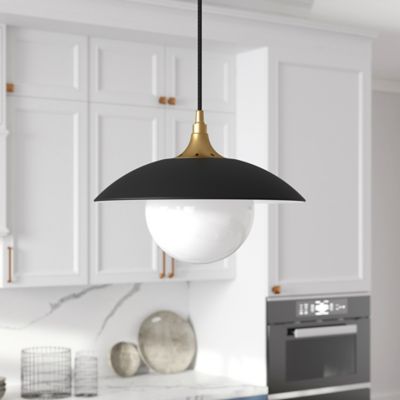
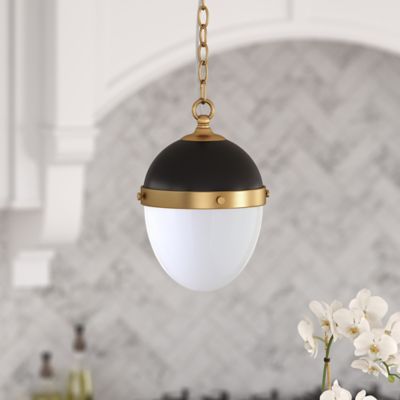
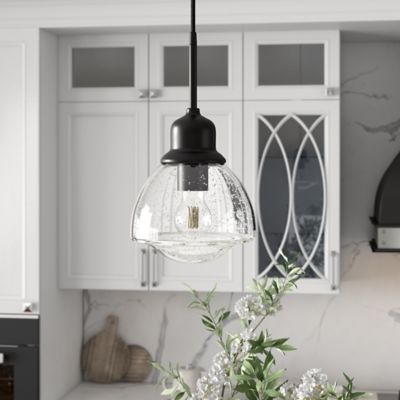
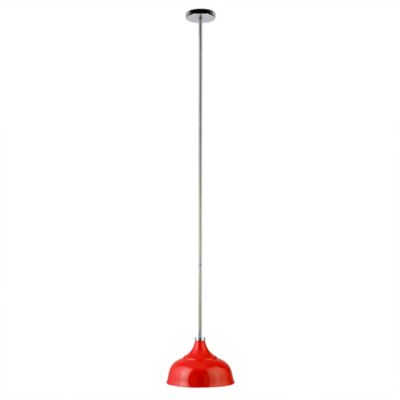
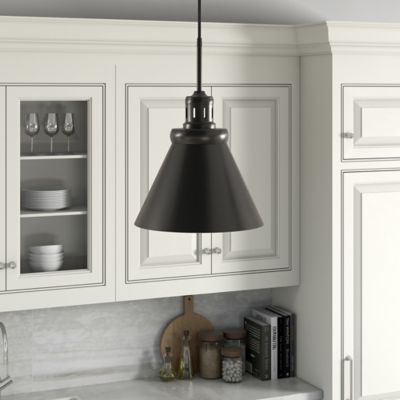
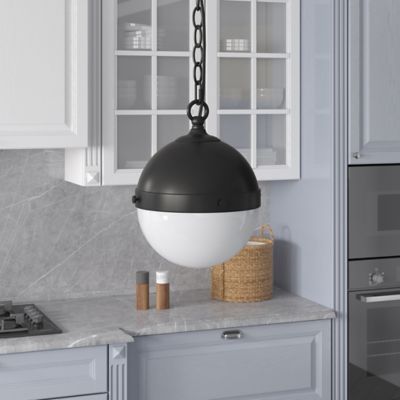
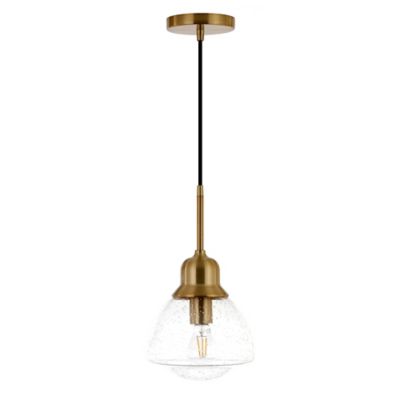
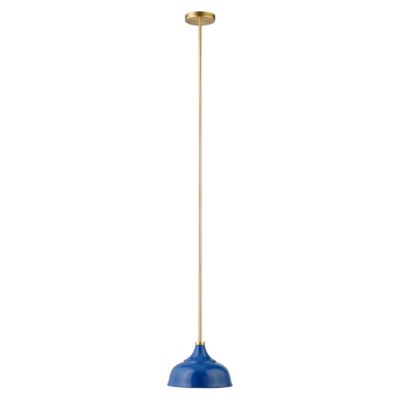
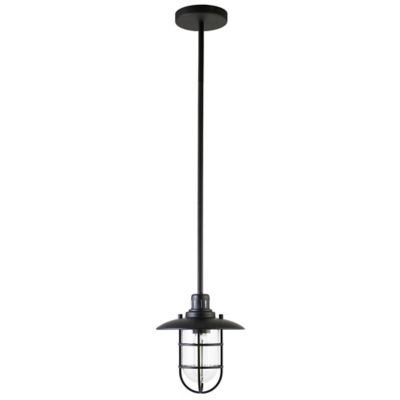
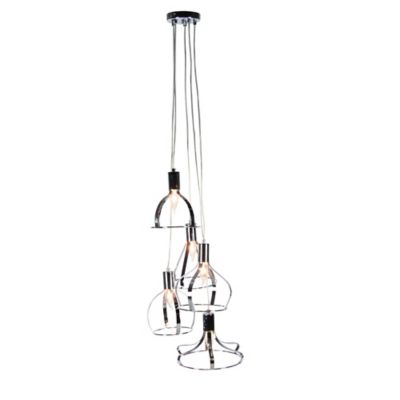
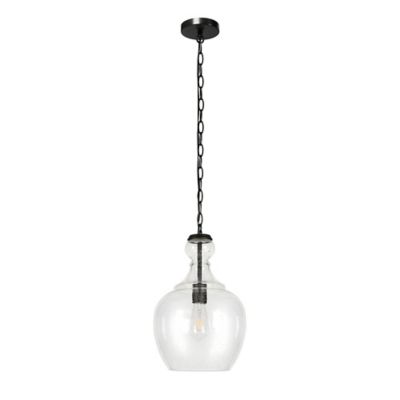
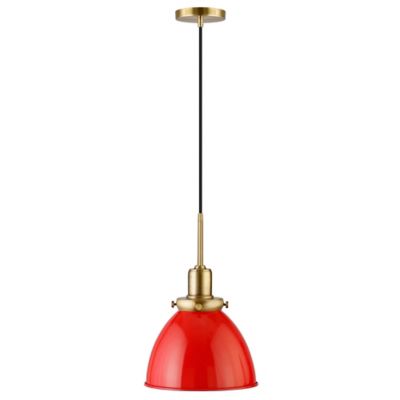
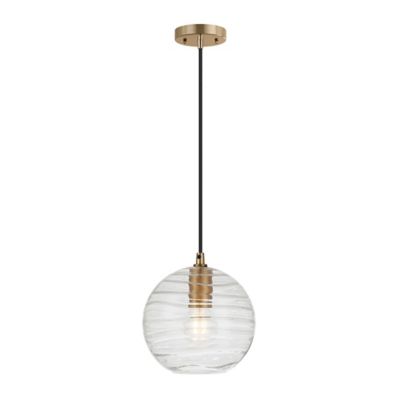
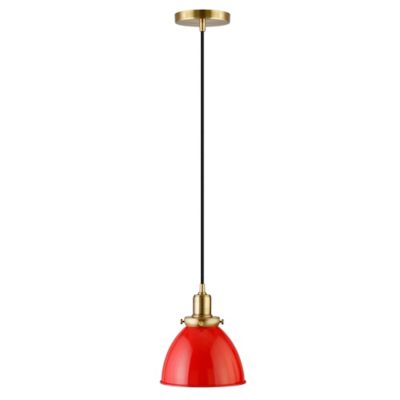
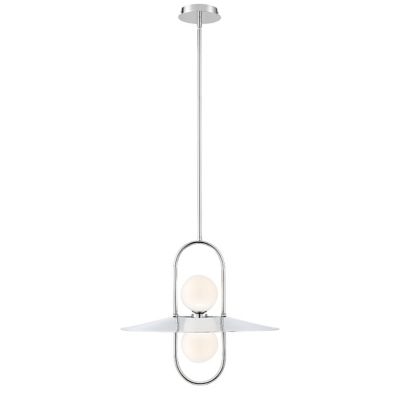
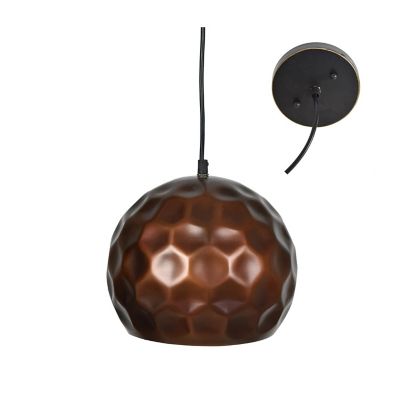
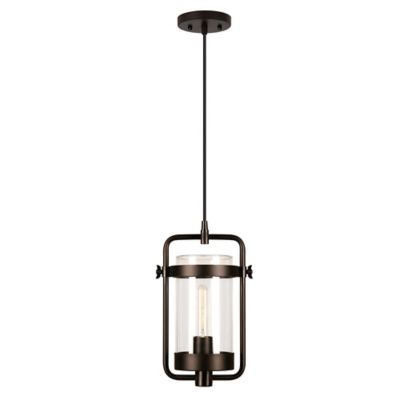
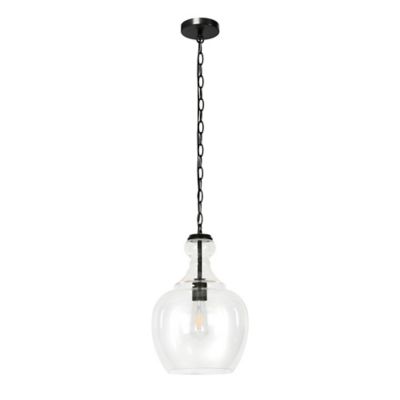
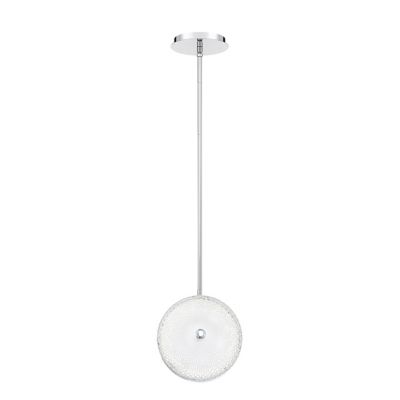
Dining room pendant light fixtures bring light down where meals, conversation, and everyday life happen. Over a broad farmhouse table, a pendant can give the whole seating area a clear center without making the room feel formal. Over a smaller round table, a single shade can provide a comfortable pool of light while leaving the rest of the room open. These hanging fixtures work for everything from a quick breakfast before chores to a full table of family and friends, and their shape matters just as much as their finish. A wide dome spreads light across place settings, a narrow shade creates a more concentrated beam, and a fixture with several pendants can carry light along a rectangular tabletop. For a dining room with a typical 8-foot ceiling, the bottom of a pendant light fixture generally hangs 30 to 36 inches above the dining table surface. That range is a common starting point for lighting the table while keeping the fixture out of seated sightlines; the shade shape, ceiling height, and manufacturer’s installation requirements still matter. A light hanging too low can interrupt a conversation across the table, while one hanging too high may leave bright spots in the room without enough light on dinner. Fixture width also needs to suit the table beneath it. A shade that sits comfortably inside the tabletop’s edges usually feels more balanced than one that stretches nearly to the chairs. Long tables may benefit from an elongated fixture or evenly spaced pendants, while compact tables often pair well with a single central light. Centering the fixture over the table, rather than automatically over the room, helps the arrangement feel settled. In a dining nook with an off-center electrical box, mounting options and the table’s final position deserve attention before installation. Adjustable rods or cords can help accommodate different ceiling heights, provided the fixture supports the needed hanging length and ceiling configuration.
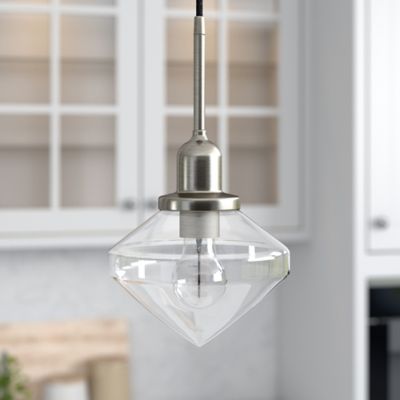
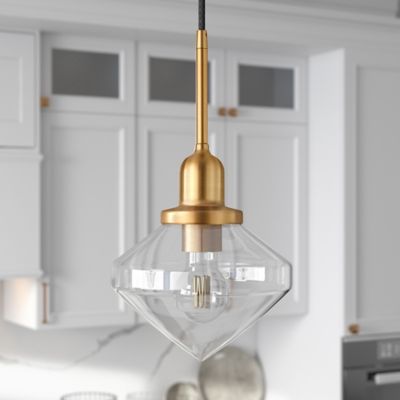
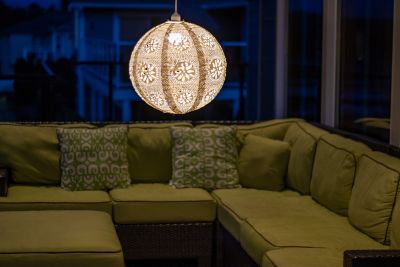
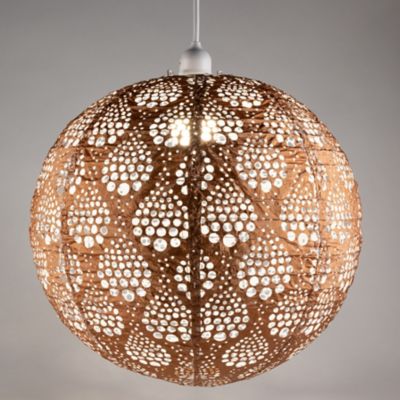
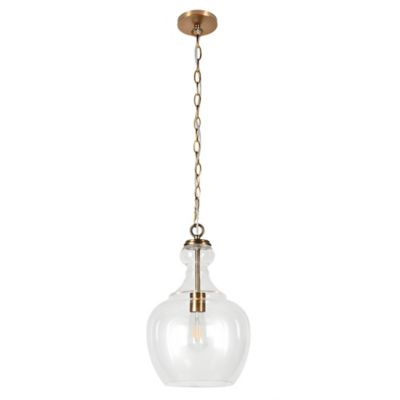
Materials give dining room pendant lighting much of its character, from painted metal shades with a straightforward working-farm feel to clear glass that keeps a smaller room feeling open. Metal directs attention toward the table and can help shield the bulb from view when the shade is deep enough. Clear glass lets more light travel outward, though an exposed bulb may look bright from certain seats. Frosted or opal glass softens the appearance of the light source and can be a good match for a dining space that doubles as a spot for homework, paperwork, or a board game after supper. Woven shades bring texture alongside wood furniture, but their openings can cast patterns on walls and ceilings. That effect may suit a relaxed gathering space better than a table where steady, even light matters most. Wood accents, brushed finishes, and dark metal can sit comfortably beside plank tables, painted cabinets, and simple upholstered chairs without every surface matching. Construction matters, too: secure shade attachments, properly supported mounting hardware, and a finish suited to indoor care all contribute to a fixture that stays neat and steady through everyday household life. Bulb choice changes the feel of these materials once the light is on. Warm-white light, often around 2700K to 3000K, tends to feel comfortable around a dining table, while adequate light output helps keep plates, serving dishes, and printed pages easy to see. Lumens describe light output more directly than wattage, especially with LED bulbs. Shade opacity and bulb placement also affect how much of that light reaches the tabletop. A dimmable setup can move from brighter light for sorting mail to a gentler setting for a long meal, but the fixture, bulb, and wall control all need to work together. Bulb shape deserves a look as well, particularly inside clear glass, where the lamp itself becomes part of the fixture’s appearance. An enclosed shade may also require a bulb specifically rated for enclosed fixtures.
A dining room pendant should fit the way the room gets lived in, not just look right in an empty space. In a busy household, the same table may hold cereal bowls, school projects, folded laundry, and a casserole headed around to the far end. Light that reaches the full eating area makes those changes easier, while a shade that leaves faces visible helps the room stay welcoming when everyone sits down. Pendants usually work best as part of the room’s lighting rather than its only source; wall lights, lamps, or ceiling lights can fill in the surrounding space without forcing the table fixture to do every job. In an open floor plan, a shared metal finish or related shade shape can connect the dining area with nearby
Kitchen Island Pendant Lighting Fixtures while allowing each fixture to suit the surface below it. Matching every detail is less important than keeping the overall scale and light color comfortable together. Practical care also deserves a place in the decision. Broad, smooth shades generally have fewer spots for dust to collect than intricate frames, and removable glass can make cleaning easier when the fixture’s design allows it. Power should be off and bulbs fully cool before cleaning, with the manufacturer’s care directions followed for glass, painted surfaces, wood, and metal finishes. A soft cloth often handles routine dust, while harsh cleaners or rough scrubbers can harm some finishes. Access to bulbs matters over a large table, particularly when a shade must come off for replacement. Fixtures with replaceable bulbs offer a different maintenance setup from integrated LED designs, whose light-source service options depend on the manufacturer. Hardwired installation also calls for a properly rated electrical box, suitable support for the fixture’s weight, and connections that meet local electrical requirements. A qualified electrician can address sloped ceilings, older wiring, and mounting questions. With the proportions, light output, and upkeep suited to the household, dining room pendant light fixtures can make the table a comfortable place to settle in, share a meal, and linger a little longer.