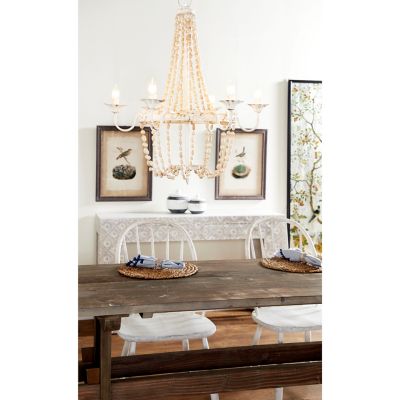
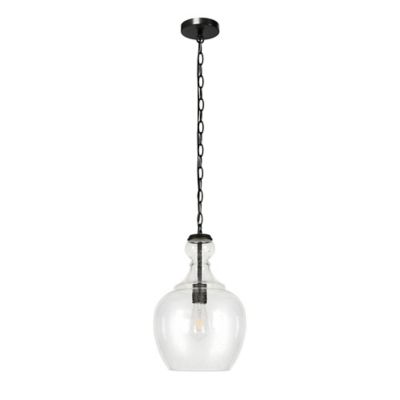
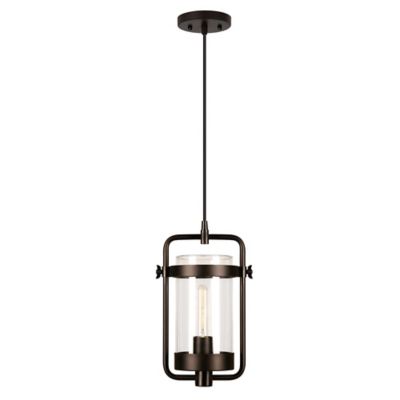
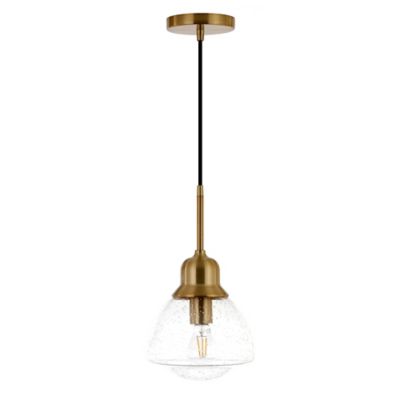
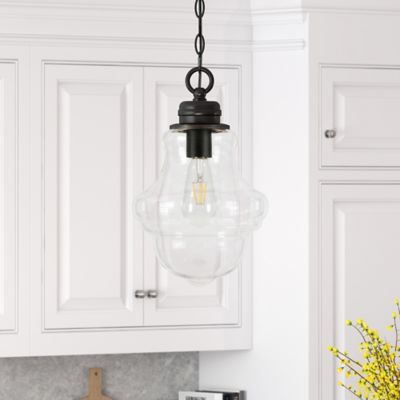
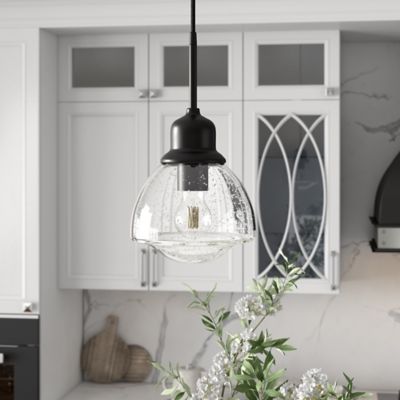
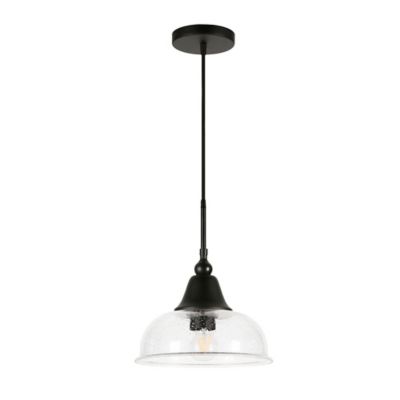
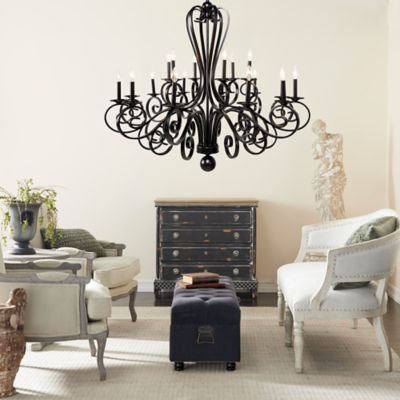
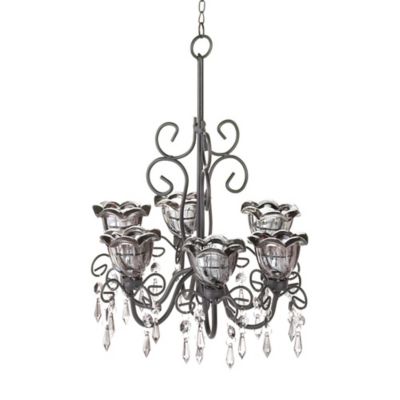
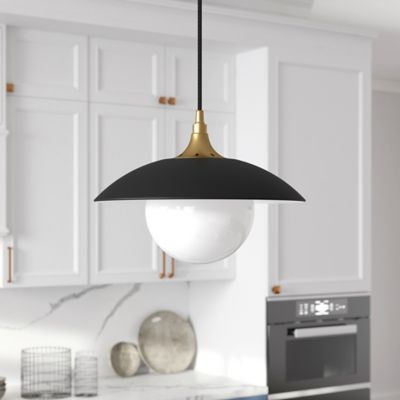
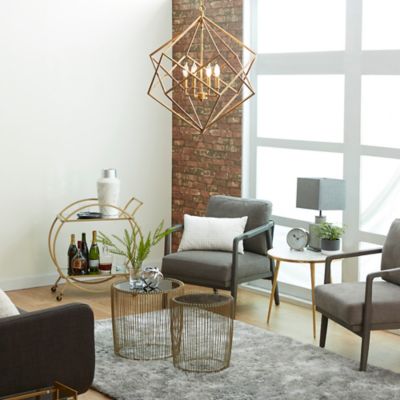
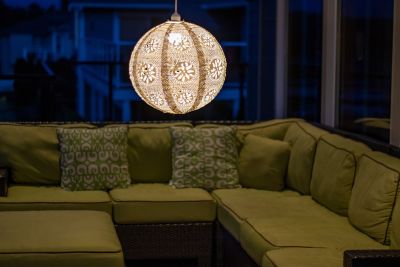
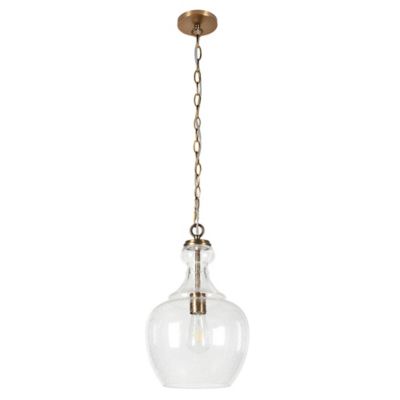
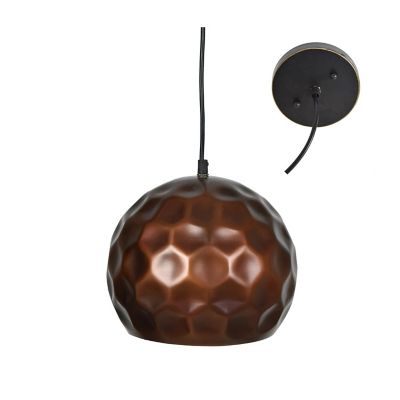
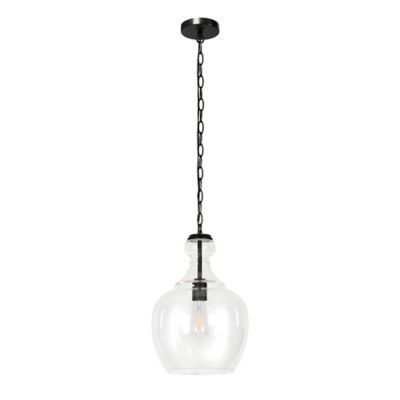
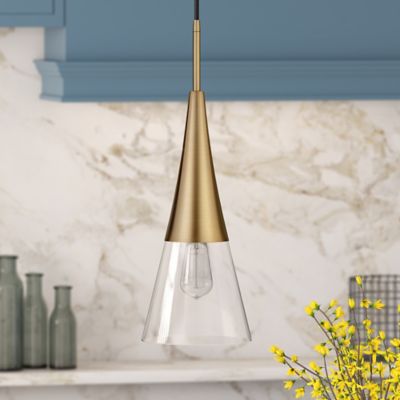
A dining room farmhouse chandelier brings a warm, welcoming presence to the place where meals, stories, and everyday plans come together. These fixtures often pair the familiar character of farmhouse interiors with practical shapes and finishes, such as dark iron, aged wood tones, rope details, open frames, wagon-wheel profiles, or glass shades that soften the light. Some have a simple linear form that works well above a long table, while others spread outward from a central point to create a strong focal point in a square or round dining area. An open-cage chandelier can bring an airy, workshop-inspired feel, while a candle-style arrangement adds a softer country touch. Seeded or lightly textured glass can scatter the glow across the room, making the space feel comfortable during early suppers and long evenings indoors. When choosing a dining room farmhouse chandelier, start with the table and the room’s proportions rather than the light fixture alone. A helpful rule is to select a chandelier about one-half to two-thirds the width of the dining table. For example, a 60-inch table generally pairs well with a fixture in the range of roughly 30 to 40 inches wide. The fixture should feel noticeable without crowding place settings or blocking conversation across the table. In a large dining room, a broader wagon-wheel shape or a linear chandelier with several lights can help fill the space. In a smaller room, an open frame or compact shade keeps the ceiling from feeling weighed down. Think about the finishes already in the room, too. Black or bronze metal can tie in with cabinet hardware, door latches, or curtain rods, while wood tones can echo a table, bench, or nearby flooring. Mixing materials is often part of the farmhouse look, so iron paired with wood or glass can feel natural without making every piece match.
Hanging height matters just as much as width. With a standard 8-foot ceiling, the bottom of a dining room chandelier is commonly placed about 30 to 34 inches above the tabletop. This leaves room for serving dishes, keeps the light at a comfortable level, and helps people see one another without looking into bright bulbs. Taller ceilings may call for a longer chain, rod, or suspension system so the fixture still feels connected to the table instead of floating too high overhead. In a room with a vaulted or sloped ceiling, look for a canopy or mounting system that lets the chandelier hang level. Chain-style suspensions can offer extra flexibility, and an adjustable stem can help when the ceiling angle or table position makes standard installation difficult. Before choosing a fixture, check the ceiling box, available wiring, and the chandelier’s listed weight. If an existing box needs reinforcement or the wiring needs attention, have a licensed electrician handle the work. It is also helpful to confirm the fixture’s bulb type, wattage limit, and whether it can connect to a dimmer switch. Dimming is especially handy in a dining room that serves several purposes: brighter light helps with homework, sorting mail, or setting the table, while a lower setting creates a relaxed glow for supper. Clear bulbs can add sparkle through open frames, frosted bulbs offer a gentler look, and warm-white bulbs generally suit the cozy character of farmhouse rooms. Consider how much light the chandelier needs to provide on its own and whether nearby lamps, sconces, or daylight from windows will share the job. For a long table, several evenly spaced bulbs usually provide better coverage than one bright point in the center. For a round table, a centered fixture with light spreading in all directions can make the arrangement feel balanced. Keep ceiling height, sightlines, table shape, and bulb access in mind so the chandelier looks good and remains easy to live with from one season to the next.
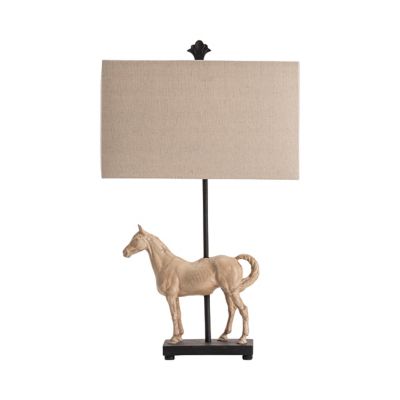
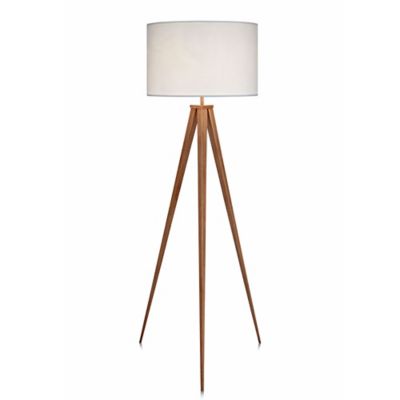
A dining room farmhouse chandelier can suit a family home, a country cabin, a dining nook off the kitchen, or a gathering space where friends pull up extra chairs when the weather turns cool. It can also make a thoughtful housewarming present for someone settling into a farmhouse-inspired home, especially when you know the table size, ceiling height, and finish they prefer. For a gift, a simple silhouette in a versatile black, bronze, or wood-toned finish is often easier to work into an existing room than a highly specialized shape. Shoppers furnishing a new dining area may want to plan the chandelier alongside the table, chairs, rug, and window coverings so the room feels collected without becoming fussy. In a room with a large farmhouse table, a long fixture can echo the table’s shape and spread light from end to end. Over a smaller breakfast table, a rounded chandelier can create a clear center and make a tucked-away corner feel intentional. Remember to measure doorways, stairwells, and the path into the room before bringing home a large fixture, and save the mounting instructions for future bulb changes or adjustments. Dust can gather on upper frames and wood details, so a soft, dry cloth and occasional gentle cleaning will help keep the fixture looking fresh; always turn off power before cleaning and follow the manufacturer’s care directions. Layering the chandelier with nearby lighting can make the room more useful through the cooler months, especially when daylight fades earlier. A table lamp on a sideboard or console can add a lower pool of light, and
Farmhouse Style Table Lamps can carry the same country feel into a buffet area, reading corner, or adjoining living space. Whether the room hosts Sunday supper, a quiet cup of coffee, or a crowded table full of neighbors, the right chandelier helps define the setting overhead while keeping the light practical below. Look for a proportion that fits the table, a height that keeps conversation comfortable, and a finish that works with the room’s existing materials. With those details in place, a farmhouse chandelier can give the dining room a welcoming center that feels right for ordinary meals and special gatherings alike.