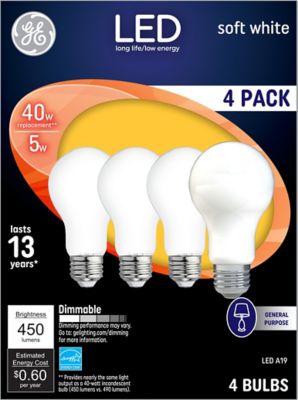
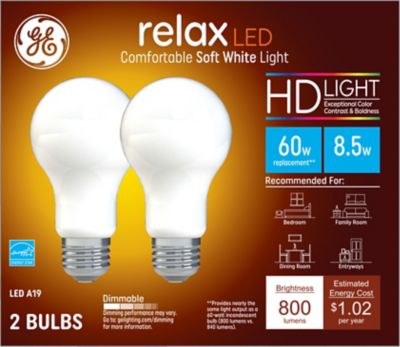
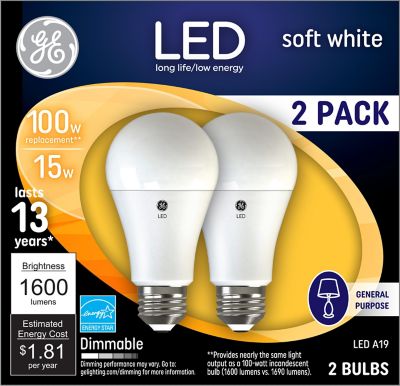
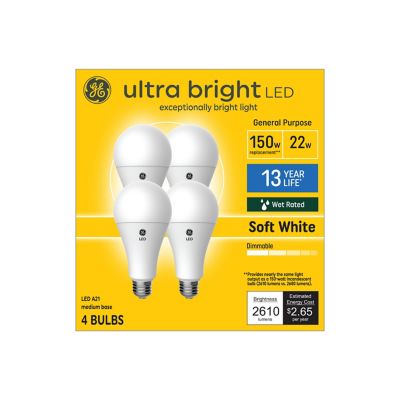
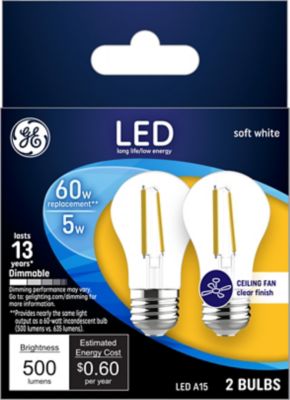
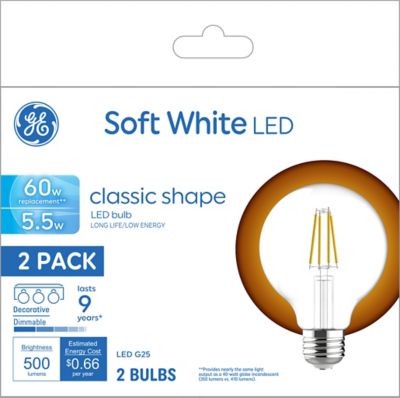
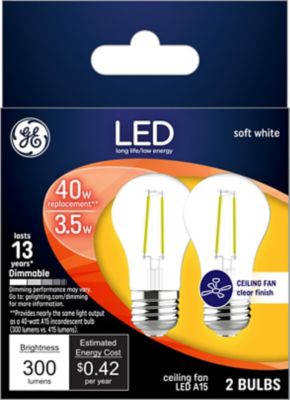
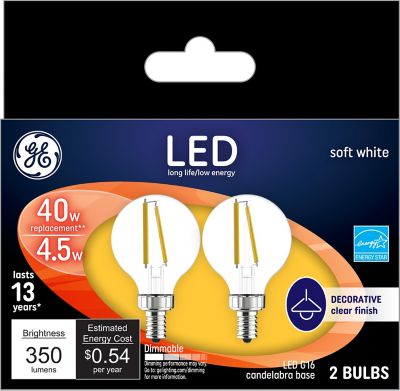
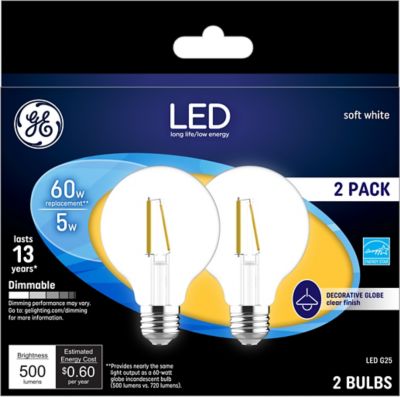
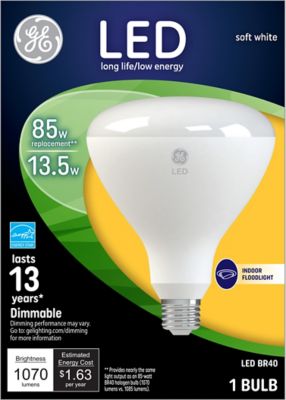
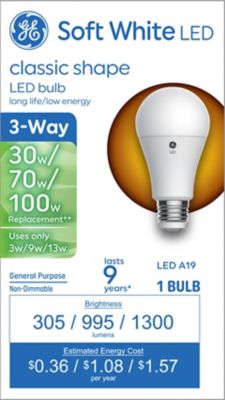
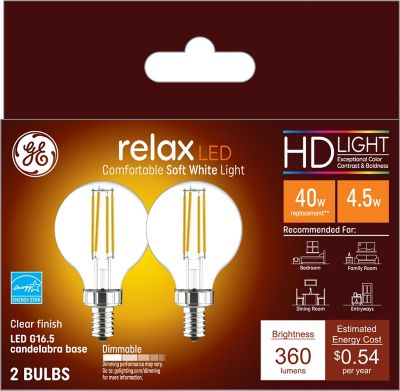
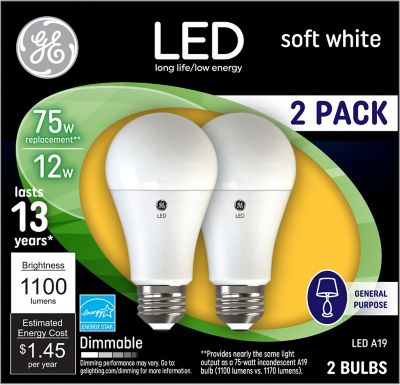
Dimmable soft white LED bulbs combine a warm light color with adjustable brightness, making them a good fit for living rooms, bedrooms, dining areas, and other spaces where one light needs to serve several purposes. Soft white light is commonly around 2700K on the Kelvin scale, giving it the gentle, slightly yellow glow many people associate with traditional incandescent bulbs. That warm tone feels right beside a favorite reading chair, above a kitchen table, or in a bedside lamp without giving the room a sharp, bluish cast.
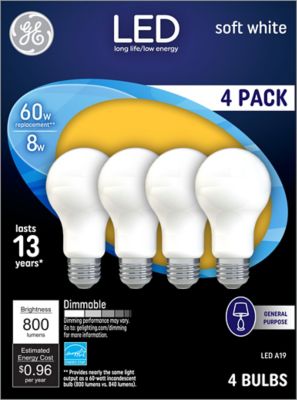
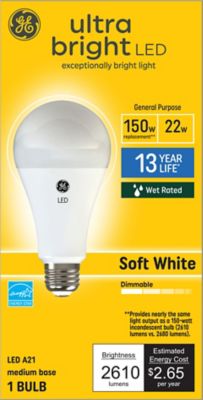
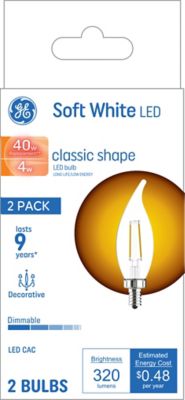
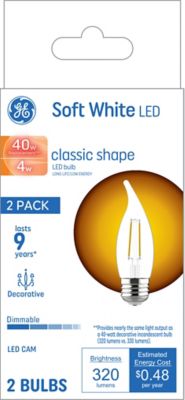
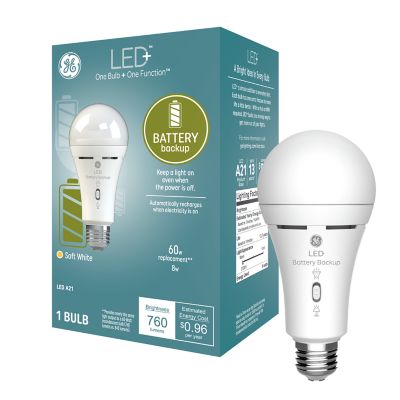
Warm White LEDs fall within a similar color range, although the Kelvin rating on the package is the best way to compare the light from different bulbs. Color and brightness are separate measurements: Kelvin describes the appearance of the light, while lumens describe how much light a bulb produces. About 450 lumens is a common replacement for a 40-watt incandescent bulb, and about 800 lumens is a common replacement for a 60-watt incandescent bulb. Higher outputs, such as roughly 1,100 or 1,600 lumens, generally correspond to 75-watt or 100-watt incandescent replacements. The LED’s actual wattage is its electrical consumption, not its incandescent replacement rating, and that number varies by bulb. This distinction matters when comparing light output and checking a fixture’s wattage limit. A shaded table lamp may need more light output than an open fixture to make the same reading spot feel bright. Wall colors, ceiling height, and the number of bulbs in a fixture also affect how the room looks. Dimming adds flexibility without changing the bulb each time the task changes. The kitchen table can stay bright for sorting bills or helping with homework, then settle into a softer glow when supper is on the table. For reading or close work, enough light on the page still matters, even when the rest of the room feels relaxed.
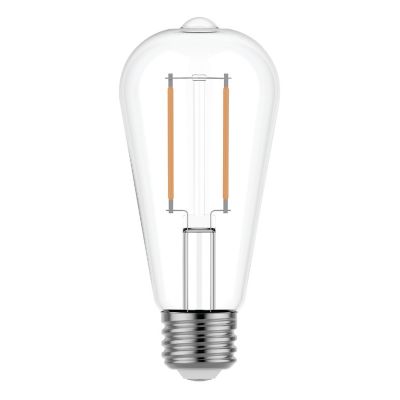
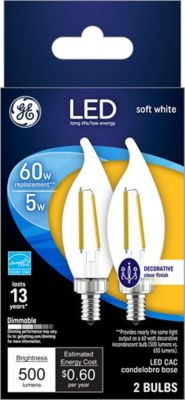
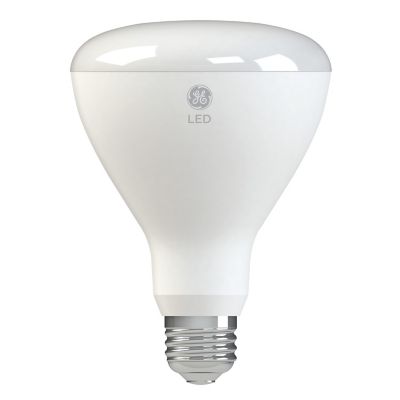
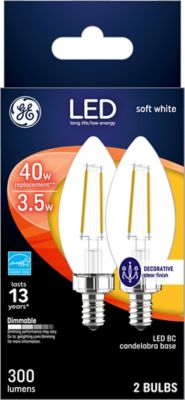
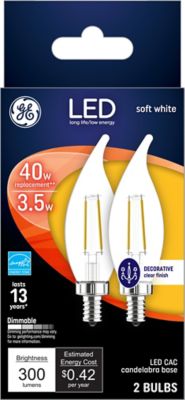
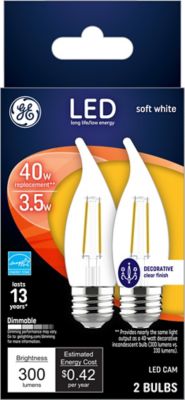
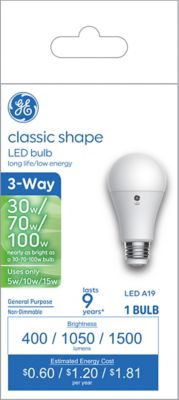
The word “dimmable” matters because not every LED bulb is built to work with a dimmer. A dimmable bulb also needs a compatible control; an older switch designed mainly for incandescent lighting may not operate an LED smoothly. An LED-compatible dimmer is a sensible starting point, but the bulb and dimmer manufacturers’ compatibility information gives a better picture of how a particular pairing will perform. Flickering, buzzing, sudden shutoff, or a noticeable jump in brightness can signal a mismatch or a dimmer setting that needs adjustment. Dimming ranges vary, so one bulb may lower to a faint glow while another stops dimming at a brighter level. Some dimmers have a low-end adjustment that helps keep the light steady near the bottom of the range. Most soft white LEDs maintain roughly the same light color as their brightness changes; bulbs specifically labeled for warm dimming become warmer in appearance as they dim. A three-way lamp is a separate consideration, since its selected output levels call for a bulb designed for three-way operation rather than merely one labeled dimmable. Physical fit deserves just as much attention as electrical compatibility. An E26 medium screw base fits many common household lamp sockets, while an E12 candelabra base fits smaller sockets often found in chandeliers and wall fixtures. The base designation identifies the connection, not the bulb’s overall size or shape. A19 describes a familiar pear-shaped household bulb, and other shapes may suit recessed fixtures, narrower shades, or fixtures where the bulb stays visible. Enough clearance around the bulb helps prevent contact with a shade or cover. Glass and plastic bulb shells are both common, with construction varying by design. A frosted shell spreads light and reduces the visibility of individual light sources, while a clear shell can give an exposed-bulb fixture a more defined appearance. Frosting does not replace checking lumens, and a clear bulb does not automatically produce more light. Shade material and fixture design play a large part in how much brightness reaches the room.
Dimmable soft white LED bulbs suit homes where lighting needs to move easily between everyday work and taking it easy. A pair of lamps beside the couch can provide steady light for reading, then lower for watching television. Bedroom lamps can offer a gentler setting before bed while still providing brighter light for finding clothes or straightening up. In a farmhouse kitchen or dining room, warm light can bring out the tones of wood cabinets and a well-worn table without making the space feel harsh. For sewing, sorting small hardware, or working at a desk, brightness, light placement, and color rendering deserve attention alongside the soft white label. The color rendering index, often shown as CRI, indicates how naturally colors appear under the light; a higher rating can be helpful when comparing fabrics or distinguishing similar shades. Intended use also includes the fixture’s construction and location. A bulb inside a fully enclosed ceiling fixture needs an enclosed-fixture rating because trapped heat can affect its performance and service life. Damp-location and wet-location ratings are separate requirements, and an indoor household bulb should not be assumed suitable for a porch fixture or another location exposed to moisture. LEDs give off less radiant heat than incandescent bulbs of comparable brightness, but their electronics still generate heat that needs to dissipate. Following the bulb and fixture instructions helps support the rated operating life, which is an estimate based on stated testing conditions rather than a promise for every installation. Care is straightforward: switch off the power, let the bulb cool before handling it, and keep cleaning gentle. A dry, soft cloth can remove dust from an accessible bulb without spraying liquid into the socket or fixture. Screw-in bulbs should sit securely without being overtightened. Matching the color temperature and brightness across a multi-bulb fixture helps the light look consistent. With the right base, output, fixture rating, and dimmer pairing, soft white LED lighting can handle the everyday rhythm of a busy household.