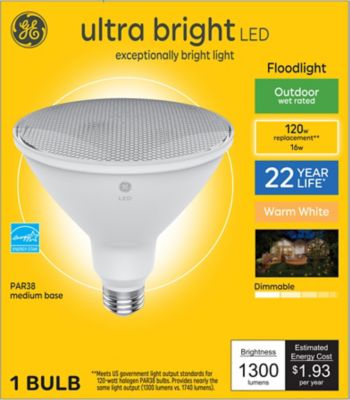
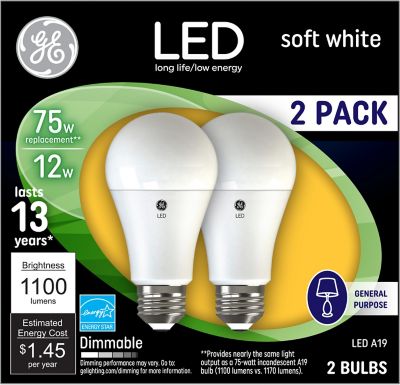
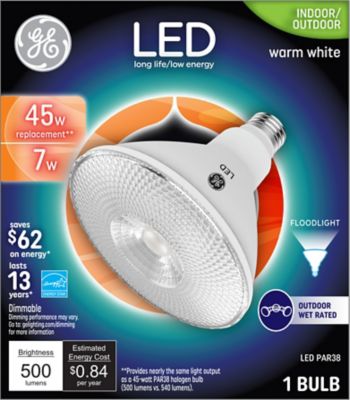
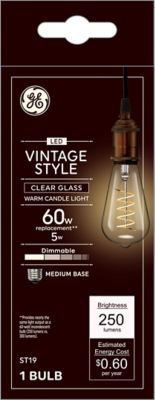
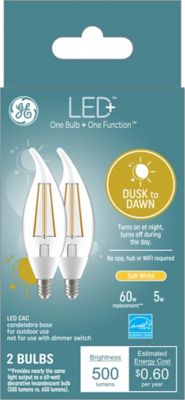
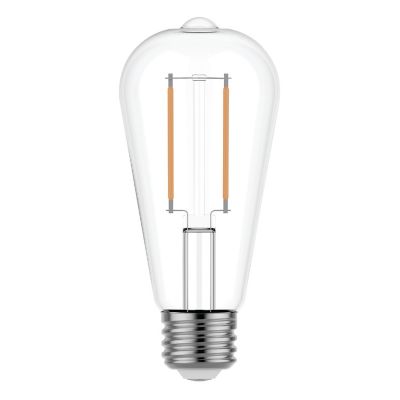
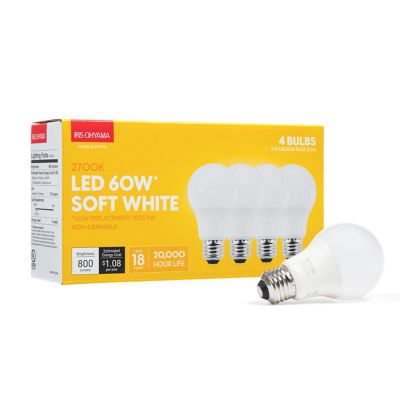
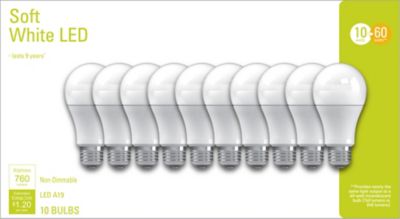
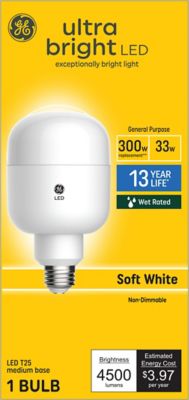
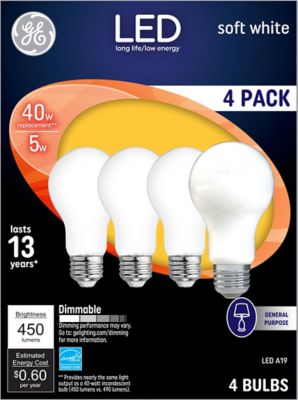
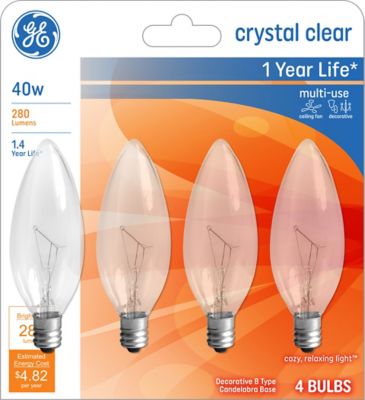
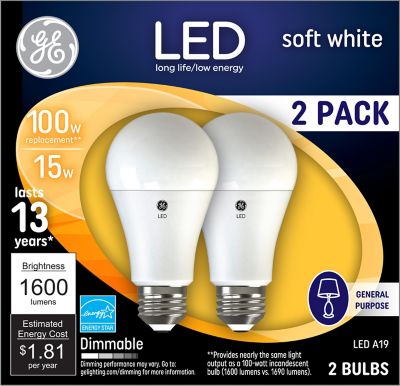
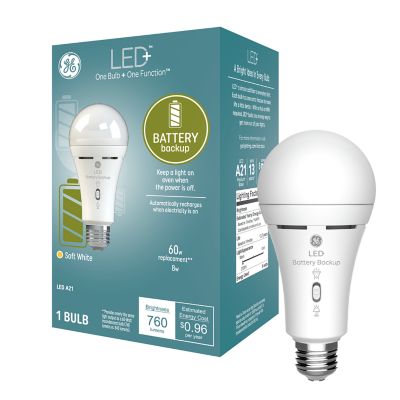
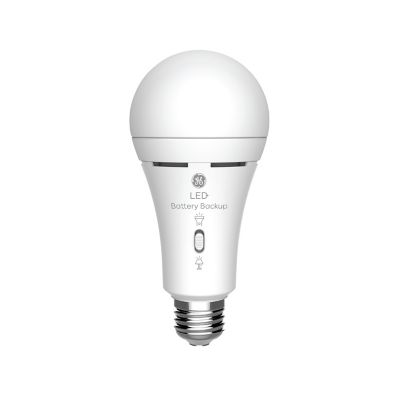
Warm white LEDs give off a soft, yellow-tinted light that feels familiar in a farmhouse kitchen, beside a reading chair, or over a dining table. Most fall between 2700K and 3000K on the Kelvin color temperature scale, a range that resembles the glow of traditional incandescent bulbs. At 2700K, the light has a more golden cast that suits bedrooms, living rooms, and other places meant for settling in. At 3000K, it looks a little crisper while keeping a warm feel, making it a good fit for kitchen counters, bathrooms, and everyday work areas where a stark white glow would feel out of place. Those numbers describe the color of the light, not its brightness or how hot the bulb gets. Brightness is measured in lumens, so a warm white bulb can provide plenty of light for reading the mail or sorting hardware without looking blue-white. Around 800 lumens is a common replacement for the light output of a traditional 60-watt incandescent bulb, though the LED itself draws much less power. For a room with several light sources, the total light output, fixture placement, and shade material all affect how the space feels. A fabric shade can soften the glow beside a couch, while a metal shade directs more of it toward a tabletop. Dark wood walls and deep-colored furnishings absorb more light than pale surfaces, which can make the same bulb seem dimmer in one room than another. Warm white lighting works especially well around wood grain, brick, and earth-tone fabrics, bringing out their warmer tones without making every corner look brightly lit. For homeowners, renters, and folks outfitting a guest room or gathering space, that balance is a big part of its appeal. It offers a welcoming look for company while still serving the ordinary business of a home, from tying boots by the door to reading a few pages before bed.
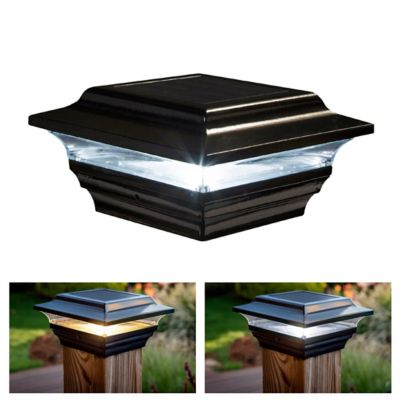
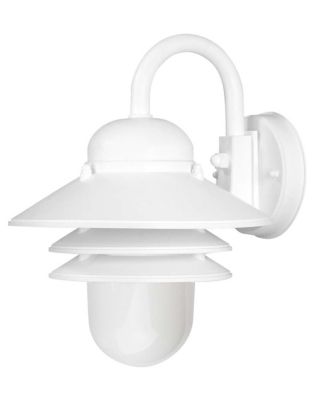
Warm white LEDs come in several lighting formats, and the right fit depends as much on the fixture as on the glow. Replacement bulbs need the correct base, overall shape, and dimensions; an E26 medium screw base is common in household lamps, but smaller sockets and specialty fixtures call for other sizes. A bulb that screws into a socket can still be too wide for a narrow shade or too long for a covered fixture. Enclosed fixtures also need LEDs specifically rated for that application because trapped heat can shorten the life of components inside the bulb. Fixtures with integrated LEDs have the light source built into the assembly rather than a conventional replaceable bulb, so their service options deserve attention alongside their appearance. Glass lenses, plastic diffusers, and metal housings each serve a purpose: clear glass leaves the light source visible, frosted surfaces spread the glow, and a suitable housing helps protect the electrical parts. For bedside tables, sideboards, or a quiet corner near the hearth,
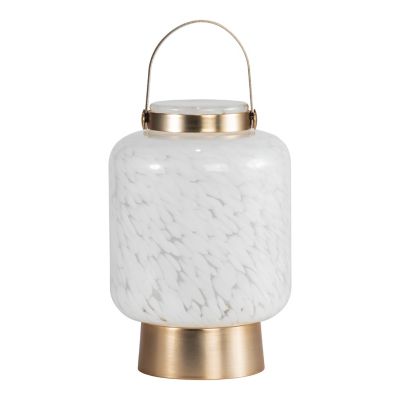
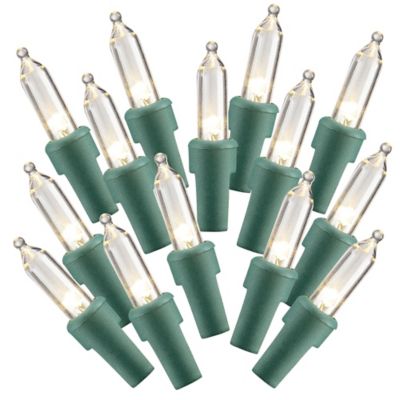
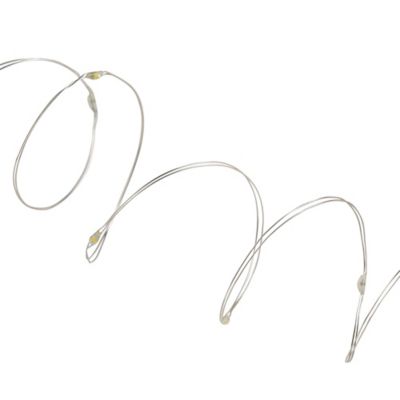
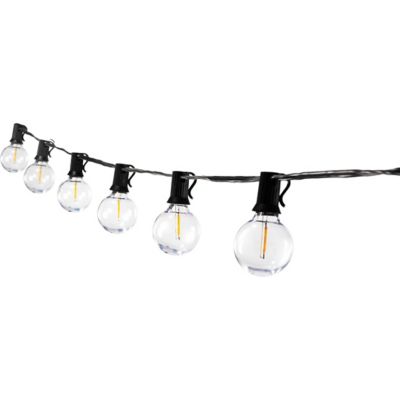
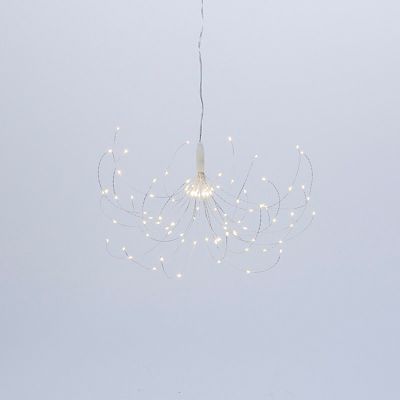
White Lamps can pair a light-colored finish with the gentle tone of a compatible warm white bulb. The lamp’s white finish and the bulb’s warm white light are separate features, and both influence the finished look. Flexible strips can tuck beneath cabinets or along shelves, while string lighting spreads smaller points of light across a gathering area. Strip installations depend on the correct power supply, permitted run length, and designated cutting points, when cutting is allowed. String lighting calls for secure support and attention to the stated limit on connected sets. In either format, a hidden cord route and a reachable switch can matter just as much as the light itself. A breakfast nook needs light where people sit and eat; a shelf display needs it directed toward the objects rather than into someone’s eyes. Thinking about those everyday sightlines helps warm white LEDs feel like part of the room instead of an afterthought.
Comfort and long-term performance depend on details that are easy to overlook when comparing light color alone. Dimming works only when the LED is dimmable and the dimmer or controller is compatible; a mismatch can cause flickering, buzzing, or a narrower dimming range than expected. Some LEDs stay near the same color temperature as they dim, while dim-to-warm designs become more golden at lower settings. That distinction matters in a dining area that doubles as a place for paperwork, where brighter light serves one purpose and a lower glow serves another. Color rendering is worth a look, too. The color rendering index, or CRI, indicates how faithfully colors appear under a light source compared with a reference source. A higher CRI can help when comparing fabric colors or checking the appearance of food at a kitchen counter. Using the same listed Kelvin rating across neighboring fixtures helps keep the overall look consistent, although light from different designs can still vary slightly in tint. For porches, outbuildings, and other spaces beyond the main living area, the fixture’s location rating matters: indoor-only lighting does not belong where moisture can reach it, and direct water exposure calls for a wet-location rating. Any required seals, covers, and mounting hardware need to remain in place. Care is generally straightforward, with power disconnected and the light allowed to cool before cleaning according to the manufacturer’s directions. Dust on a lens or shade can reduce the light reaching a work surface, so occasional attention helps preserve the intended glow. Claimed operating life is an estimate rather than a promise, and heat buildup, operating hours, and installation conditions can affect it. For a housewarming gift or a room refresh, warm white lighting makes the most sense when the recipient’s fixture fit, preferred brightness, and controls are known. The result should be practical as well as inviting: enough light to see what needs doing, with a softer character when the chores are done.