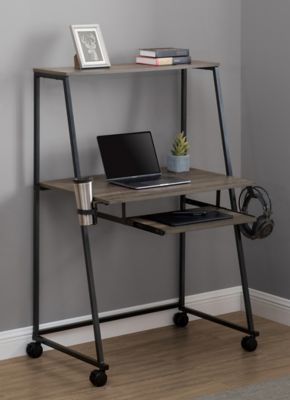
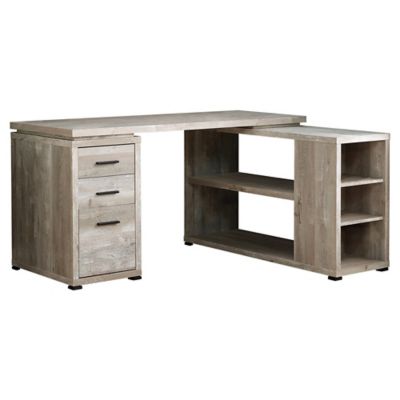
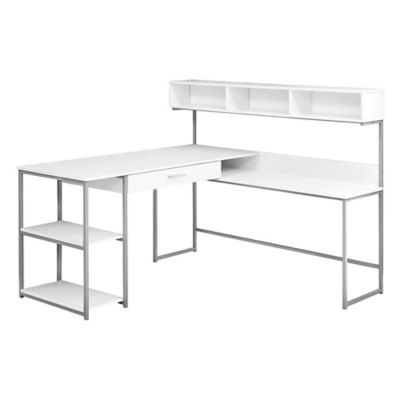
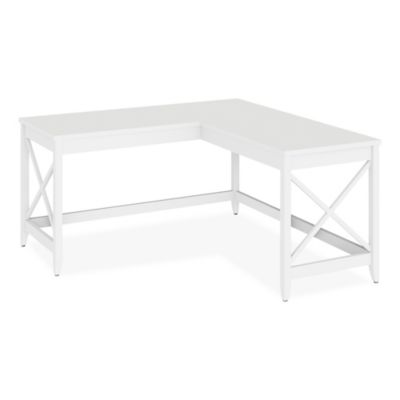
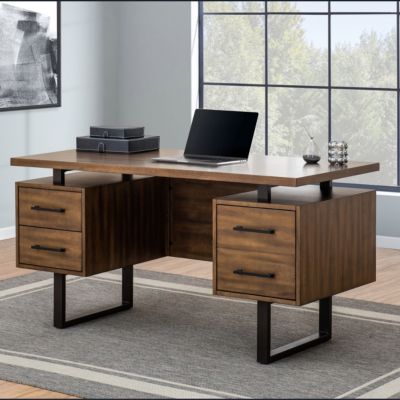
Home office furniture brings together work surfaces, supportive seating, and storage to make everyday tasks easier to manage. A comfortable setup gives remote employees room for computer work, helps small-business owners keep invoices straight, and provides a dedicated spot for school assignments or farm records. The best fit depends on both the work happening there and the space around it. A writing desk can suit a laptop and a notebook, while a deeper workstation leaves more room for a separate monitor, keyboard, and open paperwork. L-shaped layouts provide adjoining surfaces for different tasks, such as entering expenses on one side and sorting receipts on the other. Adjustable-height designs allow a change between sitting and standing, provided their height range fits the person at both positions. Well-proportioned
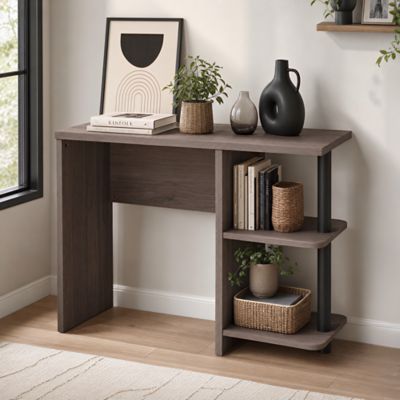
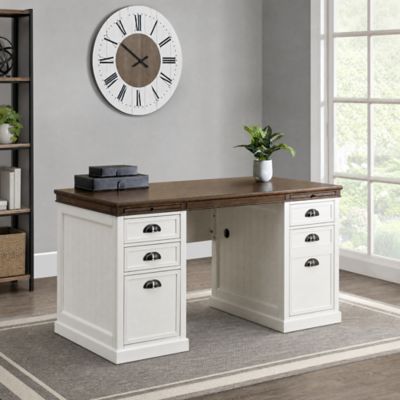
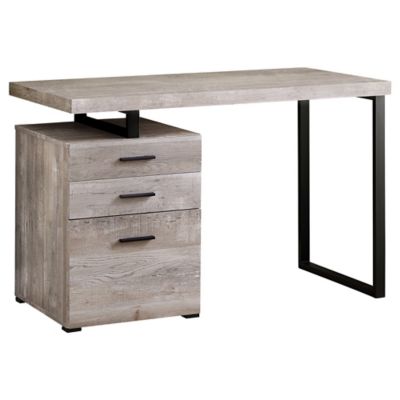
desks for home office leave enough working room without crowding the rest of the house. Overall width matters, but desktop depth, legroom, and clearance behind the chair matter just as much. A desk that fits against a wall still needs room for drawers to open and someone to walk past without squeezing sideways. In a shared room, a compact footprint can keep household traffic moving, while a dedicated office may have room for a broad work surface and separate storage. Corner layouts also deserve a look at which side holds the longer section, especially near doorways or closet doors. For computer-heavy work, cable openings and accessible outlets help keep cords from trailing across the floor. A monitor should have enough distance from the seat for comfortable viewing, and its base should not push the keyboard onto the front edge. Equipment weight counts, too: desktop load limits need to account for monitors, printers, and anything else resting on the surface. A printer also needs room for its paper tray, lid, and ventilation, not just its main body. These everyday details make the difference between furniture that simply occupies a corner and a workspace that supports a full day's responsibilities.
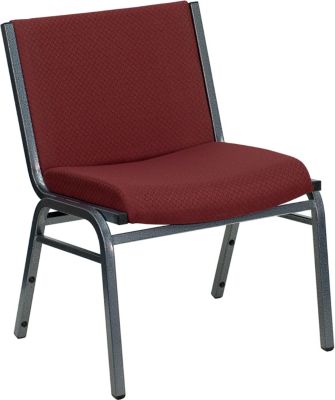
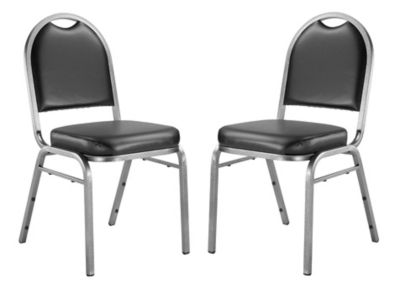
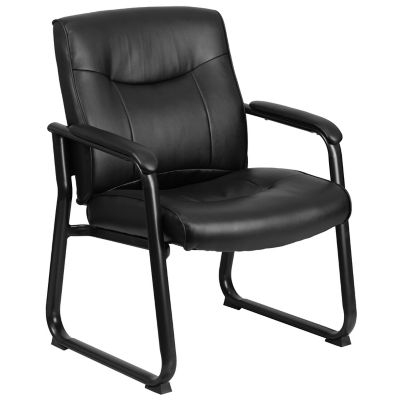
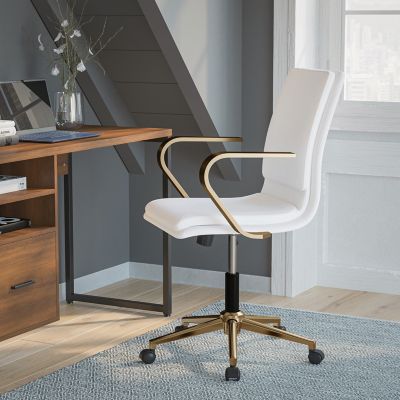
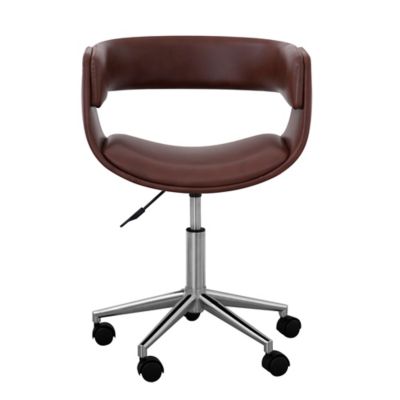
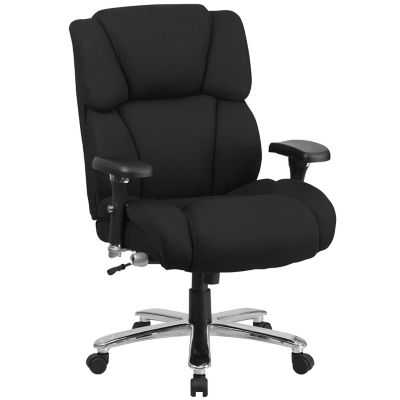
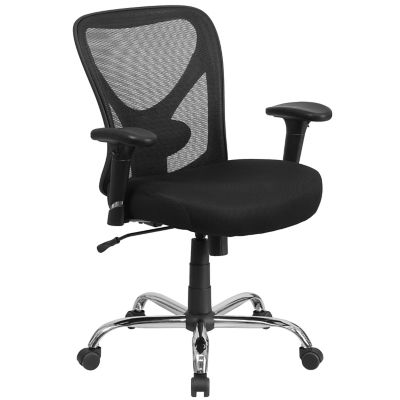
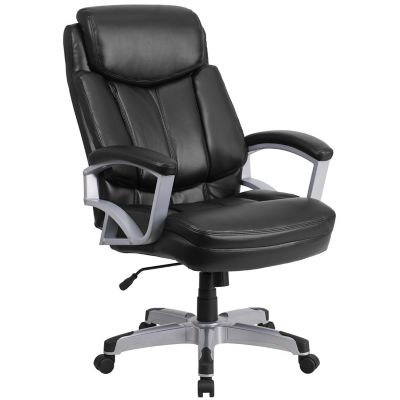
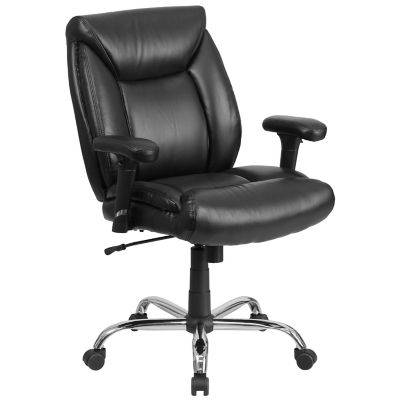
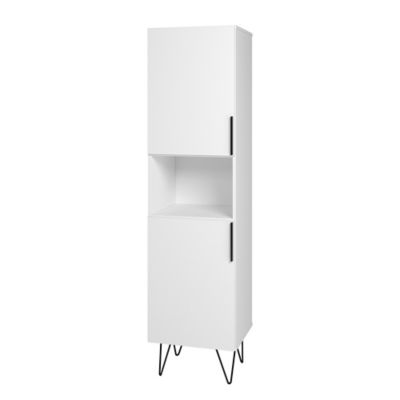
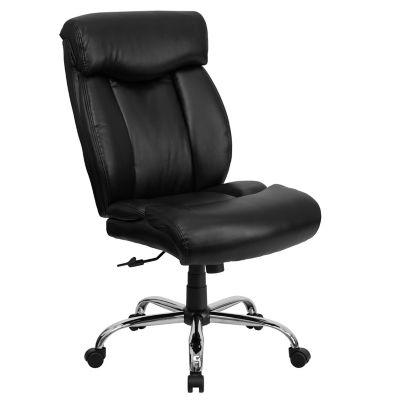
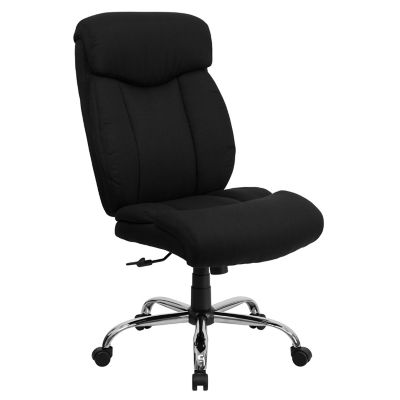
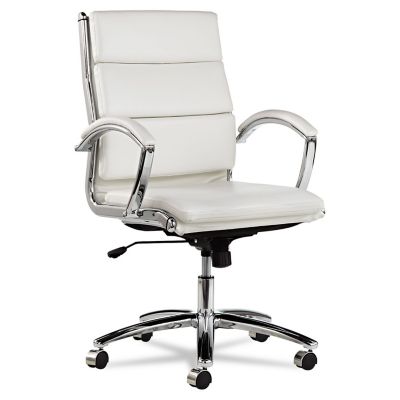
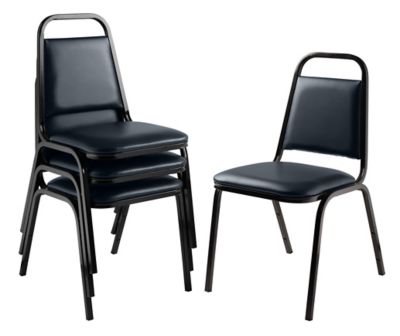
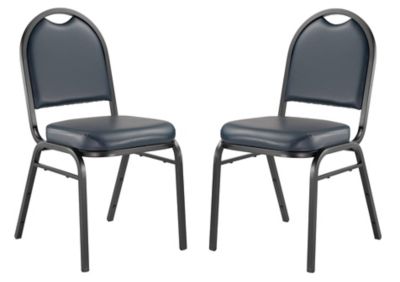
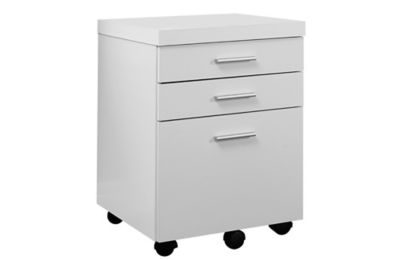
Seating deserves the same attention as the work surface, particularly when a quick email often turns into several hours at the computer. Home office chairs vary in seat height, seat depth, back support, arm placement, and movement, so overall size alone does not tell the whole story. A comfortable seated position generally allows feet to rest on the floor or a footrest, with shoulders relaxed and elbows close to the body. Seat depth should support the thighs without pressing into the backs of the knees. Adjustable features are especially helpful when more than one person shares the office, whether that means adults trading off paperwork or a student taking over after school. Armrests need to fit beneath the desk if the chair is meant to tuck away, and a tall chair back needs clearance from nearby shelving. Mesh backs allow airflow, padded upholstery offers a softer feel, and wipeable surfaces can make routine cleanup simpler. Casters should suit the flooring, since a chair that rolls well on one surface may behave differently on another. Storage furniture handles the other half of a working office: keeping necessary things close without letting them take over the desktop. File cabinets separate household records, business documents, and equipment manuals, while bookcases and shelving hold reference books, binders, and supply bins. Letter-size and legal-size paperwork need compatible drawer dimensions and hanging-file supports. Closed cabinets keep loose supplies out of sight, and open shelves make frequently reached-for materials easy to spot. Drawer extensions affect access to folders at the back, while handles and cabinet doors need enough clearance to operate comfortably. Locking storage can add privacy for personal records, though sensitive documents may call for additional security. Heavier supplies belong on lower shelves, and tall storage furniture should be secured according to the manufacturer's directions, especially in homes with children or pets. Keeping everyday paperwork within reach also cuts down on trips across the room when there's already plenty to get done.
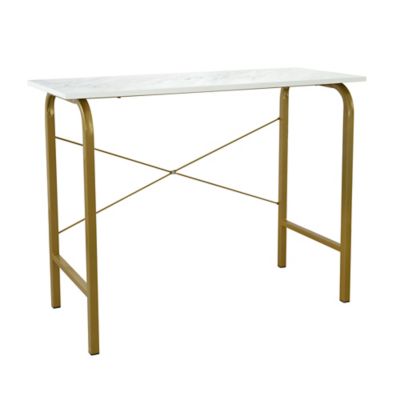
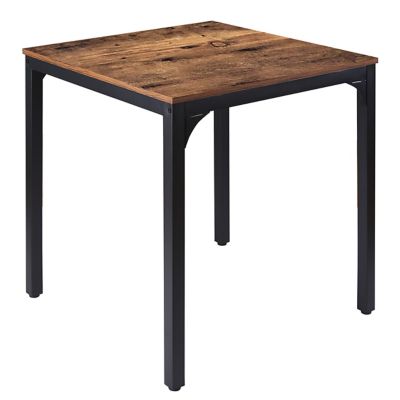
Materials and construction influence how home office furniture looks, feels, and stands up to everyday wear. Solid wood brings visible grain and a substantial feel, though its weight can make rearranging a room more work. Engineered wood offers another approach to panels and desktops, often paired with laminate or veneer surfaces. Laminate provides a finished working surface that is generally straightforward to wipe down, while wood veneer brings a real-wood face over a supporting core. Metal frames can provide a steady base, and glass surfaces offer a lighter visual presence but tend to show fingerprints and require care around exposed edges. For a desk that will hold writing pads, computer equipment, and stacks of folders, a smooth surface and a steady frame matter more than appearance alone. Secure joints, properly tightened hardware, and drawer movement all contribute to how the furniture feels in daily use. Care depends on the material and finish, so manufacturer directions take priority over a general cleaning routine. A soft cloth handles routine dust, spills are best blotted promptly, and coasters or desk pads help limit moisture rings and surface marks. Excess water can affect wood-based panels, especially around seams and unfinished edges. Upholstered seats benefit from regular vacuuming and fabric-appropriate spot cleaning, while hair and lint should be cleared from chair casters so they can turn freely. Furniture dimensions also matter before assembly: doorways, stair turns, and the path into the room can limit what fits. Coordinated finishes can give a separate office a settled look, while a desk that echoes nearby wood tones can sit comfortably in a living room or bedroom. Whether the space handles payroll, homework, or the household calendar, home office furniture earns its place through comfortable proportions, practical storage, and surfaces that suit the job.