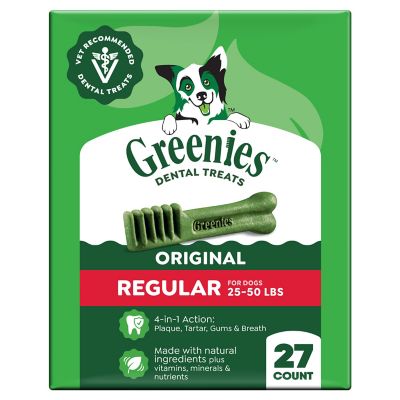
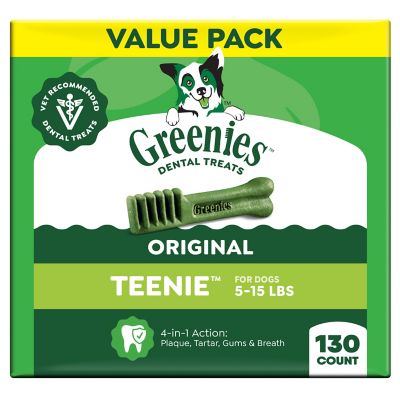
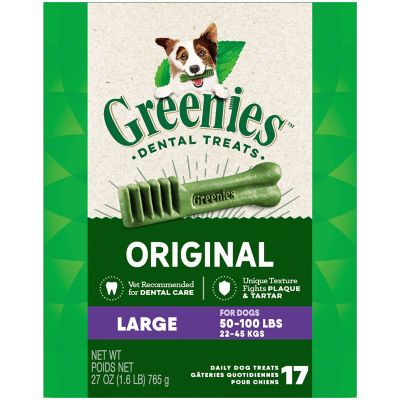
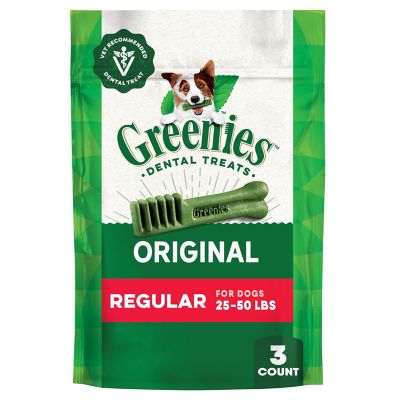
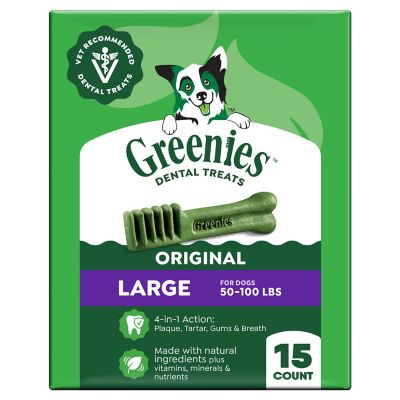
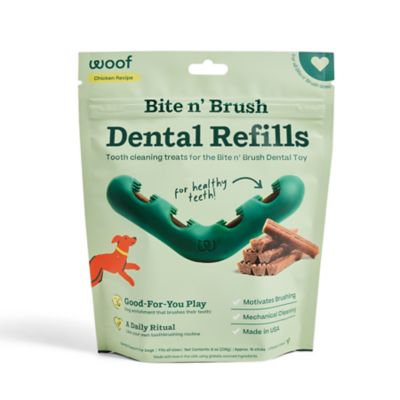
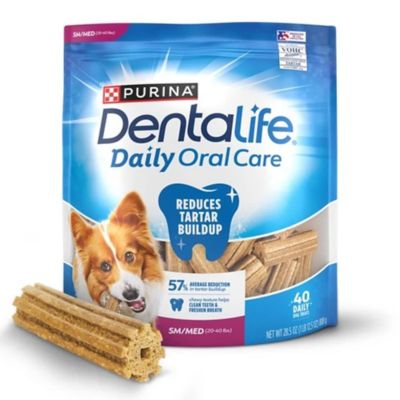
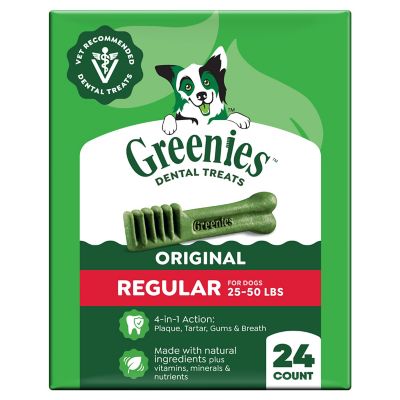
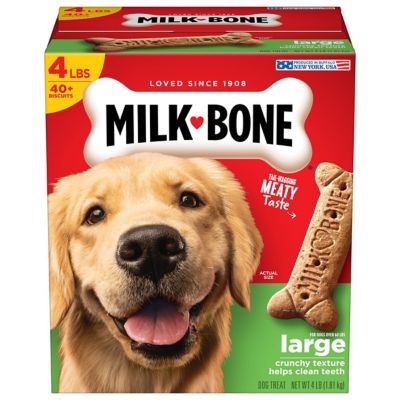
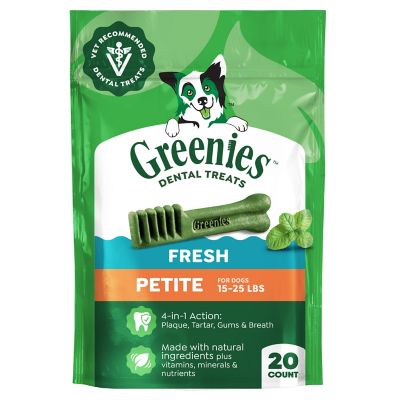
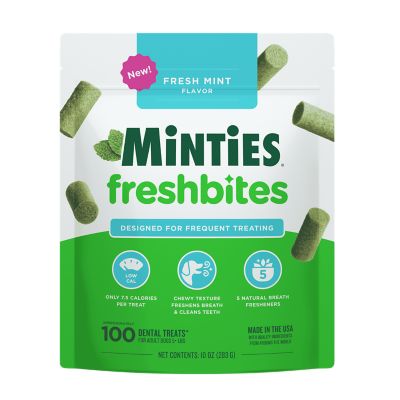
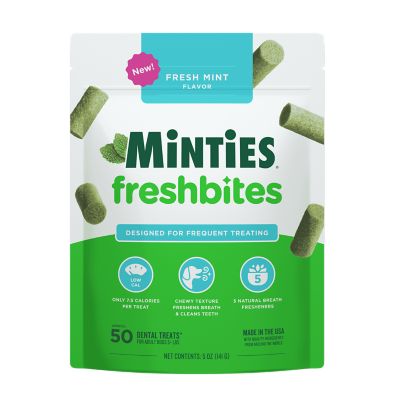
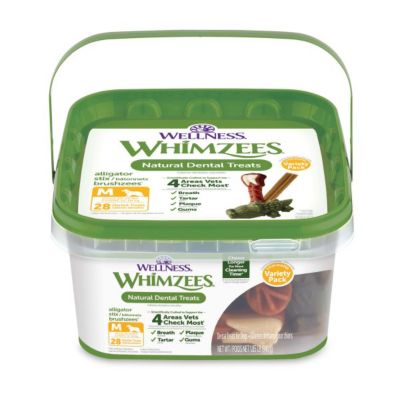
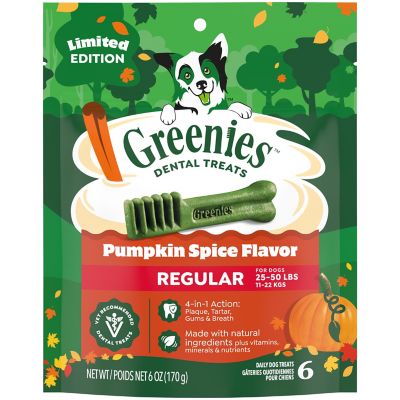
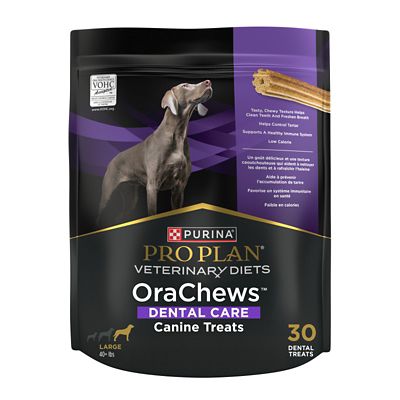
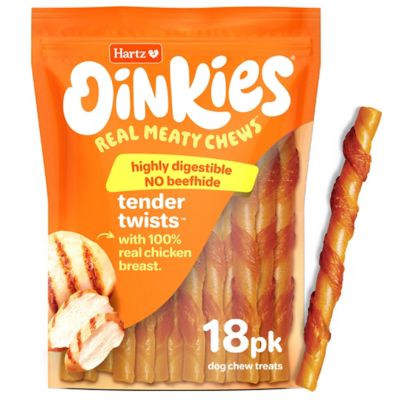
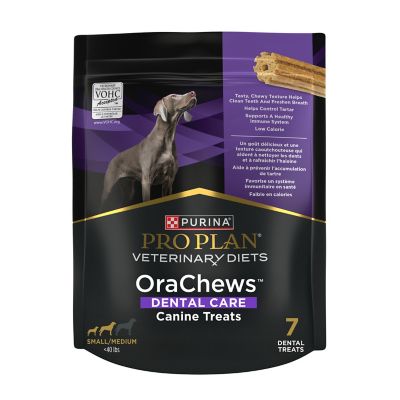
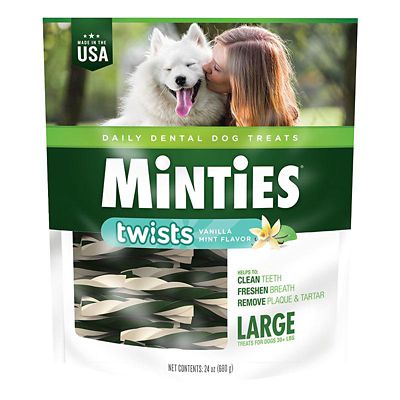
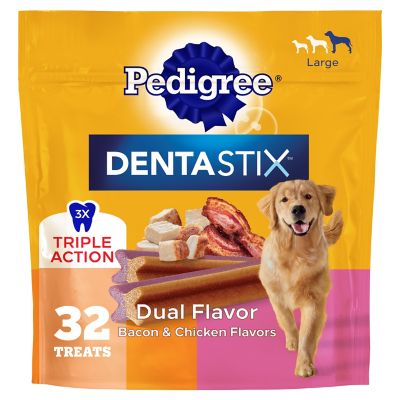
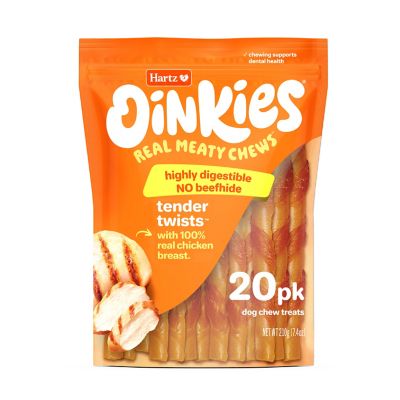
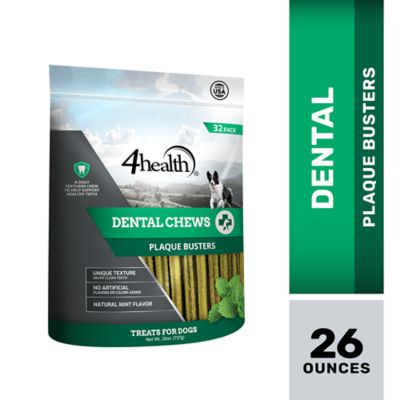
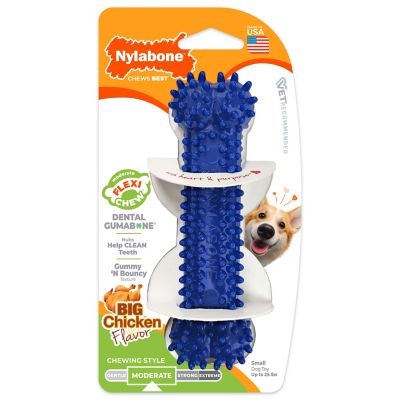
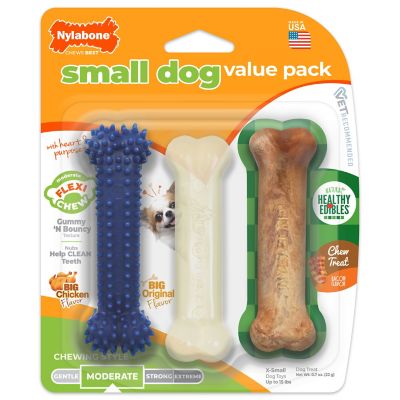
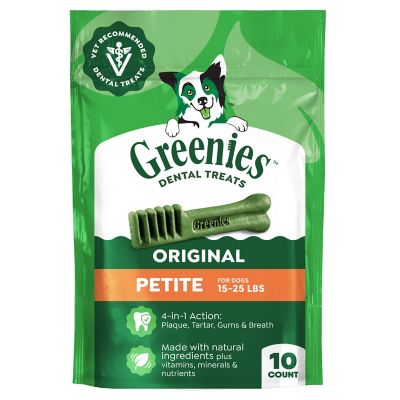
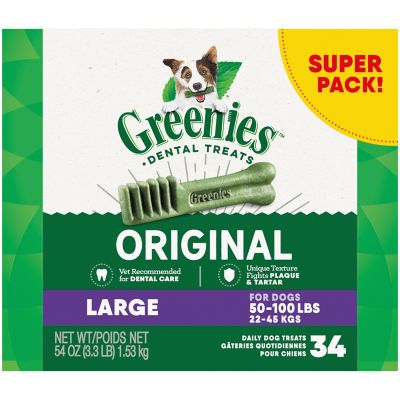
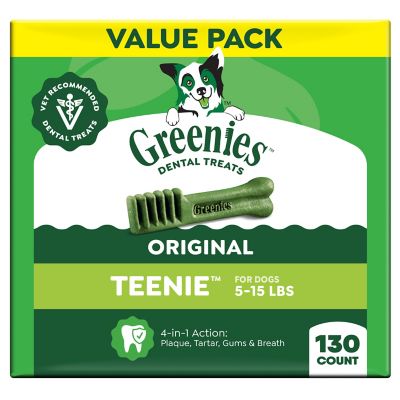
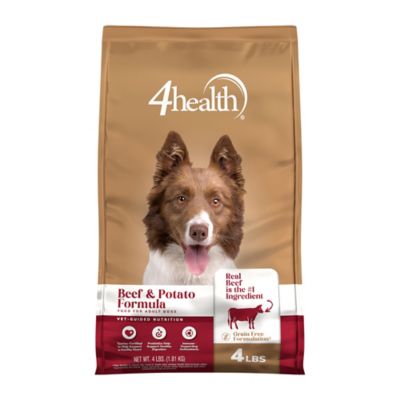
Dental treats for senior dogs pair a welcome reward with support for an older dog’s everyday mouth care. The best fit depends on the dog’s remaining teeth, chewing habits, body size, and health—not age alone. A gray-muzzled farm companion may still work steadily through a chew, while a little lap dog with missing teeth may need a different texture or a veterinarian-approved alternative. Softer, pliable dental chews can be easier for some older dogs to manage than very hard treats, but softness by itself does not prove that a chew cleans teeth or makes it safe for a sore mouth. Dental treats work mainly through contact with the teeth as a dog chews, and some formulations include ingredients intended to help control plaque or tartar. Ridges, grooves, and textured surfaces can increase that contact, although the shape alone does not establish how well a treat works. A Veterinary Oral Health Council seal indicates that a product meets the council’s standards for helping control plaque, tartar, or both, depending on the claim listed. That distinction matters when comparing a treat meant mainly to freshen breath with one backed by evidence for a dental benefit. These treats complement toothbrushing and veterinary dental care rather than taking their place, and they cannot remove established tartar the way a professional cleaning can. For a dog that settles beside the kitchen table after chores, a suitable dental chew can become a familiar part of the daily routine. The goal is a treat the dog can chew comfortably and deliberately, not something so hard that biting puts teeth at risk or so easy to gulp that it gets little contact with the teeth. Persistent bad breath, bleeding gums, dropping food, or chewing on just one side calls for a veterinary check rather than a different flavor. An older dog that still eats eagerly can have dental pain, so appetite alone does not tell the whole story.
Texture, size, and ingredients help distinguish dental treats for older dogs from ordinary snack-time rewards. A pliable chew may give under pressure, while a firm biscuit crumbles and a very hard chew resists the bite; those differences affect how a dog handles each mouthful. Treats described as soft are not necessarily dental treats, and dental treats are not necessarily soft, so package descriptions and feeding directions matter more than appearance. There is also no single texture that suits every senior dog. Dogs with loose teeth, advanced gum disease, or recent dental extractions may need to avoid chews until a veterinarian clears them. Size should match the package’s weight range as well as the dog’s chewing style. A large dog can swallow a small treat whole, while an oversized chew may be awkward for a smaller mouth to grip. Length and thickness both matter, especially for a dog that tends to bite off big chunks instead of nibbling. Ingredients vary across dental chews and may include starches, proteins, fibers, and ingredients that help retain moisture and flexibility. Chicken, beef, and other flavors can appeal to different dogs, but the full ingredient panel is important for pets with food allergies or restricted diets. Grain-free labeling does not establish a dental advantage or mean a treat is a better match for an aging stomach. Likewise, claims about easy digestion do not remove the need for appropriate sizing and supervision. Some senior-focused formulas include glucosamine, chondroitin, or omega-3 fatty acids, but their presence does not establish a meaningful joint benefit at the serving size. Dogs receiving supplements or prescription diets need treats that fit the larger feeding plan. Calories deserve a close look, too: dental chews count toward daily intake, and treats generally should provide no more than 10 percent of daily calories unless a veterinarian recommends otherwise. For a small senior dog, even one chew can represent a noticeable share of that allowance. Feeding frequency should follow the label, not the dog’s enthusiasm for another round.
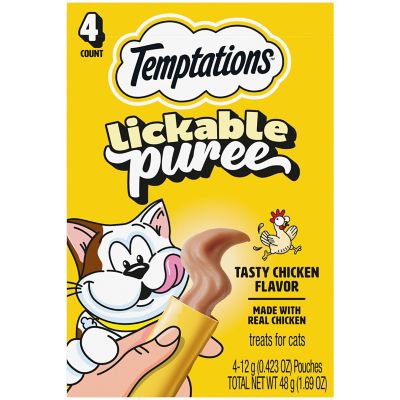
Everyday handling helps dental treats stay suited to their intended purpose. Many pliable chews depend on retained moisture for their texture, so closing the package tightly and following its storage directions can help keep them from drying out. The original bag keeps the ingredient list, feeding chart, lot information, and expiration date handy; if the bag goes into a storage bin, those details stay with the treats. A chew that has become unusually hard, moldy, or otherwise changed should not go into the treat jar. Package size is worth considering in relation to the dog’s serving schedule, since a single small dog works through a bag differently than a household with several dogs. Each dog still needs an individually appropriate portion and a separate place to enjoy it. An older dog resting by the back door may chew more calmly away from a younger dog that hovers and tries to snatch the reward. Supervision matters throughout the chew, with fresh drinking water nearby and any small leftover piece removed before it becomes a gulping hazard. Cutting a dental treat into pieces can change how it functions and how easily it can be swallowed, so choosing the right size is preferable unless the manufacturer directs otherwise. New treats also deserve a little patience: introducing one change at a time makes it easier to notice stomach upset or a change in chewing comfort. For families sharing feeding duties, a simple daily checkoff can prevent well-meaning extra servings from adding up. A bag of suitable dental treats can also be a thoughtful addition to a care package for someone with an older dog, provided the recipient confirms the pet’s dietary needs and preferred size first. Homes with aging cats have separate feeding considerations;
Cat Treats For Senior Cats belongs on that shopping list rather than sharing the dog’s chews. With the right match, a dental treat offers an enjoyable chewing routine that fits an older dog’s needs while supporting the mouth care that helps keep meals and everyday life comfortable.