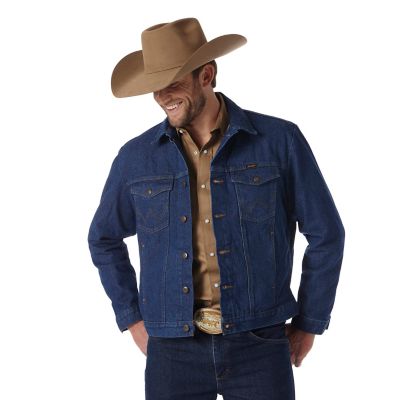
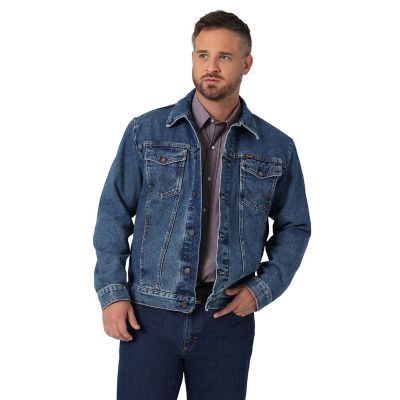
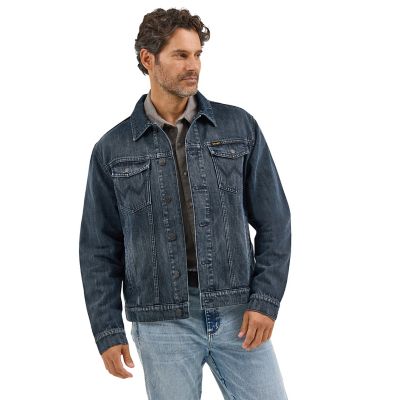
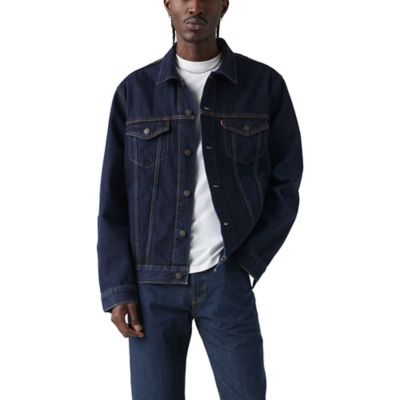
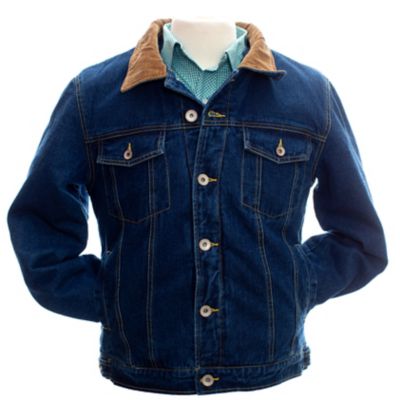
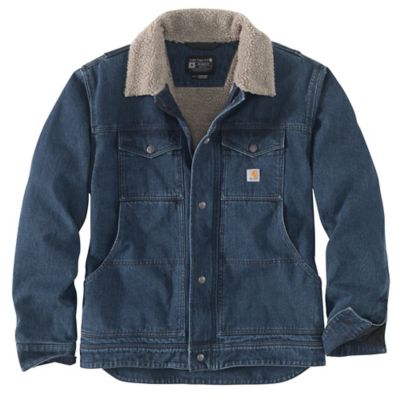
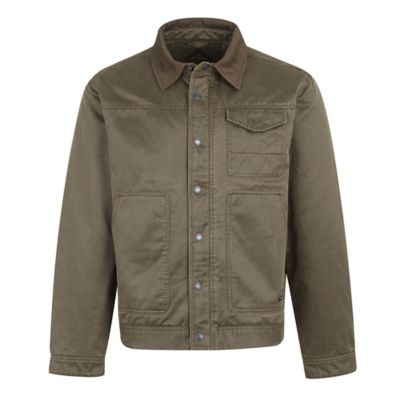
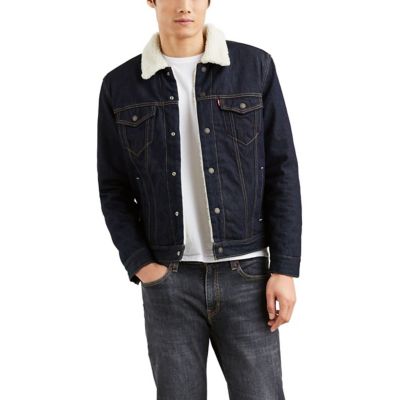
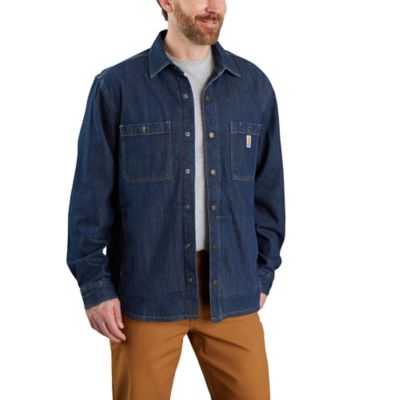
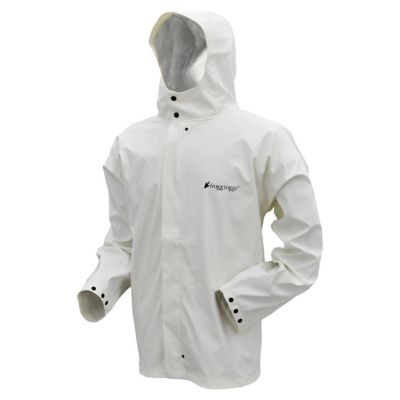
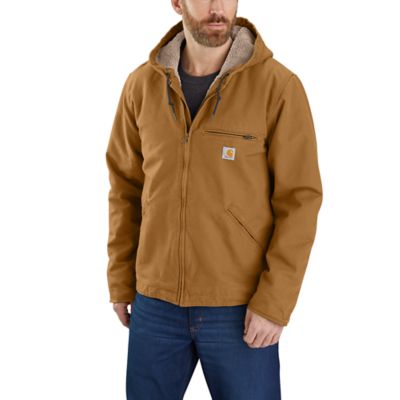
A denim jacket for men earns its place by being easy to pull on and get going in, whether the day starts with a trip into town or a few chores around the place. Its roots in work clothing still show in the sturdy twill fabric, straightforward closures, and pockets that keep small essentials close. That practical character also makes denim a natural match for flannel shirts, plain tees, chinos, and work boots. Blue washes range from deep indigo to lighter shades with a softer, broken-in look, while black and gray offer another way to wear the same familiar shape. Darker denim can look a little more put together for supper out, though color alone does not tell the whole story about how a jacket will wear. Fabric weight, fiber content, stitching, and construction all matter. All-cotton denim often has a firm feel at first and gradually softens with wear. Cotton blends with a small amount of stretch can give more easily across the shoulders and elbows, which is welcome when reaching for something on a shelf or climbing into a pickup. Heavier fabric generally feels more substantial, but it can also take longer to loosen up and may be more jacket than needed for a mild afternoon. Lighter denim is easier to layer and carry along when temperatures shift between morning and evening. Denim is best thought of as everyday outerwear rather than a substitute for protective work clothing. It suits errands, casual gatherings, and many light tasks, but ordinary denim does not provide certified protection from flames, chainsaws, or other job hazards. For a man who likes clothing that can move from the driveway to the diner without much fuss, the appeal is simple: a familiar feel, useful details, and a look that does not need much planning. Over time, creases and fading can reflect regular wear, giving the fabric character without changing its basic purpose.
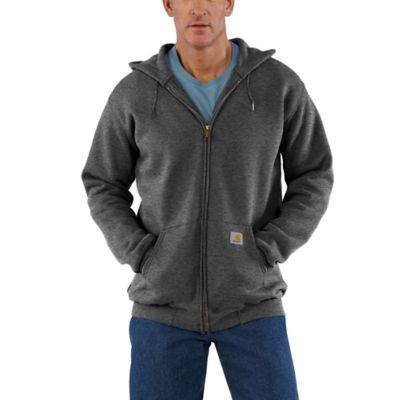
Fit makes the difference between a jacket that spends most of its time on a hook and one that gets grabbed on the way out the door. Many traditional denim jackets finish near the hip, leaving less fabric to bunch up when sitting behind the wheel. Longer cuts offer more coverage, especially when bending, while closer-fitting cuts keep the outline trim over a T-shirt or light button-down. Neither shape is right for everybody; torso length, shoulder width, and the layers underneath all play a part. A useful fit check is to fasten the front over the sort of shirt or sweatshirt likely to be worn most often, then reach forward as though holding a steering wheel. The back should not pull sharply, the upper arms should have room to move, and the closure should lie reasonably flat without straining. Sleeves should cover the wrists with arms relaxed without swallowing the hands. Size charts and garment measurements are more helpful than assuming every jacket with the same size label fits alike. Men who wear tall sizes may need extra sleeve and body length rather than simply a wider jacket. A roomy cut can make space for a hoodie, but too much loose fabric may feel cumbersome during active tasks. Pocket placement deserves a look, too. Chest pockets can keep a small notepad close, while lower pockets offer a place to rest hands during a stop outside. Check pocket dimensions and closures before counting on them to hold a phone securely. Buttons give denim jackets their familiar appearance; zippers provide a different feel at the front, and either should operate smoothly. Adjustable cuffs and waist tabs can help fine-tune the shape where those features are included. Reinforced seams and neatly secured pocket corners are worth examining because those areas take repeated pulling. A jacket meant mainly for weekend outings may call for a different balance of weight, room, and pocket space than one worn through a full day of light chores.
Care habits help a men's denim jacket stay comfortable and hold its shape through regular wear. Start with the garment's care label, since fiber blends, dyes, and linings can require different treatment. When machine washing is permitted, turning the jacket inside out and washing it with similar colors can help limit surface abrasion and color transfer. Deep indigo may rub onto pale shirts, seats, or upholstery, particularly when new or damp, so follow any dye-transfer warnings. Treat small spots promptly with a method suited to the fabric rather than scrubbing hard enough to leave a pale patch. Excess heat can cause shrinkage or affect stretch fibers, making the recommended drying method especially important. A jacket that fits just right across the shoulders before washing may feel quite different after an overly hot dryer cycle. Give damp denim room to dry fully before putting it away, and avoid leaving it crumpled in the truck after getting caught in a shower. Denim can handle everyday wear, but it is not naturally waterproof, and wet cotton can feel cold against the body. During the cooler months, lining changes how a jacket feels and where it fits into the day. Unlined denim works well over a shirt when only a light outer layer is needed. Fleece, flannel, or quilted linings can add warmth, though their thickness and coverage vary. A lined body does not always mean lined sleeves, so construction details matter. For longer stretches outdoors in cold wind or wintry weather,
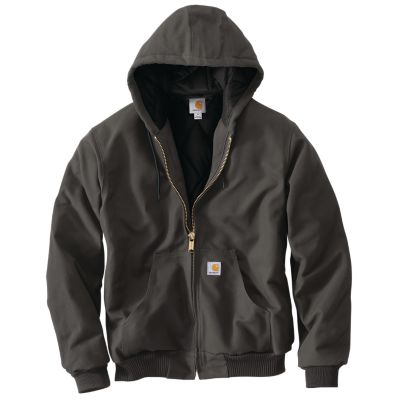
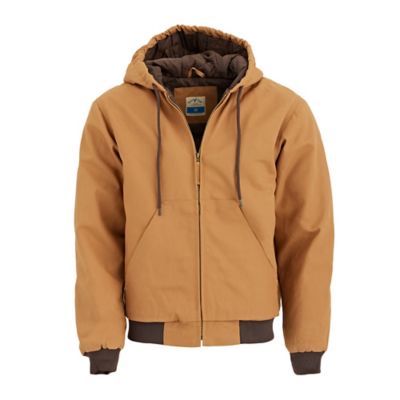
winter jackets for men offer another category to consider alongside denim. As a gift, a denim jacket makes sense for someone who already favors casual layers and practical clothing. Checking a favorite jacket's measurements, usual sleeve length, and preference for a close or roomy fit can take much of the guesswork out of choosing. The best match is one that feels right for his routine, whether that means coffee on the porch, a drive down a gravel road, or heading into town after the day's work.