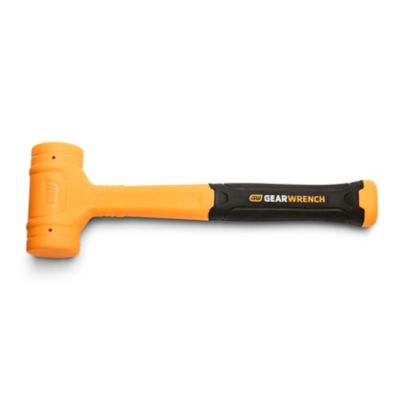
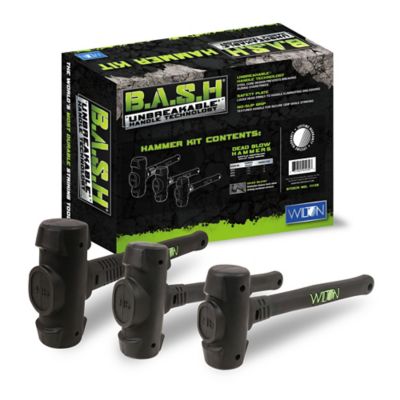
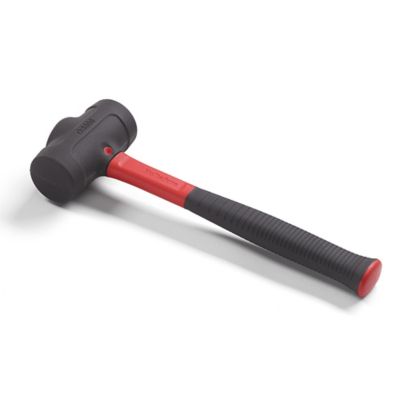
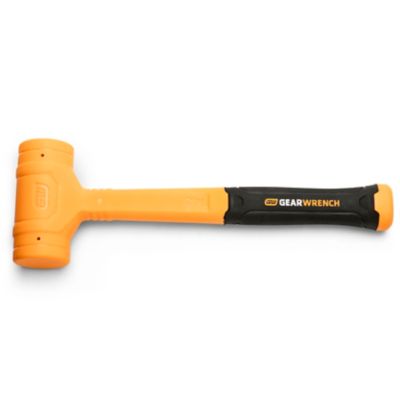
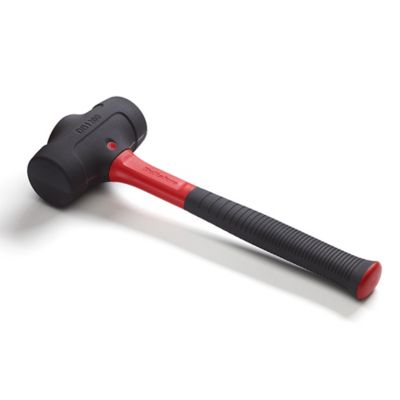
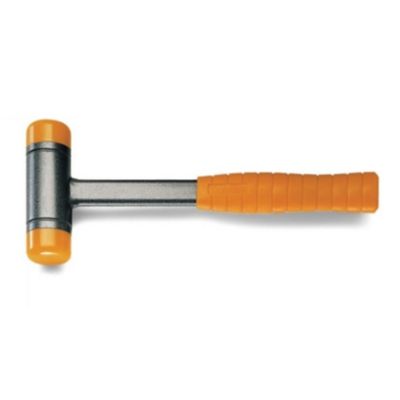
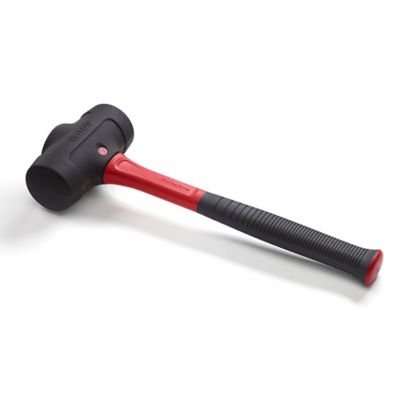
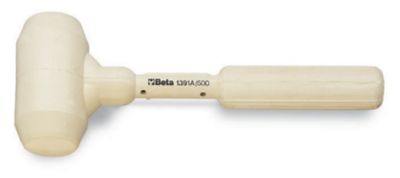
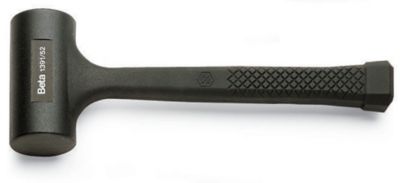
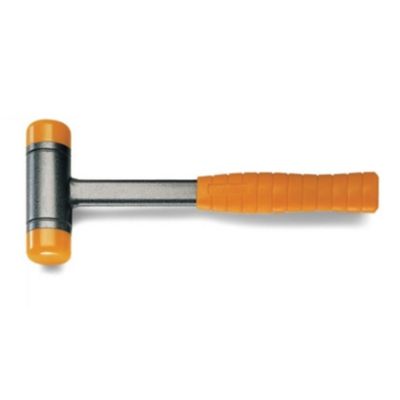
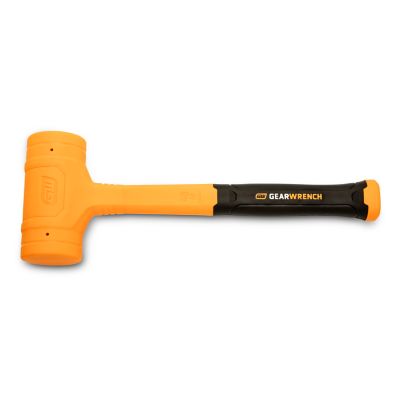
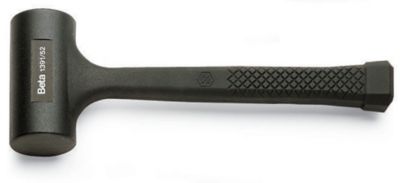
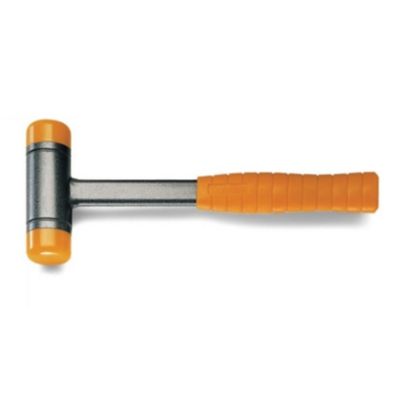
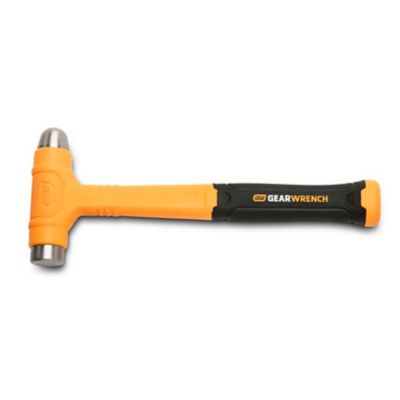
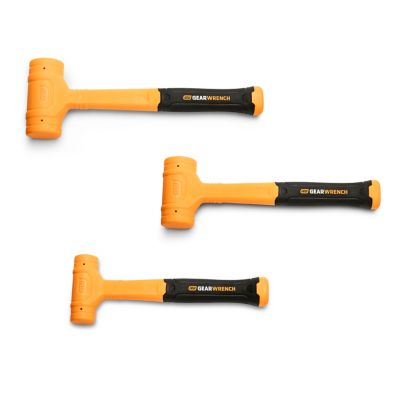
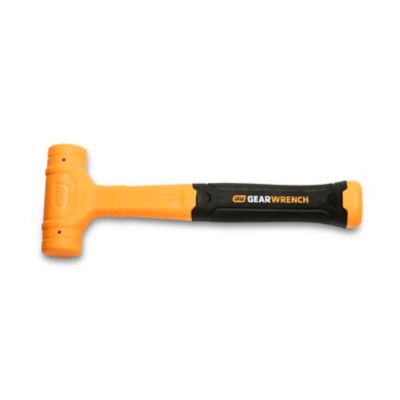
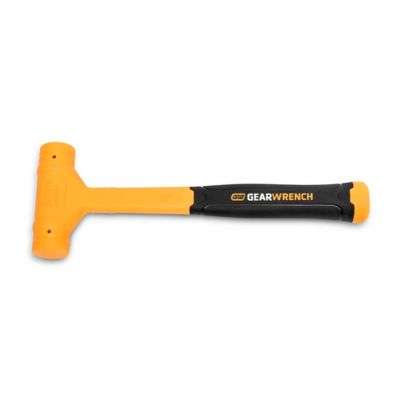
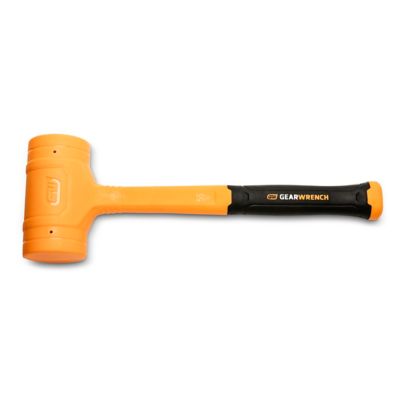
Dead blow hammers bring controlled striking force to jobs where a bouncing hammerhead can make a simple task harder than it needs to be. Inside many designs, a hollow section of the head holds loose shot that shifts during the swing and impact, helping absorb recoil and limit rebound. That action gives these hammers a different feel from a solid steel hammer or a standard rubber mallet. Instead of springing sharply back from the work, the head delivers a more settled blow, making it handy for moving snug-fitting parts without the same lively bounce. Around a farm shop, garage, or woodworking bench, that can mean easing an equipment cover into place, bringing mounting holes into line, or seating a wooden joint without striking it with bare steel. Mechanics, woodworkers, equipment owners, and folks who handle their own repairs all have reasons to keep this kind of striking tool close by. Many dead blow hammers have polyurethane or other polymer striking surfaces that help reduce marking, although no face is harmless on every material. Painted metal, finished wood, and softer surfaces still call for care, and grit on the face can leave scratches even when the hammer itself feels relatively soft. A broad face can spread the strike across a larger area, while a smaller face reaches more confined spots. The job also matters: nudging a bracket into alignment is different from driving a stubborn part loose, and neither calls for uncontrolled swings. These tools are especially useful when the part needs to move but the surrounding work needs to stay intact. They are not a blanket replacement for claw hammers, sledges, or tools made for striking chisels. Their place is in controlled assembly, adjustment, and repair work where reduced rebound and a suitable contact surface matter more than a sharp, concentrated blow. A little room to swing and a clear view of the contact point make that role easier to appreciate, especially beside machinery where nearby fittings or finished panels leave little room for error.
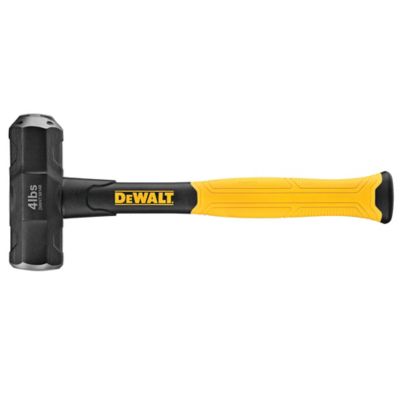
Weight, head shape, and handle fit make a real difference in how a dead blow hammer handles at the bench or beside a piece of equipment. A lighter head suits smaller assemblies and repeated taps, while a heavier head puts more mass behind each strike for larger work. More weight is not automatically better; a hammer that tires the arm or feels awkward overhead can make controlled work harder. Listed weights also deserve a close look, since a measurement may describe the head or the complete tool. Face diameter matters alongside weight. A wider striking surface offers more contact area on broad parts, but it may not fit between a frame rail and a housing. A narrower head can reach tighter spaces, provided there is enough clearance for the handle and the swing. Handle length changes reach and leverage, too. Shorter handles often feel handier for close bench work, while longer handles need more room and bring a different balance. Molded grips, textured surfaces, and flared handle ends can help the tool feel settled in the hand, though oil and grease still make any grip harder to manage. A handle should allow a firm hold without forcing the wrist into an awkward position, including when work gloves are part of the job. Construction varies, with options that may include reinforced cores, fiberglass handles, or steel structures beneath an outer covering. Those details affect balance, weight, and the way impact feels through the grip. Within the broader range of
Impact Hammers, dead blow designs fill the need for a controlled strike with less rebound. For a mixed workload, a manageable size matched to everyday tasks often makes more sense than choosing by head weight alone. Someone fitting cabinet parts has different needs from someone aligning heavier machinery components, even when both jobs benefit from the same dead blow action. The best fit comes down to the workpiece, access around it, and the amount of movement the job actually requires.
The outer material of a dead blow hammer deserves as much attention as the weight inside it. Polyurethane and other polymers can offer a useful balance of surface protection and resistance to wear, but their hardness and resistance to oil, grease, and cleaning chemicals vary. A softer face may suit work where surface marks are a concern, while a firmer face can provide a different striking feel. Manufacturer specifications help clarify those differences, especially for jobs around automotive fluids or shop chemicals. A coated head should not be assumed to provide electrical insulation or protection against sparks; those applications require tools specifically rated for the hazard. Ordinary shop care starts with a clean striking face and a handle free of slippery buildup. A wipe after greasy work helps keep residue from traveling onto finished parts, and an approved cleaner is a better choice than a harsh solvent that could attack the outer shell. Storage in a tool drawer, rack, or other secure spot keeps the face away from sharp edges that can cut or gouge it. Splits, loose handles, deep cuts, or escaping fill are signs that the hammer needs to come out of service rather than stay in the rotation. Even a tool that reduces bounce still calls for eye protection, a stable workpiece, and hands clear of the strike zone. Equipment should be shut down and secured before adjustments, with stored energy addressed according to the equipment instructions. For someone who spends spare hours keeping implements running, rebuilding shop projects, or fitting parts at a workbench, a well-matched dead blow hammer can be a practical gift without needing much fanfare. Its usefulness comes from the everyday jobs: settling a part into position, closing a joint, or making a measured adjustment without reaching straight for bare steel. The right combination of face material, head weight, reach, and comfortable grip helps make those tasks more manageable while keeping attention on the work rather than fighting the tool.