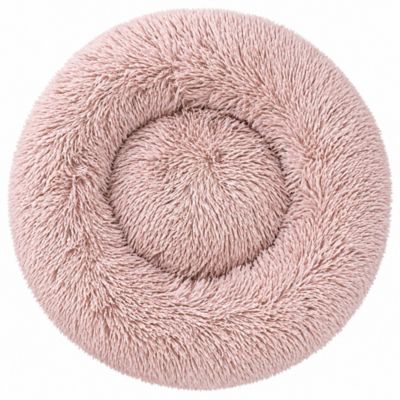
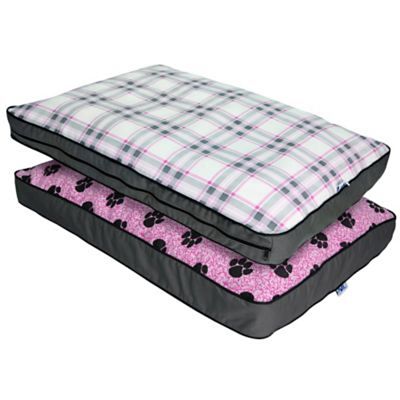
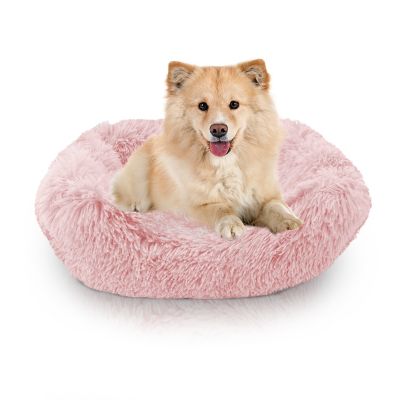
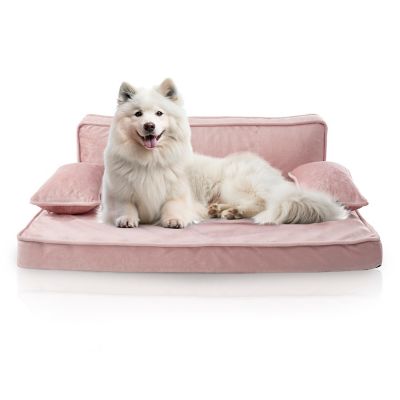
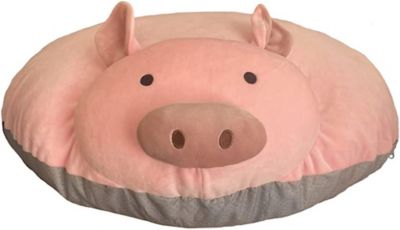
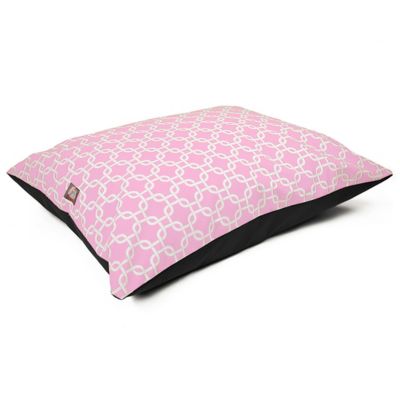
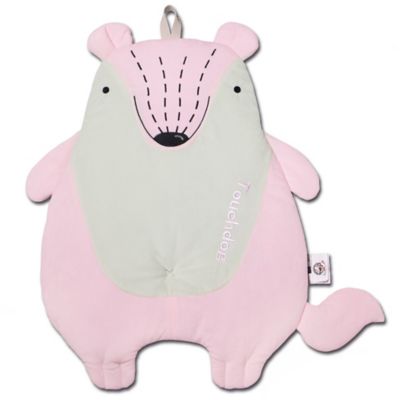
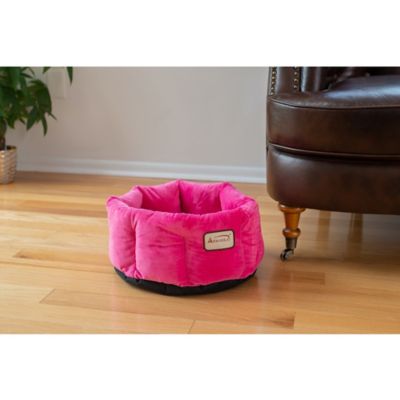
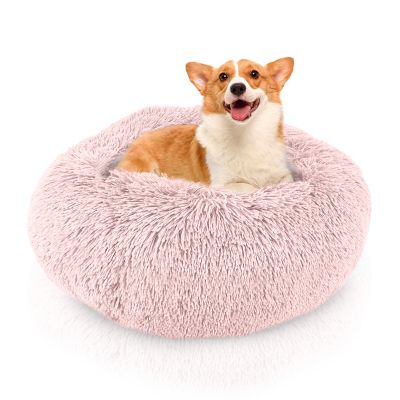
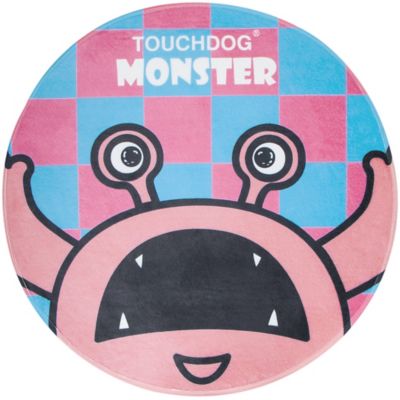
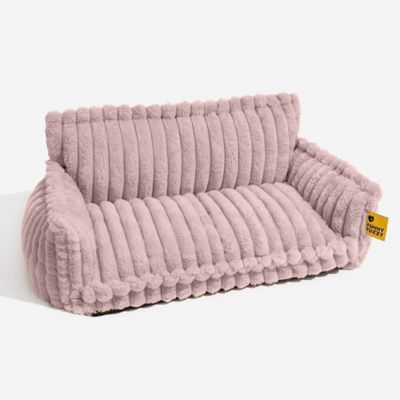
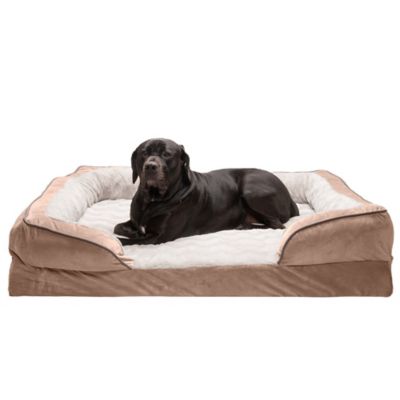
Cute pink dog beds give a dog a place to settle in while adding a little personality to the spot beside the couch, beneath a bedroom window, or near the kitchen where everybody gathers. Pink can be soft and subtle or bright enough to stand out against wood floors and plain furniture. Blush, rose, and bubblegum shades each bring a different look, while simple solids, playful prints, and contrasting trim offer plenty of ways to make a pet’s resting place feel at home. Looks are only part of the appeal, though. A bed earns its place when a dog can stretch out, curl up, and climb in without a struggle. A little terrier that tucks its nose beneath its tail may enjoy a round nest with raised sides, while a lanky hound that sleeps on its side needs more room than its standing height might suggest. The sleeping surface matters more than the outside measurements, especially when thick bolsters take up space around the edges. Measuring a dog from nose to the base of the tail and allowing extra room for its usual sleeping position helps put those dimensions in perspective. Weight recommendations can offer another reference point, but they do not tell the whole story for long-bodied dogs or pets that sprawl. Pink dog beds are not just for small breeds, either; the right fit depends on the dog, not the color. In a home with several pets, separate resting spots can give each dog room to relax without crowding. A bed tucked away from the main walkway also gives a pup a quiet landing place after following someone from the feed room to the house. That everyday role makes comfort, placement, and ease of entry just as important as a cute shape or a cheerful shade of pink. A familiar resting spot can also be a handy place for a dog to settle while supper is being made or visitors come through the door.
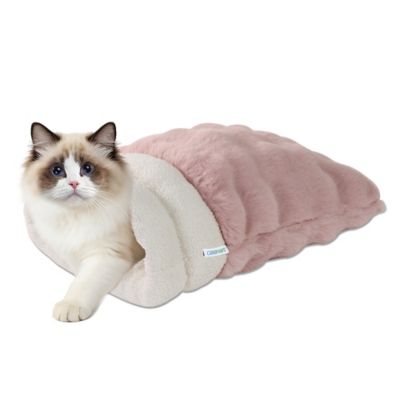
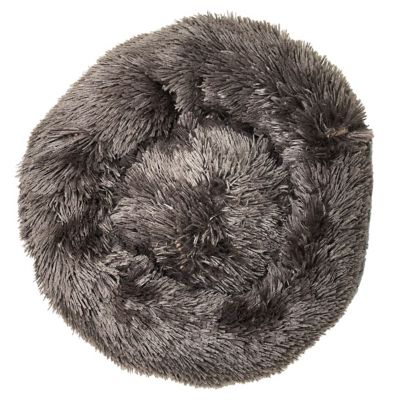
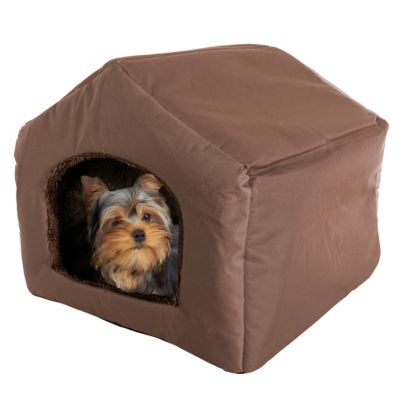
The feel of a pink dog bed comes from both its outer fabric and what sits underneath. Plush fleece and faux fur offer a soft surface for dogs that like to nuzzle into their bedding, while smoother woven covers can be easier to brush free of loose hair. Textured fabric brings another consideration: long claws, busy paws, and a habit of scratching before lying down can be hard on loops, loose trim, and exposed seams. Closely stitched edges and securely attached details make more sense for an enthusiastic nest-maker than dangling accents. Inside the bed, loose fiber fill tends to feel pillowy, while foam creates a more structured base. Some dogs enjoy sinking into a cushion; others settle better on a flatter surface that does not shift as much when they stand. For an older dog, a low front edge and a supportive base may make getting situated easier, though a bed is not a substitute for veterinary care when movement seems painful. Raised bolsters can serve as a chin rest or a boundary to lean against, but a broad, open mattress leaves more room for dogs that stretch their legs straight out. Covered shapes suit some pets that seek out snug spaces beneath tables or beside furniture. For a little companion that prefers an enclosed nook,
Covered Dog Beds for Small Dogs offers a related style to consider alongside open cushions and bolster beds. The opening should leave enough room to enter, turn around, and leave freely without squeezing. Intended placement matters, too. A bed meant for a crate needs to fit the crate floor without bunching against the sides or interfering with the door. On a smooth household floor, a nonslip underside may help limit sliding, though the bed should still be checked as a dog steps on and off. Fabric that feels pleasant indoors should not be assumed suitable for porch or kennel use unless its care and use information says so.
Everyday life with a dog brings shed hair, dusty paws, the occasional spill, and plenty of trips across the same cushion. Easy care helps a cute pink bed stay a welcome part of the room rather than another chore that keeps getting put off. A removable cover can simplify washing, particularly on a bed too large for a household machine, but the cover and insert may need different treatment. Care labels tell the story: some covers can go through a machine cycle, some need gentler cleaning, and certain foam inserts should not be soaked. Washing-machine capacity matters as well, since a tightly packed bed may not rinse or spin properly. Complete drying is important before the pieces go back together, especially around thick seams and padded edges where moisture can linger. For puppies still learning house manners or dogs prone to accidents, a water-resistant liner can help protect the filling, though water-resistant does not necessarily mean waterproof. Covered zippers can keep hardware out of the way, and checking seams regularly helps catch loose threads or exposed filling before they become a bigger problem. No fabric bed is chew-proof; a dog that tears at bedding or swallows pieces needs close supervision and a sleeping setup suited to that behavior. Color and pattern have a practical side, too. Pale pink may show dirt sooner, while a busier print can make stray hairs less noticeable between cleanings. Neither replaces regular washing, but both affect how the bed looks through the ordinary traffic of a busy home. A pink dog bed can also be a thoughtful gift for someone welcoming a new pet or setting up a dedicated resting corner for a longtime companion. Knowing the dog’s size, sleeping habits, and tendency to chew makes that gift more useful than choosing by appearance alone. The best match brings those details together: enough room to relax, a surface the dog enjoys, care requirements that fit the household, and a pink finish that adds a cheerful touch without getting in the way of a good nap.