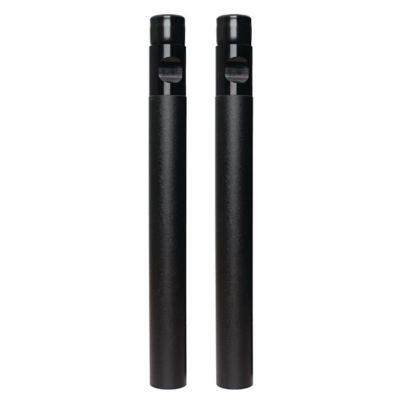
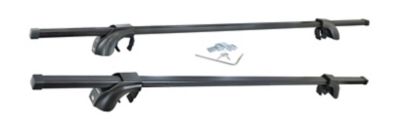
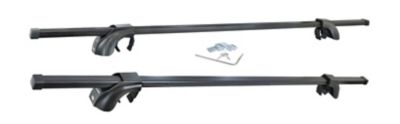
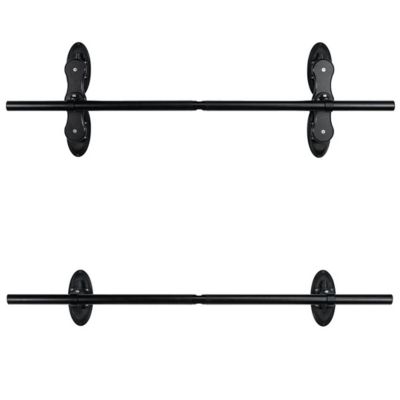
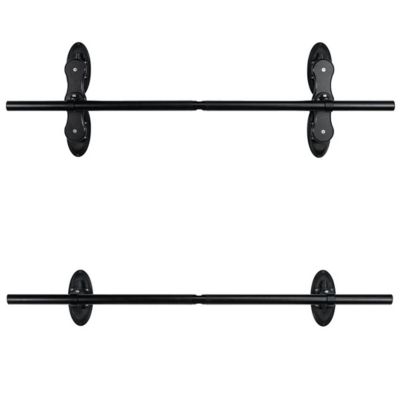
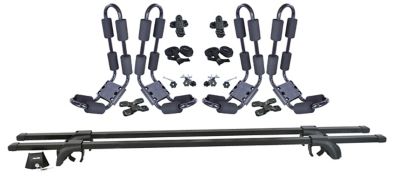
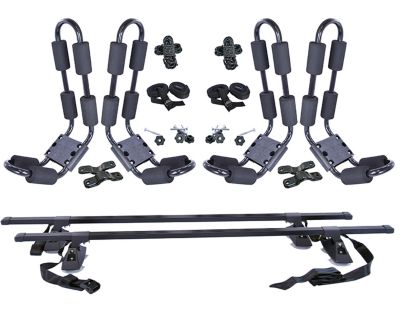
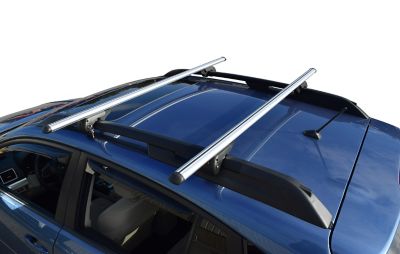
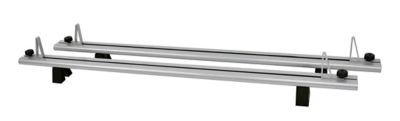
Roof rack cross bars are horizontal supports that attach across a vehicle’s roof to carry gear such as cargo boxes, bicycles, kayaks, and luggage. They form the foundation of a roof rack system, giving compatible carriers a solid place to mount while leaving more room inside for passengers, tools, and everyday supplies. For a family headed to the lake, a cyclist driving to a trailhead, or someone packing an SUV for a long road trip, that extra carrying space can make a crowded cab feel a whole lot less cramped. Cross bars connect to a vehicle through mounting hardware matched to its roof design. Raised side rails have open space underneath, while flush rails sit close against the roof. Other vehicles have designated mounting points or require a system that clamps around approved areas near the door openings. Those differences matter: bars that look about right may still have the wrong feet, mounting width, or attachment style. Vehicle year, make, model, and roof configuration all play a part in fit. Bar length matters, too, since there needs to be enough room for the intended carriers without excessive overhang at the sides. The distance between the front and rear bars, often called bar spread, must also work with the attachment points on the cargo carrier. Roof clearance deserves attention around sunroofs, antennas, and rear liftgates, especially when a long box extends toward the back of the vehicle. Weight ratings are another important distinction. Cross bars do not increase a vehicle’s rated roof capacity. For the vehicle’s roof limit, the total load includes the bars, mounting hardware, carriers, and cargo, and the lowest applicable rating governs the setup. A parked-load rating is not a substitute for the rating that applies while driving. Together, these fit and capacity details determine whether a rack suits a particular vehicle and the loads it is meant to carry.
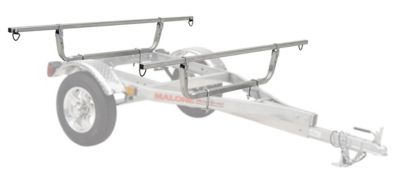
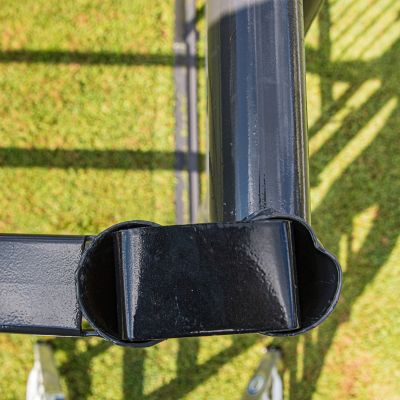
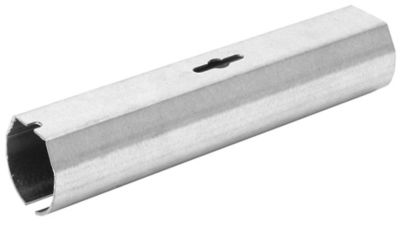
Materials and bar shape affect how a roof rack handles everyday hauling, from lifting the bars into place to fastening gear before leaving the driveway. Aluminum cross bars generally keep rack weight down, leaving more of the vehicle’s roof allowance for carriers and cargo. Steel construction brings strength and a solid feel, though its additional weight belongs in the load calculation. Protective finishes help shield metal surfaces from corrosion, while covered ends and properly seated hardware help keep the assembly complete. Square, round, and aerodynamic profiles each have their own attachment considerations. A broad, wing-shaped bar can help manage airflow and wind noise, but its shape and dimensions still need to match the carrier’s clamps. Bars with accessory channels may accept compatible sliding hardware, creating another mounting option without wrapping a clamp around the entire bar. Channel dimensions, fastener size, and any required adapters remain part of the fit. The gear itself shapes the setup just as much as the vehicle does. A kayak generally needs suitable cradles or supports, secure straps, and any bow and stern tie-downs specified for the boat and carrier. A bicycle needs a compatible bike mount rather than straps alone, and an enclosed cargo box needs enough clearance for its lid and mounting hardware. Carrying more than one type of gear means accounting for each attachment’s footprint across the bars, not just adding up the cargo weight. Even a wide rack can run out of usable space once clamps, handles, and loading clearance enter the picture. Balanced placement helps keep the load centered, and firm attachment points help limit movement over rough pavement. Locks can help discourage theft of rack components or compatible accessories, but they do not replace load straps or other required restraints. For someone who regularly hauls gear between the house, the farm, and a recreation spot, the best match is a system whose mounting details suit the actual load, not simply the largest bars that fit across the roof.
Everyday convenience often comes down to the small details that become noticeable after several loading trips. A manageable bar weight makes installation and removal less awkward, especially on a taller truck or SUV. Clear mounting locations, accessible fasteners, and covers that seat properly can make routine checks simpler. Rubber contact pads help protect approved mounting surfaces, but dirt trapped underneath can still rub against the finish, so clean contact areas matter. Cross bars and their mounting hardware need regular attention, particularly after installation, after loading, and at the intervals stated by the manufacturer. Loose fasteners, cracked covers, damaged pads, or shifting mounts call for attention before another trip. Tightening hardware to the specified torque matters more than simply pulling harder on a wrench; too much force can damage components or the vehicle’s mounting area. Mild soap, water, and a soft cloth generally suit routine cleaning, with the manufacturer’s care directions taking priority for coatings, locks, and moving parts. A thorough rinse and drying help keep grit from collecting around joints and channels. When the rack is off the vehicle, keeping bars supported and hardware together helps prevent bent parts and missing pieces. A labeled container for feet, keys, adapters, and fasteners saves a frustrating hunt when it is time to load up again. In a garage or outbuilding, a designated gear area keeps carriers from leaning against walkways, while
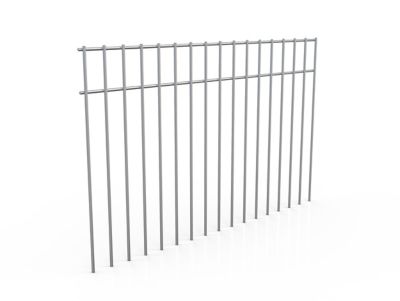
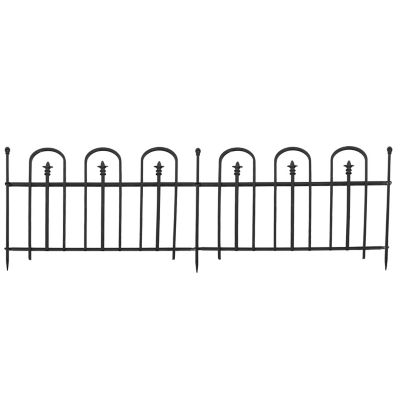
Steel Barriers can help separate equipment storage from foot traffic. Once gear goes overhead, the vehicle’s height changes, too. Garage doors, drive-through entrances, and low overhead structures need extra clearance, and a visible height reminder inside the cab can help prevent an expensive mistake. Removing an empty rack when the manufacturer allows can also reduce unnecessary wind noise and airflow resistance. With the right vehicle fit, compatible attachments, and routine care, cross bars give gear a proper place outside the cab while keeping the seating area open for the people making the trip.