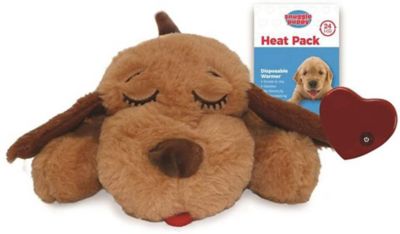
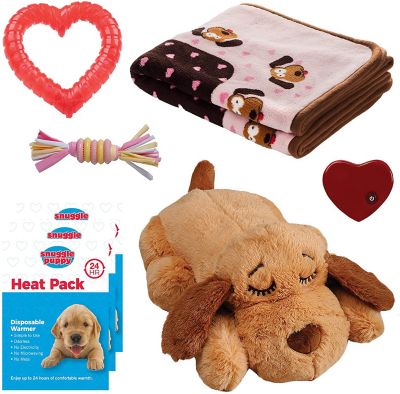
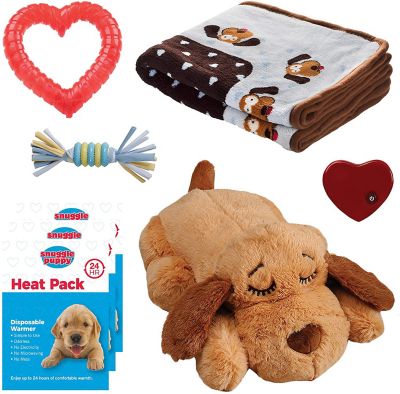
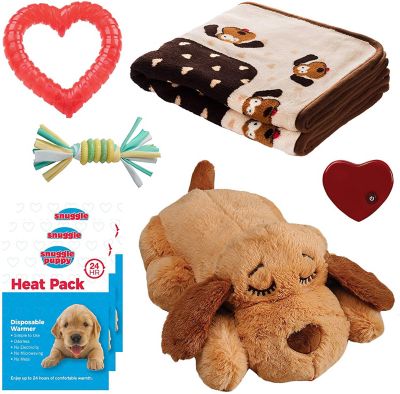
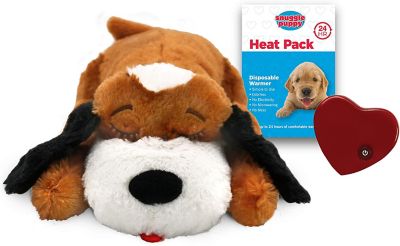
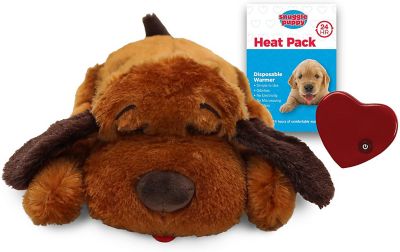
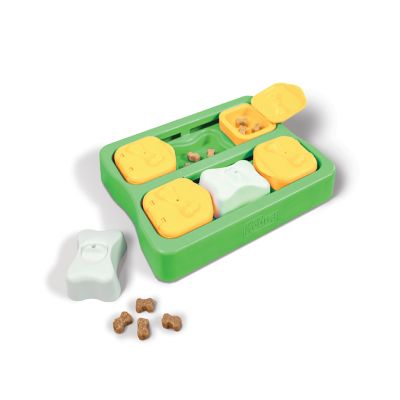
Crate training toys give dogs something welcome to focus on while they get comfortable with their own resting space. These toys can support a positive connection with the crate through chewing, licking, sniffing, or working a few pieces of food out of a puzzle. For a puppy settling into a new home, that might mean a small, food-stuffable toy during a short crate session with someone nearby. For an adult dog learning a different household routine, a familiar chew can help make the space feel less strange. The goal is a comfortable place to settle, not a pen full of distractions. Toys suited to crate time generally favor quiet, contained activity over chasing, tugging, or bouncing around. Hollow rubber shapes hold food for dogs that enjoy licking and nibbling, while textured chew toys offer a different outlet for dogs that prefer steady jaw work. Some crate enrichment toys attach to the enclosure, keeping the activity in one spot instead of letting it slide beneath bedding. Soft comfort toys may appeal to gentle dogs that carry or curl up beside fabric toys, though they are a poor match for dogs that pull seams apart or swallow stuffing. Each type serves a different purpose, and a dog's habits matter more than the toy's appearance. A young farm dog that spends its day nosing around the yard may enjoy a simple food challenge during a quiet break indoors, while a newly adopted companion may prefer something familiar and easy to engage with. Crate training toys can encourage settling, but they do not replace exercise, bathroom breaks, social contact, or a gradual introduction to confinement. They also cannot make every dog comfortable alone. Frantic scratching, repeated escape attempts, heavy drooling, or distress that continues despite a gentle introduction calls for help from a veterinarian or qualified behavior professional rather than a harder puzzle or a longer crate session.
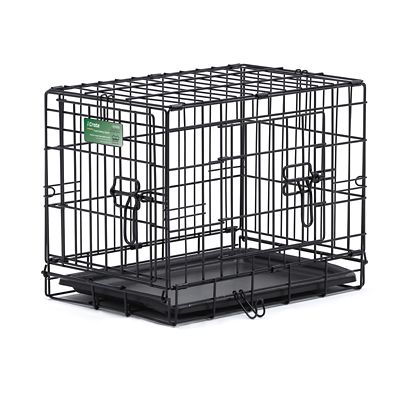
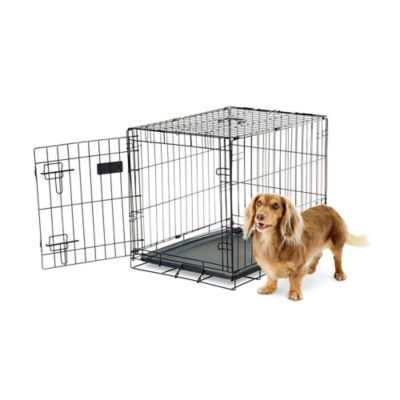
Materials, size, and chewing strength make a real difference when choosing dog crate toys. Rubber varies in firmness and flexibility, so the material name alone does not tell the whole story. A softer rubber shape may suit a puppy's developing mouth, while a more substantial design may better suit a stronger adult chewer when its age and weight recommendations match. No toy is indestructible, and even thick rubber needs regular checks for splits, missing chunks, and edges that have become easy to tear. Very hard chewing surfaces can damage teeth, making firmness worth considering alongside resistance to chewing. Fabric and plush bring softness, but seams, squeakers, stuffing, and loose threads create swallowing risks for dogs that dismantle their toys. Rope strands and small detachable parts need the same attention. Fit starts with the dog's mouth: a toy should be large enough that it cannot be swallowed whole, yet manageable enough for the dog to hold and engage with comfortably. Openings should match the intended food and follow the maker's sizing guidance, with no spots that could trap the lower jaw or catch a tooth. Crate fit matters, too. A broad puzzle that works on the kitchen floor may crowd a sleeping area, and an active rolling toy may keep bumping the sides instead of encouraging rest. The dog still needs room to stand, turn around, and stretch out without stepping over a pile of toys. For anyone also comparing enclosure styles, a
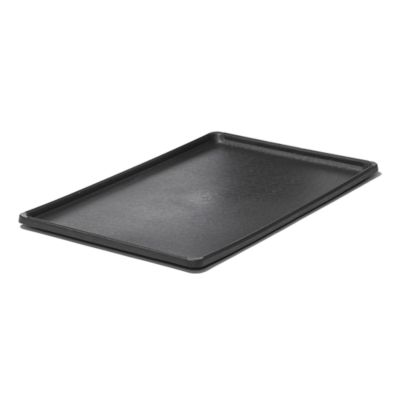
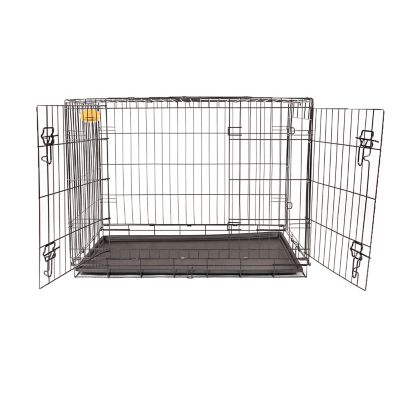
Modern Dog Crate can be considered alongside the space and attachment requirements of crate enrichment toys. Clip-on or mounted designs need a secure fit with the specified bar spacing or wall style; an attachment made for wire panels may not work with a solid-sided enclosure. Mounting hardware should remain out of chewing reach, and the setup should not interfere with the door, latch, or the dog's movement. A neat fit is helpful, but secure construction and enough resting room matter most.
Food-filled crate toys add another layer of choice, especially for dogs that find a small snack more interesting than an empty chew. Their value comes from giving the dog a manageable activity, not making food so difficult to reach that the session turns frustrating. An easy opening with a little of the dog's regular food can suit a beginner, while a dog already comfortable with enrichment may enjoy a shape that takes more patient licking and nosing. Any filling needs to suit the dog's age, dietary needs, and chewing habits, and treats count toward daily food intake. Peanut butter must be free of xylitol, a sweetener that is poisonous to dogs, and unfamiliar ingredients deserve a check with the veterinarian when allergies or digestive concerns are involved. Freezing a filling may extend the activity when the toy's care instructions allow it, but a frozen surface or dense filling will not suit every mouth. Ease of cleaning is just as practical as the filling itself. Wide openings and accessible grooves make it simpler to remove food residue, while narrow channels may need a small brush and extra rinsing. Dishwasher cleaning is appropriate only when the maker allows it, and washable fabric toys need thorough drying before going back into the crate. A toy left with damp food tucked inside can become unpleasant fast, especially when it rolls beneath a blanket and escapes notice. Watching the first several sessions helps reveal whether a dog settles with the toy, grows frustrated, or starts pulling pieces off. That observation also helps separate toys intended for supervised interaction from those the maker permits for independent activity; material alone is never a promise of safety. Cracked, torn, or incomplete toys belong out of reach rather than back in rotation. For a household welcoming a puppy or helping an adult dog settle in, a well-matched crate toy can also be a thoughtful gift when the recipient's size, diet, and habits are known. The most useful choice fits the dog, cleans up without a fuss, and supports the quiet routine that makes the crate a comfortable resting spot.