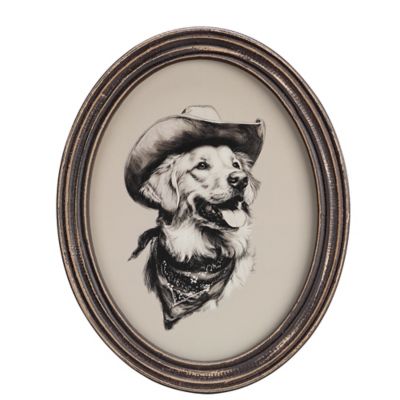
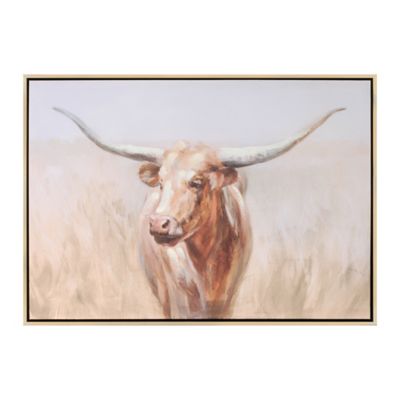
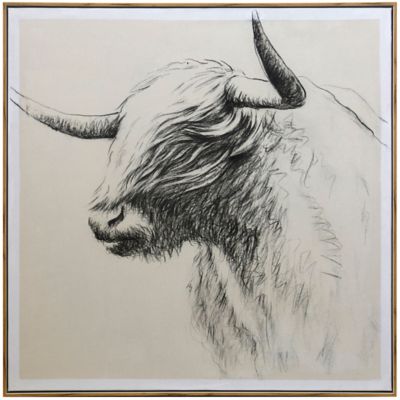
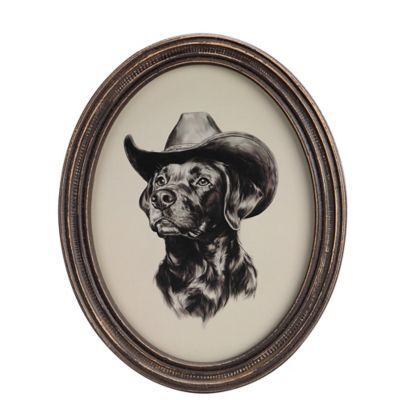
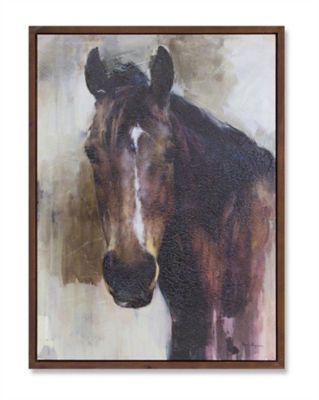
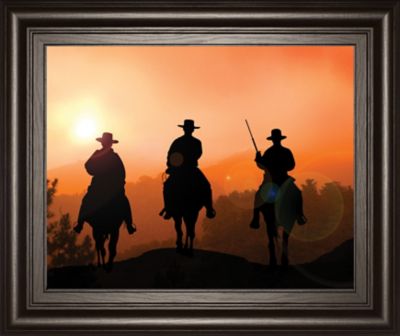
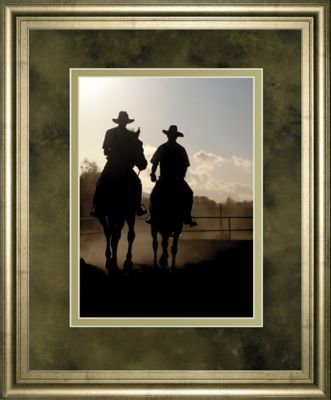
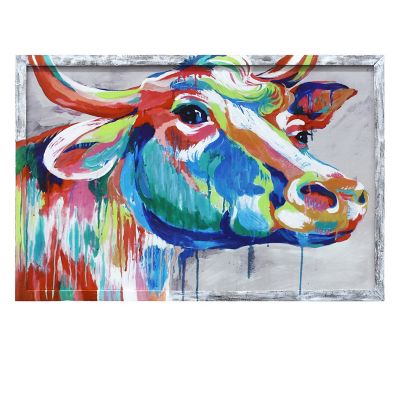
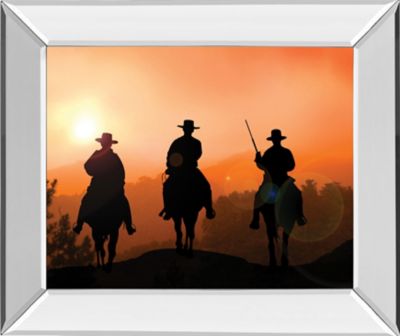
Cowboy wall art gifts bring ranch life, rodeo tradition, and wide-open country into a home through canvas prints, framed artwork, metal silhouettes, and Western photography. The subjects can be as bold as a bronc rider leaving the chute or as quiet as a saddled horse waiting beside a rail fence. Some pieces focus on the cowboy’s everyday tools: a hat resting on a saddle horn, boots beside a doorway, or a neatly coiled rope. Others put the landscape first, with cattle moving across open ground and riders following a distant fence line. That range makes cowboy artwork a thoughtful gift for more than rodeo fans. A ranching family, horse owner, trail rider, or someone who simply feels at home in the country may appreciate a piece that reflects a familiar way of life. The strongest connection often comes from the details. Someone who works cattle may prefer a believable ranch scene, while a rodeo follower might lean toward the movement and energy of an arena image. For a person with a favorite horse, an expressive equine portrait can carry more meaning than a broad landscape. Color and artistic style help set the mood, too. Black-and-white photography keeps the focus on shape, expression, and movement. Earth-toned artwork brings browns, tans, and muted reds into a room without demanding that every furnishing match. A painted scene can feel lively and expressive, while a simple rider silhouette offers a cleaner look. Cowboy wall art works well in living rooms, bedrooms, home offices, and entryways, giving the recipient something to enjoy in an everyday space. For a gift, an image that recalls a shared trail ride, a family ranch, or a first trip to the rodeo adds a personal connection without needing a name or message printed across it. It is the kind of present that can bring a good memory to mind every time someone passes it.
The material and construction of cowboy wall art affect its appearance, weight, and care needs. Canvas has a visible texture that suits broad landscapes and painterly scenes, and a wrapped canvas can offer a finished look without a separate outer frame. Printed paper behind glass or acrylic has a different feel, with the frame and mat helping define the image. Glass can add weight and reflect nearby windows, while acrylic is generally lighter but needs gentle cleaning to avoid scratches. Metal wall art brings crisp outlines and, in some designs, open spaces that let the wall color become part of the scene. Raised sections or spaced mounting points may cast shadows that change the piece’s appearance as room lighting changes. Wood panels and wood frames add grain and natural variation, making them an easy fit beside leather furniture, pine shelving, or a well-loved wooden bench. No single material suits every room, so the intended spot matters as much as the picture. A broad cattle-drive scene may sit comfortably above a sofa, while a narrow cowboy silhouette can fit a smaller stretch of wall beside a doorway. The listed dimensions should make clear whether they describe the image alone or the full framed piece. Measuring the open wall space helps keep a gift from overwhelming a small room or disappearing above a large piece of furniture. A paper outline in the same dimensions can make the scale easier to picture before anything goes on the wall. For artwork above a console or dresser, leaving some clear space around the edges gives the arrangement breathing room. Hanging hardware also deserves a look: the artwork’s weight, its mounting points, and the wall surface determine the right support. Heavy framed pieces need hardware rated for the load and secure attachment suited to the wall. A gift intended for a child’s bedroom calls for particular care with placement and mounting, keeping substantial pieces away from beds and active play areas. These practical details help a good-looking gift feel right at home rather than becoming a project the recipient has to sort out.
Cowboy wall art is generally intended for indoor display unless its labeling specifically allows another setting. A ranch office or enclosed mudroom may seem like a natural place for a Western scene, but moisture, strong sunlight, and nearby heat can affect prints, frames, and finishes. Direct light can fade some images over time, and a spot close to a stove, fireplace, or steamy bathroom may expose the piece to conditions it was not built to handle. Care should follow the maker’s directions, with a soft, dry cloth often serving for routine dusting of frames and other suitable surfaces. Cleaning liquid should not be sprayed directly onto framed art, since it can seep beneath the glazing and reach the paper or mat. Canvas surfaces need a light touch, and painted or printed metal should not be scrubbed with abrasive cleaners. A frame with sound corners, secure backing, and properly attached hanging points is worth considering when choosing a gift meant to stay on the wall for years. Beyond those practical points, the recipient’s taste is the best guide. A retirement gift for a longtime ranch hand might center on a working cowboy scene, while a housewarming present could echo the horse imagery or colors already in the home. Birthdays, anniversaries, and a young rider’s first major accomplishment are other occasions where a Western art gift can carry a story. Someone who favors bold belt buckles and bright accents may enjoy more color and movement; a person drawn to simple leather and plain denim may prefer a quieter composition. Their taste in
Cowboy Apparel can offer another clue to the Western style they enjoy. The best match does not have to fill the biggest wall or make the loudest statement. A familiar scene, the right proportions, and a finish that fits the room can give cowboy wall art a lasting place in someone’s home.