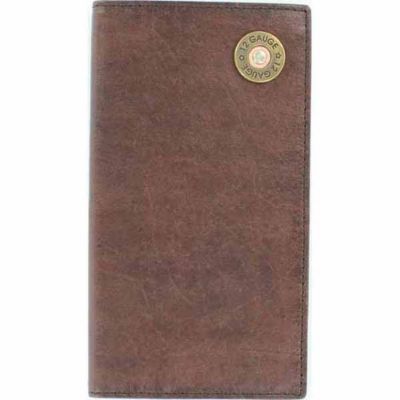
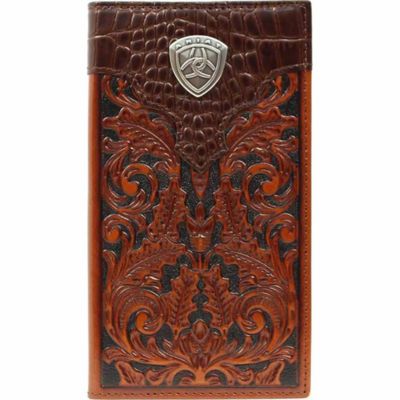
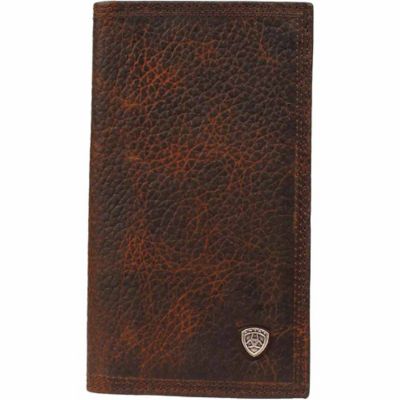
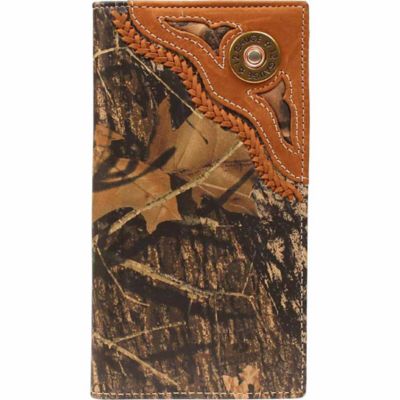
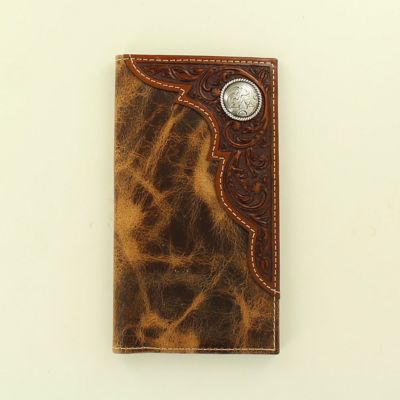
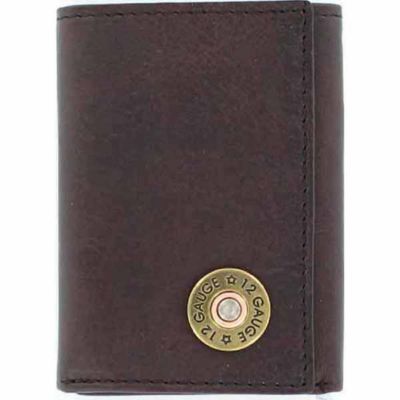
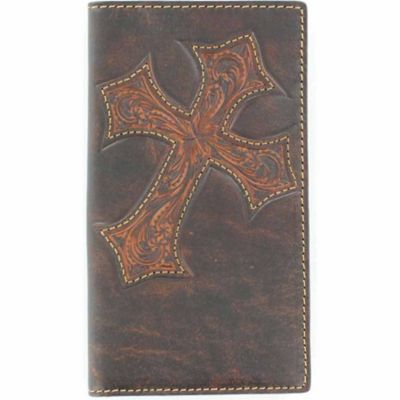
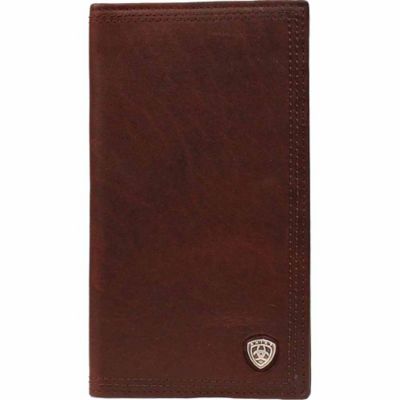
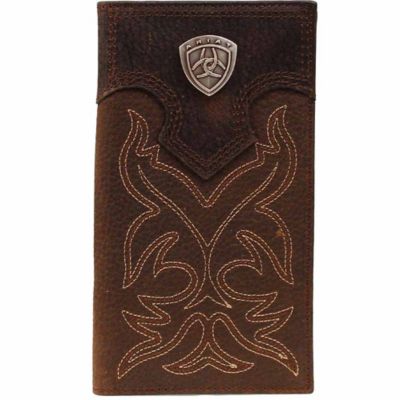
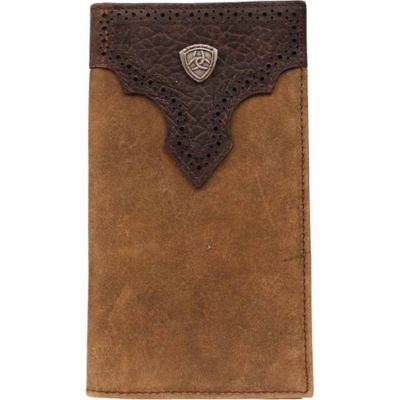
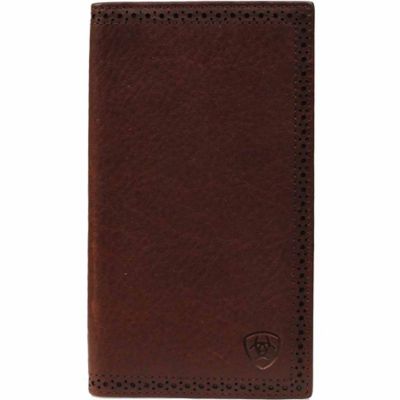
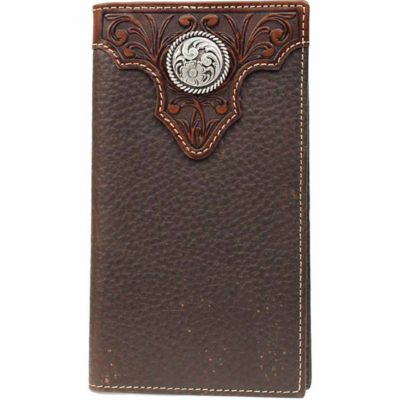
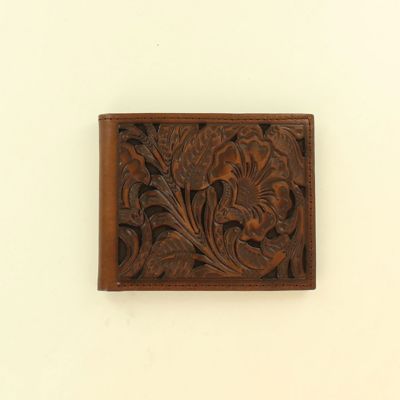
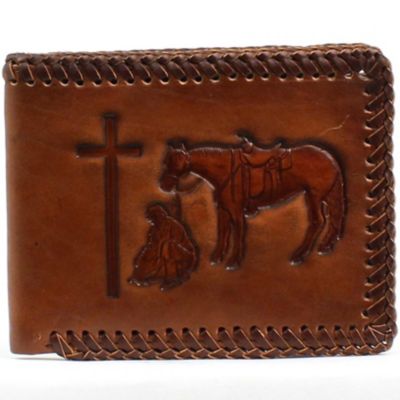
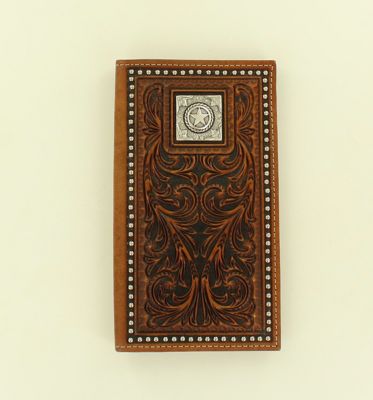
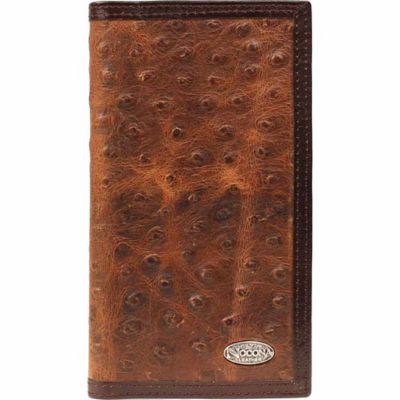
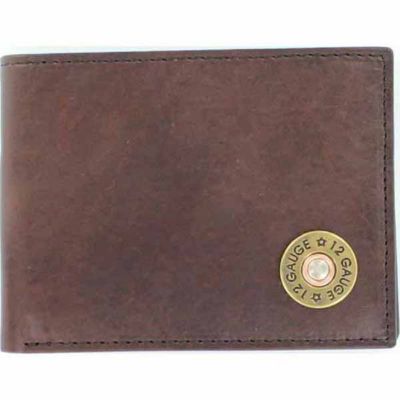
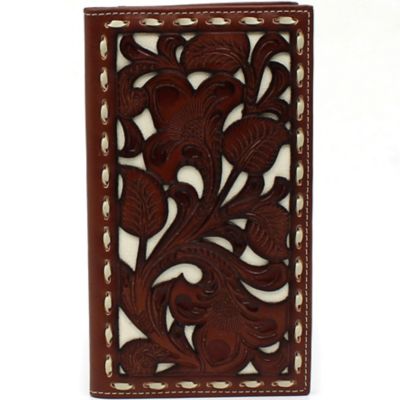
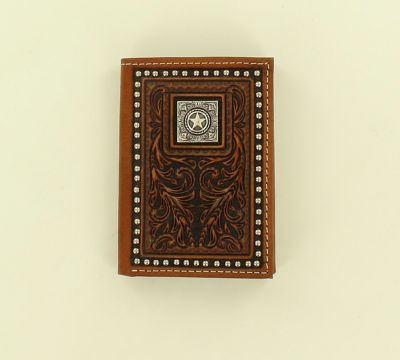
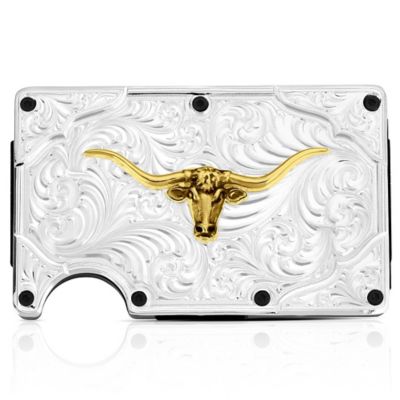
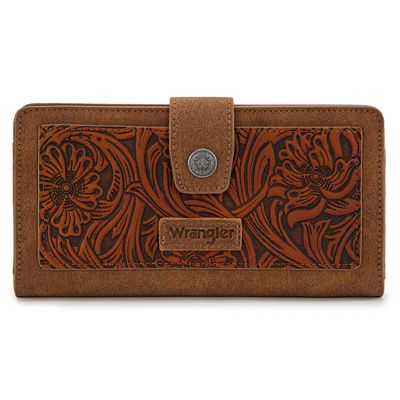
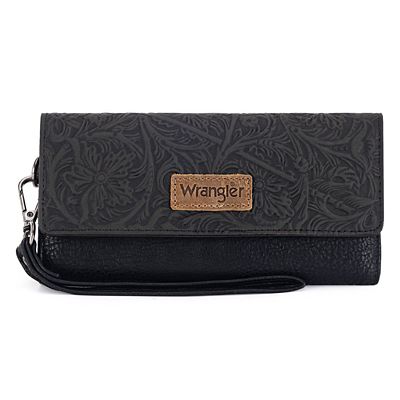
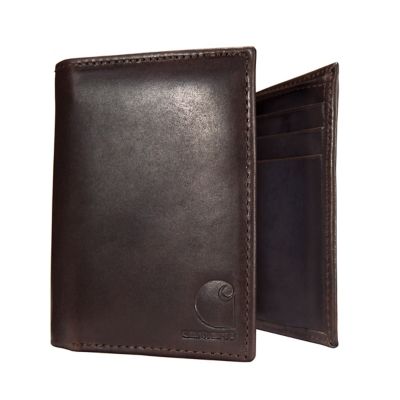
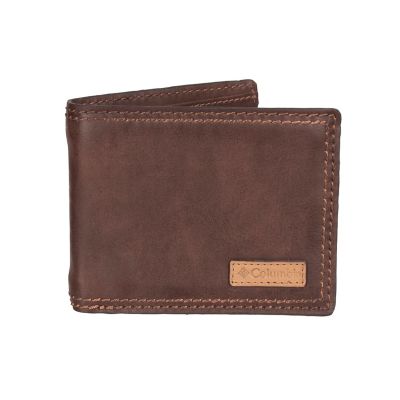
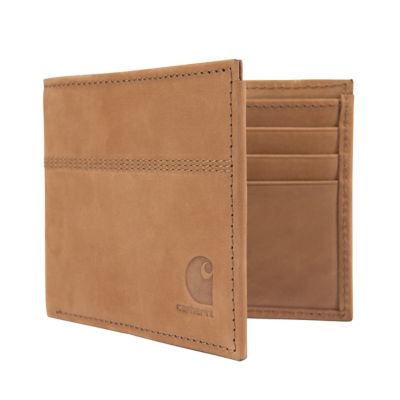
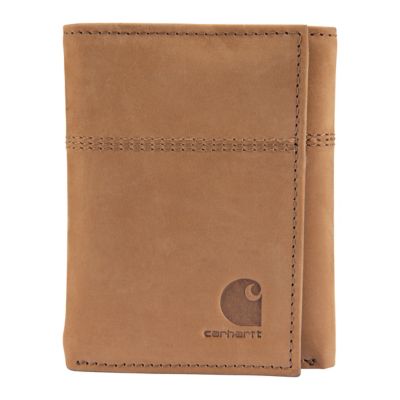
Western wallet gifts bring a bit of ranch and rodeo character to something that gets carried every day. Their appeal comes from the mix of practical storage and details that feel at home beside denim, boots, and a well-worn belt. Leather tooling, contrasting stitching, floral patterns, geometric designs, and metal conchos can all give a wallet its Western look, but the overall feel can range from understated to bold. A plain brown leather bifold may suit someone who likes simple gear, while a long wallet with detailed tooling makes more of a statement. Common materials include cowhide leather, bison leather, hair-on-hide panels, and synthetic materials, each with its own feel and care needs. Cowhide leather can have a smooth, pebbled, or patterned surface, depending on how it is finished. Bison leather often has a pronounced grain, though its softness and thickness vary with construction. Hair-on-hide brings natural markings and texture, so differences in color and pattern are part of its character. Full-grain leather retains the hide’s natural surface, while top-grain leather has had some surface treatment; either description tells only part of the story, since tanning, finish, stitching, and lining also affect everyday wear. A genuine leather label alone does not identify the grain type or explain how the wallet is built. Tooled leather has patterns worked into its surface, while embossed leather gets its pattern from a stamping process. Both can carry familiar Western motifs without needing large hardware or bright color. For a gift recipient who appreciates a quieter look, tonal stitching and a small accent can be enough. Someone who enjoys a statement belt buckle may lean toward stronger contrast or a prominent concho. Natural leather can soften and develop a patina with handling, giving the wallet a more broken-in appearance over time. That changing surface appeals to folks who like their everyday belongings to show a little character rather than stay perfectly uniform.
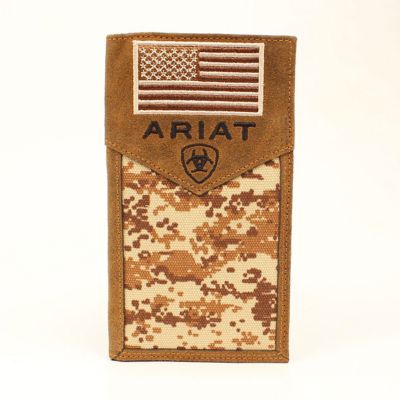
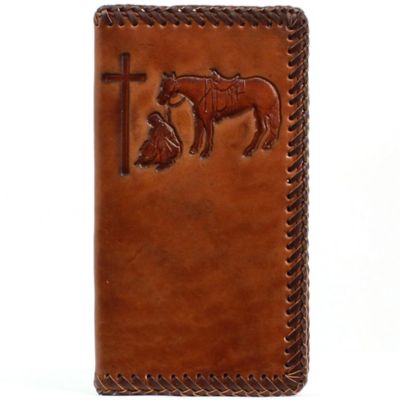
The shape of a Western wallet matters just as much as its appearance, especially when it will ride along through chores, errands, and long stretches behind the wheel. Bifold wallets fold once and generally offer a familiar balance of card storage and room for bills. Trifold wallets fold into three sections, which can create a smaller footprint but more thickness when filled. Long rodeo wallets, sometimes called checkbook-style wallets, provide a taller layout that can hold bills flat and may include space for receipts or a checkbook, depending on the design. They often extend above a back pocket, so the recipient’s comfort with that fit matters. A long wallet is not necessarily the best match for someone who wants everything tucked out of sight. Slim card holders work well for people who carry only a few cards, while zip-around wallets and wristlets can keep cards, cash, and coins together inside a closed compartment. Western wallets for men and women share many of these layouts; pocket size, preferred carry method, and daily habits are often more helpful than the label. A person who carries a bag may appreciate a larger wallet with separate sections, while someone working around gates and equipment may prefer less weight in a pocket. Card-slot count gives a starting point, but the arrangement matters, too. An easy-to-reach ID window, a separate bill section, and a coin pocket can make familiar tasks smoother without requiring a wallet packed with compartments. A phone compartment only helps when its measurements suit the recipient’s phone and case. Snap, zipper, and flap closures offer different access and containment, and raised hardware can add thickness. Finished edges, even stitching, secure fasteners, and a firmly attached lining are useful signs of careful construction. A wallet should close comfortably with its intended contents inside, without stretching the seams or forcing the closure. For someone who spends hours seated in a truck or tractor, a slimmer carry or a different pocket position may feel better than a thick back-pocket wallet.
A good Western wallet gift fits the person’s routine as naturally as their favorite belt. Someone replacing a wallet they have carried for years may appreciate a familiar fold and pocket layout more than extra features. A graduate setting out for work might get more everyday value from a compact design with straightforward card storage. A rancher, horse owner, rodeo fan, or anyone drawn to Western style can enjoy the look without needing the same size or finish. Birthdays, anniversaries, graduations, and thank-you gifts all give a wallet a place, since it combines a personal style choice with a practical purpose. Matching the leather tone or metal finish to accessories the recipient already carries can help the gift feel thoughtfully chosen. A wallet can also complement other
Western Gifts without needing an exact matching set. Care is part of keeping that gift looking good, particularly with textured leather, hair-on-hide, and metal accents. The maker’s care directions should take priority because different finishes respond differently to cleaning products. For many smooth leather wallets, a soft cloth handles loose dust, and a lightly damp cloth may help with surface dirt when the care instructions allow it. Leather conditioner should suit the finish and be tested in a small, hidden area first, since it can darken some leathers. Suede, hair-on-hide, and coated materials need their own approach rather than the same treatment applied across every surface. Soaking, harsh cleaners, and direct heat can damage leather or affect its shape. Letting a damp wallet dry naturally away from a heat source helps protect its construction. Keeping unnecessary receipts and extra cards out also reduces strain on folds, slots, and closures. With a comfortable shape, sensible storage, and a finish that suits its owner, a Western wallet can become the familiar piece they reach for before heading out the door.