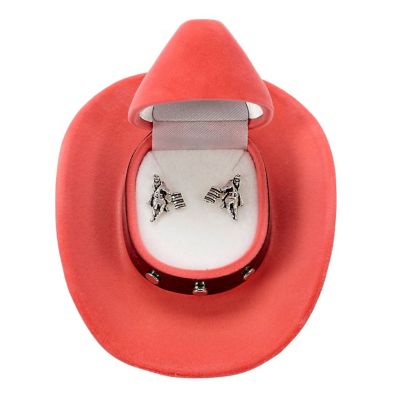
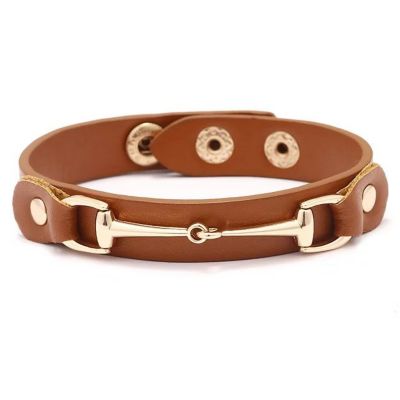
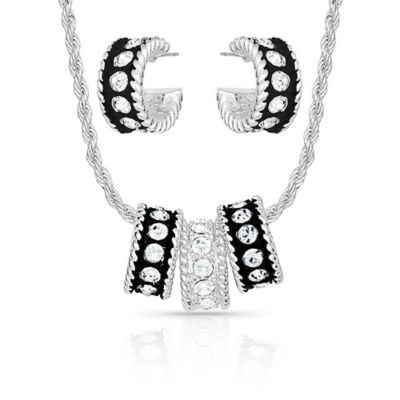
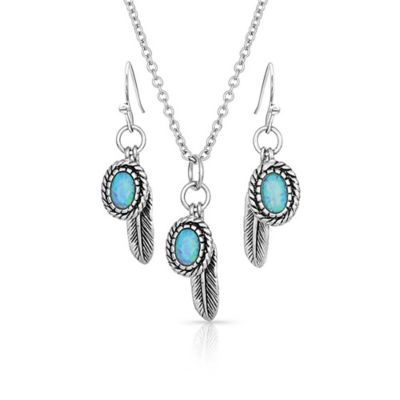
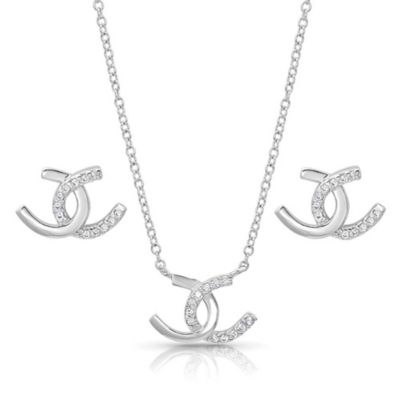
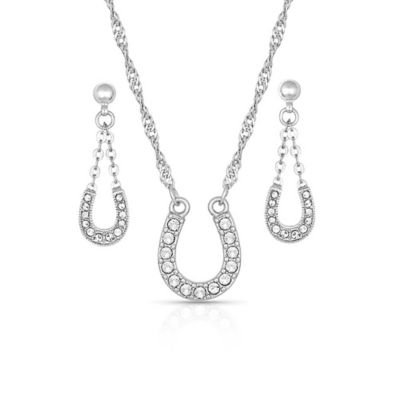
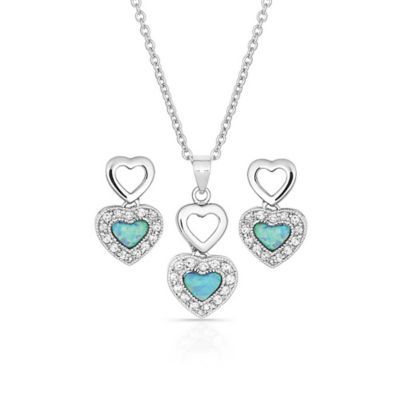
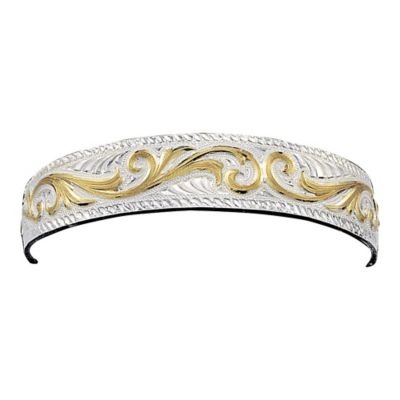
Western jewelry gift sets bring together coordinating accessories with details rooted in ranch life, rodeo traditions, and Southwestern style. A set often pairs a necklace with earrings, while some combinations include a bracelet or another matching piece. Horseshoes, longhorns, feathers, floral scrollwork, and engraved geometric patterns are familiar parts of the look, along with silver-tone finishes and turquoise-colored accents. The appeal is simple: the pieces already work together, so putting together an outfit takes less fuss. A pendant and matching earrings can add a little shine to a pearl-snap shirt and jeans, dress up a plain blouse for dinner, or finish an outfit for a country wedding. Not every Western look needs a big statement, either. Small studs and a modest pendant offer a quieter nod to cowgirl style, while longer earrings and larger stones draw more attention. Scale makes a difference when choosing a gift, especially for someone who has a clear preference for light, simple jewelry or bold accessories. A person who wears a large belt buckle may appreciate jewelry that echoes its finish without competing for attention. Someone who favors a favorite pair of silver earrings might enjoy a coordinating necklace that fits naturally into that routine. Birthdays, anniversaries, graduations, and thank-you gifts are all fitting occasions for a coordinated set, whether the recipient is a partner, mom, sister, friend, or someone celebrating a milestone. The best starting point is the jewelry that person already reaches for: warm or cool metal tones, short or long necklaces, and subtle or eye-catching shapes. A set can be worn all together for a dressed-up occasion, but its pieces can also stand on their own. That flexibility matters for someone who wants earrings for everyday wear and a matching necklace to bring out for a dance, a family gathering, or a night at the rodeo.
Materials tell an important part of the story behind a Western jewelry gift set, and similar-looking finishes can have very different compositions. Sterling silver contains 92.5 percent silver, with other metals making up the balance; silver plating is a layer of silver over a different base metal. A silver-tone description refers to appearance and does not, by itself, establish silver content. The same distinction matters with gold-tone and rose-gold-tone finishes, which describe color unless the material information says otherwise. Turquoise-colored accents deserve a closer look, too. They may be natural turquoise, treated turquoise, glass, resin, or another material, so a blue-green color alone does not identify the stone. Natural turquoise can vary in shade and matrix, the darker markings running through the stone, while simulated accents can offer a more uniform appearance across a necklace and earrings. Neither look has to suit everybody; the recipient’s taste matters more than matching a particular picture of Western style. For someone with metal sensitivities, details about earring posts, hooks, and base metals are especially important. A finish color is not enough to judge whether a piece will be comfortable against sensitive skin. Fit deserves just as much attention as the design. Necklace length affects where a pendant rests, and the pendant’s size and weight can change how the chain hangs. A shorter necklace may sit neatly above an open shirt collar, while a longer chain can show over a simple top. An extender offers some room to adjust placement, though it does not make every necklace suitable for every neckline. Earrings should match the recipient’s piercing needs and preference for weight and movement. Lightweight studs feel different from long drops that swing with each step. Bracelets need enough room for comfortable wrist movement without sliding excessively over the hand, and adjustable designs still have a size range. Clasp style matters for anyone who finds small fasteners difficult to manage. These practical details help make a gift something the recipient will actually enjoy wearing, rather than something that stays tucked away.
Thoughtful care helps Western jewelry keep its finish and keeps stones, settings, and fasteners in better shape over time. Care should follow the material information supplied with the jewelry, since a cleaning method suited to solid sterling silver may not suit a plated finish or a porous stone. A soft, dry cloth is a sensible starting point for removing light surface residue after wear. Abrasive cleaners and vigorous rubbing can wear through plating, while soaking can affect certain stones, adhesives, or finishes. Turquoise needs particular care around oils, perfume, and cleaning chemicals. Putting jewelry on after lotion, hairspray, and fragrance helps limit contact with residue, and taking it off before swimming or bathing reduces exposure to water and chemicals. Separate storage keeps chains from tangling and limits scratches where earrings, pendants, and bracelets rub against each other. Fastening a necklace before laying it in a pouch or jewelry compartment can make it easier to pick up the next time. An occasional look at clasps, earring backs, and stone settings can catch a loose part before it goes missing. Intended use matters on the ranch, too: dangling earrings, loose bracelets, and necklaces are better set aside before working around moving machinery or doing chores where jewelry could snag. A matching set can still be a favorite for the feed-store stop, church, supper out, or a special gathering without needing to go along for every task. For a gift with a broader Western feel,
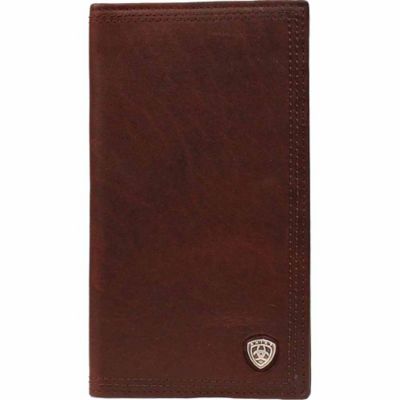
Western Wallet Gifts offers a related direction for someone who enjoys carrying that style beyond jewelry. Keeping the recipient’s habits in mind ties the whole choice together. A comfortable fit, a favorite motif, and care that suits the materials can make a coordinated set feel right at home with the clothes and accessories they already love.