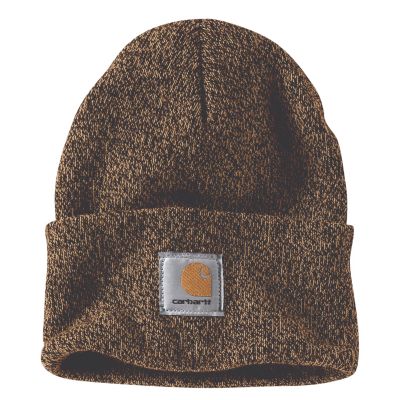
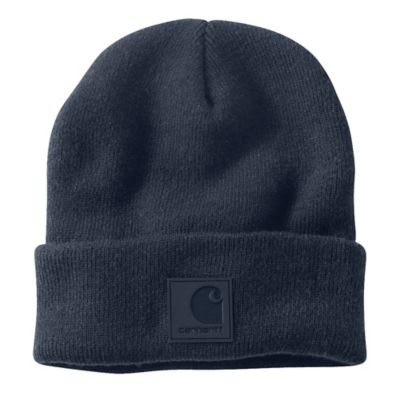
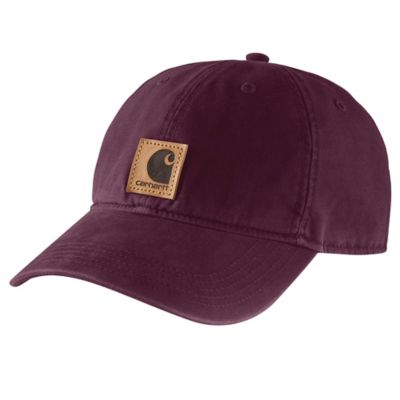
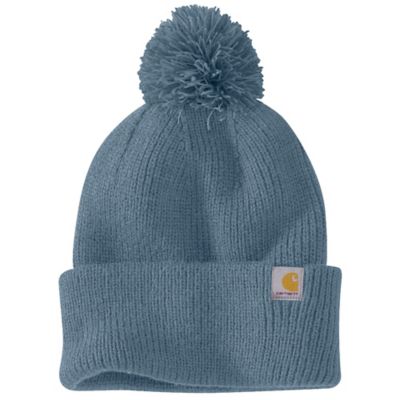
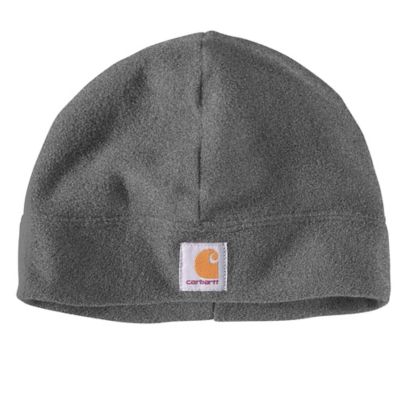
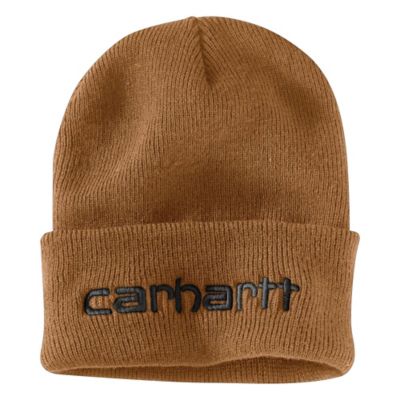
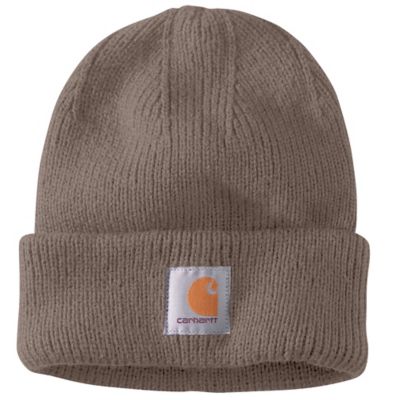
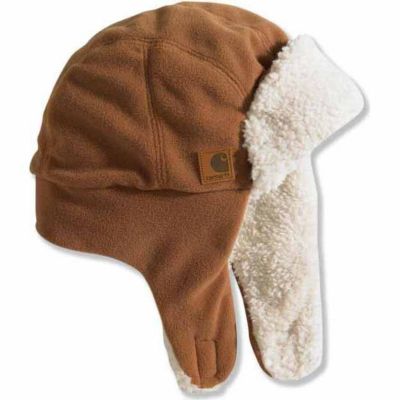
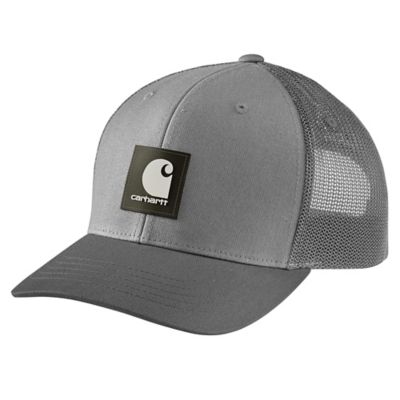
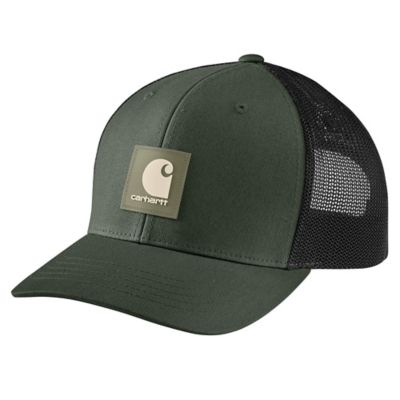
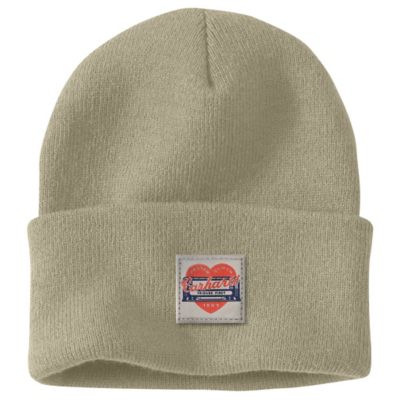
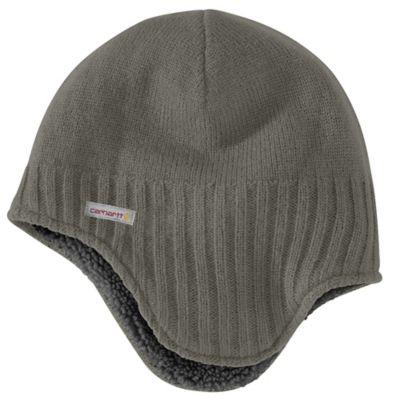
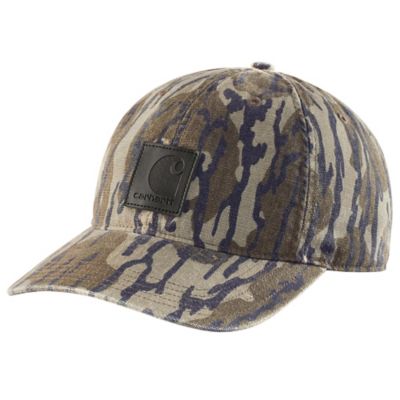
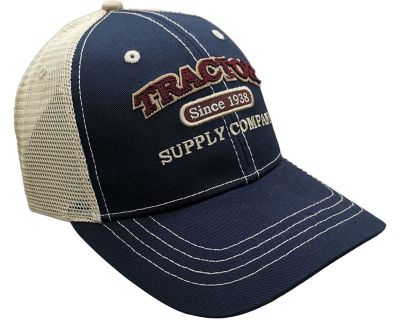
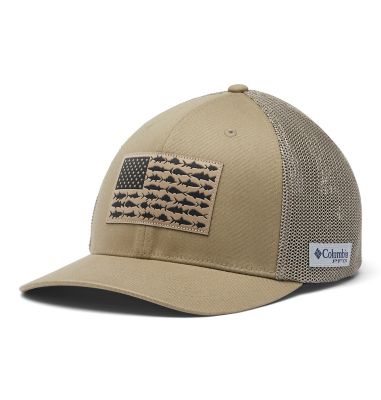
A work hat earns its place beside the door by being easy to grab, comfortable to wear and suited to the way the day unfolds. It might go along for feeding chores, a trip to the feed store, an afternoon checking fence or a few hours getting the garage back in order. The shape makes a difference in how it feels through all those stops. A billed cap gives the face a little coverage and keeps the front of the hat out of the way, while a knit cap offers a close-fitting shape without a brim. Crown depth matters, too: a shallow profile sits closer to the top of the head, while a deeper crown leaves more room. Neither is the right choice for everybody, especially when hair length and personal preference come into play. An adjustable closure can help fine-tune the fit, though the closure style affects how the back of the cap feels against the head or a seat’s headrest. A fitted or stretch style has a different feel, with less hardware and more emphasis on getting the size right. A comfortable hat should stay put without leaving a tight band across the forehead or pressing against the ears. For anyone who wears glasses, the relationship between the brim, crown and frames is worth considering so everything sits comfortably together. The same goes for hearing protection worn during equipment work; a hat should never interfere with the fit or function of protective gear. Appearance has its place alongside comfort. A low-key color can fit easily into an everyday work wardrobe, while a brighter shade makes a stronger statement. A stitched patch or embroidered mark adds another detail without changing the basic job of the hat. From a snug knit shape to a cap with a more defined front panel, the best match is often the one that feels natural enough to leave on after the chores are finished.
Fabric and construction help explain why two hats with a similar shape can feel quite different. Cotton twill has a familiar cloth feel, while canvas can bring a firmer hand and a more substantial structure. Polyester blends may offer a lighter feel or different drying characteristics, depending on the fabric and finish. Mesh panels allow airflow through part of the crown, and solid panels provide continuous coverage. Knit hats may contain acrylic, wool or blended fibers, each with its own texture, stretch and care needs. For someone sensitive to certain fibers, the material that touches the forehead deserves particular attention. A ribbed knit can stretch around the head, but the amount of stretch and recovery varies with the fiber blend and construction. On a billed cap, a structured front tends to hold its shape, while an unstructured crown settles more closely against the head. The sweatband, seams and closure are small details that can make a noticeable difference after several hours of wear. Flat, neatly finished seams are less likely to create distracting pressure points, and a closure that stays where it is set means less stopping to readjust. Work around gates, truck doors and equipment also puts everyday wear on a hat, so secure stitching and firmly attached trim are worth a look. No fabric is beyond wear, and a hat that spends its days around dust, feed and shop grime will need attention along the way. Care starts with the sewn-in label rather than a one-method-fits-all approach. Some hats call for spot cleaning, while others permit washing under specific conditions. Brim inserts, patches and shaped front panels can limit how a cap should be cleaned. Harsh scrubbing, bleach or high dryer heat can affect color, shape or trim, so those methods should never be assumed safe. Letting a hat dry fully before putting it away also helps keep the inside fresh for its next outing.
The right hat fits a person’s routine as much as their head. Someone climbing in and out of a truck all day may prefer a lower crown that clears the cab comfortably, while someone bending over garden beds may want a fit that stays settled without constant adjustment. For barn chores and other dusty work, an easy-care fabric can matter more than extra trim. For running errands after a day on the property, a simple shape and a color that works with jeans, work pants and everyday shirts can make one hat useful across several parts of the day. A hat can also finish an easygoing outfit with a
Carhartt Logo T-shirt, without needing much thought beyond a comfortable fit. When choosing a gift, paying attention to what the person already wears is often more helpful than guessing at a completely different style. Notice whether they reach for a curved brim, a flatter profile, a close-fitting knit or a cap with room through the crown. Their usual colors and preference for a small patch or more noticeable lettering can help narrow the choice. Adjustable sizing can offer some flexibility, but it still helps to check the stated size range rather than assume every cap fits every head. For knit styles, consider whether the wearer likes a folded cuff and a snug shape or a little extra room at the top. Long-term satisfaction also comes from treating the hat according to its construction. Hanging a dry cap where it will not get crushed helps preserve its shape, while keeping hook-and-loop closures away from knits can prevent snags. A hat should be removed whenever it could catch on machinery, and it is not a replacement for a hard hat or other required protective equipment. With the fit, fabric and care needs sorted out, it can settle into the everyday rhythm of chores, errands and time off.