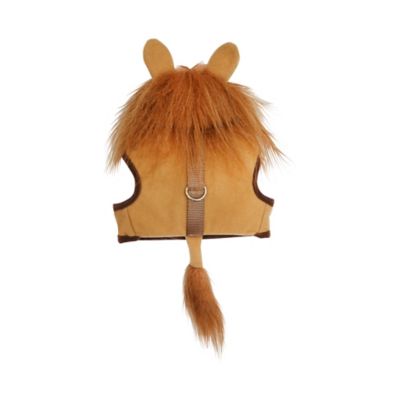
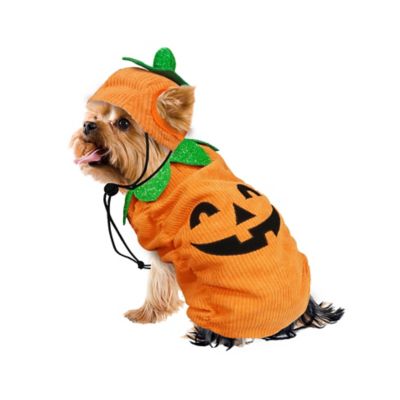
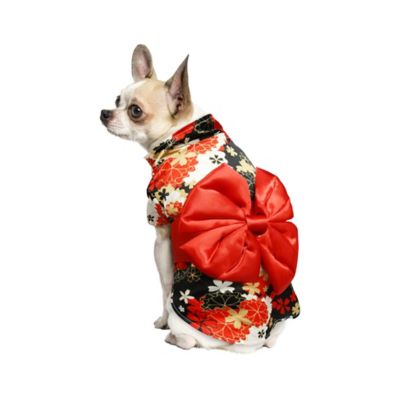
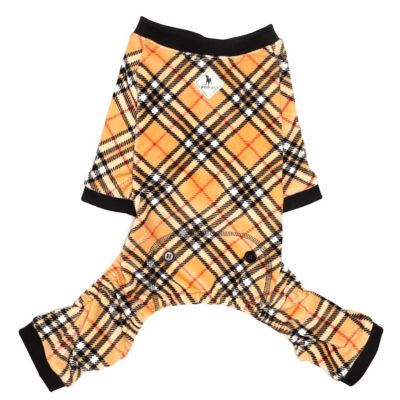
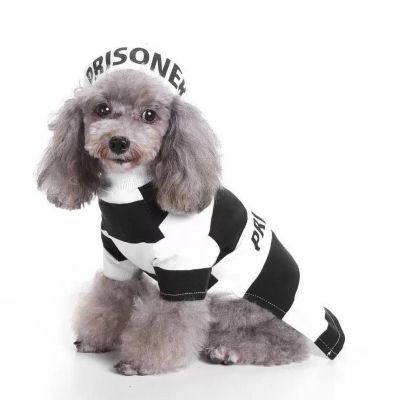
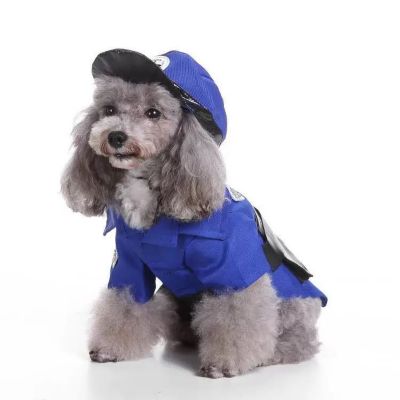
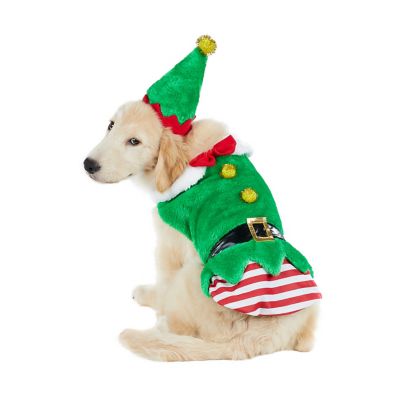
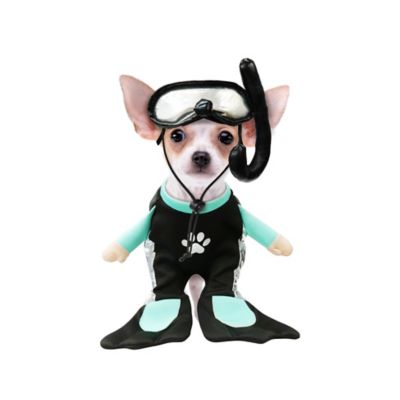
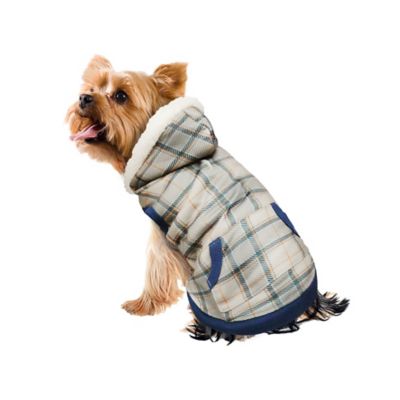
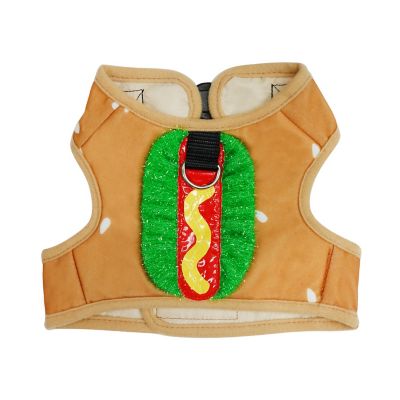
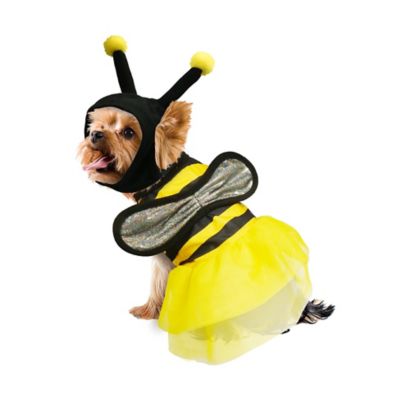
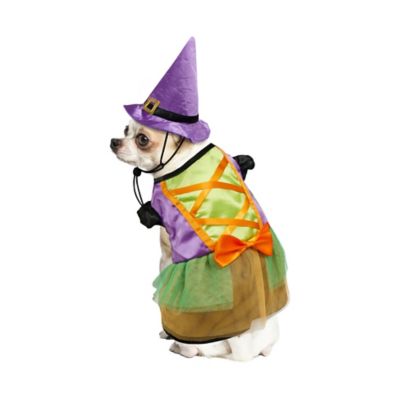
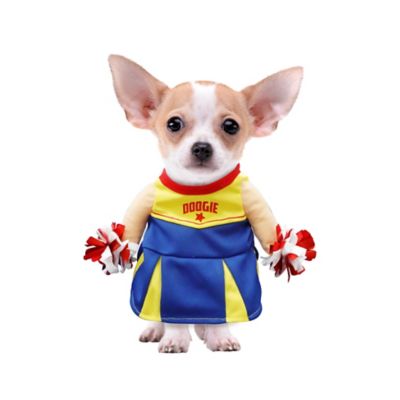
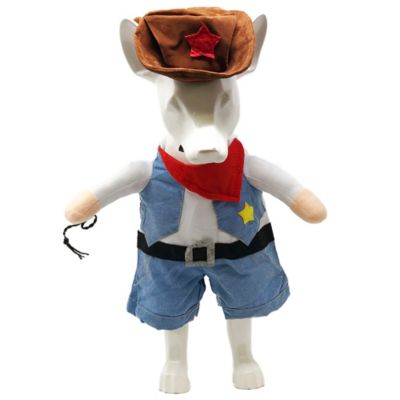
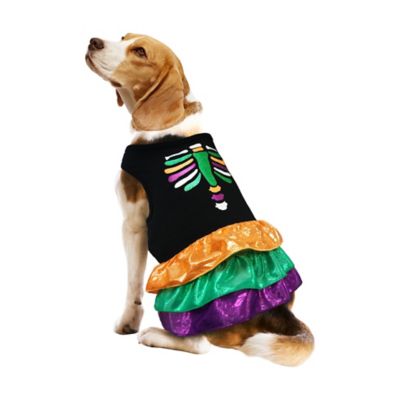
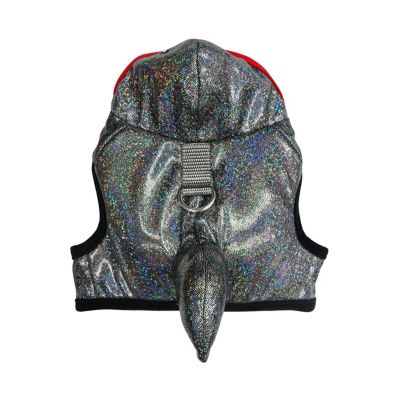
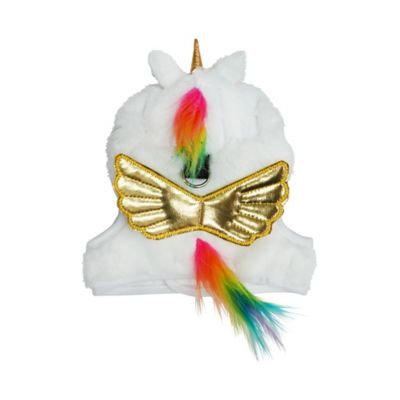
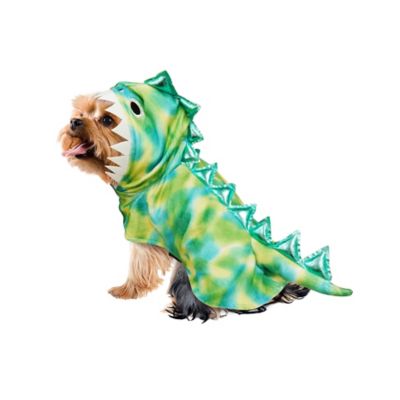
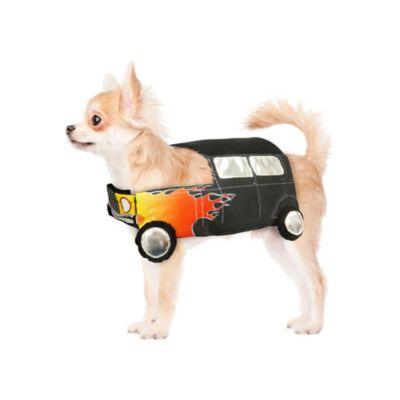
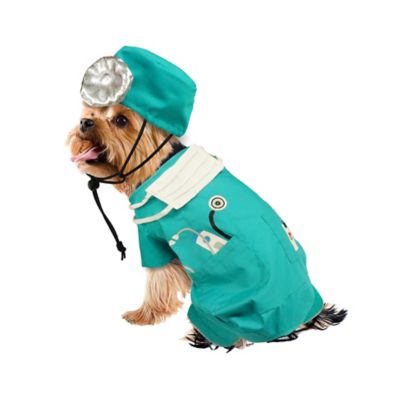
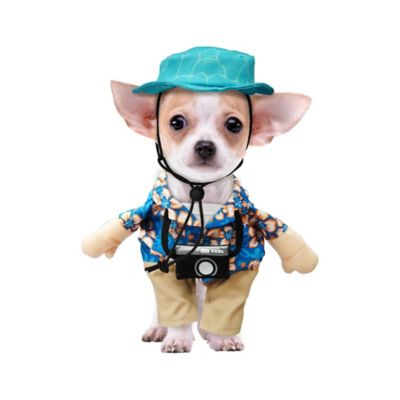
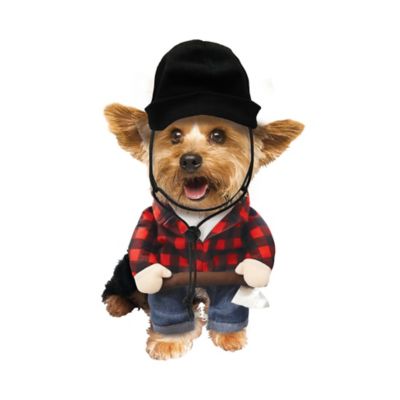
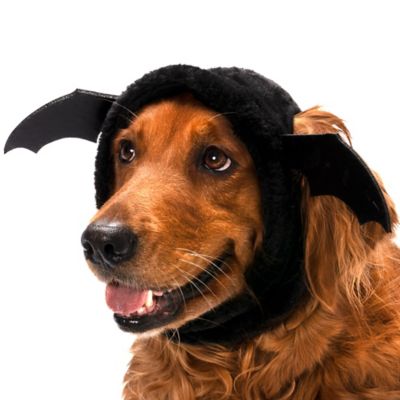
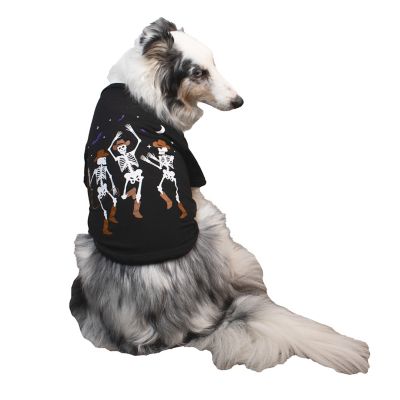
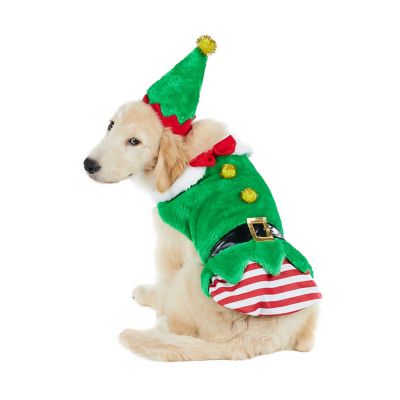
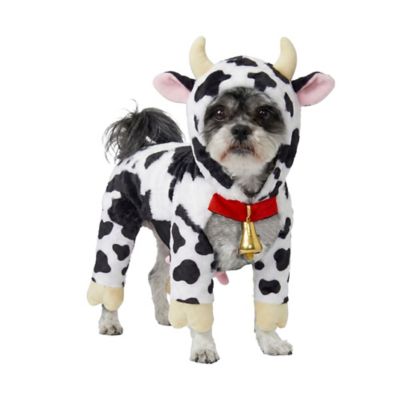
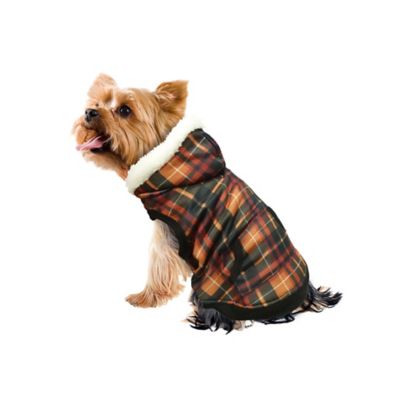
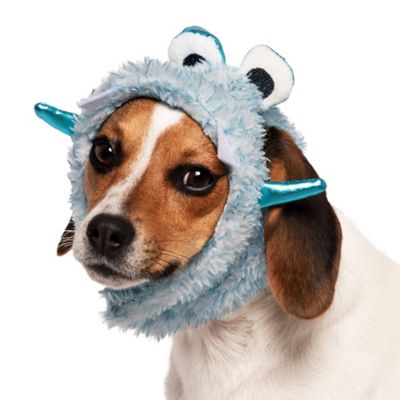
Small pet costumes bring a little extra fun to Halloween gatherings, birthday pictures, family get-togethers, and those ordinary afternoons when a quick photo of a much-loved animal turns into a keepsake. The selection may include lightweight hats, hoodies, bandanas, mini shirts, and simple themed outfits for guinea pigs, rabbits, hamsters, ferrets, and other small companions, along with sizes that may suit toy dog breeds. Some pets are happy to wear a costume for a short photo session, while others would rather keep their coat au naturel and show off their personality without much fuss. Either way, the best choice is one that feels soft, light, and easy to put on. Look for smooth materials, secure hook-and-loop fasteners, and designs with room around the neck, chest, legs, and belly. Avoid anything that drags on the ground, covers the eyes, presses against the throat, or makes it hard for a pet to walk, hop, breathe, hear, eat, or use the bathroom. During the warmer part of the year, airy fabrics and minimal coverage can help prevent overheating; as cooler weather settles in, a little extra fabric may be comfortable for some animals, but a costume should never be used as a substitute for proper shelter, bedding, or a pet-safe source of warmth. A small costume can also make a thoughtful gift for a child who enjoys caring for a guinea pig or rabbit, a pet parent planning a themed family photo, or a friend who likes including every member of the household in seasonal celebrations. For more ideas suited to fall festivities, browse
Pet Halloween Outfits.
Getting the right fit starts with measuring before adding an item to the cart. Use a soft measuring tape, or a strip of paper that can be measured afterward, to check the pet’s neck girth and chest girth at the widest part of the rib cage. For longer styles, measure from the base of the neck to the back, stopping well before the tail. Keep the tape comfortably snug rather than tight, and compare those measurements with the sizing information for each item, since a “small” costume can fit very differently from one style to the next. Rabbits and guinea pigs have rounded bodies and delicate legs, while hamsters and similar pocket pets need designs made with their smaller proportions in mind. Toy dog breeds may need a different cut altogether, especially around the chest and shoulders. A costume with a simple underside closure is often easier to adjust than one that must be pulled over the head, and broad, smooth fasteners are generally more comfortable than narrow elastic that can pinch fur or skin. Check for loose threads, dangling ties, bells, buttons, plastic decorations, and other small pieces before use. Small animals are naturally curious and may chew at anything unusual, which creates a risk of swallowing fabric or hard parts. A costume should never include a cord that can catch on a cage, crate, branch, furniture, or fencing. Give the item a gentle inspection each time it is worn, especially after washing or storage. If the costume has a strong odor, rough seams, or stiff embellishments, it may not be a good match for a sensitive pet. Clean the outfit according to its care instructions and let it dry completely before putting it back on an animal.
Introduce Small Pet Costumes slowly and in a familiar, quiet place. Let the pet sniff the costume first, then place it nearby during feeding or relaxed play so it becomes part of the surroundings instead of a surprise. When the pet appears calm, try the costume for only a few minutes, staying close and watching body language from start to finish. Signs of discomfort may include freezing, repeated backing up, pawing at the garment, flattening the ears, hiding, rapid breathing, excessive grooming, trying to chew the fabric, or struggling to escape. Remove the costume right away if any of those behaviors appear, and never leave a dressed pet unattended in a cage, hutch, pen, carrier, or yard. Even an easygoing animal can become tangled or overheated in a short time. Keep the first photo session simple, with a familiar blanket, a safe surface, and treats appropriate for that species. For rabbits and guinea pigs, avoid placing them on high tables or slippery furniture; for hamsters and other tiny pets, a secure enclosure or low, enclosed setting is safer than an open floor. Costumes are best saved for brief, supervised moments rather than all-day wear. With the right fit, soft construction, and a patient approach, a tiny hat or themed outfit can add charm to a fall celebration without getting in the way of the animal’s comfort. Whether the goal is a Halloween snapshot, a birthday memory, or a cheerful gift for a fellow pet lover, choose a style that lets the pet move naturally and enjoy the attention on their own terms.