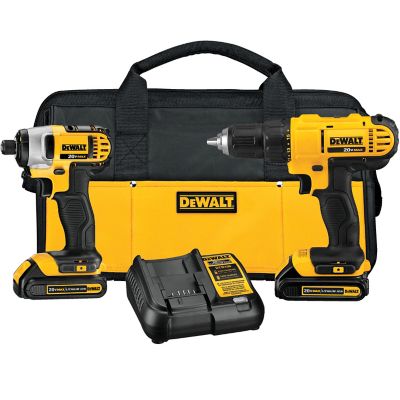
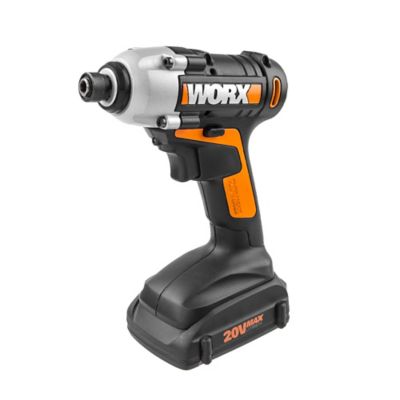
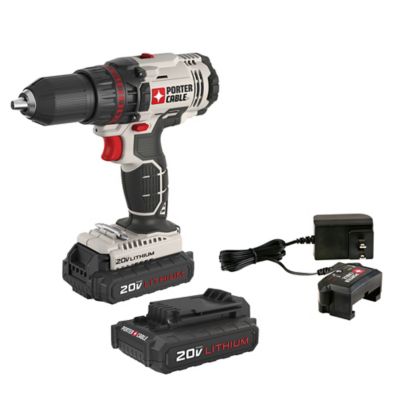
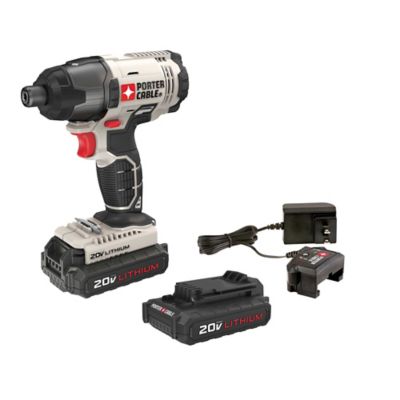
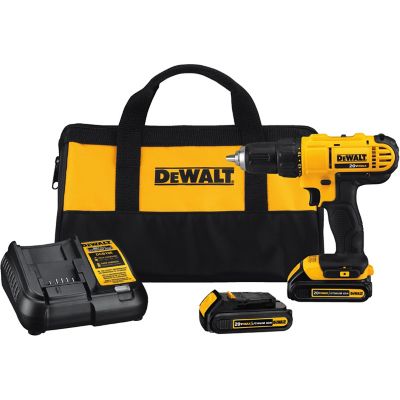
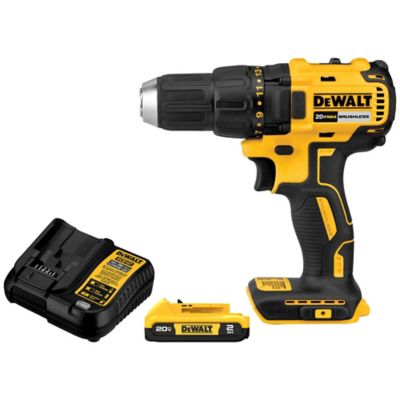
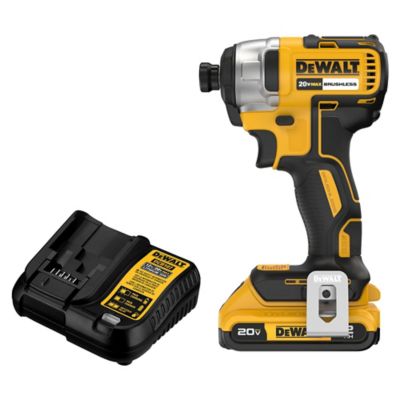
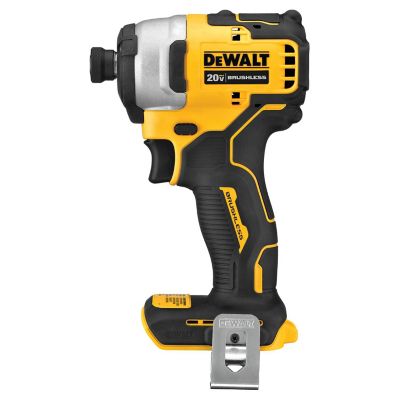
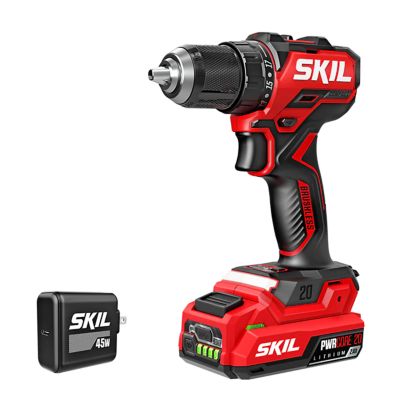
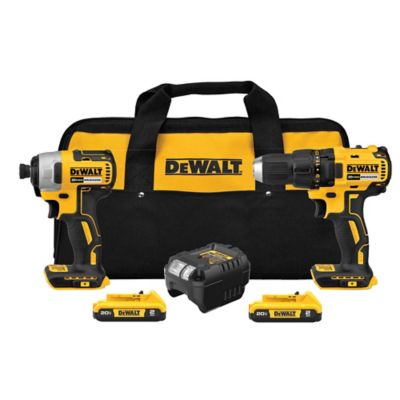
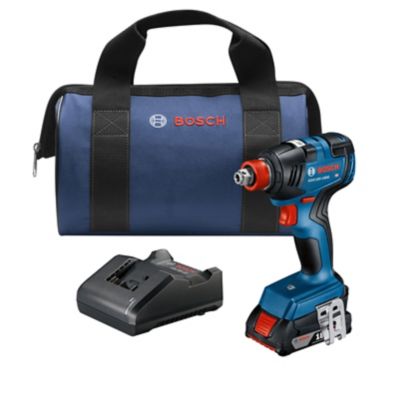
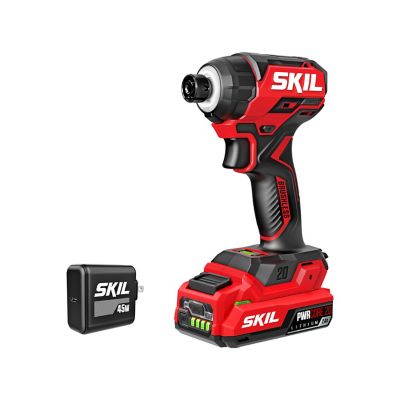
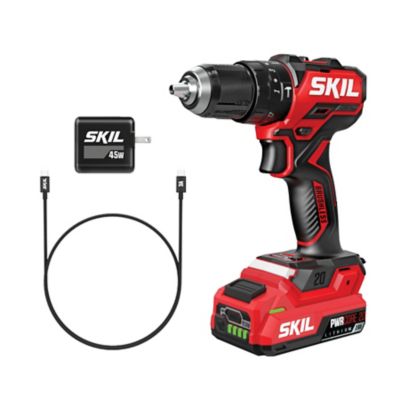
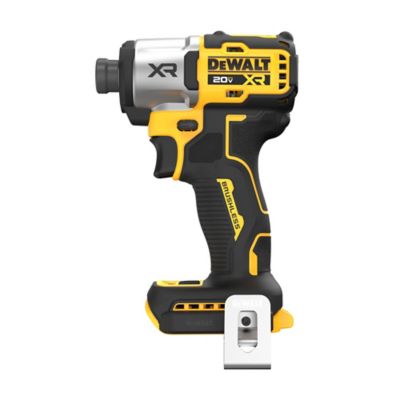
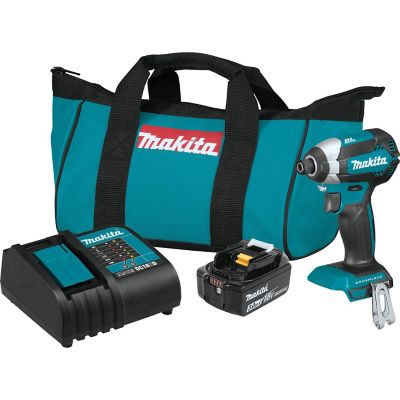
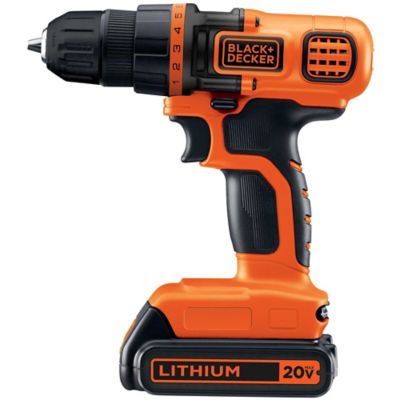
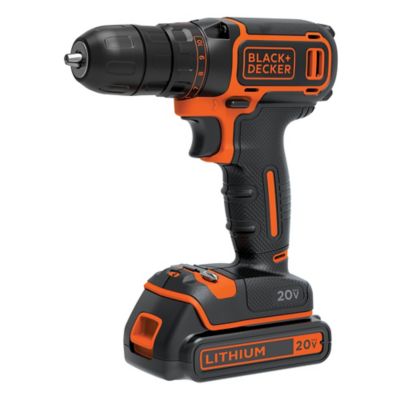
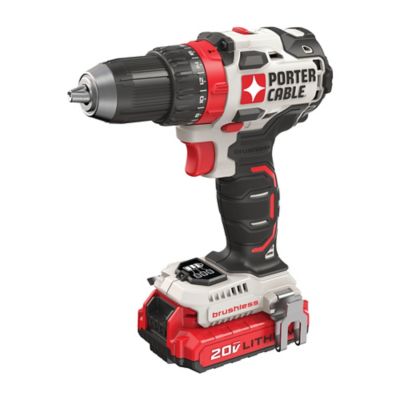
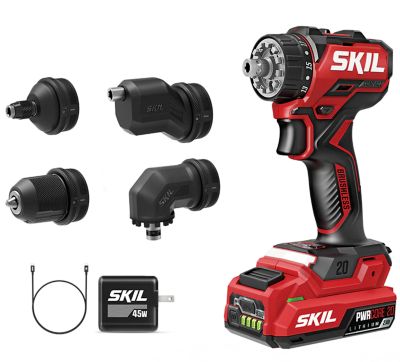
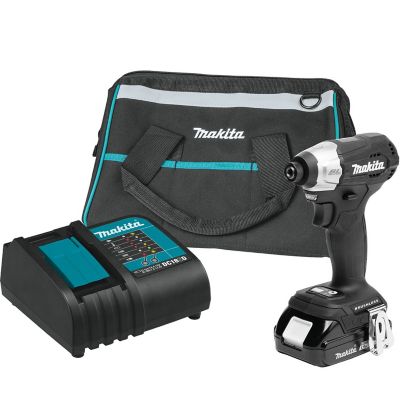
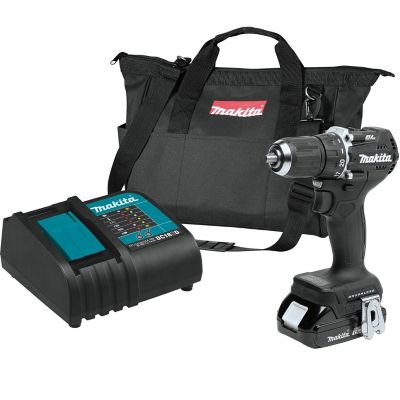
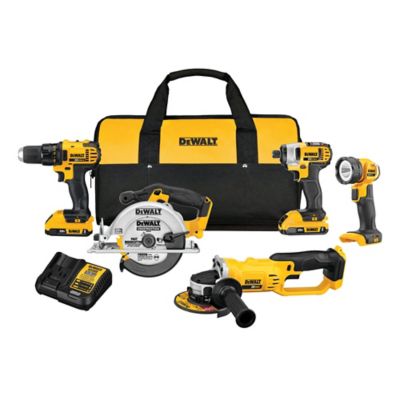
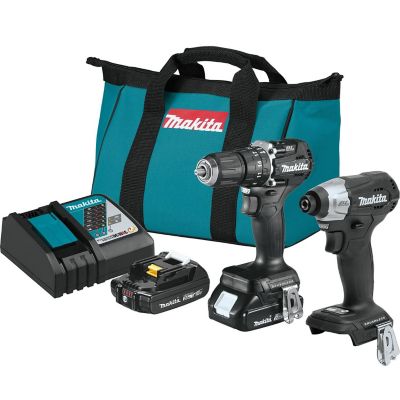
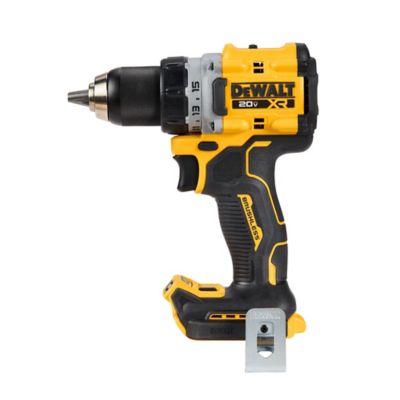
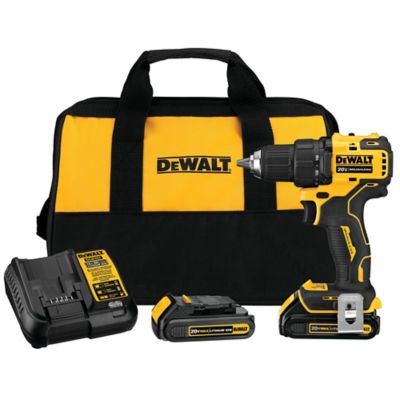
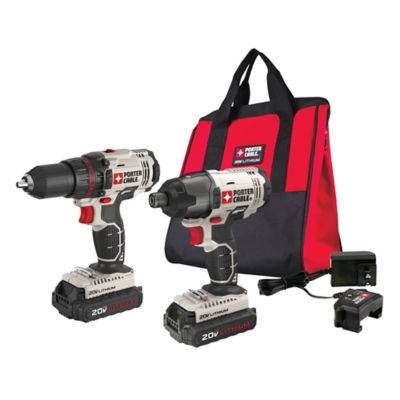
Compact drivers are power tools built to drive fasteners while keeping tool size and weight manageable, especially where a full-size tool leaves little room to work. Around a farm, shop, or home, that smaller footprint comes in handy when fastening shelf brackets inside a cabinet, tightening hardware beneath a workbench, or putting together storage for the tack room. The category includes compact drill/drivers and compact impact drivers, which handle related jobs through different mechanisms. A drill/driver delivers steady rotation through an adjustable chuck and typically has a clutch that limits driving force at selected settings. That makes it a practical fit for drilling pilot holes, assembling furniture, and seating screws without pulling their heads too far into the material. An impact driver adds rotational impacts when resistance increases, helping turn screws and other compatible fasteners through tougher driving tasks. Its quick-release hex collet commonly accepts 1/4-inch hex-shank bits, rather than the broader range of round-shank bits that a drill chuck can hold. For fastening-focused work,
compact impact drivers bring that action into a shorter package suited to close quarters. Neither type replaces every tool in the shop: an impact driver is different from a square-drive impact wrench, and high-torque automotive or equipment fasteners call for equipment matched to the job. Where these smaller drivers earn their keep is everyday work that involves repeated starts, stops, and changes in position. A short motor housing can clear a nearby cabinet wall, while a lighter tool can be easier to handle when reaching up to mount a bracket. Overall clearance still depends on the battery, chuck or collet, bit length, and fastener, not just the tool’s published head length. Those details matter when the working space is a narrow gap between framing members instead of an open benchtop. The right fit leaves enough room to hold the bit square to the screw head, which helps reduce slipping and damage to both the fastener and the surrounding surface.
Power, speed control, and battery size all shape how a compact cordless driver feels during a full run of chores. Torque describes twisting force, but the largest number on a specification sheet does not automatically make a tool the best match for small hinges, cabinet hardware, or thin metal panels. Controlled starts and a responsive variable-speed trigger help get a screw turning before bringing it up to speed. On a drill/driver, clutch settings provide another layer of control for repeated fastening into softer wood or other materials that can be damaged by overtightening. Some impact drivers have selectable speed ranges or driving modes that help manage their output, although these features vary by design and do not take the place of a torque wrench when a fastener requires a specified final torque. Compact tools span several battery voltage classes. Lower-voltage platforms often emphasize easy handling and a small footprint, while higher-voltage platforms may offer more capacity for demanding work; voltage alone does not establish driving performance. Motor design, gearing, electronics, and battery capability all play a part. Brushless motors generally operate more efficiently than brushed designs and eliminate brush replacement, with runtime still depending on the battery and workload. A higher amp-hour battery can extend working time within a compatible system, but its extra size may make a small driver feel less nimble beneath a sink or inside a feed-room cabinet. Battery platform compatibility matters as much as capacity, since packs and chargers must match the manufacturer’s specified system. Kits and tool-only configurations also serve different needs, depending on whether a matching battery and charger are already part of the toolbox. In the hand, balance, grip shape, trigger reach, and the location of the forward/reverse switch can matter just as much as raw power. Rubberized grip surfaces, a well-positioned work light, and a belt hook can make repeated fastening less awkward, though features differ across tool designs. For someone moving between a workshop bench and repairs around an outbuilding, that mix of handling and capability often matters more than chasing maximum output.
Materials and construction help determine how well a compact driver stands up to everyday shop life. Molded housings keep weight down, grip coverings improve purchase, and metal gear components carry the load inside the tool. Some designs include metal gear housings or reinforced areas around parts that take frequent contact, but a compact size does not mean a tool is protected from every knock, spill, or gritty work surface. Fine sawdust, metal filings, and loose dirt can collect around vents, bit holders, and battery connections, so routine care belongs alongside choosing the right tool for the work. A clean cloth and the manufacturer’s recommended cleaning methods help keep those areas clear without forcing debris farther inside. Battery removal before cleaning or changing accessories helps prevent an unintended start. Bits deserve attention, too: a worn tip can slip out of a screw head even when the driver itself runs well. Impact-rated bits and accessories belong with impact drivers, and the bit profile and size need to match the fastener. Drilling into wood, metal, or masonry calls for bits intended for that material and a tool rated for the operation; ordinary impact driving is not the same as hammer drilling. Pilot holes can help limit splitting near board ends, while proper support and clamps keep a workpiece from shifting as the fastener bites. Eye protection and hearing protection, especially during impact driving, are part of sensible shop practice. These tools suit homeowners handling routine repairs, farm owners maintaining storage and fixtures, and tradespeople who need a smaller companion to larger equipment. They can also make a practical gift for someone setting up a first workshop or expanding an established cordless setup, provided the battery system and intended tasks line up. A compact driver earns its place through jobs that come around again and again: fastening a drawer slide, mounting a tool rack, assembling a shop cabinet, or replacing screws in a loose bracket. Small enough to maneuver and capable enough for the intended fastener, it puts useful driving power within reach without making every little repair a wrestling match.